
Selecting the right all-in-one craft supply set for school art classes requires balancing convenience, curriculum requirements, and material durability. For parents and educators in the Philippines, this decision is further influenced by local environmental factors like high humidity and temperature, which directly affect how art mediums behave and store over time. A well-chosen art kit simplifies preparation, ensuring students have every necessary tool on hand without the clutter of mismatched individual purchases. However, not all kits are created equal; some prioritize quantity over functional quality, leaving students with dried-out paints, shedding brushes, or paper that warps at the first touch of water.
To find a set that truly supports a student’s creative development throughout the school year, you must look beyond vibrant packaging. A successful purchase depends on evaluating how well the tools match classroom projects, verifying safety certifications, and ensuring the physical kit can withstand the daily commute in a school backpack. By focusing on systematic verification and practical usability, you can secure a comprehensive set that minimizes waste and maximizes artistic expression.
Key Criteria for Evaluating School Art Supply Sets
When evaluating comprehensive craft supplies packaged as all-in-one sets, the primary goal is to establish a reliable standard of utility. School art curricula are diverse, often transitioning rapidly from basic color theory to complex three-dimensional modeling. A set that only offers colored pencils and a thin sketchpad will quickly prove inadequate when the class moves on to mixed-media collages or clay sculpting. Therefore, the first step is to cross-reference the kit’s inventory list with the school’s syllabus to ensure the material diversity aligns with upcoming projects.
Products mentioned in this guide
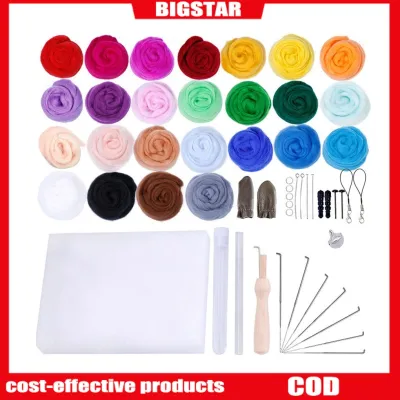
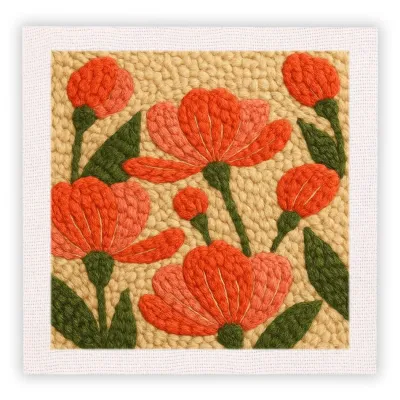
Prices are valid at publication and may change. Please refer to the product page for the latest price.
Safety and non-toxicity are paramount when selecting materials for student use, especially since art classes involve prolonged skin contact with paints, clays, and adhesives. Always inspect the packaging for recognized safety certification labels, such as the “AP Non-Toxic” seal or compliance with international standards like EN71. These labels verify that the formulations do not contain harmful levels of heavy metals or toxic solvents. For younger students, water-based, washable formulas are essential for easy cleanup from skin and school uniforms. Adhesives should be solvent-free and acid-free to prevent both chemical fumes in closed classrooms and the yellowing of paper projects over time.
Storage and portability are critical practical factors that dictate whether a set remains a useful classroom companion or becomes a broken, disorganized mess. In the tropical climate of the Philippines, high relative humidity can easily warp cheap cardboard cases, causing latches to fail and contents to spill. Opt for durable plastic or lightweight metal cases with secure, mechanical latches. The physical dimensions of the case must be checked against standard school backpacks and locker compartments. A set that is too bulky to carry comfortably will often be left at home, defeating the purpose of an all-in-one solution. Look for internal molded trays or elastic straps that hold each tool firmly in place, preventing damage to delicate pencil tips and paint cakes during transit.
Types of All-in-One Craft Sets to Consider
Art kits generally fall into distinct categories based on their primary creative focus, and understanding these distinctions helps you match the kit to the student’s specific grade level and curriculum. Flat art sets focus heavily on drawing and dry mediums, whereas 3D crafting kits emphasize structural materials like clay, wire, and heavy cardstock. Mixed-media sets attempt to bridge the gap by offering a broad selection of both flat and dimensional materials. Choosing the right category prevents you from paying for specialized tools that the student may never use.

Another critical consideration is the balance between consumable materials and reusable tools within the kit. Consumables—such as paper, paints, glues, and clays—will inevitably run out, while reusable tools like scissors, rulers, brushes, and pencil sharpeners should last for multiple school terms. A high-quality set provides durable, ergonomic tools alongside a reasonable starter supply of consumables. If a kit consists almost entirely of low-grade consumables with flimsy, single-use tools, its long-term value is significantly diminished, as you will soon need to purchase replacement tools separately.
Painting and Drawing Focused Sets
For students whose art classes center on two-dimensional visual arts, a painting and drawing focused set is the most appropriate choice. When evaluating these kits, pay close attention to the paint types included. Watercolors are standard for introductory classes, but you must verify whether they are provided as dry cakes or semi-moist pans. Dry cakes should dissolve smoothly without requiring excessive scrubbing, which ruins brush bristles. If the kit includes acrylic paints, check the tube capacities; small 5ml tubes run out quickly during large-scale classroom projects. Pigment vibrancy is difficult to judge from packaging alone, so look for specifications indicating high pigment load and lightfastness, or plan to conduct a simple opacity test on scrap paper.
When checking drawing pencils within these sets, verify the lead hardness grades. Standard school kits often include HB pencils for writing and sketching, but sets that include 2B or 4B pencils offer greater depth for shading exercises. For colored pencils, look for soft-core leads that allow for smooth color laydown and blending without requiring the student to press down excessively, which can tear thin paper.
The quality of the included brushes directly influences a student’s control over the medium. Cheap kits often include brushes with stiff, synthetic bristles that shed easily, leaving loose hairs embedded in the paint. Look for sets featuring soft, resilient synthetic fibers (such as nylon or taklon) that retain their shape after washing. The brush handles should be securely crimped to the metal ferrules; loose ferrules will wobble and eventually detach. Additionally, verify the weight and texture of any paper included in the set. Standard drawing paper (around 80 to 120 GSM) is suitable for pencils and crayons, but watercolor projects require heavier, textured paper (at least 200 to 300 GSM) to prevent severe warping, pilling, and ink bleed-through.
Mixed Media and General Craft Sets
Mixed-media and general craft sets are designed for hands-on projects that involve cutting, pasting, and building three-dimensional objects. In these kits, the quality of the adhesives and cutting tools is the most critical factor for both safety and project success. Scissors should feature stainless steel blades with blunt, rounded tips for safety, along with ergonomic, cushioned finger loops that fit a child’s hand comfortably. Test the scissors’ cutting action on different materials; they should cut cleanly through construction paper and felt without chewing or tearing the edges. Adhesives should include both a quick-drying glue stick for paper collages and a stronger, liquid PVA glue for bonding heavier materials like wood or cardboard. Note that liquid glues take longer to cure in humid tropical environments, so low-moisture formulas are often preferred.
Rulers included in these kits should feature clear, dual-unit markings (centimeters and inches) that are etched or deeply printed rather than lightly stamped on the surface, as daily friction can quickly erase cheap markings. Opt for flexible plastic rulers over brittle acrylic ones, as they are less likely to snap when bent inside a crowded school bag.
The variety of supplementary materials in a mixed-media kit should offer genuine creative utility rather than mere novelty. Look for high-quality colored construction paper, sturdy wooden craft sticks, and non-hardening modeling clay. Air-dry clay is popular for sculpting, but in warm climates, it must be stored in airtight, resealable foil packaging within the kit to prevent it from curing prematurely. Finally, ensure the kit’s internal organization is robust. Small decorative items like sequins, beads, and googly eyes should be housed in secure, screw-top containers or snap-lock compartments rather than flimsy plastic bags that easily tear and scatter small parts across the classroom floor.
What to Check Before Purchasing
Before finalizing your purchase of an all-in-one craft supply set, it is essential to perform a practical cost and usability check. One of the most common pitfalls of buying bundled kits is the “orphan tool” dilemma, where a student depletes a single high-use item—such as black paint, white colored pencils, or glue sticks—rendering the rest of the kit difficult to use. Check if the brand offers individual open-stock replacements for the consumables in the kit. If you cannot buy single-color paint refills or matching glue sticks that fit the kit’s designated slots, you may end up buying entirely different brands that do not fit the storage case, leading to a cluttered backpack.
Age-appropriateness and ergonomic design must be matched to the student’s physical development. For early primary grades, look for kits featuring jumbo-sized crayons, triangular colored pencils that promote a proper tripod grip, and easy-squeeze glue bottles. These designs reduce hand fatigue and frustration for developing motor skills. For older students in intermediate or high school art classes, standard hexagonal pencils, fine-tip detail brushes, and precision cutting tools are more appropriate. Always check the manufacturer’s recommended age rating on the label to ensure the tools are neither too complex nor too simplistic for the student’s grade level.
Consider the total weight of the fully loaded kit. While a massive 150-piece set might seem like an excellent value, the physical weight of heavy wooden cases or metal tins can add significant strain to a student’s back. Weigh the convenience of having a massive variety of colors against the daily physical effort required to transport the kit to and from school. Inspect the hinges, latches, and carrying handles. If the outer case feels thin or brittle, consider whether you will need to repack the high-use items into a separate, heavy-duty canvas pencil case for daily transport, reserving the main storage box for home use or specialized art days.
Where to Source and Verify Craft Supplies
To ensure you are purchasing genuine, high-quality art supplies, it is best to source them from reputable channels. Authorized local stationery stores and established school supply distributors in the Philippines offer the advantage of physical inspection. Visiting a physical store allows you to feel the weight of the storage case, test the smoothness of the latches, and verify that the paper weight matches the specifications on the packaging. If physical shopping is not feasible, cross-reference the product specifications listed on online marketplaces with the official brand websites to confirm you are not purchasing counterfeit goods, which often contain substandard or toxic materials.
When shopping on e-commerce platforms, look beyond the overall star rating and actively filter buyer reviews for specific quality indicators. Search the reviews for keywords like “dried,” “broken,” “missing,” or “smell.” This helps identify recurring issues, such as kits that have sat in hot warehouses for too long, resulting in dried-out glues, cracked watercolor pans, or evaporated acrylic paints. Pay close attention to reviews that mention how well the seller packages the item for shipping; a fragile plastic art case can easily crack during transit if not wrapped in sufficient protective material.
If you are purchasing craft supplies for an entire classroom or a large group of students, never order in bulk without testing first. Order a single sample unit of the prospective art set to conduct a hands-on evaluation. Test the watercolor paints for chalkiness and drying speed, check the scissors on various paper thicknesses, and verify that the colored pencils sharpen cleanly without the lead constantly snapping inside the wood casing. This small upfront investment of time and resources prevents the costly mistake of purchasing dozens of unusable kits that frustrate students and disrupt lesson plans.
Frequently Asked Questions (FAQ)
How do I prevent paints and glues from drying out in a stored set?
To maximize the lifespan of the consumables in an art set, establish a strict post-use cleanup routine. Before closing paint tubes or liquid glue bottles, use a damp cloth to wipe away any excess product from the nozzle and cap threads. Dried paint or glue on the threads prevents the cap from forming an airtight seal, allowing air to enter and dry out the remaining contents. For watercolor pans, allow the paint surface to air-dry completely before closing the case lid; sealing wet watercolors in a dark, humid container can encourage mold growth, especially in tropical climates. Store the entire art kit in a cool, dry place away from direct sunlight, as excessive heat can degrade adhesives and cause plastic paint tubes to split.
Are all-in-one sets more cost-effective than buying individual supplies?
All-in-one sets generally offer a lower upfront cost compared to purchasing every included tool and medium individually, making them highly cost-effective for beginners or general school art classes. The bundle pricing of a kit provides immediate savings on basic tools like scissors, rulers, and brushes. For example, a comprehensive set priced at ₱600 might contain items that would cost over ₱1,000 if purchased separately. However, the long-term cost-effectiveness depends on the student’s consumption patterns. If a student quickly uses up a few specific colors or glue sticks while leaving the rest of the kit untouched, the cost-benefit ratio shifts. To maintain cost-effectiveness, look for kits that use standard-sized consumables that can be easily and cheaply replenished with individual open-stock items, rather than requiring the purchase of a completely new set.

Community discussion
Share your experience or ask a question. Comments are reviewed before publication.