
Finding the right blank cards for calligraphy and handwritten messages in the Philippines requires looking beyond beautiful colors and focusing on the physical properties of the paper. Because the local tropical climate brings high humidity, paper fibers can absorb moisture from the air, making them more prone to ink feathering and bleeding. To ensure your handwritten messages look crisp and professional, you must select cardstock with the appropriate weight, surface texture, and internal sizing that can handle the specific wetness of your calligraphy inks and pens.
Evaluating these physical characteristics before you begin writing saves time, prevents ruined projects, and ensures your heartfelt messages endure. Whether you are preparing elegant wedding invitations, crafting personalized holiday greetings, or writing simple thank-you notes, understanding how paper interacts with different inks is the key to achieving clean, sharp lines. By focusing on measurable paper specifications and simple testing methods, you can confidently select blank cards that elevate your handwriting.
Evaluating Paper Weight, Texture, and Ink Absorption
The foundation of any high-quality blank card is its weight, which is measured in grams per square meter (GSM). Standard printer paper typically ranges from 70 to 80 GSM, which is far too thin for calligraphy as it easily buckles, bleeds, or shows through to the other side. For handwritten cards, you should look for cardstock that starts at a minimum of 200 GSM. If you plan to use heavy wet inks, gouache, or light watercolor washes for decorative borders, opting for 250 GSM to 300 GSM provides the structural integrity needed to prevent the card from warping as the moisture dries.
Products mentioned in this guide
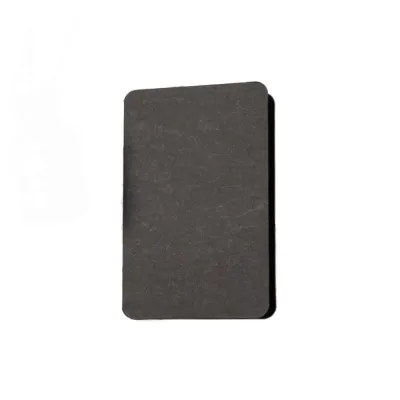
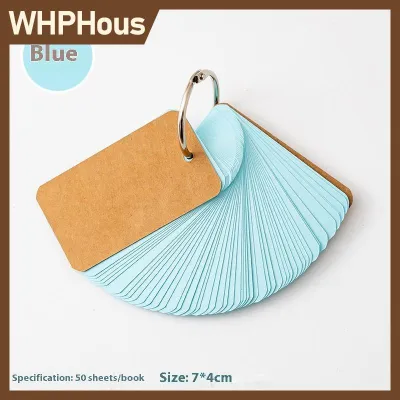
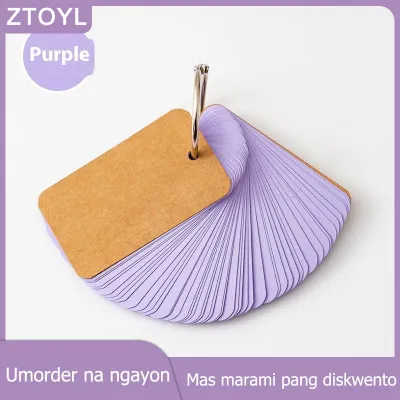
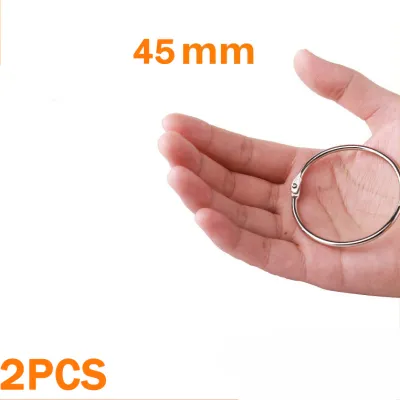
Prices are valid at publication and may change. Please refer to the product page for the latest price.
Surface texture plays an equally critical role in how your writing tools behave on the card. Smooth finishes, often labeled as hot-press, satin, or ultra-smooth, are highly recommended for fine metal nibs and brush pens because they offer minimal friction. This lack of resistance allows your pen to glide effortlessly, resulting in clean, sharp lines and consistent ink flow. Vellum finishes possess a subtle, toothy texture that provides satisfying tactile feedback for pencils and gel pens, but this slight roughness can catch delicate dip pen tines and cause microscopic ink splatters.
Laid paper features a distinct textured pattern of parallel lines created during the manufacturing process, offering a classic, vintage aesthetic that suits formal correspondence. However, writing on laid paper requires a highly controlled hand, as the microscopic valleys in the texture can cause ink to pool or spread unevenly if your pen pressure is inconsistent. Wove paper, by contrast, has a uniform, smooth surface without visible lines, making it a highly versatile and reliable choice for various calligraphy styles.
Beyond weight and texture, you must consider how the paper is treated to handle liquid, which is determined by its sizing. Sizing is an additive applied during manufacturing—either mixed into the pulp (internal sizing) or coated onto the surface (external sizing)—that regulates how quickly the paper absorbs moisture. Unsized paper acts like a paper towel, rapidly drawing ink into its fibers and causing the edges of your letters to feather and blur. To ensure your calligraphy remains sharp, look for cards specified as “hard-sized” or “tub-sized,” which indicates they are designed to resist rapid liquid penetration and keep the ink sitting cleanly on the surface.
Another factor to consider is the fiber content of the cardstock. Cotton fibers are naturally longer and more flexible than wood pulp fibers, allowing them to absorb moisture evenly without warping or buckling. This makes 100% cotton cardstock the gold standard for formal calligraphy and archival-quality messages. Wood pulp paper, while more affordable and widely available, requires careful chemical processing and sizing to achieve similar levels of ink resistance, making it essential to verify the paper specifications before purchasing.
Matching Card Stock to Your Pens and Inks
Every writing instrument deposits ink differently, meaning a card that works beautifully with a gel pen might fail under a wet fountain pen. Matching your cardstock to your specific pen and ink setup is essential for achieving professional results and protecting your tools.

Fountain Pens and Dip Pens
Fountain pen inks and traditional dip pen inks, such as iron gall, walnut, or acrylic-based inks, are highly fluid and require paper that can handle a high liquid volume. When applied to highly absorbent or unsized blank cards, these wet inks quickly spread along the paper fibers, resulting in fuzzy, distorted letterforms. To prevent this feathering, choose cards made from dense, tightly packed cotton or high-alpha cellulose fibers, which keep the ink pooled on the surface long enough to dry with crisp, defined edges.
The physical design of metal nibs also demands an exceptionally smooth writing surface. Fine, flexible dip pen nibs can easily snag on textured cardstock, tearing up tiny paper fibers that clog the feed and ruin your delicate hairlines. Opting for ultra-smooth, calendered cardstock ensures the metal tines glide effortlessly without catching, allowing you to execute smooth transitions from thin upstrokes to thick downstrokes.
Brush Pens and Markers
Pigment-based brush pens and markers deposit a significant volume of ink onto the card surface, which can easily seep through to the back of the card. To manage this heavy ink flow without ruining the presentation of your message, you need a high-GSM cardstock or a multi-ply board that physically blocks the ink from bleeding through. If you plan to write on both sides of a folded card, verifying the card’s bleed resistance is essential to keep the interior message legible and neat.
The physical durability of your writing tools is another critical factor when choosing cardstock for brush calligraphy. Textured or toothy cardstock acts like fine sandpaper against flexible nylon or felt brush tips, causing them to fray and split after only a few uses. To preserve the sharp tips of your brush pens, always pair them with smooth, non-abrasive card surfaces that allow the flexible tips to bend and rebound without friction damage.
Choosing the Right Size, Fold, and Envelope Fit
Blank cards are available in several standard dimensions, each suited to different lengths of handwritten messages and formal layouts. The A2 size (approximately 4.25 x 5.5 inches) is excellent for short, casual notes and thank-you cards, while the larger A6 (4.75 x 6.5 inches) and A7 (5 x 7 inches) sizes provide ample space for formal invitations, elaborate flourishes, and longer letters. Choosing a standard size ensures you can easily find matching envelopes without paying for custom-made stationery.
When selecting folded cards, pay close attention to the fold line and paper thickness. Heavy cardstock must be pre-scored to fold cleanly; folding thick, unscored paper manually often cracks the outer fibers, leaving an unsightly, jagged edge. Additionally, thick cardstock increases the overall bulk of the envelope, which can affect mailing costs. In the Philippines, local postal services determine rates based on both dimensions and weight, so a thick, multi-layered card may require additional postage compared to a standard flat card.
Your writing style and layout also dictate your card choice. Left-handed calligraphers must carefully consider the layout to avoid dragging their hand through wet ink, often preferring flat cards where they can rotate the paper freely. If you write in vertical scripts or plan to include multi-page inserts, ensure the card format accommodates these orientations without forcing awkward hand positions or crowding your margins.
In humid tropical climates, envelope storage and sealing methods require extra attention. Pre-gummed envelopes can sometimes stick together prematurely if stored in non-air-conditioned spaces with high humidity. Choosing envelopes with peel-and-seal adhesive strips can prevent this issue entirely. Additionally, selecting an envelope color that complements your cardstock and adding a protective liner can shield your delicate calligraphy from rubbing against the envelope interior during transit.
Sourcing and Verifying Card Quality Before You Buy
When browsing local stationery suppliers, craft shops, or online marketplaces in the Philippines, read product descriptions carefully. Look for explicit specifications such as “acid-free,” “chlorine-free,” and specific GSM ratings rather than generic terms like “thick paper.” Labels that mention “fountain pen friendly” or “suitable for wet media” are reliable indicators that the cardstock has sufficient sizing to handle calligraphy inks.
Before committing to a bulk purchase for a major project like wedding invitations, always buy a small sample pack to conduct a simple ink test. Apply your preferred ink and pen combination to a corner of the card, observing how long it takes to dry and checking the reverse side for any signs of bleeding or ghosting. In our humid tropical climate, drying times can be significantly longer, so this test helps you gauge whether you need to adjust your ink consistency or use blotting paper.
Budgeting is another practical step when sourcing blank cards. Prices can range from around ₱5 to over ₱50 per piece, depending on the paper source, cotton content, and brand. Compare the price per piece across different pack sizes, keeping in mind that bulk packs of 50 or 100 cards often offer better value for large projects, while smaller, curated packs are ideal for occasional personal correspondence.
Once you purchase your blank cards, storing them correctly in the Philippines’ humid climate is crucial. Keep your cardstock in airtight plastic containers or resealable bags with silica gel packets to prevent the paper from absorbing ambient moisture. This simple precaution prevents the paper sizing from degrading over time, ensuring your cards remain ready for crisp, beautiful calligraphy whenever inspiration strikes.
Frequently Asked Questions (FAQ)
How can I prevent ink from smudging on glossy or coated cards?
Standard water-based calligraphy inks pool on glossy or coated surfaces because these papers lack the porous fibers needed to absorb liquid. To write on glossy cards, switch to fast-drying pigment liners, permanent gel pens, or acrylic-based paint markers that adhere to the surface coating rather than soaking into the paper. Always allow extra drying time, and avoid touching the written areas until the ink has fully cured.
Do I need to prep the paper before writing with a dip pen?
Some high-quality cardstocks carry microscopic manufacturing residues, oils from handling, or heavy surface sizing that can cause wet ink to bead up rather than flow smoothly. If you notice your ink pooling or resisting the paper, you can lightly prep the surface by dusting it with a tiny amount of gum sandarac or unscented talcum powder, then gently wiping away the excess. If the ink continues to bead up after this light preparation, the paper coating is likely incompatible with water-based inks, and you should switch to a more porous cardstock.

Community discussion
Share your experience or ask a question. Comments are reviewed before publication.