
Quick Answer: Core Features of Art Gifts for 7-Year-Olds
When searching for the perfect art supply set as a gift for a 7-year-old girl, the most successful choices balance immediate creative appeal with practical usability. At seven years old, children are transitioning from basic sensory play to more structured, detail-oriented projects. The ideal set should feature certified non-toxic materials, highly washable formulas, and ergonomic tools tailored for developing fine motor skills.
To ensure the gift can be enjoyed immediately, prioritize comprehensive kits that include foundational accessories like high-quality paper, blending tools, or storage cases. This prevents the frustration of opening a gift only to find that essential components are missing. By focusing on safety, ease of cleanup, and age-appropriate design, you can select a gift that inspires hours of independent, imaginative play.
How to Evaluate Art Sets for Safety and Usability
Evaluating art supplies for a seven-year-old requires looking beyond bright packaging to assess the physical characteristics of the tools and mediums. At this developmental stage, children are eager to experiment independently, making safety and ease of use paramount.
Products mentioned in this guide
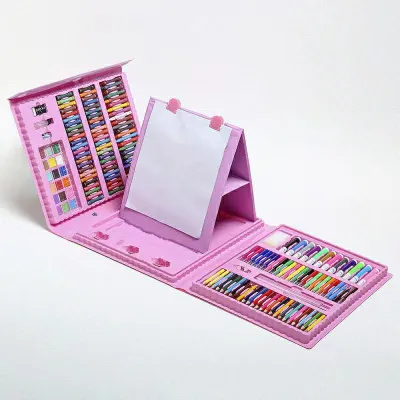
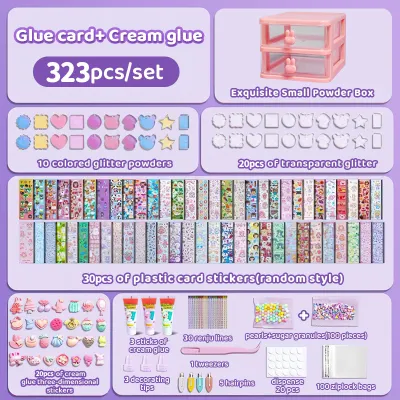
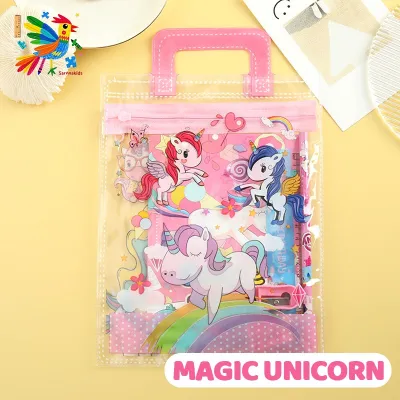
Prices are valid at publication and may change. Please refer to the product page for the latest price.

Safety Certifications Always verify that the art supplies carry recognized safety certifications. Look for labels such as the ACMI AP (Approved Product) seal, which indicates that the materials have been evaluated by toxicologists and contain no materials in sufficient quantities to be toxic or injurious to humans. Since art sessions often involve prolonged skin contact, accidental hand-to-mouth transfers, or even the occasional stray mark on the face, choosing certified non-toxic crayons, markers, and paints is essential for peace of mind.
Tool Ergonomics The physical design of the tools should match a seven-year-old’s physical development. Look for colored pencils with triangular or hexagonal barrels, which naturally encourage a proper tripod grip and prevent the pencils from rolling off tables. Paintbrushes should feature medium-thick handles with textured or rubberized grips that fit comfortably in smaller hands. If the set includes scissors, ensure they are safety scissors with blunt, rounded tips and plastic-covered blades designed to cut paper rather than skin or hair.
Mess Management For parents, the joy of a creative gift can quickly fade if it leaves permanent stains. Prioritize water-based, ultra-washable inks and paints that wash easily from skin and standard household fabrics. In tropical climates like the Philippines, high humidity can slow down the drying times of paints and glues. This makes quick-drying, water-soluble formulas even more critical, as they reduce the window of time during which wet paint can be accidentally smeared onto clothing, furniture, or walls.
Replenishment and Compatibility A great art set should outlast its initial contents. Before purchasing, check if the kit uses standard paper sizes (such as A4 or letter size) and standard tool dimensions. If the markers or colored pencils are proprietary shapes or sizes, finding replacements once they run out or dry up can be difficult. Opt for sets that can be easily replenished with standard stationery items available at local supply stores, ensuring the carrying case or organizer remains useful for years.
Matching Art Mediums to a Child's Creative Interests
Every young artist has unique preferences, and matching the medium to their specific play style ensures the gift will be used and cherished. At age seven, children often fall into distinct creative categories: some prefer quiet, highly detailed drawing, while others thrive on tactile, messy, and expressive painting. Observing how the child currently spends their free time—whether they are constantly doodling on scrap paper or asking to mix colors in the kitchen—will guide you toward the right category of art set.
Dry Mediums: Drawing and Sketching Kits
Drawing kits are ideal for children who enjoy precision, storytelling through illustration, and quiet, focused play. These sets typically include colored pencils, crayons, fine-line markers, and sketchpads.
Pencils, Crayons, and Pastels When evaluating dry mediums, look for colored pencils with break-resistant cores. This is often achieved through secure bonding processes where the lead is glued to the wooden casing along its entire length, preventing the core from shattering when the pencil is dropped. Crayons should be formulated for smooth laydown without requiring heavy downward pressure. If the set includes oil pastels, verify that they are firm enough to resist melting or becoming overly sticky in warm, humid environments, yet soft enough to allow for satisfying color blending.
Paper Quality and Weight The paper included in a drawing kit significantly impacts the user experience. For colored pencils and crayons, look for paper with a slight texture or “tooth” that grabs the pigment effectively. The paper weight should ideally be at least 100 to 120 GSM (grams per square meter). Lightweight paper, such as standard 70 GSM copy paper, easily tears under the enthusiastic erasing or heavy shading typical of a seven-year-old.
Essential Accessories A complete drawing kit should include a high-quality, enclosed pencil sharpener that securely holds shavings to prevent mess. Look for sets that also feature vinyl erasers, which remove pencil marks cleanly without smudging or tearing the paper, and simple blending stumps or tortillons that introduce the child to advanced shading techniques safely.
Wet Mediums: Painting and Craft Sets
Painting and craft kits appeal to children who love tactile exploration, color mixing, and creating three-dimensional or highly textured projects. These sets often feature watercolors, tempera paints, brushes, and various crafting accessories.
Paint Types and Washability For seven-year-olds, pan watercolors (dry cakes of paint activated by water) are highly recommended over liquid paints. They offer excellent color payoff, dry quickly, and present a much lower risk of catastrophic spills. If the kit includes liquid tempera or poster paints, ensure they are housed in squeeze bottles with fine-tip dispensers or secure flip-tops. Always double-check that the paints are labeled as washable, meaning they can be cleaned with warm water and mild soap.
Brush Durability and Construction Inspect the quality of the included paintbrushes. Cheap brushes often have loose metal ferrules (the band holding the bristles to the handle) that shed synthetic hairs onto the artwork, which can be highly frustrating for a young artist. Look for brushes with securely crimped aluminum or brass ferrules and durable synthetic nylon bristles that spring back into shape after use and can withstand vigorous mixing.
Packaging and Leak Prevention Because wet mediums are prone to drying out or leaking, the design of the packaging is critical. Paint pots should snap shut with an audible click, and liquid bottles should have robust threading. In humid tropical conditions, poorly sealed water-based paints can attract mold or dry into solid blocks, so airtight storage containers are a major advantage.
Variety Packs: Mixed-Media and Deluxe Cases
If you are unsure of the child’s specific artistic preference, or if you want to provide a grand, impressive gift, a mixed-media deluxe case is an excellent option. These sets combine dry and wet mediums into a single, organized package.
Logical Compartmentalization The primary appeal of a deluxe art case is its organization. Look for cases that feature molded plastic trays with individual, snug slots for every single marker, pencil, and paint cake. This not only protects the supplies during transport but also encourages the child to clean up and return each item to its proper place after their creative session.
Case Durability and Safety Deluxe cases are often made of wood, plastic, or aluminum. Ensure the hinges are sturdy and the latches are easy for a seven-year-old to operate independently. Avoid heavy wooden cases with sharp metal corners or stiff latches that can pinch small fingers. Lightweight, impact-resistant plastic cases with rounded corners and smooth, sliding latches are generally the safest and most durable choice for this age group.
Quality vs. Quantity Trade-Off It is common to see massive art sets boasting hundreds of pieces at very low prices, such as ₱500 or less. Be cautious of these offers. Often, these sets achieve their high piece counts by including dozens of identical, low-quality paper clips, flimsy plastic rulers, or tiny, dried-out markers. A smaller, well-curated set of 30 high-quality items will provide a far better creative experience than a massive case filled with frustrating, non-functional tools.
Pre-Purchase Checklist: What to Verify Before Gifting
To ensure your gift is a complete success and ready for immediate use on the child’s birthday or during a holiday gathering, run through this practical pre-purchase checklist.
Verify Missing Essentials Many art sets require additional items that are not included in the box. Read the packaging carefully to check if you need to purchase separate items. Common missing essentials include:
- Water cups or mixing palettes for watercolor sets.
- Specialized heavy-duty paper for wet paints.
- Batteries for light-up tracing pads or motorized spinning art tools.
- Standard household glue or child-safe scissors for collage kits.
Gifting a set without these essentials can lead to immediate disappointment, so consider buying them separately and packaging them together with the main gift.
Assess Sibling Safety Consider the household environment of the recipient. If the seven-year-old has younger siblings, particularly toddlers or infants who are still in the oral stage of development, certain art supplies can pose serious hazards. Avoid sets with loose beads, tiny decorative sequins, small detachable marker caps, or sharp pencil tips. Opt for sets that feature larger, chunky components or those housed in secure, lockable cases that can be stored out of reach of younger children.
Review Manufacturer Guidelines Always check the manufacturer’s recommended age grading on the packaging. While a seven-year-old is highly capable, some kits labeled for older children (such as ages 8 or 10 and up) may include complex instructions, chemical solvents, or tools that require advanced motor skills. Choosing a kit that aligns with the child’s developmental level prevents frustration and ensures they can enjoy the activity with minimal adult intervention.
Where to Shop and How to Complete the Gift
Sourcing your art supply set from reliable retailers ensures you receive genuine, high-quality products that are safe for children to use.
Choosing Reliable Retailers Purchase art sets from official brand stores, established local stationery retailers, or reputable online marketplaces. Avoid purchasing unbranded, generic art kits from discount platforms, as these products often bypass safety testing, lack proper non-toxic certifications, and frequently arrive with dried-out markers or cracked paint pans.
Checking Return and Exchange Policies Before finalizing your purchase, review the retailer’s return and exchange policies. This is particularly important for art supplies, as liquid mediums, markers, and glues can occasionally dry out or spoil if they have been stored in warm warehouses for extended periods. A flexible return policy allows the recipient’s parents to easily exchange any defective items.
Completing the Gifting Experience To turn a standard art set into an extraordinary, personalized gift, consider pairing it with a few thoughtful additions:
- A Personalized Sketchbook: Choose a sketchbook with a durable, spiral-bound spine that allows the pages to lay completely flat. This makes drawing much easier for young hands.
- A Child-Sized Apron: A waterproof, easy-to-clean apron protects the child's clothing during messy painting or crafting sessions, giving parents peace of mind.
- A Dedicated Storage Caddy: A portable plastic caddy with a handle allows the child to easily transport their favorite supplies from their bedroom to the dining table and makes cleanup quick and simple.
Frequently Asked Questions (FAQ)
Are specialty items like glitter glue and gel pens appropriate for this age?
Yes, specialty items like glitter glue, gel pens, and metallic markers are highly engaging for seven-year-olds, as they add exciting visual textures to their artwork. However, these mediums require a bit more patience and preparation. Glitter glues and gel pens typically use thicker, water-based inks that have significantly longer drying times. In humid environments, these mediums can take several hours to dry completely. To prevent messy smudges and ruined artwork, ensure the child has a dedicated, flat drying area and consider using protective table covers during use. Always verify that these specialty items are labeled non-toxic and acid-free.
How can I tell if an art kit is too advanced for a 7-year-old?
An art kit may be too advanced if it requires complex techniques, specialized tools, or highly precise fine motor control. Look out for kits that involve canvas stretching, detailed glass painting, complex chemical mixing (such as epoxy resin), or the use of sharp carving tools and utility knives. Additionally, if the instructions are highly technical and rely heavily on text rather than clear, visual step-by-step illustrations, a seven-year-old may quickly become frustrated. Choose kits that focus on open-ended creativity, color exploration, and simple, satisfying assembly to ensure a positive and engaging experience.

Community discussion
Share your experience or ask a question. Comments are reviewed before publication.