
Selecting the right file bag for long documents in the Philippines requires a careful balance of precise dimensional planning, material durability, and transport convenience. In local schools, offices, and government agencies, “long” paper formats are standard for contracts, academic modules, and legal briefs. However, because these documents exceed standard letter or A4 sizes, using an improperly sized folder often leads to bent corners, torn edges, or exposed paper. Additionally, the tropical climate presents unique challenges, such as high humidity and sudden heavy downpours, which can easily ruin unprotected paper. Finding a file bag that keeps your documents flat, dry, and organized involves understanding standard dimensions, evaluating structural features, and matching the bag’s design to your daily routine.
Understanding Document Sizes and Bag Dimensions
To choose a file bag that prevents your documents from folding or creasing, you must first understand the specific long formats used in the Philippines. The term “long bond paper” locally refers to US Legal size, which measures 8.5 by 14 inches (215.9 by 355.6 millimeters). Another common format is Folio size, sometimes referred to as F4, which measures 8.5 by 13 inches (215.9 by 330.2 millimeters). For larger engineering plans, architectural drawings, or design layouts, A3 size is widely used, measuring 11.7 by 16.5 inches (297 by 420 millimeters). Knowing these exact measurements is the first step in ensuring your documents will fit flat inside a bag.
When calculating the necessary size of a file bag, you must account for more than just the flat dimensions of a single sheet of paper. Stacking multiple documents increases the overall thickness, which naturally pulls the sides of the bag inward and reduces the available width and length. Furthermore, if you use slide binders, paper clips, plastic sleeves, or stapled folders to group your papers, these accessories add extra bulk and extend the outer boundaries of your document stack. To accommodate these additions without forcing the zipper or snapping the buttons, look for a file bag that offers at least 10 to 20 millimeters of internal clearance beyond the actual dimensions of your paper.
Products mentioned in this guide
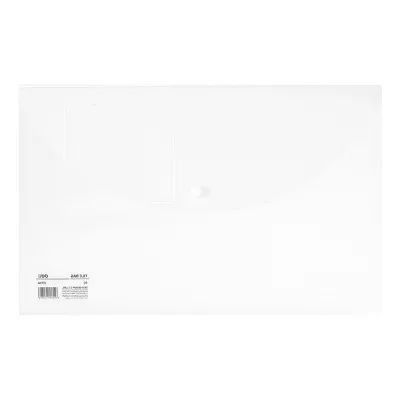
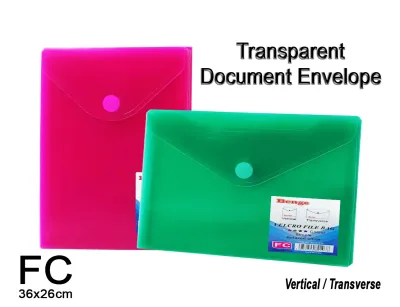
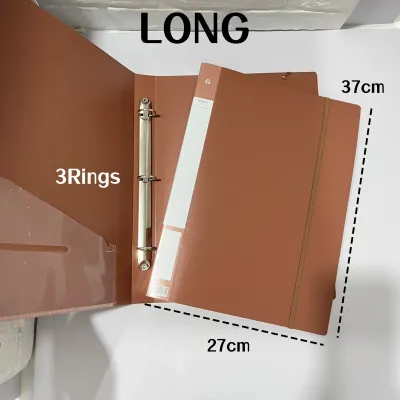
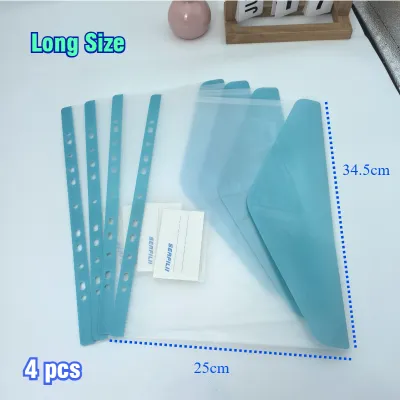
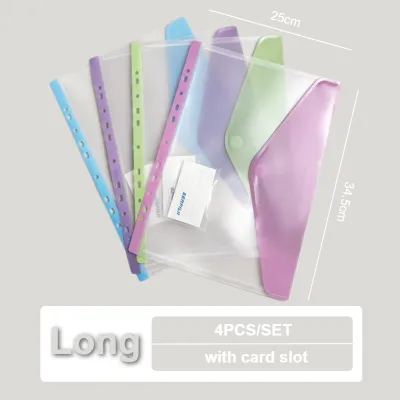
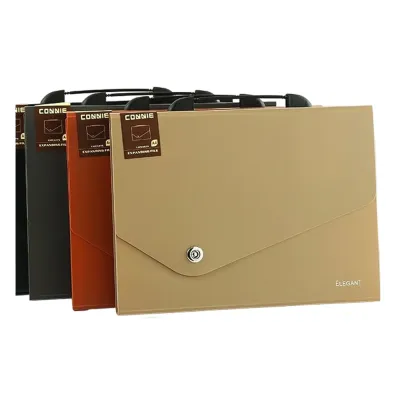
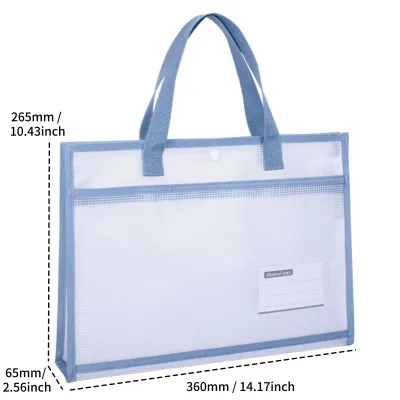
Prices are valid at publication and may change. Please refer to the product page for the latest price.
It is also critical to distinguish between external product dimensions and internal usable space when reading product labels. Manufacturers typically print the external measurements on the packaging or online product listings, which include the stitched borders, plastic seams, and zipper tracks. A file bag with an external length of 360 millimeters might only provide an internal usable length of 340 millimeters, making it too tight for a standard US Legal document. To avoid purchasing a bag that is too small, always verify the internal clearance specifications or choose a product explicitly rated for the next size up to ensure a safe, unbent fit.
Key Features to Evaluate in Long Document File Bags
The material composition of a file bag directly determines how well it protects your documents from environmental hazards and physical wear. Polypropylene (PP) and heavy-duty polyvinyl chloride (PVC) are the most common materials used for document storage. Polypropylene is rigid, lightweight, and highly resistant to tearing, making it an excellent choice for preventing papers from bending inside a crowded bag. Polyvinyl chloride is more flexible and often transparent, allowing you to identify the contents of the bag at a glance. Because the high humidity in the Philippines can cause paper to absorb moisture and become limp, selecting a water-resistant plastic material helps maintain the structural integrity of your important documents.

Closure mechanisms play a vital role in keeping your documents secure and preventing them from sliding out during transit. Zippers offer a complete seal around the perimeter, providing excellent protection against dust and moisture, though they can occasionally snag paper edges if the bag is overfilled. Snap buttons are highly convenient for quick access in single-sleeve envelopes, but they may pop open under pressure if the bag is packed too tightly. Elastic cords provide flexible tension that allows the bag to expand, but the elastic material can degrade or stretch out over time when exposed to warm, tropical conditions. Envelope flaps with hook-and-loop fasteners or tie-strings offer reliable security for thicker files but can add bulk to the overall design.
For those who need to carry large volumes of paper, evaluating the gusset width and expandable side panels is essential. A flat file envelope is suitable for a few loose sheets, but carrying thick manuals, legal briefs, or multiple school modules requires an expandable gusset. Expandable side panels allow the bag to widen uniformly, maintaining a flat base so that documents do not bunch up or crease at the bottom. When selecting an expandable bag, inspect the seam construction carefully; reinforced fabric edges or double-stitched plastic seams prevent the bag from splitting under the weight of heavy paper stacks.
Matching File Bag Styles to Your Daily Workflow
Selecting the right file bag design depends heavily on how you transport, sort, and access your documents throughout the day. If your daily routine involves carrying a single contract, a land title, or a few school forms, a lightweight single-sleeve envelope is highly efficient. These sleeves protect your papers from minor spills and scratches while slipping easily into a backpack or tote bag without adding unnecessary bulk. For students managing multiple subjects or professionals handling diverse client files, a multi-pocket expanding file bag is far more practical. These organizers feature internal dividers that keep different document sets separated and labeled, preventing them from mixing during transit.
Portability features are another crucial consideration, especially for those who commute daily using public utility vehicles like jeepneys, buses, or trains. In crowded transit environments, a file bag with built-in handles or an adjustable shoulder strap becomes a major advantage. Briefcase-style file bags with retractable handles allow you to carry your documents independently, freeing up space inside your main bag and reducing the risk of your papers being crushed by other heavy items. If you frequently work in the field or travel between different office locations, a bag with a secure shoulder strap offers hands-free convenience while keeping your files close and protected.
To protect long documents from being crushed or bent during a hectic commute, the structural rigidity of the file bag is critical. A soft, highly flexible plastic envelope will bend along with your backpack, risking permanent creases in your papers. Selecting a rigid or semi-rigid file bag—such as those reinforced with thick internal cardboard, heavy-duty plastic boards, or aluminum frames—ensures that the bag absorbs external pressure, keeping the documents inside perfectly flat. This structural support is particularly important for preserving the professional appearance of legal contracts, certificates, and presentation materials.
How to Verify Specifications When Shopping Online
When browsing online marketplaces or e-commerce platforms, do not rely solely on search terms like “long file folder” or “legal size bag.” Sellers sometimes use these keywords loosely, which can lead to sizing inaccuracies. Always scroll down to the product specifications section to find the exact measurements in centimeters or inches. Compare these figures directly with your documents: a standard US Legal sheet is 21.59 by 35.56 centimeters, so the internal space of the bag must exceed these numbers to prevent the paper from bending at the corners.
In addition to physical dimensions, you should verify the manufacturer’s capacity claims, which are often listed as a maximum sheet count. Keep in mind that these estimates are typically based on standard 70 gsm copy paper without any binding, staples, or dividers. If you are storing heavier 80 gsm or 100 gsm paper, or if your documents are bound in folders, the actual sheet capacity of the bag will be significantly lower. Look for listings that specify the gusset width (such as 2, 3, or 5 centimeters) to calculate a more realistic volume for your specific filing needs.
Customer reviews are invaluable for verifying the real-world quality and durability of a file bag before making a purchase. Look for reviews from local buyers who mention how well the bag fits “long bond paper” or “legal size” documents. Pay close attention to feedback regarding zipper durability, the strength of the snap buttons, and whether the plastic material emits a strong chemical odor or cracks easily when folded. Photos and videos uploaded by other shoppers can also give you a clearer sense of the material’s actual thickness, flexibility, and overall construction quality.
Frequently Asked Questions (FAQ)
Can I store A3 and Legal size documents in the same file bag?
A3 documents (297 by 420 millimeters) are significantly larger than US Legal documents (215.9 by 355.6 millimeters). While you can physically place a Legal-size document inside an A3-sized file bag, doing so carries risks. Because the A3 bag is much wider and taller, the smaller Legal papers will slide around freely during transit. This shifting can cause the edges of the Legal papers to crumple, bend, or get caught in the zipper. If you must store both sizes in one bag, place the Legal documents inside a dedicated folder or sleeve first to keep them secure and prevent sliding.
How do I prevent long documents from sliding out of an expandable bag?
To keep long documents secure inside an expandable file bag, utilize the internal dividers and pockets effectively. Grouping papers of similar sizes together prevents them from shifting. You can also use plastic paper clips, binder clips, or lightweight slide binders to bundle document sets before placing them in the bag. Choosing a file bag that features individual pocket flaps, elastic bands over each section, or a secure perimeter zipper ensures that even if the bag is tilted or shaken during a busy commute, the documents remain firmly in place.

Community discussion
Share your experience or ask a question. Comments are reviewed before publication.