
To choose the perfect 2cm satin ribbon for gift wrapping, you must evaluate three primary quality indicators: the material finish, the edge construction, and the color fastness. A 2cm width—approximately three-quarters of an inch—is widely considered the sweet spot for medium-sized gift boxes, offering enough visual presence to stand out without overwhelming the wrapping paper. However, because satin ribbons vary wildly in material composition and manufacturing quality, selecting the wrong spool can lead to limp bows, frayed edges, or ruined wrapping paper due to dye transfer. By focusing on observable physical traits and verifying product specifications, you can ensure your gift presentation remains pristine and professional.
In tropical climates like the Philippines, where high humidity can affect both paper and textile structures, choosing the right ribbon material becomes even more critical. A ribbon that looks beautiful in a dry, air-conditioned store might sag or lose its luster when exposed to ambient moisture during transport or outdoor events. Understanding the technical specifications of your ribbon allows you to select a product that not only looks exceptional when first tied but also maintains its structural integrity until the recipient opens the gift.
Decoding 2cm Satin Ribbon Specifications and Material Blends
When browsing ribbon options, the first step is to verify the exact width and understand the material composition. While many listings use generic terms, a true 2cm satin ribbon should measure exactly 20 millimeters. This width is highly versatile, scaling beautifully on standard gift boxes, corporate hampers, and artisanal pastry boxes. On a medium-sized box, a 2cm ribbon provides a balanced, elegant border, whereas on very large hampers, you may want to double the ribbon or layer it with a wider contrast band to maintain visual proportion.
Products mentioned in this guide
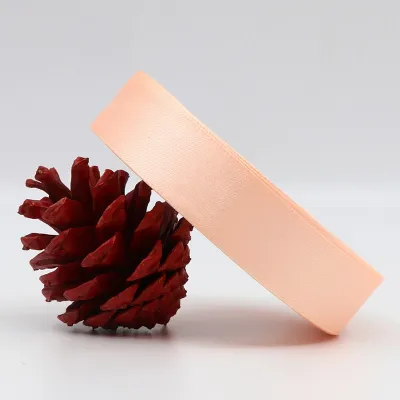
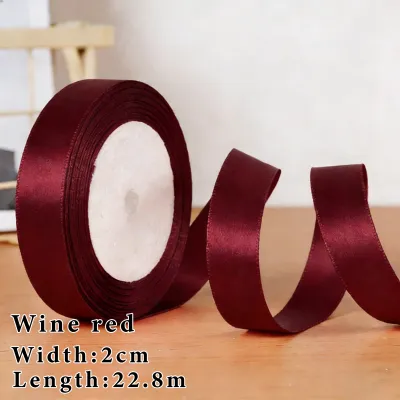
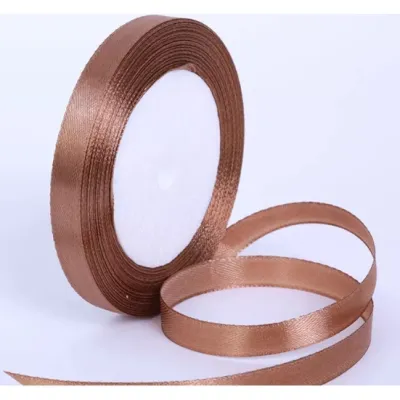
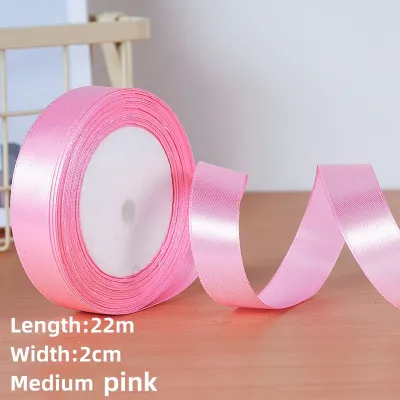
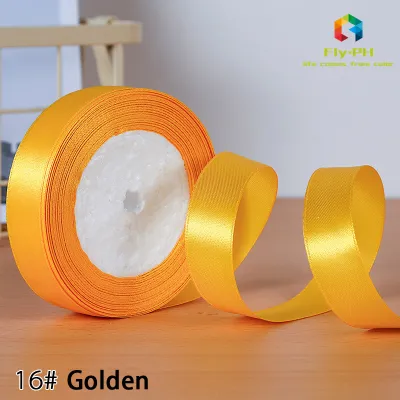
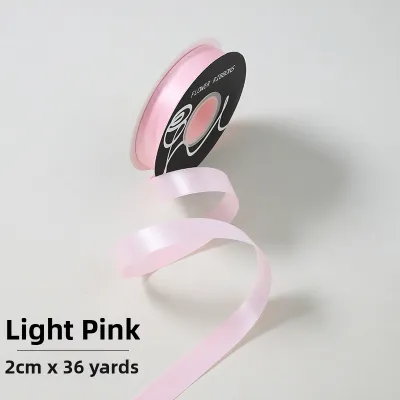
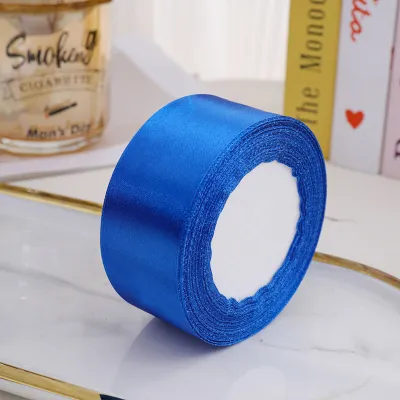
Prices are valid at publication and may change. Please refer to the product page for the latest price.
The material blend of the ribbon directly dictates its drape, shine, and durability. Polyester satin is the most common and resilient option available. It is highly resistant to moisture, making it the ideal choice for humid environments where other fabrics might go limp. Polyester ribbons also resist wrinkling, allowing you to untie and re-tie bows during the wrapping process without leaving permanent creases. Nylon satin is another popular choice, known for its incredibly soft texture and fluid, graceful drape. However, nylon can be more prone to static cling and may stretch slightly under tension.
Acetate satin is a stiffer, budget-friendly alternative often used for mass packaging or floral arrangements. While it is highly economical when purchasing in bulk, acetate is prone to permanent creasing and can feel papery to the touch. If you make a mistake while tying a bow with acetate ribbon, the fold lines will remain visible, making it difficult to achieve a clean, professional look. For high-quality gift wrapping, prioritizing polyester or nylon blends will yield much more forgiving and luxurious results.
Thickness and weight are also critical indicators of quality. A premium 2cm satin ribbon should have a dense, tight weave that feels substantial between your fingers. If you hold the ribbon up to the light and can see wide gaps between the threads, the ribbon is too flimsy. Flimsy ribbons lack the structural body required to hold a knot, causing the loops of your bow to collapse and sag. Conversely, a ribbon that is too thick or heavily starched will resist knotting, resulting in bulky, awkward knots that easily slip loose over time.
Assessing Surface Finish and Sheen Levels for Different Gifts
The visual texture and light reflection of a satin ribbon set the tone for your entire gift presentation. Satin ribbons are broadly categorized into single-faced and double-faced varieties. Single-faced satin features a high-gloss, silky finish on one side and a dull, slightly rougher matte finish on the reverse. While single-faced ribbon is more economical, it requires careful twisting and manipulation during the bow-tying process to ensure that only the shiny side faces outward. Double-faced satin, on the other hand, is identical on both sides, making bow-tying effortless and ensuring a flawless presentation from every angle.

Matching the sheen level of the ribbon to the occasion and the wrapping paper is essential for a cohesive design. High-gloss satin reflects light sharply, creating a vibrant, festive look that is perfect for holiday celebrations, children’s birthdays, and colorful party favors. For more formal occasions, such as weddings, corporate giveaways, or minimalist presentations, a matte-satin or semi-dull finish is often preferred. This subtle, sophisticated glow pairs beautifully with textured papers, kraft paper, or matte-finished gift boxes, lending an understated elegance to the package.
When shopping online, identifying high-quality weaving requires close inspection of product images and verified buyer photos. Look for a uniform, unbroken reflection of light across the surface of the ribbon. Low-quality ribbons often exhibit horizontal lines, tiny snags, or dull patches where the weaving machine skipped a thread. In physical stores, run your thumb gently along the ribbon’s surface; it should feel perfectly smooth and silky. Any roughness, fuzziness, or uneven texture indicates low-grade fibers that will likely fray or pill when handled.
Comparing Edge Treatments: Wired vs. Soft-Edge Ribbons
The choice between wired-edge and soft-edge ribbons depends entirely on your bow-tying skills and the structural style you wish to achieve. Wired-edge ribbons feature a very thin, flexible wire embedded along both outer borders, usually encased within a tight decorative stitch. This wire acts as a hidden skeleton, allowing you to sculpt voluminous, dramatic bows with multiple loops that hold their shape indefinitely. If a wired bow gets flattened during transport or storage, you can easily fluff the loops back to their original shape with a quick tug, making it highly forgiving for beginners.
Soft-edge ribbons, which include woven-edge and cut-edge varieties, rely solely on the natural drape of the fabric. Woven-edge ribbons are finished with a tight, integrated border that prevents the fabric from unraveling while maintaining a soft, fluid drape. These are ideal for creating classic, flat bows that lie close to the box, or for wrapping gifts that will be stacked, as the ribbon will not bend permanently out of shape. Cut-edge ribbons, by contrast, are made by slicing wide sheets of satin into 2cm strips using heat to seal the edges. While highly affordable, cut-edge ribbons are prone to fraying along the sides and can feel scratchy to the touch.
If you opt for a wired-edge ribbon, it is crucial to inspect the quality of the wire casing. In poorly manufactured ribbons, the wire can easily slip out of its stitched channel, exposing sharp metal ends. These exposed ends can snag delicate wrapping paper, tear the satin fabric, or even scratch your hands while you are tying the bow. Ensure the wire is securely locked within the woven border and that the ends of the ribbon are cut cleanly with sharp fabric shears at an angle to prevent the wire from sliding out.
Verifying Color Fastness and Dye Consistency
Color bleeding is a significant risk that can completely ruin a beautifully wrapped gift. In warm, humid environments, moisture in the air can reactivate unstable dyes in the ribbon, causing the color to bleed directly onto light-colored wrapping paper, gift boxes, or even the gift item itself. Saturated, deep shades such as crimson red, navy blue, emerald green, and black are particularly prone to dye transfer. To protect your presentation, it is essential to verify the color fastness of your ribbon before committing it to a valuable gift.
A simple, non-destructive spot test can quickly confirm whether a ribbon’s dye is stable. Cut a small 5cm piece of ribbon from the end of the roll. Dampen a clean white cotton cloth or a sturdy paper towel with room-temperature water. Place the ribbon strip on the damp cloth and press down firmly with your fingers for approximately thirty seconds. Lift the ribbon and inspect the white cloth; if you see even a faint trace of color transfer, the dye is unstable. This ribbon should not be paired with light-colored wrapping papers or porous gift boxes.
Dye consistency is another factor to consider, especially when wrapping multiple gifts for a large event like a wedding or corporate launch. Ribbon manufacturers dye fabrics in large batches called dye lots. Subtle variations in water temperature, chemical balance, or dye concentration can cause noticeable color shifts between different batches. When purchasing multiple spools of 2cm satin ribbon, check the packaging labels for matching dye lot numbers. Additionally, if your wrapped gifts will be displayed near sunny windows or at outdoor venues, look for ribbons that claim UV resistance to prevent the vibrant colors from fading under direct sunlight.
Building Your Ribbon Shortlist: Online and In-Store Verification
To build a reliable shortlist of 2cm satin ribbons, you must combine smart online filtering with careful physical inspection. When shopping on local e-commerce platforms, avoid generic listings that only offer vague descriptions. Instead, filter your search results using specific terms like “double-faced polyester satin ribbon 2cm” or “woven-edge satin ribbon.” Pay close attention to the customer review section, specifically looking for photos uploaded by verified buyers. These real-world images are invaluable for verifying the true color, actual width, and sheen of the ribbon under natural lighting.
If you prefer to shop in physical stationery or craft stores, take the opportunity to conduct a hands-on quality check. Inspect the sides of the ribbon spool; a high-quality roll should have clean, flat edges with no loose threads or visible fraying. Unwind a small section of the ribbon to check for static electricity. Ribbons that cling aggressively to your hands or clothes will attract dust and pet hair, making them frustrating to work with during wrapping. The ribbon should unwind smoothly and lie relatively flat without excessive curling or twisting.
Before making your final purchase, calculate the exact length of ribbon required to avoid running out mid-project. To determine the ribbon length needed for a standard cross-band wrap with a classic bow, you can use a simple formula: multiply the length of your box by two, the width by two, and the height by four, then add an extra 50 centimeters to accommodate the bow loops and tails. For example, a box measuring 20cm long, 15cm wide, and 10cm high would require approximately 160 centimeters (or 1.6 meters) of ribbon. Comparing the cost per meter in ₱ will help you decide whether to purchase individual pre-cut bundles or invest in a highly cost-effective full spool.
Frequently Asked Questions (FAQ)
Can I use fabric glue instead of tying a bow with 2cm satin ribbon?
Yes, fabric glue is a highly effective alternative to traditional bow-tying, especially when you want to achieve a sleek, minimalist look or secure a flat band of ribbon around a box. When choosing an adhesive, look for specialized fabric glues or clear-drying craft glues that remain flexible once cured. Avoid using standard hot glue guns on delicate synthetic ribbons like nylon or acetate, as the high temperature can melt or warp the plastic fibers, leaving unsightly lumps.
The primary risk when using liquid glue on satin ribbon is bleed-through. Because satin is a woven fabric, thin or low-density ribbons can easily absorb liquid adhesives, causing the glue to seep through to the shiny outer surface and leave permanent, dark stains. To prevent this, always apply the glue sparingly using a toothpick or a fine-tip applicator. It is highly recommended to test the adhesive on a small scrap piece of both the ribbon and your wrapping paper first to ensure the glue dries completely clear without warping the paper or staining the fabric.
How should I store leftover 2cm satin ribbon to prevent creasing?
To maintain the smooth finish and structural integrity of your leftover 2cm satin ribbon, always store it on its original spool or a cylindrical cardboard core. Wrapping ribbon tightly around flat pieces of cardboard or folding it will create sharp, permanent crease lines that are incredibly difficult to remove, even with a low-temperature iron. Secure the loose end of the ribbon to the spool using a small straight pin, a paper clip, or a strip of low-tack painter’s tape; avoid using standard cellophane tape, which can leave a sticky, ruinous residue on the satin fibers.
Store your ribbon spools in a cool, dry place away from direct sunlight and high humidity. Prolonged exposure to sunlight will fade vibrant dyes, while damp environments can encourage mold growth or weaken the adhesive holding the spool together. Finally, avoid stacking heavy items directly on top of soft-edge ribbons. Excessive weight can permanently crush the delicate satin weave, flattening the edges and stripping the ribbon of its natural, luxurious drape.

Community discussion
Share your experience or ask a question. Comments are reviewed before publication.