
Choosing quality pop beads in the Philippines requires balancing mechanical durability, material safety, and project suitability. Unlike traditional bead crafting that relies on strings, wires, and clasps, pop beads use a self-contained snap-fit mechanism. This makes them highly convenient, especially in tropical climates where metal findings can tarnish quickly from humidity and sweat. To find the best options, you must inspect the peg-and-socket connections, verify the plastic composition, and match the bead sizes to the wearer’s age and design goals.
The popularity of DIY jewelry making has grown significantly, serving as both a creative outlet and a screen-free activity for children and hobbyists alike. Pop beads offer a unique entry point into this world because they eliminate the need for specialized tools like jewelry pliers, bead tips, or crimp beads. This accessibility makes them a favorite for classroom activities, rainy-day entertainment, and interactive play dates. However, because the entire structural integrity of the jewelry relies on the physical connection between individual beads, selecting a high-quality set is essential to avoid frustration.
Whether you are planning a school art project, sourcing materials for a children’s party, or experimenting with playful, retro-style fashion accessories, the quality of your beads directly impacts the crafting experience. Low-quality beads can lead to frustration when pieces refuse to stay connected, while poorly finished plastics can cause skin irritation. By understanding what to look for in terms of material standards and manufacturing quality, you can ensure your jewelry-making projects are both enjoyable to create and durable enough to wear.
Products mentioned in this guide
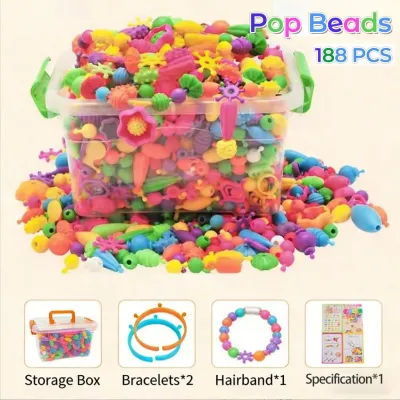
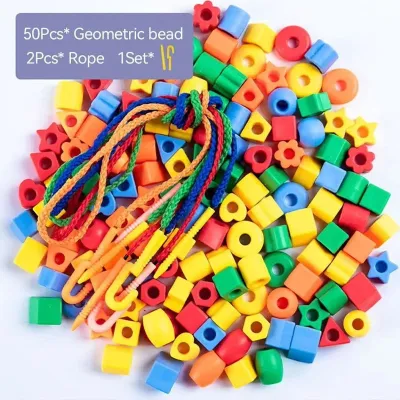
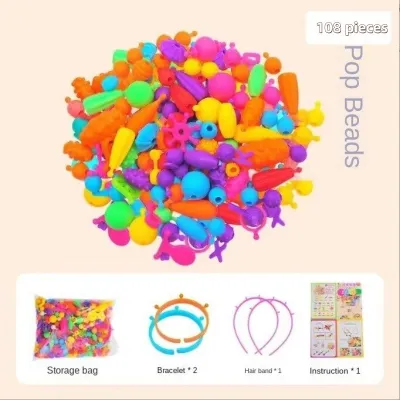
Prices are valid at publication and may change. Please refer to the product page for the latest price.
Key Features to Evaluate When Buying Pop Beads
The primary appeal of pop beads lies in their simplicity, but this simplicity depends entirely on precise manufacturing. When evaluating potential purchases, the first and most critical element to inspect is the snap-fit mechanism. A high-quality pop bead features a well-engineered peg (the male connector) and socket (the female connector). The peg should have a slight, consistent ridge at its tip that clicks firmly into a corresponding groove inside the socket of the adjoining bead. This friction-fit design must provide enough resistance to hold the jewelry together during movement, yet remain flexible enough for hands to connect and disconnect without causing pain or fatigue. If the plastic used is too rigid, snapping the beads together can bruise fingertips; if it is too soft, the connections will quickly stretch out and fail.
In the tropical climate of the Philippines, environmental factors like heat and humidity can affect the performance of plastic toys. Cheap plastics tend to soften and warp when exposed to high ambient temperatures, which can permanently ruin the snap-fit mechanism. High-quality pop beads are designed to maintain their structural integrity across a wider temperature range, ensuring that the pegs do not become brittle in air-conditioned rooms or overly pliable during warm outdoor play.
Material safety is another non-negotiable factor, particularly because these items are designed for hands-on play and prolonged skin contact. Always look for clear packaging labels indicating that the beads are non-toxic and free from Bisphenol A (BPA). High-quality pop beads are typically molded from food-grade plastics like low-density polyethylene (LDPE) or polypropylene (PP). These materials are chosen for their safety, durability, and slight flexibility. Avoid products that emit a strong, chemical odor upon opening, as this is often a sign of low-grade recycled plastics or harmful chemical additives. Checking for age-grade markings on the packaging also helps ensure the product aligns with the developmental stage of the intended user.
Uniformity in manufacturing is the final pillar of quality evaluation. Because pop beads are produced via injection molding, minor defects can easily occur if the manufacturer’s quality control is lacking. Inspect the beads for “flashing,” which refers to the thin, sharp excess plastic that can seep out along the mold seams during production. Quality beads should have smooth, clean edges with no visible seams that could scratch the skin. Additionally, check that the connection pegs are perfectly centered and straight. Deformed, bent, or off-center pegs will not align properly with the sockets, rendering those specific beads useless and creating waste in your crafting kit.
Matching Pop Bead Sizes and Shapes to Jewelry Projects
Pop beads come in a wide array of dimensions, and selecting the right size is essential for both the comfort of the wearer and the success of the jewelry piece. Large pop beads, typically measuring between 15mm and 25mm, are ideal for early childhood development, sensory play, and bold statement accessories. For toddlers and young children, these oversized beads are easy to grasp, helping to build hand strength and fine motor coordination. In terms of design, large beads work best for chunky necklaces or decorative garlands. Their substantial size means fewer connections are needed to complete a piece, which is perfect for shorter attention spans.

Medium-sized pop beads, ranging from 8mm to 12mm, are the most versatile option for standard jewelry-making projects. This size category offers the perfect balance between flexibility and structural integrity. Medium beads drape naturally around the wrist or neck, allowing you to create comfortable bracelets, anklets, and everyday necklaces that mimic the movement of traditional strung beads. They are small enough to allow for varied color patterns and sequences, yet large enough to be handled easily by school-aged children and adults alike. If you are purchasing a general-purpose craft kit, ensuring it contains a high proportion of medium-sized beads will give you the greatest design flexibility.
Small or specialized shapes, such as beads under 8mm, rings, flower charms, and headband bases, add intricate detail to your creations. These specialized pieces are excellent for crafting delicate rings, detailed drop earrings, or complex multi-layered bracelets. Because they require more precise finger dexterity to assemble, they are best suited for older children, teenagers, and adult hobbyists. Many high-quality kits include these unique shapes as accent pieces to complement standard round beads, allowing crafters to experiment with texture, dimension, and focal points in their jewelry designs.
When planning a project, it is also helpful to consider how different sizes can be combined. A well-designed necklace might feature a sequence of medium beads leading up to a large, eye-catching focal bead in the center, flanked by smaller accent shapes. This layering technique not only creates visual interest but also helps distribute the weight of the jewelry evenly, preventing premature wear on the snap connections.
Safety and Durability Checks for Wearable Crafts
Once your pop bead jewelry is assembled, performing a few quick safety and durability checks will ensure the pieces can withstand daily wear. The first check is a simple tension test. Hold the completed necklace or bracelet by its ends and apply a gentle, steady pull. The connections should remain secure without snapping apart. If the jewelry separates under minimal tension, it indicates that the pegs or sockets are worn out or poorly sized. This test is especially important for bracelets and anklets, which are subjected to constant movement and accidental tugs throughout the day.
Edge inspection is another vital step, particularly in the warm and humid climate of the Philippines. Sweat can make the skin more sensitive to friction and chafing. Run your fingers firmly over the entire surface of the assembled jewelry, paying close attention to the joints where the beads connect. If you feel any sharp points, rough mold lines, or jagged edges, those beads should be discarded or smoothed down with a fine emery board. Ensuring a completely smooth surface prevents skin irritation and scratches, making the jewelry comfortable to wear for hours at a time.
Choking hazard awareness must always be top of mind when working with pop beads. Because these beads are designed to snap apart easily, they pose a significant risk to children under three years of age who tend to explore objects with their mouths. If you are crafting in a household with toddlers, ensure that all small and medium beads are kept strictly out of reach. Even when working with older children, establish a habit of immediately collecting and disposing of any broken beads or loose pegs, as these small fragments can easily find their way onto the floor and become a hazard.
Furthermore, consider the durability of the colors and finishes. Some cheap pop beads use surface-level paint or metallic coatings that can flake off after minimal use. This flaking not only ruins the appearance of the jewelry but can also transfer to the skin or clothing. Opting for beads where the pigment is fully integrated into the plastic during the molding process ensures that the colors remain vibrant and safe, even after repeated washings and long-term wear.
Sourcing and Verifying Pop Beads in the Local Market
Finding reliable pop beads in the Philippines requires a strategic approach to both online and offline shopping. When browsing online marketplaces, it is easy to be swayed by vibrant, highly edited product photos. To ensure you are getting a quality product, look past the main listing images and focus on the customer review section. Filter the reviews to show those with buyer-uploaded photos and videos. These real-world images provide an accurate look at the actual colors, the quality of the plastic, and whether the beads arrive with excessive flashing or deformities. Pay close attention to reviews that mention how well the beads snap together and whether they hold their connection over time.
If you prefer to shop in person, visiting local stationery stores, toy shops, or craft boutiques allows for a hands-on inspection. Examine the packaging of the pop bead kits carefully. Reputable brands will display clear manufacturer details, safety certifications, and age recommendations on the box or storage tub. Look for sturdy packaging, such as screw-top jars or latching plastic bins, which not only protect the beads during transport but also serve as convenient storage containers to keep your crafting space organized.
Avoiding unbranded, loose bulk packages is generally recommended if you want to guarantee safety and durability. While buying loose beads by the kilo from wholesale markets might seem cost-effective, these products rarely come with material specifications or safety labels. The plastic used in unbranded bulk beads is often more brittle, leading to snapped pegs and split sockets during assembly. Furthermore, without safety certifications, there is no way to verify that the plastic is free from harmful chemicals like lead or phthalates. Investing in packaged kits from established brands or verified sellers ensures a safer, more frustrating-free crafting experience.
Additionally, when purchasing online, check the seller’s overall rating and response rate. Reliable sellers who specialize in educational toys or high-quality craft supplies are more likely to offer genuine products and helpful customer service if you encounter any issues with your order.
Frequently Asked Questions (FAQ)
Are pop beads suitable for adult jewelry making?
While pop beads are primarily designed as developmental toys and children’s crafts, they can certainly be used for adult jewelry making, particularly for playful, retro, or avant-garde fashion styles. However, there are clear design constraints to consider. Pop bead jewelry has a distinct plastic aesthetic and lacks the refined drape of traditional beaded jewelry made with wire or thread. The connections are also less secure than metal clasps, making them less suitable for heavy or high-value designs. For mature fashion accessories, pop beads are best used as quirky accent pieces or combined with other materials to create a unique, mixed-media look.
If you are an adult crafter looking to use pop beads, consider pairing them with high-quality findings, such as sterling silver ear wires or fabric ribbons, to elevate the overall design. This contrast between playful plastic and classic jewelry elements can create a sophisticated, art-school aesthetic that stands out.
How should pop bead jewelry be cleaned and stored?
To maintain the hygiene and longevity of your pop bead jewelry, regular cleaning is recommended, especially after wearing them in warm weather. Wash the beads in warm water mixed with a few drops of mild dish soap, using a soft-bristled brush to gently clean around the peg-and-socket connections. Avoid using harsh chemicals, boiling water, or abrasive cleaners, as these can degrade the plastic, cause the colors to fade, or warp the snap-fit joints. After washing, rinse the beads thoroughly and lay them out on a clean towel to dry completely. Store the dry beads in a cool, dry place away from direct sunlight to prevent the plastic from becoming brittle over time.
Proper storage is equally important for preserving the snap-fit mechanism. Avoid storing assembled jewelry under heavy items, as prolonged pressure can bend the pegs or warp the sockets, making them loose. Keeping the beads disassembled in a partitioned craft organizer not only protects their shape but also makes it easier to plan your next creative design.

Community discussion
Share your experience or ask a question. Comments are reviewed before publication.