
Selecting the perfect sticker rolls for your journal is more than just picking beautiful designs. It requires a careful look at technical specifications, material properties, and adhesive behavior to ensure your layouts remain intact and vibrant over time. In tropical climates like the Philippines, where high humidity can affect paper fibers and adhesive strength, choosing the right roll prevents issues like peeling edges or yellowing pages. By understanding dimensions, material types, and page safety, you can curate a collection that elevates your journaling experience.
Understanding Sticker Roll Dimensions for Your Layout
Standard grid sizes in popular journals (often 5mm) dictate how well a sticker roll fits your layout. Narrow rolls, ranging from 3mm to 15mm, are excellent for creating borders, dividing sections, or highlighting specific lines of text without crowding your pages. On the other hand, wider rolls measuring 30mm to 50mm or more are designed for background scenes, large illustrations, or tearing into organic shapes for collage work.
When browsing online marketplaces or local stationery shops, pay close attention to the total length of the roll, which is typically listed in meters. A roll that is 3 meters long may seem like a bargain, but a 5-meter or 10-meter roll often provides better long-term value for daily journalers. Estimating your usage per project helps you avoid running out of a favorite pattern mid-theme and reduces the frequency of reordering.
Products mentioned in this guide
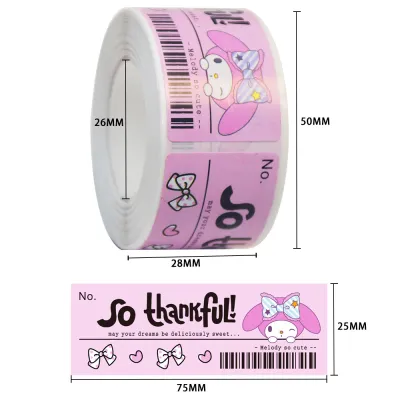
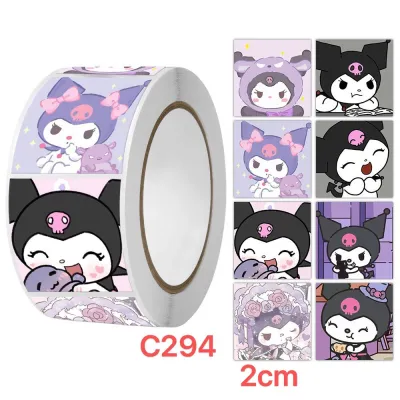
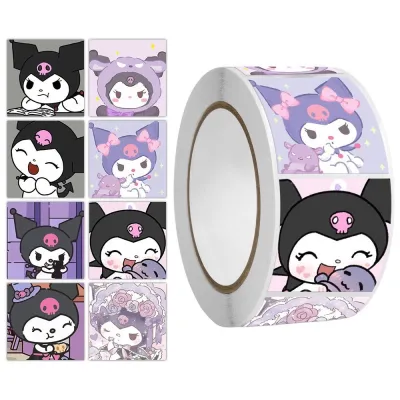
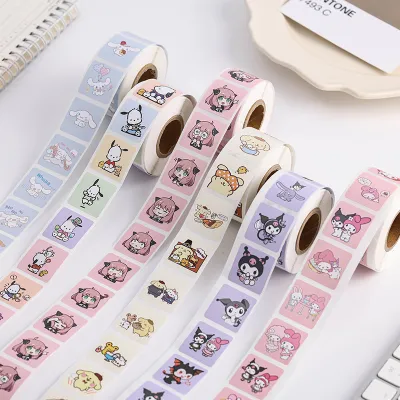
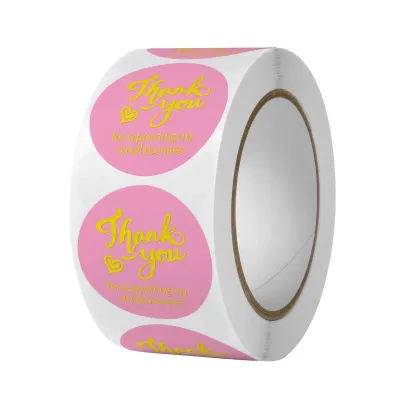
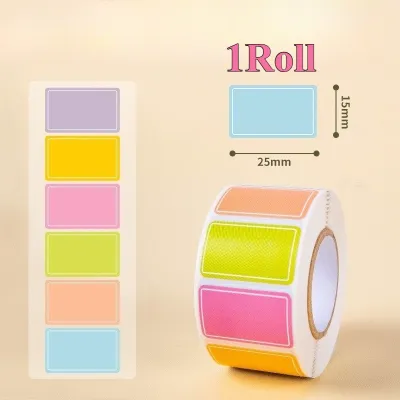
Prices are valid at publication and may change. Please refer to the product page for the latest price.
The physical core of the roll is a critical specification that is easily overlooked. Standard sticker rolls usually feature a 1-inch (approximately 2.5 cm) or 1.5-inch inner core. Ensuring this measurement matches your existing tape dispensers, acrylic storage boxes, or wooden dowel organizers prevents storage frustration and keeps your workspace tidy.
Decoding Material Types and Surface Finishes
Paper-based options, such as traditional Japanese washi paper, offer a soft, fibrous texture and a semi-translucent quality that blends beautifully with journal pages. Matte paper sticker rolls provide a completely opaque background with crisp, high-contrast printing. In contrast, synthetic materials like PET (polyethylene terephthalate) and vinyl are highly durable, water-resistant, and tear-proof, making them ideal for journals that travel with you.

The finish of your sticker roll directly impacts how it interacts with other elements on your page. Matte finishes allow for easy layering and sometimes accept writing, while glossy and transparent finishes offer a sleek, modern look but can resist standard water-based inks. Transparent PET rolls are particularly popular for creating a “seamless” look where the design appears printed directly onto your journal page, though they require precise cutting with scissors or a craft knife.
To avoid disappointment, verify material composition and finish claims by reading the product labels and manufacturer specifications carefully. Marketing terms like “premium feel” or “high-grade” do not guarantee performance. Instead, look for specific material listings like “washi paper,” “clear PET,” or “matte vinyl” to understand exactly how the sticker will behave under different lighting and writing conditions.
Evaluating Adhesive Quality and Page Safety
Repositionable adhesives, commonly found on high-quality washi tapes, allow you to peel, adjust, and move stickers without tearing delicate journal pages. This flexibility is essential for planning layouts or correcting mistakes. Permanent adhesives, often used on vinyl or PET rolls, lock the design in place for long-term memory keeping but offer no room for error once applied to the page.
Page preservation is a major concern for journalers who want their creations to last for years. Look for “acid-free,” “lignin-free,” or “archival-safe” indicators on the packaging. Adhesives that contain acid will eventually turn yellow, degrade the paper fibers, and cause the ink on the opposite side of the page to bleed or fade, a process accelerated by warm, humid environments.
Before applying a new sticker roll to your main journal page, conduct a simple test on a scrap piece of paper or an inconspicuous back page. Apply a small strip, leave it for a few hours, and then observe how it behaves. Check for signs of adhesive bleeding (a greasy halo around the sticker), sticky residue left behind upon peeling, or fibers tearing when you attempt to reposition a supposedly removable tape.
Building Your Sticker Roll Shortlist by Journaling Style
Your journaling style should dictate the specifications of the rolls you purchase. If your focus is functional daily planning, prioritize narrow, opaque paper rolls featuring grids, dates, or minimalist color blocks that you can easily write on. For decorative scrapbooking or mixed-media collages, build your collection around wide, transparent PET rolls with intricate botanical, vintage, or watercolor illustrations.
Successful journal layouts often rely on layering different textures and designs. Balance your selection by choosing a mix of solid or subtly patterned background rolls (such as textured paper or grid patterns) and highly detailed foreground designs. This contrast creates depth on the page, allowing transparent stickers to pop when layered over opaque paper bases.
To finalize your purchase, create a personalized shortlist by cross-referencing your journal’s paper weight (measured in GSM) with your preferred sticker dimensions and materials. If you regularly use heavy fountain pen inks, ensure your sticker materials will not cause ink pooling or smudging. By matching these technical details to your creative habits, you can invest in sticker rolls that are both beautiful and highly functional.
Frequently Asked Questions (FAQ)
How should I store sticker rolls to prevent the adhesive from drying out?
To maintain the longevity of your sticker rolls, keep them away from direct sunlight, high humidity, and extreme heat sources, which can degrade the adhesive backing. Store your rolls flat on their sides or upright in closed drawer organizers, acrylic boxes, or specialized washi tape organizers to prevent dust accumulation and edge crushing. Regularly inspect your collection for early signs of environmental damage, such as edge curling, stiffness, or a loss of tackiness.
Can I write on all types of sticker rolls with standard gel pens?
No, ink compatibility depends heavily on whether the sticker material is porous or non-porous. Porous paper surfaces, such as washi and matte paper, readily accept standard gel pens, ballpoint pens, and fountain pens without smudging. Non-porous synthetic surfaces like glossy paper, vinyl, and transparent PET require specialized writing instruments, such as permanent markers, alcohol-based pens, or multi-surface paint pens. Always test ink drying times and smudge resistance on a small, unused corner of the roll before writing on your final layout.

Community discussion
Share your experience or ask a question. Comments are reviewed before publication.