
Choosing the right stickers for your journal is more than just an aesthetic decision; it is a practical choice that affects how your pages lie, how your pens write, and how well your memories are preserved over time. The ideal sticker depends heavily on your journal’s paper weight, your preferred writing instruments, and the climate in which you write. In warm, humid environments like the Philippines, factors like adhesive degradation and paper warping become crucial considerations when building your layouts.
By understanding the physical properties of different sticker materials, finishes, and adhesives, you can avoid common journaling frustrations such as page bulk, ink smudging, and peeling edges. This guide breaks down the essential characteristics of journal stickers and provides a clear framework for matching them to your specific creative workflow.
Comparing Sticker Materials: Paper, Vinyl, and Puffy
Paper stickers are the traditional backbone of journaling and scrapbooking. Typically made from standard matte paper or semi-translucent washi paper, these stickers blend seamlessly with your journal pages. Washi paper stickers are exceptionally thin and slightly transparent, allowing the texture and grid lines of the underlying page to show through, which creates a beautifully integrated look. Standard paper stickers are completely opaque and offer an excellent surface for writing, as they accept almost any ink type, from standard ballpoints to fountain pens, without smudging. However, paper stickers are highly sensitive to moisture and can curl or tear if exposed to high humidity.
Products mentioned in this guide
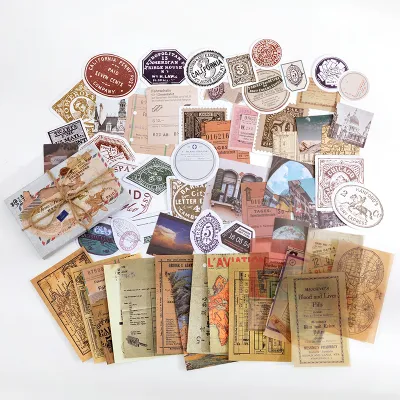
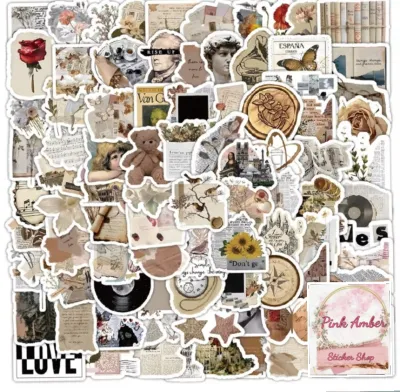
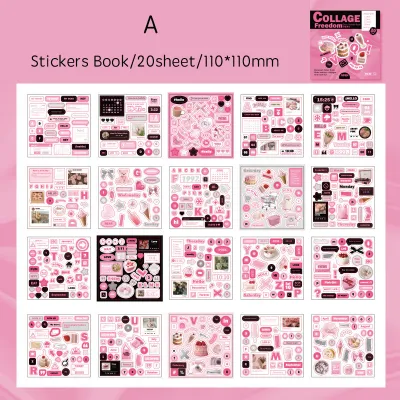
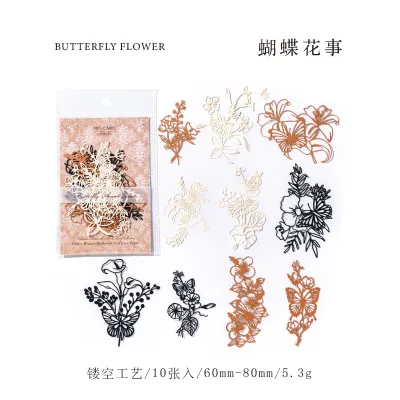
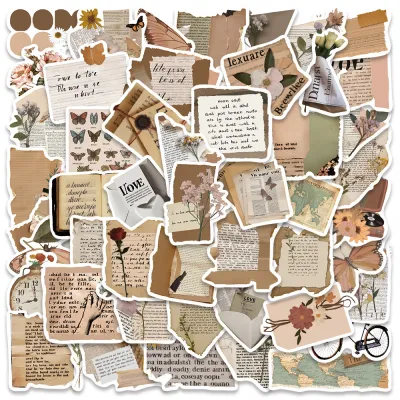
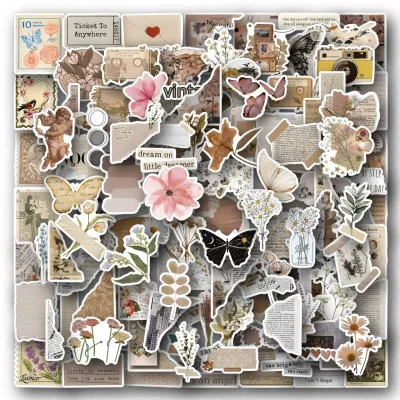
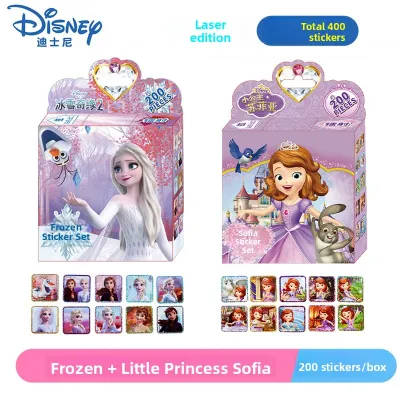
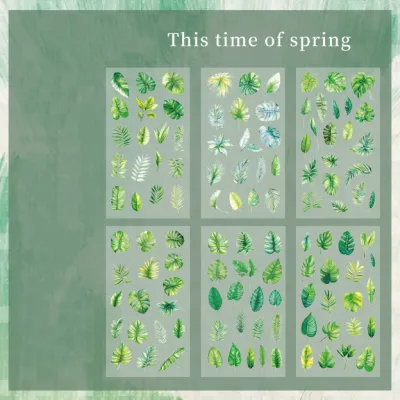
Prices are valid at publication and may change. Please refer to the product page for the latest price.
Vinyl and PET (polyethylene terephthalate) stickers offer superior durability and water resistance. These synthetic materials do not tear, fade, or degrade when exposed to moisture, making them excellent for outer journal covers or pages that undergo heavy handling. Because they are completely waterproof, they protect the printed design underneath from accidental spills. The trade-off is their thickness and surface texture; vinyl stickers are noticeably thicker than paper, and their non-porous surfaces resist water-based inks, meaning standard gel pens will bead up and smudge on them.
Puffy and epoxy stickers introduce a playful, three-dimensional element to your layouts. These stickers are filled with foam or coated in a thick layer of clear resin, creating a raised surface that adds tactile interest and visual depth. While they are excellent for highlighting special entries or creating cover designs, they present significant challenges for daily journaling. The added bulk can make it difficult to write on the reverse side of the page, and a journal filled with puffy stickers will eventually struggle to close flat, putting unnecessary strain on the binding and potentially leaving permanent indentations on adjacent pages.
Choosing the Right Finish and Cut Style
The surface finish of a sticker dictates both its visual impact and its functional utility within your journal. Matte finishes are highly favored for daily planning because they reduce glare under overhead lights and mimic the natural texture of book paper. This texture makes matte stickers highly writable, allowing you to easily add dates, notes, or doodles directly onto the sticker. Glossy finishes, on the other hand, offer high color saturation and contrast, making illustrations pop with vibrant energy. However, glossy surfaces are highly reflective and require specialized permanent markers if you want to write over them.

Specialty finishes like holographic, metallic, and clear designs offer unique decorative opportunities. Holographic and metallic stickers catch the light to create dynamic, eye-catching accents, though they tend to be stiffer and thicker than standard stickers. Clear or transparent PET stickers are highly valued for their ability to display intricate illustrations without a distracting white border, making the artwork look as though it was printed directly onto your journal page. When using clear stickers, keep in mind that any dust or air bubbles trapped underneath during application will remain visible.
How your stickers are cut and packaged also impacts your creative workflow and portability. Die-cut stickers are cut entirely through both the sticker and the backing paper into individual, custom shapes. They are highly collectible and easy to organize in pockets, but peeling the backing off can sometimes be challenging without fine tweezers. Kiss-cut stickers are lightly cut on a single backing sheet, leaving the backing intact so you can easily peel individual designs away. Sticker sheets and kiss-cut layouts are highly portable, sliding easily into the back pocket of your journal for on-the-go writing sessions at a local cafe.
Matching Stickers to Your Journal Paper and Aesthetic
To ensure your stickers stay flat and do not ruin your pages, you must match the sticker material to your journal’s paper weight. Lightweight papers, such as 52 gsm or 68 gsm sheets, are highly sensitive to weight and moisture. Applying heavy vinyl or thick puffy stickers to these delicate pages can cause the paper to sag, warp, or even tear under the weight. For thin paper, lightweight washi stickers or ultra-thin matte paper stickers are the safest choice. Thicker journal papers, such as 120 gsm or 160 gsm cardstock commonly found in bullet journals, can easily support heavy vinyl, layered die-cuts, and dimensional embellishments without warping.
Your personal journaling aesthetic should also guide your material choices. Minimalist planners and bullet journalers often prefer clear PET or matte washi stickers, as these materials blend into the background and maintain a clean, uncluttered layout. If your style leans toward vintage scrapbooking, junk journaling, or highly layered collages, textured paper stickers, kraft paper designs, and opaque die-cuts provide the necessary opacity to layer elements on top of one another without the bottom layers showing through.
Adhesive strength is another critical factor to evaluate based on your journaling goals. Removable or repositionable adhesives are ideal for functional planners, allowing you to move tasks, dates, or decorative borders if your schedule changes. Permanent adhesives are necessary for archival memory keeping, ensuring that photos and decorative elements remain securely attached for decades. In hot and humid climates, low-quality adhesives can become soft, sticky, or lose their grip entirely over time. To prevent your layouts from falling apart, look for high-quality acrylic-based adhesives that resist temperature and humidity fluctuations.
Building Your Sticker Shopping Checklist
When browsing online marketplaces or visiting local stationery shops, having a structured checklist ensures you purchase stickers that are compatible with your specific journal and writing tools. Before adding items to your cart, verify the exact material specifications listed by the seller. Look for clear indications of whether the stickers are made of paper, vinyl, PET, or washi, and check if they are described as writable. If the product description is vague, look at customer reviews for photos of the stickers in actual journals to verify their transparency and thickness.
Always check the dimensions of the sticker sheets and the individual designs. A sticker sheet that looks small on your screen might actually be too large to fit comfortably within the margins of an A6 pocket journal, while tiny icon stickers might get lost on a spacious A5 or B5 page. If you use a grid or dot-grid journal, compare the sticker measurements against your grid spacing to ensure they align perfectly with your columns and rows.
Finally, assess the adhesive quality and paper compatibility through user feedback. Look for reviews from other journalers who mention whether the stickers peel up at the corners, bleed through thin pages, or leave a sticky residue. If you plan to write on your stickers, perform a quick pen test on a small, inconspicuous corner of a sticker sheet when it arrives. This simple check will help you identify which of your favorite gel pens, liners, or brush pens dry quickly on the material without smudging.
Frequently Asked Questions (FAQ)
Can I write on vinyl stickers for my journal?
Standard water-based gel pens, fountain pens, and traditional ballpoints will generally smudge or bead up on glossy vinyl stickers because the surface is non-porous and cannot absorb the ink. If you want to write on vinyl, it is best to choose matte-coated vinyl stickers, which have a slight texture that accepts ink more readily. Alternatively, you can use permanent markers, fine-tip pigment liners, or multi-surface paint pens, allowing the ink to dry completely for several minutes before touching the page.
How do I prevent stickers from peeling off journal pages over time?
To ensure long-term adhesion, make sure your journal page is completely clean and free of hand oils, dust, or wet ink before applying the sticker. When placing the sticker down, press firmly from the center outward to the edges to push out any trapped air and secure the adhesive bond. Avoid placing thick or stiff stickers directly over deep page folds or tight binding curves, as the natural movement of the pages will eventually pull the sticker away from the paper. In humid climates, store your completed journals in a dry, well-ventilated area away from direct sunlight to prevent the adhesive from softening.
Are clear stickers better for minimalist journaling?
Clear PET stickers are highly suited for minimalist journaling because their transparent borders blend completely into white or cream-colored paper, leaving only the clean lines of the artwork visible. This creates a neat, hand-drawn effect without the distracting white outlines often found on standard paper die-cuts. However, clear stickers require careful application to avoid trapping visible air bubbles, and their colors may lose vibrancy or become difficult to see if they are placed on dark, kraft, or highly textured background papers.

Community discussion
Share your experience or ask a question. Comments are reviewed before publication.