
Bullet journaling is a highly personal way to organize your life, combining scheduling, habit tracking, and creative expression. For journal enthusiasts in the Philippines, stickers are indispensable tools that save time while adding visual flair to daily spreads. A 50-sheet sticker book offers an excellent balance of variety, volume, and portability, providing hundreds of designs in a single compact volume. However, choosing the right book requires looking beyond beautiful cover designs to evaluate physical compatibility, paper quality, and adhesive performance under local environmental conditions.
To find the ideal 50-sheet sticker book for your bullet journal, you must consider how the stickers are cut, how the book is bound, and how the materials interact with your journal’s paper. This guide outlines the essential criteria for selecting a sticker book, matching designs to your planning layouts, evaluating adhesive durability in tropical climates, and sourcing high-quality stationery locally.
Core Criteria for Selecting 50-Sheet Sticker Books
When evaluating a 50-sheet sticker book, the first step is understanding how the sheets are structured and how much usable material they actually deliver. A high sheet count does not always translate to a high sticker yield if the designs are spaced too far apart. Conversely, a densely packed book can provide thousands of individual elements, making it a highly cost-effective investment for long-term journaling.
Products mentioned in this guide
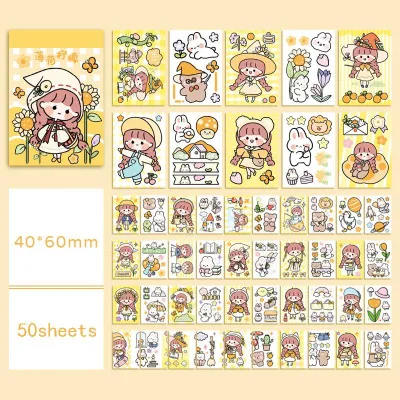
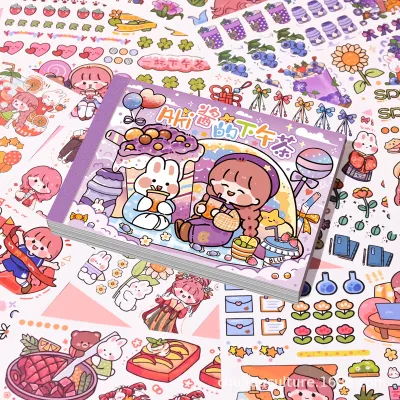
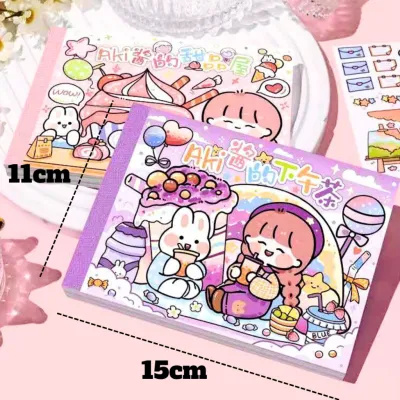
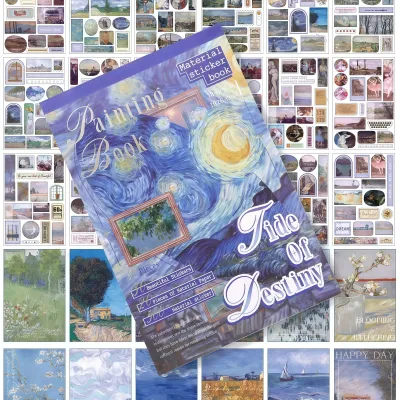
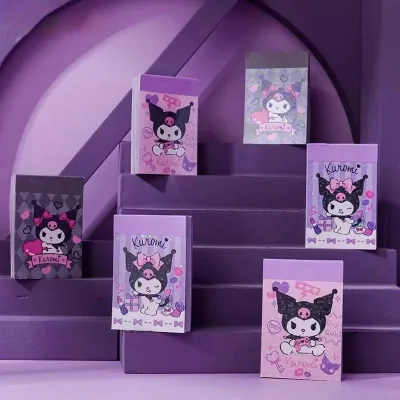
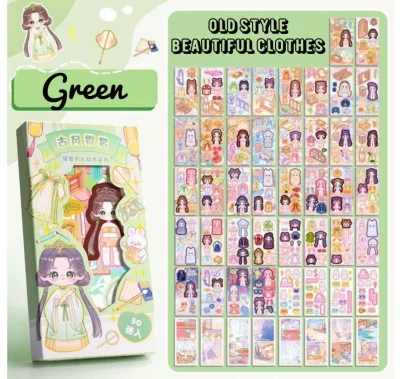
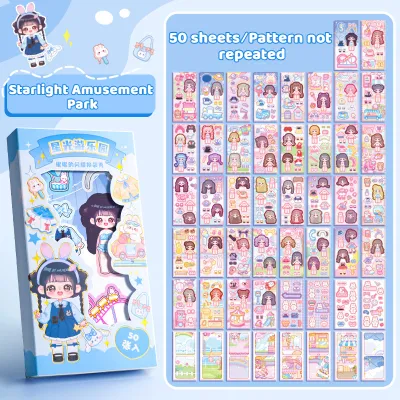
Prices are valid at publication and may change. Please refer to the product page for the latest price.
Sticker books generally feature either die-cut or kiss-cut layouts. Die-cut sheets contain individual stickers cut all the way through both the sticker paper and the backing material, which makes them easy to handle but limits the total number of stickers per page. Kiss-cut sheets feature pre-cut sticker shapes on a continuous backing sheet, allowing manufacturers to pack dozens of small elements, icons, and borders onto a single page. For bullet journaling, where small functional icons and decorative borders are frequently used, kiss-cut layouts generally offer the highest utility.
Size compatibility with your journal is another vital consideration. Most bullet journalers in the Philippines prefer A5 or B6 notebooks due to their balance of writing space and portability. A sticker book that is too large, such as an A4-sized booklet, can be difficult to store alongside your journal and may contain stickers that are too large for standard daily columns. Opting for a sticker book with sheet dimensions that match or are slightly smaller than your journal pages ensures that the stickers will scale naturally within your grids and dotted layouts without overwhelming your written notes.
The binding of the sticker book directly impacts how easily you can use it during a planning session. Spiral-bound sticker books are highly favored because they lay completely flat on your desk, allowing you to flip pages and peel stickers with one hand. Glued bindings offer a sleeker, more compact profile that slides easily into a pencil case or journal cover pocket, but they can be stiff and prone to closing on themselves. Perforated pages represent an excellent middle ground, allowing you to cleanly tear out a specific sheet of stickers to work with individually, which keeps your workspace organized and prevents the rest of the book from getting bent or soiled.
Matching Sticker Designs to Bullet Journal Layouts
A successful bullet journal spread balances functionality with aesthetic appeal, and your sticker book should support both aspects of your planning routine. Before purchasing a 50-sheet book, analyze your journaling style to determine whether you need highly structured organizational tools, purely decorative elements, or a balanced mix of both.

Functional stickers are the backbone of productivity-focused layouts, helping you set up weekly and monthly spreads quickly without drawing every element by hand. Look for sticker books that include dedicated sheets of headers, such as days of the week, months, and numbers for dating blank pages. Habit trackers, blank checkboxes, bullet points, and time-blocking grids are also incredibly useful for managing daily tasks. Having these elements pre-printed in a consistent font and style ensures your journal looks neat and organized, saving you hours of setup time each month.
Decorative stickers allow you to personalize your pages and establish visual themes for different months or sections. Popular design themes include minimalist line drawings, lush botanical illustrations, vintage ephemera, and cozy watercolor scenes. When choosing a sticker book, look for a cohesive color palette and design language that spans the entire 50 sheets. This consistency allows you to create harmonious multi-page spreads, such as a monthly cover page, weekly layouts, and mood trackers, all sharing the same aesthetic theme without looking mismatched.
The opacity and material of the stickers play a major role in how they look when layered over your journal’s grid or dotted pages. Washi paper stickers are semi-translucent, mimicking the texture of traditional Japanese masking tape; they blend softly into the page, allowing the underlying dots or grid lines to show through slightly, which creates a beautiful, integrated look. Clear PET stickers are completely transparent except for the printed design, making them perfect for layering over colored inks, watercolor washes, or other stickers without creating harsh white borders. Matte paper stickers are fully opaque, which is ideal for covering up writing mistakes, creating bold headers, or blocking out sections of a page.
Design variety within a single 50-sheet book is essential to prevent your journal from looking repetitive over time. A well-designed sticker book should offer a diverse mix of sticker sizes and shapes. This includes large focal stickers for cover pages, medium-sized accent pieces for framing text, and tiny filler elements like stars, sparkles, or small leaves to fill empty spaces. Ensure the book does not simply repeat the same designs in different colors, as a truly versatile book will keep your layouts feeling fresh and inspiring throughout the entire year.
Evaluating Paper and Adhesive Quality
The physical quality of a sticker book determines how easy the stickers are to write on, how well they adhere to your journal pages, and how they interact with your favorite writing instruments. Because stationery quality varies widely, knowing how to evaluate these materials will save you from the frustration of ruined pages or peeling stickers.
The weight and finish of the sticker paper dictate its compatibility with different pens. Matte paper stickers are the most versatile option for bullet journalers because their slightly textured surface accepts almost all writing instruments, including gel pens, brush pens, fine liners, and even fountain pens, with minimal risk of smudging. Glossy paper and plastic-based PET stickers have a slick, non-porous surface that repels water-based inks. If you plan to write dates or notes directly onto your stickers, glossy finishes will require permanent markers or specialized pigment liners, and you must allow extra drying time to prevent accidental smearing.
Adhesive strength is a critical factor, particularly in the tropical climate of the Philippines, where high humidity can affect how glue behaves over time. Sticker adhesives generally fall into two categories: repositionable and permanent. Repositionable stickers use a low-tack acrylic adhesive that allows you to gently peel and adjust the sticker if you misalign it during placement. This is highly forgiving for beginners but requires high-quality paper to prevent the edges from curling up later. Permanent adhesives form a strong, immediate bond with the paper fibers, ensuring the sticker remains flat and secure for years, but they will tear delicate journal pages if you attempt to remove them.
Bleed-through and ghosting are common concerns when using wet inks, such as juicy brush pens or fountain pen inks, directly on top of stickers. While the sticker itself acts as an extra layer of protection for your journal page, thin or low-density sticker paper can still allow ink to soak through to the backing and onto the page below. To minimize this risk, look for paper stickers with a substantial weight (ideally 80 GSM or higher) and avoid applying heavy layers of water-based ink to very thin washi-style stickers.
To ensure compatibility between your sticker book and your specific journal, always perform a safe patch test before starting a major layout. Select a small, unused corner of a sticker sheet or a tiny, non-essential decorative sticker from the book. Apply it to a scrap page or the inside back cover of your bullet journal, pressing it down firmly. Leave it in place for 24 hours, observing how the adhesive reacts to the paper. Check if the sticker edges lift, if the adhesive causes the journal paper to warp or show oily discoloration, and how difficult it is to peel off. This simple test prevents unexpected damage to your primary planning pages.
Sourcing and Verifying Sticker Books in the Philippines
Finding high-quality 50-sheet sticker books in the Philippines requires a strategic approach, as local availability can vary significantly between physical retail stores and online platforms. While major brick-and-mortar bookstores in urban centers carry a selection of stationery, online marketplaces and specialized e-commerce platforms often offer a much wider variety of designs and formats.
When navigating online marketplaces, use precise search terms such as “50 sheets sticker book,” “washi sticker booklet,” or “50-sheet journaling sticker pad” to filter out single sheets or small packs. Many independent stationery boutiques and local importers curate high-quality sticker books from international manufacturers, offering unique aesthetics that you may not find in mainstream retail chains. Be sure to check the product specifications carefully to confirm the sheet count and dimensions before placing an order.
User reviews are your most valuable tool for verifying the quality of a sticker book before purchasing. Look specifically for feedback from local buyers who can speak to how the stickers perform in the Philippine climate. Pay close attention to reviews that mention common manufacturing defects, such as adhesive failure (stickers peeling off the page within days), paper tearing easily when peeled from the booklet, or misaligned cutting lines that cut off parts of the printed designs. A high volume of positive reviews mentioning smooth peeling and strong adhesion is a good indicator of reliable quality.
Always verify the seller’s rating and look for listings that include unedited, real-life photos of the actual sticker sheets rather than relying solely on polished digital renders. Digital mockups can make colors appear significantly more vibrant and lines sharper than they are on the physical paper. Real-life photos taken by previous buyers or the seller themselves provide a much more accurate representation of the color saturation, paper texture, and overall print quality.
Finally, compare the price per sheet to evaluate the overall value of the book. To do this, divide the total price of the sticker book (including local shipping fees) by 50. For example, a sticker book priced at ₱250 with a ₱50 shipping fee costs a total of ₱300, which equates to ₱6 per sheet. Comparing this unit price across different sellers helps you identify fair pricing and avoid overpaying for standard designs. Keep in mind that while extremely cheap options (such as books under ₱100) are tempting, they often use lower-grade adhesives that may degrade quickly in humid conditions, making a slightly higher investment in a reputable brand worthwhile.
Frequently Asked Questions (FAQ)
Can I use sticker books on thin bullet journal paper?
Yes, you can use sticker books on thin bullet journal paper, but it requires careful handling. Many popular journals feature lightweight paper, ranging from 52 GSM to 80 GSM, which is highly susceptible to tearing and warping under the tension of strong adhesives. High-tack stickers can easily pull up the delicate wood fibers of thin paper, causing permanent damage if you try to adjust their placement.
To safely lift or reposition a sticker on thin paper, avoid pulling it straight upward, as this concentrates the pulling force on a small area of the page. Instead, peel the sticker back very slowly at a flat, 180-degree angle, keeping it as close to the page surface as possible. If the adhesive is particularly stubborn, you can apply gentle heat from a hairdryer on its lowest setting for three to five seconds; this warms and softens the acrylic glue, allowing the sticker to release smoothly without ripping the paper.
If your journal uses exceptionally delicate paper, such as Tomoe River paper, it is best to opt for low-tack washi paper stickers. Washi stickers use a mild adhesive that is naturally easy to reposition and gentle on thin fibers. Alternatively, look for static-cling or ultra-thin matte stickers designed specifically for lightweight planners, which minimize bulk and reduce the risk of page warping.
How do I store 50-sheet sticker books to prevent damage?
Proper storage is essential for preserving the quality of your 50-sheet sticker books, especially in the tropical climate of the Philippines. High humidity and elevated temperatures can cause sticker adhesives to break down, becoming either overly gooey and messy or drying out completely and losing their stickiness.
To protect your collection, store your sticker books in a cool, dry room away from areas prone to moisture, such as open windows, laundry areas, or damp concrete walls. Avoid exposing the books to direct sunlight, as ultraviolet rays will quickly fade the printed inks, warp plastic-based PET stickers, and cause the paper backing sheets to curl. Over time, sun exposure can also bake the adhesive, making the stickers permanently fuse to their backing sheets.
The best practice is to store your sticker books flat or vertically in a snug, dedicated organizer box. Keeping them flat prevents the pages from sagging or warping under their own weight, which can damage the binding over time. For maximum protection against humidity, place your sticker books inside an airtight plastic storage container along with a few packets of silica gel to absorb excess moisture, ensuring your stickers remain crisp, vibrant, and perfectly sticky for your future bullet journal spreads.

Community discussion
Share your experience or ask a question. Comments are reviewed before publication.