
Selecting the right document organizer for documents in a Filipino household requires balancing daily accessibility with long-term protection against tropical environmental factors. Rather than relying on a single storage box, an effective home filing system matches the physical characteristics of your paperwork to the specific design of the organizer. This approach ensures that vital records remain undamaged, while active bills and school notices stay within easy reach. By evaluating your household’s paper volume, understanding the strengths of different organizer formats, and checking critical material specifications, you can establish an orderly system that simplifies document retrieval and protects your family’s important information.
Assessing Your Home Filing Needs and Space
Before choosing an organizer, it is helpful to categorize your household paperwork by how often you need to handle it. High-frequency papers like monthly utility bills, internet statements, and school permission slips circulate constantly. These items need to be highly visible and easily reachable so they are not overlooked or misplaced. In contrast, long-term archival documents—such as birth certificates, marriage contracts, land titles, vehicle registration papers, and insurance policies—are accessed rarely but require maximum protection from physical wear, dust, and moisture.
Next, measure the specific areas in your home where you plan to store files. Consider desktop surfaces, drawer depths, and bookshelf heights. In many homes, workspace is shared among family members, making a compact footprint highly desirable. A vertical step file or a slim desktop sorter can maximize limited desk space, while deep drawers might be better suited for horizontal expandable files or hanging folders. Knowing these dimensions beforehand prevents the frustration of buying an organizer that is too tall for your shelves or too wide for your desk.
Products mentioned in this guide
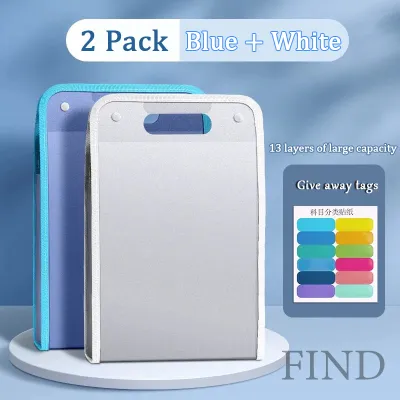
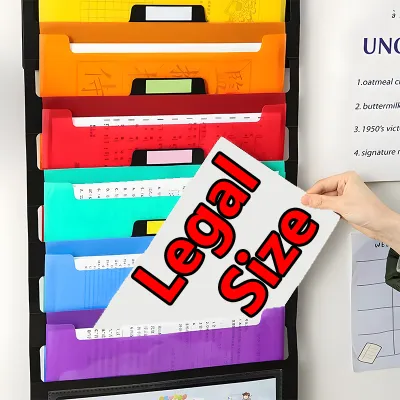
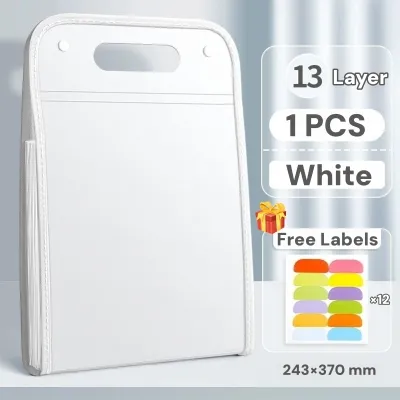
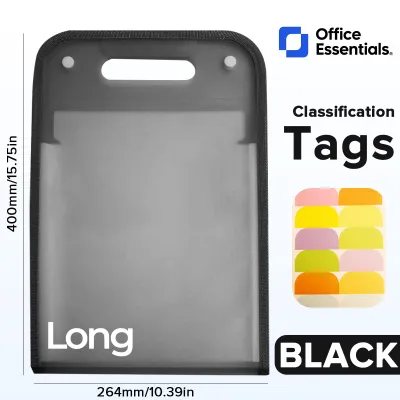
Prices are valid at publication and may change. Please refer to the product page for the latest price.
Finally, think about who has access to the storage area and what security measures are necessary. If you have young children or pets, open desktop trays might expose sensitive papers to accidental spills, tears, or scribbles. For sensitive personal data or financial records, you may want to look for organizers that can fit inside a lockable drawer or cabinet. Additionally, living in a region prone to seasonal typhoons and heavy rains means having a portable, water-resistant organizer for your most critical documents is a practical safety measure.
Matching Document Organizer Types to Home Scenarios
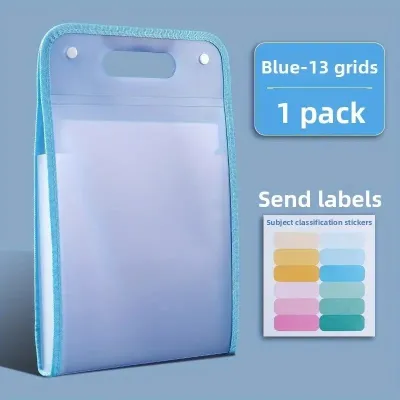
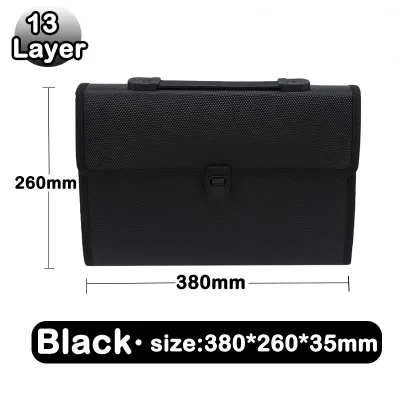
Expandable files, often called accordion organizers, are excellent for categorizing diverse, long-term archives in a single, self-contained unit. They feature multiple internal pockets with tab dividers, allowing you to separate documents by category, family member, or chronological year. When selecting an expandable file, verify the number of pockets—typically ranging from 12 to 24—to ensure it matches your categorization plan. It is also important to check if the base of the file expands fully, which provides stability and prevents the unit from tipping over when it is fully loaded with heavy paper.

Desktop sorters and step files are designed for managing active, daily-flow documents that require immediate attention. These open-style organizers keep incoming mail, unpaid bills, and ongoing school modules visible, preventing them from being forgotten in a closed drawer. When evaluating these units, check the tier count and the base footprint to ensure stability on your desk. Sorters made of heavy plastic or metal wire are less likely to slide or tip over when holding thicker folders or notebooks. Ensure the slots are wide enough to accommodate multi-page documents without bending the corners.
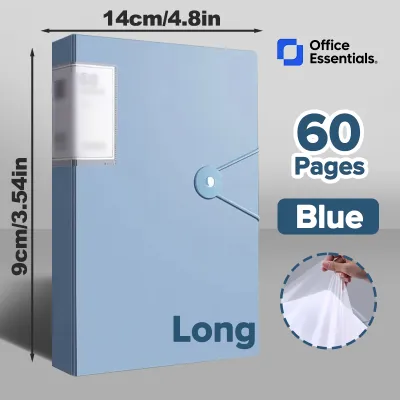
Multi-pocket portfolios and binders are highly suited for protecting single-page vital records or documents that you need to transport frequently, such as medical records for clinic visits or academic transcripts for job applications. These organizers feature clear plastic sleeves bound into a book-like format, keeping papers flat, clean, and free from fingerprints. Inspect the inner sleeve material to ensure it is non-stick and acid-free, which prevents ink from transferring from the document to the plastic over time. Examine the binding mechanism—whether welded or ring-bound—to ensure it can handle repeated page-turning without tearing.
Storage boxes with dividers are designed for bulk historical records, tax archives, or old school projects that you must keep but rarely need to access. These boxes can be stacked in closets or on high shelves to save active living space. Assess the structural rigidity of the box, especially if it is made of cardboard or thin plastic, to ensure it will not collapse under the weight of other stacked items. Look for secure lid closures, such as latching buckles or tight-fitting lids, to prevent dust, insects, and moisture from entering the storage compartment.
Key Specifications to Check Before Purchasing
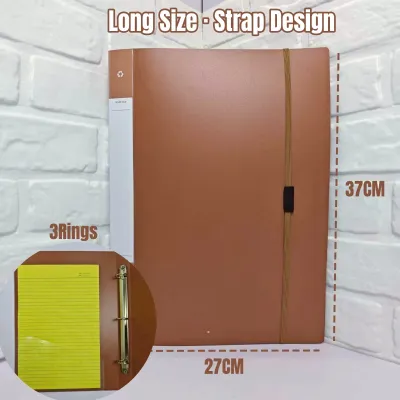
In the Philippines, household documents commonly come in three main sizes: A4 (210 x 297 mm), Letter or “short” paper (8.5 x 11 inches), and Legal or “long” paper (8.5 x 13 inches or 8.5 x 14 inches). Many standard imported organizers are designed strictly for A4 or Letter sizes. If you try to store local legal-sized documents (such as land titles, contracts, or school diplomas) in them, the edges will stick out, leading to fraying, bending, or tearing. Always check the exact internal dimensions listed by the manufacturer to confirm that long documents will fit completely inside the closed organizer.
The choice of material directly impacts durability and document safety. Polypropylene (PP) plastic is highly popular because it is lightweight, water-resistant, and easy to wipe clean. If choosing cardboard organizers, look for reinforced edges or fabric-wrapped borders, as raw cardboard corners tend to split and fray quickly in humid conditions. Inspect internal seams, plastic welds, and metal rings. Rough edges or poorly finished metal parts can snag papers, causing accidental tears when you retrieve or file documents.
Evaluate how the organizer closes. Common options include plastic snaps, zippers, Velcro, or elastic bands. Zippers offer the most complete enclosure, keeping out dust and crawling insects, which is particularly useful for long-term storage. Elastic bands and snaps are faster to open but may leave small gaps at the sides where dust can settle. Ensure the closure mechanism is securely attached to the body of the organizer so it does not tear off under tension.
An organizer is only useful if you can find what is inside. Look for products that feature built-in labeling systems, such as clear plastic tab slots on dividers or exterior label holders. Verify if the product includes blank paper inserts for these tabs, or if you will need to create your own. Having a dedicated, visible slot for custom identification makes it easy to update the organizer’s contents as your household needs change over the years.
Building a Sustainable Home Filing Routine
Establish a consistent categorization logic that matches your household’s lifestyle. You can organize files by family member, by document type (e.g., health, finance, education), or chronologically by year. Avoid mixing different categorization systems within the same organizer, as this leads to confusion and misplaced files. Clearly label each section so that every family member knows exactly where to find and return specific documents.
Set a regular purging schedule to keep your organizers from overflowing. A quarterly or annual review is ideal for identifying expired bills, outdated school notices, and old receipts that can be safely discarded. Use a cross-cut paper shredder to destroy documents containing personal information, such as bank statements or utility bills, to protect your family’s privacy. Keeping only what is necessary ensures your organizers remain uncluttered and easy to navigate.
Implement a digital backup strategy for highly critical physical documents. Scanning important papers and saving them to a secure cloud drive or external hard drive reduces your reliance on physical storage. Having digital copies allows you to access information instantly on your phone or computer, meaning you only need to retrieve the physical original when absolutely necessary. This practice also provides peace of mind in case the physical documents are damaged or lost.
Frequently Asked Questions (FAQ)
How do I protect important documents from high humidity?
High relative humidity can cause paper to become damp, warp, or develop mold. To protect your records, place silica gel packets inside enclosed storage boxes, expandable files, or portfolios to absorb excess moisture. Remember to check and replace these packets periodically, as they lose effectiveness once saturated. Avoid storing vital documents in damp areas of the home, such as near exterior walls, under sinks, or in unventilated closets. For ultra-critical items, place them inside individual plastic sleeves or sealed zip-top bags, ensuring the paper is completely dry before sealing to avoid trapping moisture inside.
What is the best way to store fading thermal receipts?
Thermal receipts, such as those from supermarkets, gas stations, and utility payment centers, are highly sensitive to heat, light, and friction. To slow down fading, store them in a cool, dark, and dry place away from direct sunlight. Avoid using PVC-based plastic sleeves or pocket protectors, as the plasticizers in PVC can react chemically with the thermal coating and accelerate the fading process. Because thermal ink inevitably degrades over time, the safest approach for important receipts (such as appliance warranties or tax-deductible expenses) is to photocopy them onto standard paper or scan them digitally for long-term archiving.
Should I keep original copies or photocopies in my main organizer?
It is best to separate your original vital documents from the papers you use for daily administrative tasks. Keep original birth certificates, marriage contracts, land titles, and insurance policies in a highly secure, dust-proof, and easily portable organizer that you can quickly grab in an emergency. For daily reference, such as school enrollments, bank applications, or utility verifications, keep photocopies or digital printouts in your main desktop sorter or active binder. Clearly label your files to distinguish between originals and duplicates, reducing the risk of accidentally misplacing or damaging irreplaceable documents during routine filing.

Community discussion
Share your experience or ask a question. Comments are reviewed before publication.