
Selecting the best finger paint for kids’ school art classes in the Philippines requires balancing vibrant color performance with strict safety standards and easy cleanup. In a tropical classroom environment—where high humidity and warm temperatures are the norm—paint behaves differently than it does in cooler climates. Standard school papers, such as cartolina, construction paper, and drawing books, demand a paint formulation that spreads smoothly without soaking through or warping the page. For teachers and parents alike, finding a product that supports sensory development while remaining entirely hassle-free is the key to a successful, stress-free art session.
Finger painting is more than just a creative pastime; it is a vital sensory activity that helps young learners develop fine motor skills, hand-eye coordination, and spatial awareness. However, because this medium involves direct, prolonged skin contact, the choice of paint cannot be made on color alone. The ideal classroom paint must be thick enough to stay on busy fingers, vibrant enough to show up clearly on budget-friendly school papers, and formulated to wash out of school uniforms without leaving permanent stains. By understanding what to look for on product labels and how to manage these materials in a classroom setting, you can curate an art toolkit that inspires creativity while keeping cleanup manageable.
Key Requirements for School-Grade Finger Paints
Classroom art activities require paints with specific physical properties to ensure a smooth, frustration-free experience for young students. The first critical factor is viscosity and texture. High-quality finger paint must have a thick, creamy, or gel-like consistency that clings to small fingers without dripping immediately. In warm Philippine classrooms, lower-quality paints can quickly thin out and become runny, leading to messy spills down a child’s arms or off the edges of the desk. A thixotropic formulation—one that remains thick in the container but becomes smooth and spreadable under the pressure of a finger—provides the perfect balance of control and ease of use.
Products mentioned in this guide
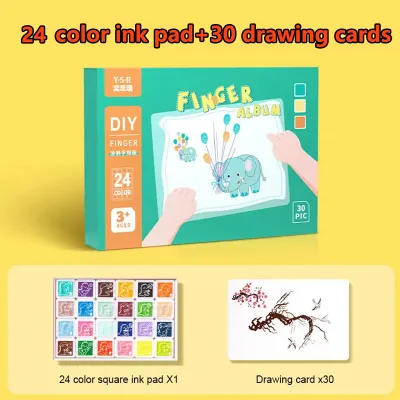
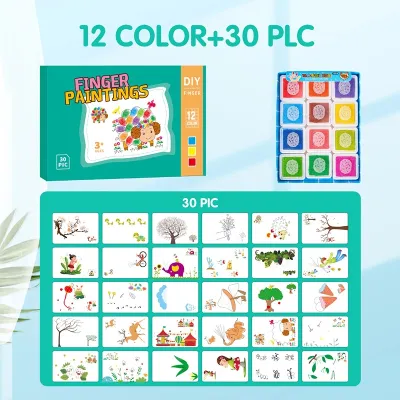
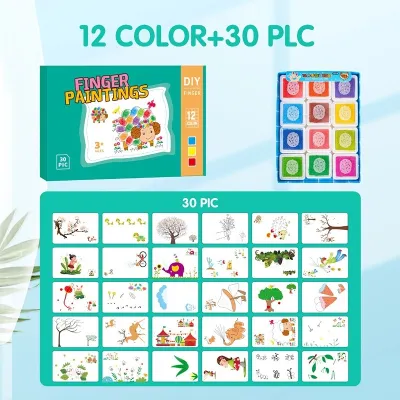
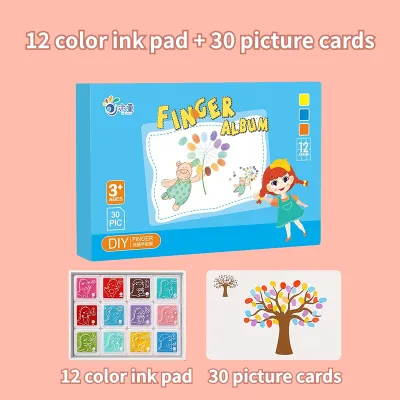
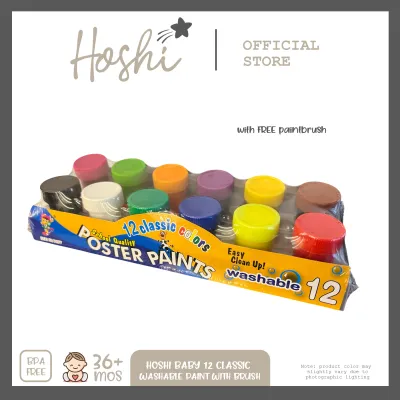
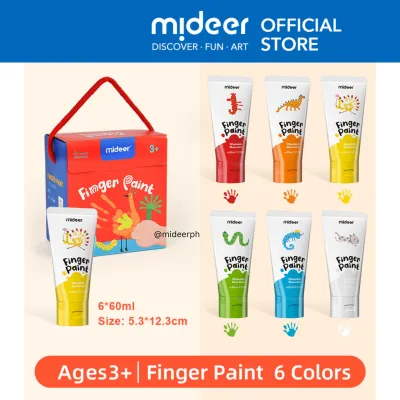
Prices are valid at publication and may change. Please refer to the product page for the latest price.
Color vibrancy and opacity are equally important when working with standard school-grade papers. Many classrooms rely on absorbent, budget-friendly mediums like newsprint, construction paper, or local cartolina. If a paint is too watery or lacks sufficient pigment, the colors will look dull, translucent, or muddy once absorbed into the paper fibers. High-quality finger paints use rich, child-safe pigments that maintain their distinct hues even when blended. This ensures that a child’s yellow and blue mixtures result in a bright, recognizable green rather than a washed-out gray, reinforcing early lessons in color theory.
Drying time and the final finish of the paint can make or break a structured school lesson. In a typical class period, students have a limited window to complete their work before the papers must be stored or taken home. Paint that dries too slowly remains vulnerable to smudging, tearing, and sticking to other projects when stacked. Conversely, paint that dries too quickly can skin over on the child’s hands, making it difficult to blend colors on the page. The ideal school-grade paint dries to a smooth, matte, or semi-gloss finish within a reasonable timeframe, allowing projects to be handled safely by the end of the school day.
How to Verify Safety and Washability Claims
Because finger painting involves direct skin contact and the inevitable accidental taste test, verifying safety claims is the most critical step in the selection process. Do not rely solely on generic marketing terms like “eco-friendly” or “100% safe.” Instead, look for recognized international safety certifications printed directly on the packaging. The AP (Approved Product) seal from the Art and Creative Materials Institute (ACMI) indicates that the product has been evaluated by qualified toxicologists and contains no materials in sufficient quantities to be toxic or injurious to humans. Similarly, the CE mark with an EN71 certification demonstrates compliance with European toy safety standards, which strictly limit heavy metal content and chemical migration.

Washability is another area where manufacturer claims must be verified through careful observation and testing. A truly washable finger paint should dissolve easily with warm water and mild soap from both skin and common school uniform fabrics, such as cotton-polyester blends. However, washability is rarely absolute; highly pigmented colors like deep blue, green, and red are more prone to leaving faint stains on porous surfaces or delicate textiles. To prevent surprises, conduct a quick spot test: apply a small dab of paint to a scrap piece of fabric, let it dry completely, and then wash it according to the manufacturer’s instructions to observe how cleanly the pigment releases.
Ingredient transparency is vital for protecting children with sensitive skin or specific allergies. Many traditional finger paints use binders derived from wheat, corn, or dairy, which can pose risks to children with severe food allergies or gluten intolerance. Reputable manufacturers list their primary ingredients or clearly state if their products are free from common allergens. If a product label lacks an ingredient list, contact information, or a batch number, it is best to avoid using it in a group setting where individual student sensitivities may not be fully known.
Building Your Shortlist: Paint Types for Different Classroom Needs
Before purchasing paint supplies, evaluate the specific needs of your student group, the size of the class, and the goals of your art curriculum. Different classroom scenarios require different paint formats, packaging sizes, and formulations to maximize efficiency and minimize waste.
Bulk and Economy Sets for Large Groups
For high-volume, frequent classroom use, purchasing paint in bulk is the most cost-effective approach. Large squeeze bottles or pump-dispenser jugs (typically ranging from 500ml to 1 liter) allow teachers to dispense precise portions into smaller cups, reducing overall waste. When selecting bulk options, pay close attention to the sealing mechanism; wide-mouth jars can dry out quickly if the lids are not cross-threaded or sealed tightly after each use. In humid tropical climates, look for bottles with secure, airtight flip-caps or pump dispensers that minimize the paint’s exposure to open air, which helps prevent the growth of mold or bacteria over the course of the school year.
Hypoallergenic and Certified Options for Sensitive Skin
When working with very young children or students with known skin conditions like eczema, prioritizing hypoallergenic formulations is essential. These paints are typically fragrance-free, dermatologically tested, and free from harsh synthetic preservatives that can trigger contact dermatitis. Before introducing a new paint to a sensitive student, establish a simple patch testing protocol. Apply a small dot of the paint to the child’s inner forearm, wait fifteen minutes, and then gently wipe it away with a damp cloth. Monitor the area over the next twenty-four hours for any signs of redness, swelling, or itching before allowing the child to participate in a full-class painting session.
High-Pigment and Mixable Sets for Advanced Color Theory
For older elementary students who are moving beyond basic sensory play and into structured art lessons, high-pigment sets are highly beneficial. These sets focus on pure primary colors—specifically cyan, magenta, and yellow, or clean variations of red, blue, and yellow—that mix predictably without turning muddy. Instead of large bulk jugs, look for smaller multi-color sets housed in squeeze tubes or individual pots. This format encourages students to practice precise portioning, color mixing, and detailed application, helping them understand how different hues interact on the page while keeping the workspace organized.
Practical Tips for Classroom Management and Storage
Managing a finger painting session with a room full of energetic children requires careful preparation and structured routines to keep the mess contained. One of the most effective ways to control paint consumption and waste is through smart portioning methods. Instead of letting children dip their hands directly into large paint containers, dispense small portions into reusable plastic muffin tins, silicone baking cups, or shallow plastic palettes. This not only limits the amount of paint each child can use at one time but also prevents cross-contamination, ensuring that the paint remaining in the main bottles stays clean and free of dirt or moisture.
Proper storage is critical for maintaining the shelf life and consistency of water-based finger paints, especially in tropical climates. High heat and humidity can accelerate the separation of pigments and binders, and can also encourage the growth of mold inside opened bottles. Always store paint containers in a cool, dry, and dark cabinet away from direct sunlight and classroom windows. Ensure that all caps are wiped clean of excess paint before sealing, as dried paint around the rim can prevent an airtight seal, causing the remaining paint to dry out into a rubbery, unusable mass.
Establishing a clear, step-by-step cleanup routine before the paint bottles are even opened will save valuable time at the end of the lesson. Cover school desks with reusable plastic tablecloths, laminated placemats, or layers of old newspapers to protect the furniture. Keep a bucket of warm, soapy water and a stack of damp rags directly at each table group so students can wipe the bulk of the paint off their hands before walking to the classroom sink. This simple step prevents paint-covered hands from smudging classroom walls, doorknobs, and faucets, making the final cleanup quick and orderly.
Where to Source and Verify Authenticity
To ensure you are purchasing genuine, safe, and high-quality finger paints, always source your supplies through authorized retail channels. Established school supply stores, official brand stores on reputable e-commerce platforms, and direct educational distributors are the safest options. Avoid purchasing extremely cheap, unbranded paint sets from unauthorized third-party sellers on online marketplaces, as these products often bypass safety inspections, lack proper labeling, and may contain harmful levels of heavy metals or industrial solvents.
When your paint shipment arrives, take a moment to perform a quick quality and authenticity check. Verify that the packaging features clear batch codes, manufacturing dates, and expiration dates. Most water-based finger paints have an unopened shelf life of two to three years from the date of manufacture. Inspect the safety seals on bulk bottles to ensure they have not been tampered with or broken during transit. If you notice any unusual separation, a sour or rancid odor, or a rubbery texture upon opening a new bottle, contact the seller immediately.
Before making a large purchase for an entire school grade or semester, verify the retailer’s return and exchange policies. Reputable suppliers should offer clear return windows for products that arrive damaged, dried out, or separated. Purchasing a single sample set to test in your classroom before committing to a bulk order is an excellent way to verify that the paint meets your standards for viscosity, color quality, and washability under local classroom conditions.
Frequently Asked Questions (FAQ)
Can regular acrylic paint be used instead of finger paint for kids?
No, regular acrylic paint should not be used as a substitute for finger paint. Acrylic paints are formulated with acrylic polymer binders that dry into a water-resistant, plastic-like film. Once dry, acrylic paint is incredibly difficult to wash out of clothing and can adhere strongly to skin, requiring harsh scrubbing that can cause irritation. Furthermore, standard acrylic paints are not formulated for direct, prolonged skin contact and may contain pigments or preservatives that can trigger allergic reactions or skin irritation in young children.
How do you fix separated or thickened finger paint?
If your finger paint has slightly thickened or separated due to temperature changes, you can often restore its consistency by stirring it thoroughly with a clean wooden craft stick. If the paint remains too thick, add distilled water one teaspoon at a time, mixing thoroughly after each addition until the desired creamy texture is restored. Do not use tap water, as it can introduce bacteria that will cause the paint to spoil or grow mold. If the paint has completely dried into a solid, rubbery block, or if it emits a sour, unusual odor, it cannot be salvaged and must be discarded for safety reasons.

Community discussion
Share your experience or ask a question. Comments are reviewed before publication.