
Finding the perfect satin ribbon roll on local e-commerce platforms requires matching the ribbon’s physical properties to your specific project. Whether you are wrapping a delicate gift box, assembling a bridal bouquet, or crafting hair bows, the ribbon’s width, edge finish, and material thickness dictate how well it holds its shape and resists fraying. In the tropical climate of the Philippines, where high humidity can affect fabric stiffness and adhesive performance, selecting the right type of satin ribbon ensures your creations remain pristine and professional. By understanding how to verify product specifications and evaluate material quality, you can confidently select rolls that offer both excellent value and beautiful results.
Key Factors When Buying Satin Ribbon Rolls
When browsing online marketplaces, product listings can sometimes be confusing, with varying measurements and descriptions. To make an informed purchase, you must evaluate several critical factors that directly influence the ribbon’s performance and appearance.
First, pay close attention to width and length variations. Ribbon widths are commonly listed in millimeters, centimeters, or inches, while roll lengths are typically measured in yards or meters. For instance, a standard roll might be labeled as 25 yards (approximately 22.8 meters). To avoid running out of material mid-project, always verify these dimensions on the product label or description. If the listing is unclear, check the customer reviews or ask the seller directly to confirm whether the measurements are accurate, as some budget rolls may have slightly less yardage than advertised.
Products mentioned in this guide
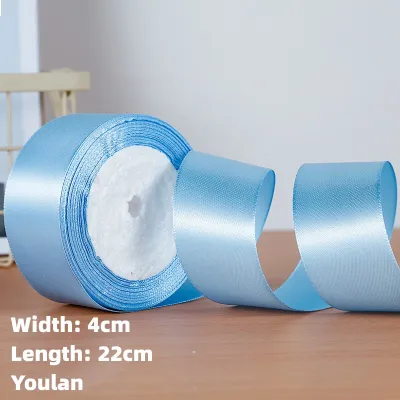
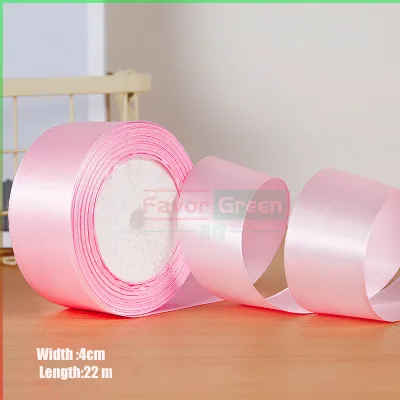
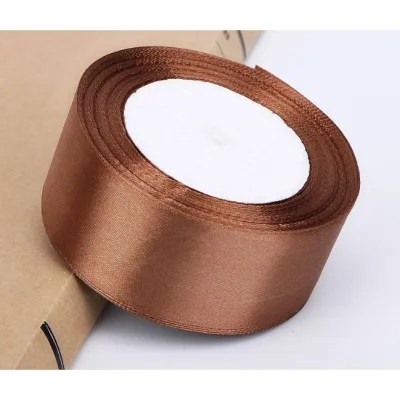
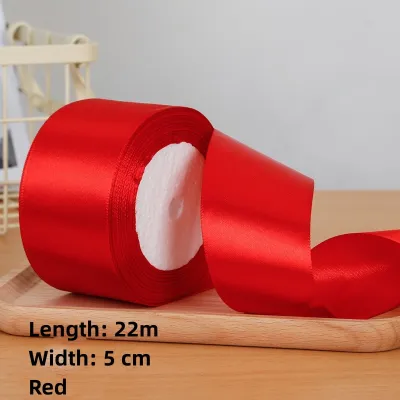
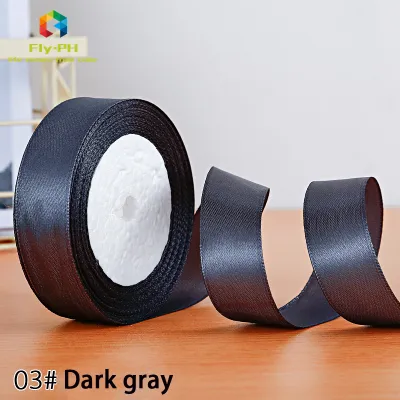
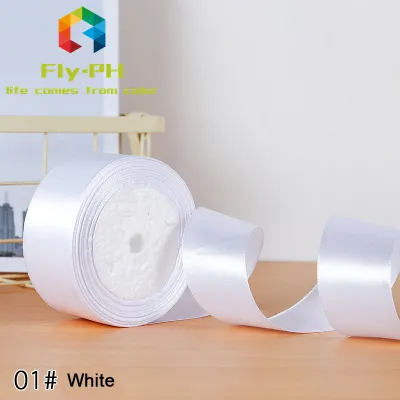
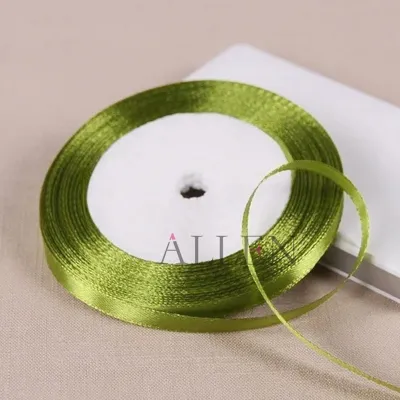
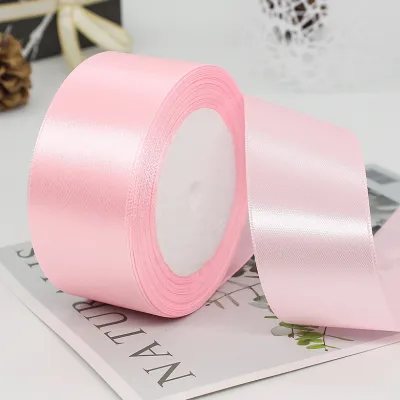
Prices are valid at publication and may change. Please refer to the product page for the latest price.
Second, consider the edge finishing type, which determines how the ribbon behaves when cut and shaped. Raw cut edges are the most common and affordable, but they are highly prone to fraying if not treated. Heat-sealed edges are fused during manufacturing to prevent unraveling, making them ideal for straight runs. Wired edges contain a thin, flexible wire embedded along both sides, allowing you to bend, sculpt, and hold complex shapes easily.
Third, evaluate the material thickness, sheen level, and the difference between single-faced and double-faced satin. Single-faced satin is smooth and glossy on one side, with a matte, slightly rougher texture on the reverse. It is cost-effective and works well when only one side of the ribbon is visible, such as when gluing it flat onto a surface. Double-faced satin features a luxurious, silky finish and high sheen on both sides. This is essential for projects where both sides of the ribbon are exposed, such as hanging decorations, intricate bows, or hair accessories.
Finally, colorfastness and care instructions are vital, especially if the ribbon will be used for wearable items or exposed to moisture. In humid environments, low-quality dyes can bleed or transfer onto lighter fabrics or skin. Look for manufacturer specifications indicating that the ribbon is colorfast and washable. If this information is missing, you can perform a simple home test by dampening a small piece of the ribbon and pressing it against a white paper towel to check for color transfer before starting your project.
Recommended Satin Ribbon Types by Use Case
Not all satin ribbons are created equal, and using the wrong type can lead to frustrating results, such as limp bows, frayed edges, or bleeding colors. By categorizing your projects, you can identify the specific ribbon characteristics needed to achieve a professional finish.

The trade-off between structural support and soft drape is the most critical decision point. Wired ribbons provide the structural integrity needed for large, dramatic bows, while unwired ribbons offer a soft, flowing drape that moves naturally. Before checking out your online shopping cart, use a quick checklist to verify the roll’s value: calculate the cost per meter, confirm the material composition (polyester is the most common and durable for general crafts), and ensure the width matches your design requirements.
For Gift Wrapping and Presents
Gift wrapping relies heavily on visual impact and the ability of a ribbon to hold a neat, crisp bow. For standard-sized gift boxes, ribbon widths between 1 inch (25mm) and 1.5 inches (38mm) are generally the most versatile, providing a balanced proportion without overwhelming the package. If you are wrapping smaller jewelry boxes, a narrower 1/4-inch (6mm) or 3/8-inch (9mm) ribbon adds a delicate, elegant touch.
Using double-faced satin is highly recommended for prominent gift bows. Because both sides are equally glossy, your loops and tails will look flawless from every angle, eliminating the need to carefully twist the ribbon during the tying process to hide a matte reverse side. If you want to create oversized, dramatic bows that stand upright and resist crushing during transport, opt for wired-edge satin. The thin wire allows you to fluff and reshape the loops easily, ensuring the gift looks stunning upon presentation.
To estimate the required length per roll, consider the volume of gifts you plan to wrap. A simple wrap around a medium box with a standard bow typically requires about 1.5 to 2 meters of ribbon. If you are wrapping ten similar gifts, a single 25-yard (22.8-meter) roll will be more than sufficient. For complex, multi-looped bows, you may need up to 3 meters per gift, so planning your yardage beforehand prevents mid-wrapping shortages.
For Floral Bouquets and Arrangements
Floral arrangements require ribbons that complement the natural beauty of the blooms without distracting from them. For stem wrapping and binding bridal or celebratory bouquets, narrower widths ranging from 1/2 inch (12mm) to 1 inch (25mm) are preferred. These widths wrap tightly around stems, providing a secure grip and a clean, streamlined appearance that is easy for a person to hold comfortably.
Moisture resistance is a critical consideration when working with fresh flowers. Because bouquets are often kept in water or misted to maintain freshness, the ribbon must withstand damp conditions. Polyester satin is naturally moisture-resistant and less likely to sag or lose its sheen when wet compared to nylon or cotton blends. Always check the manufacturer’s specifications to ensure the ribbon is suitable for floral use and will not bleed dye onto the stems or the holder’s hands when exposed to water.
When selecting colors and sheen levels, aim for harmony. Soft, pastel shades with a subtle, low-gloss sheen work beautifully with delicate spring flowers, while rich, deep tones like burgundy, emerald, or navy complement bold, structured arrangements. Avoid overly shiny, metallic-finish ribbons for natural bouquets, as they can look artificial and overpower the organic textures of the foliage and petals.
For Hair Accessories and Wearable Crafts
Creating hair bows, headbands, and wearable crafts demands a high level of comfort and safety, as these items come into direct contact with the skin and hair. For these applications, you must prioritize soft, unwired, and smoothly finished edges. Wired ribbons should be avoided entirely for hair accessories, as the exposed wire ends can scratch the scalp, snag hair, or cause discomfort during wear.
Verifying colorfastness and washability is non-negotiable for wearables. Hair accessories are exposed to sweat, hair oils, styling products, and occasional washing. Check the product label to ensure the ribbon is machine-washable or hand-washable and that the dyes are stable. Low-quality ribbons may bleed when exposed to hairspray or rain, leaving stains on hair or clothing.
Additionally, inspect the ribbon for quality indicators upon delivery. High-quality satin ribbons should be supple and free from harsh chemical odors, which often indicate the use of cheap dyes or toxic processing agents. Avoid ribbons that feel excessively stiff or paper-like; this stiffness is usually caused by heavy sizing agents that will wash out, leaving the ribbon limp and lifeless after the first wash.
For General DIY and Decorative Crafts
For large-scale DIY projects, such as wedding chair sashes, party banners, or holiday home decor, budgeting and material compatibility are key. When purchasing in bulk, calculate the cost per meter rather than just looking at the price per roll. Often, buying a 100-yard bulk spool is significantly more economical than purchasing multiple 25-yard rolls, especially when decorating large venues.
Material compatibility with adhesives is another crucial factor. If your craft involves gluing ribbon to wood, cardboard, or plastic, test a small piece first. Polyester satin works well with hot glue guns, fabric glue, and double-sided craft tape. However, because satin has a smooth, non-porous surface, very thin ribbons may allow hot glue to seep through, causing unsightly dark spots or burns. For delicate projects, a specialized fabric glue or high-tack double-sided tape is often the safest and cleanest option.
Finally, consider how the ribbon is packaged. Ribbons wound tightly around a sturdy plastic or cardboard spool are less likely to develop permanent creases during shipping and long-term storage. Avoid buying loose, folded ribbons packaged in flat plastic bags, as the sharp creases can be difficult to iron out without damaging the delicate synthetic fibers of the satin.
Comparing Ribbon Widths and Edge Finishes
To help you select the exact specifications for your next project, the table below outlines common ribbon widths, their ideal applications, and their visual impact.
| Ribbon Width | Common Applications | Visual Impact |
|---|---|---|
| 1/8 inch (3mm) to 1/4 inch (6mm) | Gift tags, delicate jewelry packaging, scrapbooking accents | Delicate, minimalist, and subtle |
| 3/8 inch (9mm) to 1/2 inch (12mm) | Small gift boxes, party favors, braided headbands | Neat, classic, and proportional |
| 1 inch (25mm) to 1.5 inches (38mm) | Standard gift wrapping, floral bouquets, hair bows | Bold, elegant, and highly visible |
| 2 inches (50mm) and wider | Large car bows, chair sashes, grand opening ribbons | Dramatic, luxurious, and structural |
When comparing edge finishes, wired edges are unmatched for structural shaping but are unsuitable for wearables due to safety risks. Heat-sealed edges offer excellent resistance to fraying and are perfect for straight decorative borders, though they lack flexibility. Raw cut edges are highly flexible and drape beautifully, but they require manual sealing to prevent the threads from unraveling over time.
Upon receiving your ribbon rolls, always verify the dimensions using a standard ruler. Check the edges for consistency; high-quality ribbons should have clean, straight edges without loose threads or uneven melting from the heat-sealing process. If you notice any defects, contact the seller immediately before cutting into the roll.
How to Store and Prevent Satin Ribbon Fraying
Proper maintenance and storage are essential to preserve the luster and structure of your satin ribbon rolls, especially in the tropical climate of the Philippines. High humidity can soften the sizing agents in the ribbon, making it limp, while excess moisture can encourage mold growth on cardboard spools.
To store your ribbons correctly, keep them wound tightly on their original spools or cardboard cores. Secure the loose ends with a small straight pin, a piece of low-tack painter’s tape, or a specialized ribbon clip. Avoid using standard adhesive tape, as it can leave a sticky residue that ruins the satin surface. Store your spools horizontally on a ribbon rack or vertically inside a clear plastic storage bin with a tight-fitting lid to protect them from dust and pests.
Environmental factors play a major role in fabric preservation. Keep your storage bins in a cool, dry place away from direct sunlight, which can fade vibrant colors over time. If you live in a highly humid area, placing a few silica gel packets inside your storage container will help absorb excess moisture and keep your ribbons crisp and dry.
When cutting satin ribbon, always use sharp fabric shears to ensure a clean cut. Dull scissors will chew the fibers, causing immediate fraying. To seal raw cut edges, you can use a commercial fray preventative liquid or a simple heat-sealing method. If using a lighter, hold the cut edge of the ribbon near—but not directly in—the blue base of the flame for a fraction of a second. The heat will melt the synthetic fibers, creating a tiny, sealed bead. Always perform this in a well-ventilated area, away from flammable materials, and supervise children closely. If the ribbon is made of natural fibers like silk or cotton, heat-sealing will not work, as these materials burn rather than melt; in such cases, use a fabric sealant instead.
Frequently Asked Questions (FAQ)
Can I wash satin ribbons used on clothing or hair accessories?
Yes, but you must always check the manufacturer’s care label first to confirm the material composition and washing instructions. Most polyester satin ribbons can be gently hand-washed in cold water using a mild detergent. Avoid machine-washing or tumble-drying, as the intense agitation can cause the edges to fray or twist. If the ribbon has a wired edge, is attached to glued components, or uses non-colorfast dyes, avoid water exposure entirely, as moisture can rust the wire, dissolve the adhesive, or cause the colors to bleed.
How do I stop the edges of my satin ribbon from fraying?
The most effective way to prevent fraying is to seal the cut edges immediately. For synthetic ribbons like polyester, heat-sealing with a lighter or a hot wire cutter melts the fibers together securely. Alternatively, you can apply a thin layer of clear fabric sealant or commercial fray preventative along the edge. When using heat tools or chemical sealants, always work in a well-ventilated space and follow strict fire safety precautions. If you prefer to avoid edge treatment entirely, look for pre-cut, factory heat-sealed ribbon rolls or choose wired ribbons with pre-finished edges.

Community discussion
Share your experience or ask a question. Comments are reviewed before publication.