
Scrapbooking is a deeply personal art form that allows crafters to preserve memories, tell stories, and explore visual themes. Among the various design styles, the vintage aesthetic remains incredibly popular for its warm, nostalgic, and timeless appeal. Whether you are documenting family history, preserving travel memories, or keeping a daily journal, vintage stickers add texture, depth, and character to your layouts. However, finding the right vintage stickers in the Philippines requires careful consideration of materials, adhesive quality, and local environmental factors.
The tropical climate of the Philippines, characterized by high humidity and warm temperatures, presents unique challenges for paper crafts. Standard sticker adhesives can degrade, bleed, or lose their tack when exposed to moisture, while low-quality paper can warp or discolor. To build a beautiful scrapbook that stands the test of time, you must understand the differences between various sticker types, evaluate their archival safety, and learn how to store and apply them correctly. This comprehensive guide will walk you through everything you need to know to select, source, and preserve the best vintage stickers for your creative projects.
What Defines a True Vintage Sticker for Scrapbooking
To make informed purchasing decisions, it is essential to distinguish between genuine vintage ephemera, retro-style reproductions, and modern vintage-themed prints. Genuine vintage stickers or ephemera are authentic historical items, such as unused postage stamps or luggage labels from past decades, possessing a natural patina and unique paper textures. However, because they were not originally manufactured for archival scrapbooking, their paper often contains acid and lignin, which can cause them to become brittle and yellow over time.
Products mentioned in this guide
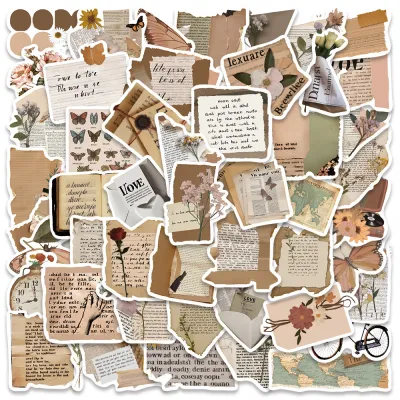
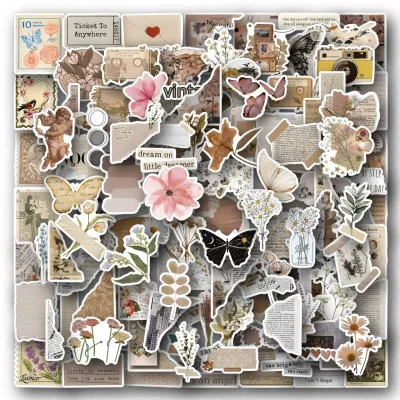
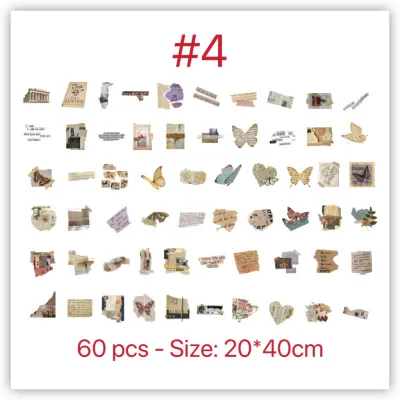
Prices are valid at publication and may change. Please refer to the product page for the latest price.
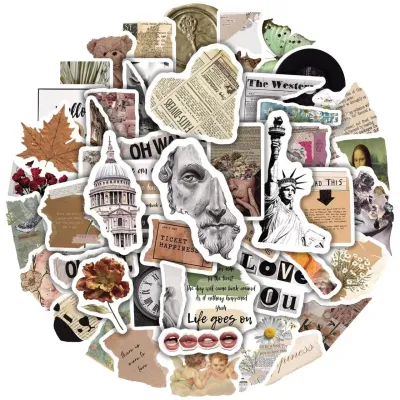
In contrast, retro-style reproductions are modern stickers designed to mimic the appearance of historical paper. Manufacturers use digital distressing techniques, sepia color palettes, and faux-creases to give new paper an aged look. These reproductions are typically printed on contemporary, acid-free paper, making them much safer for long-term scrapbooking projects. Modern vintage-themed prints may also incorporate historical illustrations—such as Victorian botanicals or retro typography—but are printed on modern materials like translucent washi paper or durable PET plastic, offering a clean, contemporary take on the classic aesthetic.
When browsing online marketplaces or specialty stationery shops, you must carefully read product descriptions to understand exactly what you are buying. Look for clarifying terms such as “reproduction,” “retro-style,” “facsimile,” or “vintage-inspired,” which indicate modern prints. Listings that use terms like “genuine antique,” “original ephemera,” or “authentic vintage” should refer to actual historical items.
Choosing between authentic vintage and modern reproductions involves a trade-off between historical authenticity and long-term durability. Authentic vintage pieces offer unmatched character and historical value, but their fragile nature and acidic content require special handling and preservation techniques to prevent damage to your scrapbook pages and photographs. Modern reproductions, on the other hand, provide the visual charm of the past with the durability, ease of use, and archival safety of modern manufacturing, making them the preferred choice for most everyday scrapbooking projects.
Key Factors to Evaluate Before Buying
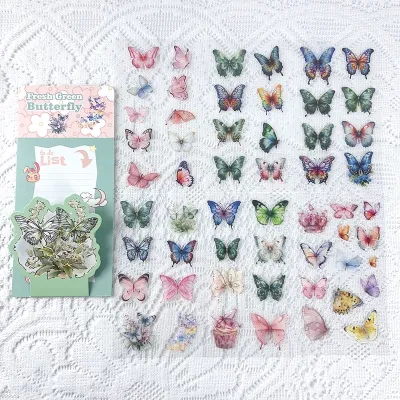
Before purchasing vintage stickers, you must evaluate several practical factors to ensure they are compatible with your scrapbook pages and will preserve your memories safely. The first factor is paper weight and texture. Vintage-style stickers are available in various materials, each offering a different aesthetic and tactile experience. Washi paper stickers are thin, semi-translucent, and blend seamlessly into the background of your page, making them excellent for layering. Matte paper stickers are opaque, have a smooth or slightly textured finish, and allow you to write on them with gel pens or calligraphy markers. PET stickers are clear, waterproof, and highly durable, though their glossy surface may reflect light and clash with matte paper layouts.

The second, and perhaps most critical, factor is the adhesive property of the stickers. For archival scrapbooking, you should always look for stickers labeled “acid-free” and “lignin-free.” Acid and lignin are naturally occurring compounds in wood-pulp paper that cause paper to yellow, become brittle, and deteriorate over time. When acidic stickers touch your photographs, the acid can migrate, causing permanent yellow stains. Choosing acid-free, archival-safe stickers ensures your layouts remain pristine.
The third factor is the size and scale of the stickers relative to your scrapbook layouts. If you prefer working in compact A5 or A6 journals, look for smaller, delicate sticker designs (typically 2 to 5 centimeters in size) that will not overwhelm your pages. For larger 12×12 inch traditional scrapbook layouts, you can incorporate larger focal-point stickers, such as vintage maps, ledger sheets, or large botanical illustrations (10 centimeters or larger). Paying attention to the dimensions listed in product descriptions helps you maintain balanced, visually appealing proportions in your designs.
Finally, you should evaluate the print clarity, color saturation, and edge cutting quality of the stickers. High-quality vintage reproductions feature sharp, high-resolution prints with realistic color gradients and subtle distressing. Low-quality prints often suffer from pixelation, blurry lines, or overly saturated colors that look artificial. Additionally, check whether the stickers are pre-cut (die-cut or kiss-cut) or if they require manual cutting. Pre-cut stickers should have clean, precise edges without white borders or misalignment. Reading customer reviews and examining user-uploaded photos is an excellent way to verify these quality details before making a purchase.
Popular Vintage Aesthetics and Themes to Explore
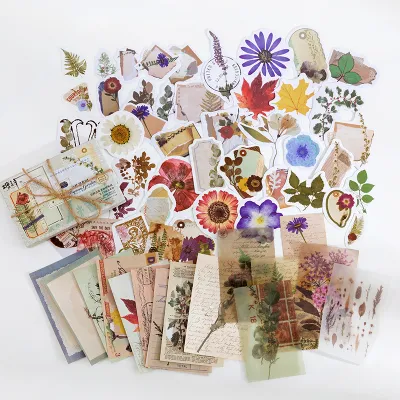
The world of vintage scrapbooking encompasses a wide variety of visual themes, allowing you to choose styles that complement your specific subjects and personal taste. One of the most popular themes is botanical and nature illustrations. Inspired by Victorian-era field guides and scientific journals, these stickers feature detailed drawings of wildflowers, ferns, mushrooms, butterflies, and birds. Their soft, organic colors and elegant lines make them incredibly versatile, perfect for documenting outdoor adventures, spring memories, or daily reflections.
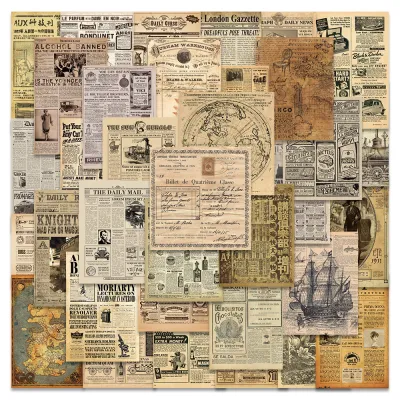
Another classic theme is ephemera and postal designs. This category includes stickers shaped like vintage postage stamps, postmarks, old transit tickets, luggage tags, and historical maps. These designs evoke a sense of wanderlust and adventure, making them the ideal choice for travel scrapbooks and journals. Layering a faux vintage stamp over a scrap of map paper instantly creates a cohesive, travel-themed focal point on your page.
Retro typography and journaling cards are also essential elements of the vintage aesthetic. These stickers feature typewriter fonts, distressed ledger lines, vintage advertising labels, and dictionary definitions. They are highly functional, providing structured spaces for you to write captions, dates, or personal reflections. Using typography stickers helps organize your layout and adds a professional, editorial feel to your scrapbook pages.
To create visually stunning layouts, try matching specific sticker themes with the subject matter of your scrapbook. For instance, if you are creating a family history album, opt for sepia-toned typography, old-fashioned frames, and elegant lace patterns to evoke a sense of heritage. For a daily journal, you can mix and match soft botanical stickers with vintage ledger paper to create a calming, reflective space. Keeping a cohesive theme throughout a single layout or entire album ensures a harmonious and polished final result.
Where to Source Authentic and High-Quality Vintage Stickers
Sourcing high-quality vintage stickers in the Philippines involves navigating both online marketplaces and local physical stores. Online e-commerce platforms offer an incredibly vast selection of vintage stickers from both local and international sellers. To find the best options, use specific search terms such as “washi vintage stickers,” “acid-free retro ephemera,” or “matte vintage sticker sheets.” Always check the seller’s ratings and read customer reviews, paying close attention to photos uploaded by buyers to verify the actual color, size, and print quality of the stickers.
For a tactile shopping experience, look for specialized stationery boutiques, local craft fairs, and independent art markets. These venues carry curated selections of unique stickers, allowing you to inspect the paper texture and print quality in person before buying. Additionally, local antique markets or flea markets can be treasure troves for authentic vintage ephemera, such as old postcards, stamps, and paper documents, which you can incorporate into your scrapbooks.
When shopping online, be vigilant against common red flags in product listings. Avoid listings that use heavily watermarked images, as this often indicates that the seller does not own the designs and may be selling low-resolution, unauthorized copies. Be cautious of listings with extremely vague material descriptions, such as simply “paper sticker,” without specifying the paper weight, finish, or adhesive type. If a listing lacks archival safety specifications, it is best to assume the stickers are not acid-free and should not be placed in direct contact with irreplaceable photographs.
Finally, consider the cost-effectiveness of different packaging options. Vintage stickers are commonly sold in two formats: bundled sticker books and curated loose packs. Sticker books, which often contain dozens of pages of stickers, offer excellent variety and a lower cost per sticker, typically ranging from ₱150 to ₱400. They are ideal for beginners who want to build a diverse collection quickly. Curated loose packs, usually containing 20 to 40 themed pieces, generally cost between ₱50 to ₱120. While they have a higher cost per sticker, they offer highly specific, hand-selected designs with less waste, making them perfect for targeted projects.
How to Test and Apply Vintage Stickers Safely
Once you have acquired your vintage stickers, applying them safely is crucial to protect your scrapbook pages and photographs from damage. Before committing a sticker to your final layout, always perform a patch test. Apply a small sticker or a piece of the sticker sheet’s border to a scrap piece of your scrapbook paper and leave it for 24 hours. Observe how the adhesive reacts: check if it bleeds through the paper, causes the paper to warp or buckle, or if the edges begin to lift. This simple test helps you avoid ruining an entire layout due to incompatible materials.
If you are working with authentic vintage ephemera, you will often find that the original adhesive has dried out, degraded, or become highly acidic. In these cases, do not attempt to reactivate the old glue. Instead, secure the ephemera using archival-safe, acid-free adhesives. Double-sided archival tape, acid-free glue pens, or photo corners are excellent options. Photo corners are particularly useful because they hold the item securely in place without applying any adhesive directly to the vintage paper, allowing you to remove or flip the item in the future if desired.
The tropical climate of the Philippines, with its high humidity and heat, requires special storage precautions. High humidity can cause adhesives to soften, bleed, or lose their stickiness, and paper stickers to curl. Store your stickers in airtight plastic containers with silica gel packets to absorb excess moisture, keeping them in a cool, dark place away from direct sunlight.
While most vintage stickers can be handled easily, there are times when you should exercise extreme caution. If you are dealing with highly fragile, valuable, or irreplaceable historical documents—such as 19th-century letters, rare historical stamps, or delicate family heirlooms—do not apply any adhesive or stickers directly to them. Instead, place them in archival-safe protective sleeves or consult a professional paper conservation specialist. Preserving the integrity of irreplaceable historical items should always take priority over creative layout designs.
Frequently Asked Questions (FAQ)
Can I use modern retro-style stickers in an archival scrapbook?
Yes, you can safely use modern retro-style stickers in an archival scrapbook, provided they are explicitly labeled as acid-free and lignin-free. Modern manufacturing standards often ensure that these reproductions are highly stable and will not yellow or degrade your pages over time. However, keep in mind that modern printing inks and synthetic coatings (such as those on PET stickers) may age differently than traditional paper. To ensure maximum longevity, always store your completed scrapbooks in a cool, dry environment away from direct sunlight.
How do I remove a vintage sticker without tearing the scrapbook page?
Removing a sticker without damaging the underlying page depends on the type of adhesive used. Modern pressure-sensitive adhesives are designed to be permanent and can be very difficult to remove once they have cured. For paper-based stickers, you can try using a craft heat tool or a hair dryer on a low setting to gently warm and soften the adhesive, then slowly peel the sticker back at a sharp angle. Alternatively, sliding a thin piece of dental floss or a metal spatula under the edges can help lift the sticker. If you feel the paper beginning to tear, stop immediately; forcing the removal can cause irreversible damage to your scrapbook page.

Community discussion
Share your experience or ask a question. Comments are reviewed before publication.