
Gifting cash, gift cards, or heartfelt letters is a deeply rooted tradition in the Philippines, especially during milestone birthdays. While a standard paper envelope serves its practical purpose, choosing a birthday envelope with sound elevates the entire experience, turning a simple hand-off into an interactive, multi-sensory moment. These specialized envelopes feature integrated micro-speakers, miniature circuit boards, and small batteries that play a melody or a custom voice recording when opened. However, because these items combine delicate electronics with paper construction, finding a reliable option requires careful consideration of several technical and physical factors.
In the tropical climate of the Philippines, high humidity and ambient heat can pose unique challenges to electronic stationery. Moisture in the air can soften paper fibers, weaken adhesives, and even cause minor corrosion on exposed battery contacts over time. Therefore, selecting a high-quality musical envelope involves looking beyond the cover design. You must evaluate the structural integrity of the cardstock, the reliability of the trigger mechanism, and the accessibility of the internal components to ensure your birthday greeting performs flawlessly when the recipient opens it.
Understanding Sound Modules and Trigger Mechanisms
To make an informed purchase, it is essential to understand the technology powering these musical envelopes. The internal sound module consists of a microchip, a small button cell battery, a paper-coned speaker, and a switch mechanism. These components are typically sandwiched between layers of heavy paper to keep the envelope as flat as possible.
Products mentioned in this guide

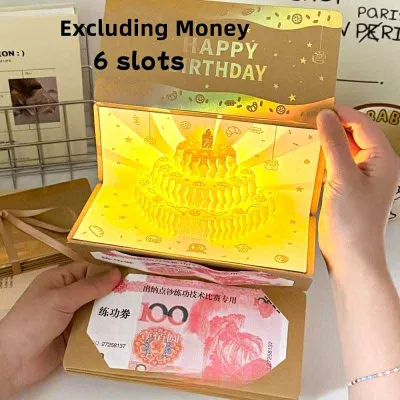
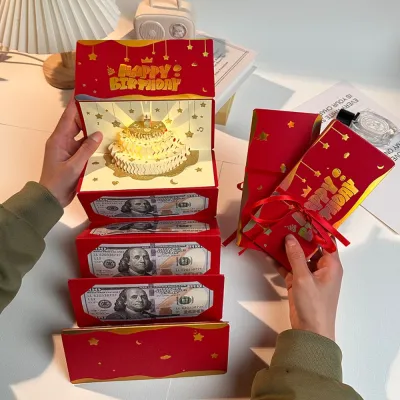


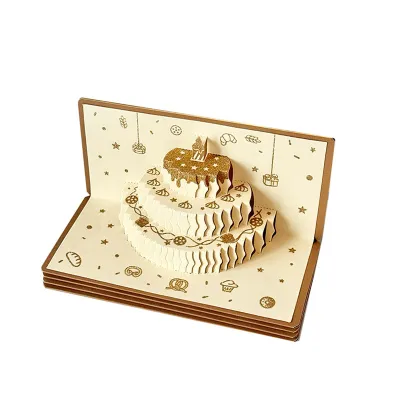
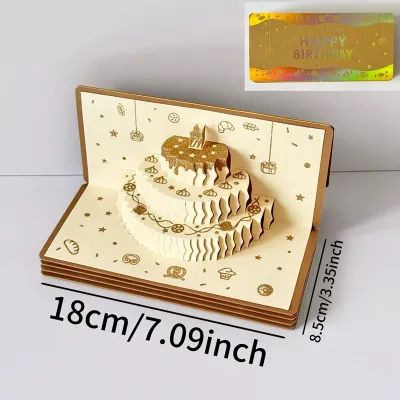
Prices are valid at publication and may change. Please refer to the product page for the latest price.
Pre-Recorded Melody Chips
Pre-recorded modules are the most common and cost-effective options available. These chips are programmed during manufacturing to play a specific audio track, such as a classic “Happy Birthday” instrumental, a cheerful pop tune, or a themed sound effect. Because the audio is hardcoded into the silicon chip, these modules are highly stable and consume very little power. They are ideal if you want a classic, fuss-free musical greeting that works instantly out of the box.
Custom Voice Recording Modules
For a more personalized touch, custom recordable envelopes allow you to record your own voice, a song, or a group message. These modules feature a tiny microphone and a recording button, usually activated by holding down a designated spot on the paper. While they offer unmatched sentimental value, they require a bit more care. The recording quality depends heavily on the microphone’s sensitivity and how closely you speak into it. Additionally, recordable chips consume more battery power during the recording phase, so verifying battery strength is crucial before sending the gift.
Trigger Mechanisms and Activation Styles
How the sound is triggered plays a major role in the envelope’s reliability and user experience. There are three primary activation styles used in modern sound envelopes:
- Slide Tongue / Pull-Tab Switches: This is the most reliable and traditional mechanism. A thin plastic or paper slide is attached to the envelope's flap. When the recipient opens the flap, the slide is pulled out from between two metal contacts, completing the circuit and playing the sound. Closing the flap pushes the slide back, cutting the power. This mechanical design is highly dependable and rarely fails.
- Light Sensors: Some premium envelopes use a miniature light-sensitive resistor. When the envelope is opened and exposed to light, the sensor triggers the audio. While seamless, this mechanism can be inconsistent. If the recipient opens the gift in a dimly lit room, the sensor might not register enough light to play. Conversely, if the envelope is stored in a semi-translucent bag, ambient light might trigger the sound prematurely, draining the battery.
- Push-Button Switches: These require the recipient to physically press a designated button printed on the paper. This style gives the recipient complete control over when the audio plays, preventing accidental activation. However, it lacks the element of immediate surprise that comes with opening a slide-tongue or light-activated envelope.
Sound Clarity and Volume Limitations
It is important to manage expectations regarding audio performance. Because these speakers are incredibly thin and housed entirely in paper, they lack the physical space required to produce deep bass or high-fidelity sound. The audio will naturally sound somewhat tinny. Furthermore, the volume is designed for personal, close-up listening; it will not fill a noisy party room. In humid tropical environments, the paper housing can absorb moisture, which may slightly muffle the speaker cone. Storing the envelope in a dry, cool place prior to gifting helps preserve the original sound clarity.
Essential Features to Check Before Buying
When shopping for a birthday envelope with sound, a physical checklist will help you distinguish between a durable keepsake and a fragile novelty that might fail before it is opened.

Paper Weight and Structural Durability
The weight of the paper is the foundation of a good musical envelope. Standard mailing envelopes are typically made from 80 to 100 GSM paper, which is far too thin to support an electronic module. A quality sound envelope should be constructed from heavy cardstock, ideally between 250 GSM and 350 GSM. This thickness provides the structural rigidity needed to protect the delicate circuit board and speaker from bending or crushing during transit. Additionally, heavy cardstock resists warping in high-humidity environments, ensuring the slide switch remains properly aligned.
Internal Dimensions and Capacity
If you plan to use the envelope to gift cash, gift cards, or concert tickets, you must verify the internal dimensions. In the Philippines, standard banknotes measure 160 mm by 66 mm. The envelope should be wide enough to accommodate these bills flat or with a single, gentle fold. If the envelope is too tight, inserting the cash can put physical pressure on the speaker cone or the battery housing, causing the sound to distort or short-circuit. Look for envelopes that feature a slightly expanded gusset or a dedicated inner pocket that separates the gift contents from the electronic components.
Battery Accessibility and Lifespan
Batteries are the lifeblood of any musical envelope. Most budget-friendly options feature sealed, non-replaceable button cell batteries (typically alkaline cells like LR1130 or AG10). While convenient, these envelopes have a finite lifespan; once the battery dies, the sound feature cannot be restored. For a premium gift that the recipient might want to keep for years, look for designs that feature a small, accessible battery compartment. These compartments usually allow you to slide out the battery tray and replace the cells (often standard CR2032 or LR44 batteries) without tearing the paper structure.
Switch Placement and Safety Insulators
To prevent the envelope from playing music continuously inside a delivery package or storage box, high-quality manufacturers insert a plastic insulator tab (often called a battery pull-tab) into the circuit. This tab physically blocks the battery connection. As the sender, you should keep this tab in place while writing your message or transporting the envelope. Only pull the tab out right before you seal the envelope for the recipient. If you are buying online, verify that the seller ships the items with these safety tabs intact to guarantee you do not receive an item with a pre-drained battery.
Matching the Envelope to Your Gift and Recipient
Selecting the right sound envelope involves balancing the recipient’s personality, the nature of your physical gift, and the aesthetic presentation.
Tailoring the Audio to the Recipient
The audio content should match the recipient’s age and your relationship with them. For children, bright, colorful envelopes featuring upbeat, pre-recorded cartoon melodies or animal sounds are highly engaging. For close friends or partners, a custom recordable envelope allows you to share an inside joke, a short poem, or a heartfelt greeting in your own voice, which carries far more emotional weight than a generic melody. For older relatives, a classic, soft instrumental track paired with an elegant design is often the most appreciated choice.
Calligraphy and Ink Compatibility
For those who enjoy personalizing their gifts with handwritten calligraphy or custom lettering, the surface finish of the envelope is a critical factor. Many musical envelopes feature a glossy, laminated, or UV-coated exterior to protect the paper from moisture and wear. While durable, these slick surfaces repel water-based inks, causing fountain pen ink, standard gel pens, and water-based brush markers to smear or bead up. If you plan to write elaborate calligraphy, look for envelopes with a matte, uncoated, or textured paper finish. Alternatively, if you must write on a glossy surface, use oil-based paint pens, permanent markers, or specialized calligraphy inks designed for non-porous surfaces. Always perform a quick trial on a small, hidden corner of the envelope flap to check the drying speed, bleed resistance, and erasability of your chosen pen before writing the main message.
Balancing Decorative Elements and Weight
Many modern birthday envelopes feature elaborate embellishments, such as 3D pop-up elements, satin ribbons, metallic foil stamping, or laser-cut patterns. While these details add visual appeal, they also add weight and thickness. Ensure that these decorative elements do not put constant pressure on the internal sound module when the envelope is closed. A heavy ribbon tied too tightly across the center of the envelope can compress the push-button switch or distort the speaker, leading to a muffled sound or a dead battery by the time the gift is opened.
Verifying Quality When Shopping on E-Commerce Platforms
Because you cannot physically touch or test a sound envelope when purchasing from online marketplaces, you must employ specific verification strategies to ensure you receive a working, high-quality product.
Analyzing User Reviews and Media Uploads
When browsing listings on local ecommerce platforms, skip past the generic five-star ratings and focus on detailed user reviews. Look specifically for reviews that include videos. Playing these videos will give you a realistic sense of the speaker’s volume, clarity, and speed. Pay close attention to comments mentioning “battery life,” “arrived dead,” or “muffled sound.” If multiple buyers report that the music plays too slowly (a classic sign of a dying battery) or that the slide mechanism was torn upon arrival, it is best to look for an alternative seller.
Checking Seller Descriptions and Specifications
A reputable stationery seller will provide detailed specifications in their product description. Look for explicit mentions of:
- The exact dimensions of the envelope (to ensure your gift fits).
- The paper weight (look for terms like "thick cardstock" or specific GSM ratings).
- Whether the battery is included and if it is replaceable.
- Clear instructions for recordable modules, including the maximum recording time (usually 10 to 30 seconds).
If a listing is vague, uses generic stock photos, or fails to mention battery status, send a direct message to the seller to clarify these details before placing your order.
Post-Delivery Inspection and Testing
When your order arrives, perform a thorough quality check before preparing your gift. Carefully open the shipping packaging and inspect the envelope for any signs of water damage, bending, or creasing that may have occurred during transit. Gently pull the plastic safety tab and test the sound mechanism. Open and close the envelope three to four times to ensure the slide switch or light sensor triggers consistently without catching on the paper. If the sound is faint, crackles, or cuts out, the battery may have degraded during storage in a warm warehouse. Testing the envelope early gives you sufficient time to request a replacement or swap out the batteries before the birthday celebration.
Frequently Asked Questions (FAQ)
Can I replace the battery in a musical birthday envelope?
Whether you can replace the battery depends entirely on the envelope’s design. Premium musical envelopes feature a small, visible battery compartment—often a slide-out plastic tray or a paper flap secured with a small sticker—located on the inside or back panel. These typically use standard button cells like LR44, AG13, or CR2032. To replace them, carefully slide or lift the compartment cover, note the orientation of the positive (+) and negative (-) sides, swap the old batteries for new ones, and secure the cover back in place. If the envelope is completely sealed with no visible compartment, attempting to cut open the paper layers to access the battery will likely tear the delicate copper wiring or damage the speaker, so it is best to treat sealed envelopes as single-use keepsakes.
Will the sound module get damaged if I put cash inside?
Inserting cash or a gift card will not damage the sound module as long as you follow a few simple precautions. Most musical envelopes are designed with the electronic components glued flat against one side of the interior. When inserting Philippine Peso bills, slide them in gently and ensure they lie flat against the non-electronic side of the envelope. Avoid folding the bills into thick, bulky squares that press directly against the raised speaker cone or the battery housing, as concentrated pressure can crack the solder joints or cause the switch to malfunction. Additionally, never use metal paperclips, staples, or heavy-duty adhesives inside the envelope, as these can accidentally puncture the paper casing, short-circuit the exposed wiring, or permanently glue the slide switch shut.

Community discussion
Share your experience or ask a question. Comments are reviewed before publication.