
Selecting the right 4cm satin ribbon requires balancing the ribbon’s finish, stiffness, and edge construction with your specific project needs. A 4cm width—approximately 1.5 inches—is a highly versatile size, offering enough surface area to showcase a luxurious sheen while remaining pliable enough for intricate folding, twisting, and tying. Whether you are preparing elegant gifts for a local celebration, assembling bridal bouquets, or crafting durable hair accessories, understanding the physical properties of different satin ribbons ensures your finished work looks polished and professional.
To make the best choice, first determine whether your project demands a single-faced or double-faced finish. Single-faced ribbons feature a glossy front and a matte back, making them cost-effective for flat applications, while double-faced ribbons display a rich luster on both sides, which is essential for exposed bows and hanging decorations. Next, consider the material composition and stiffness. Polyester-based satin is highly durable and holds up exceptionally well under humid tropical conditions, whereas nylon or silk blends offer a softer drape but require more delicate handling. Finally, inspect the edges and overall build quality to prevent fraying and ensure longevity.
Understanding Satin Finishes and Textures for 4cm Ribbons
The defining characteristic of any satin ribbon is its smooth, lustrous surface, which is achieved through a specific weaving technique that minimizes the interlacing of threads. This structure allows light to reflect off the long, floating fibers, creating the signature satin glow. When shopping for a 4cm satin ribbon, the primary distinction you will encounter is between single-faced and double-faced weaves. Single-faced satin ribbon is shiny on one side and dull or slightly textured on the reverse. This option is highly economical and works perfectly when the back of the ribbon remains hidden, such as when pasting ribbon flat onto a gift box, cardstock, or scrapbook page.
Products mentioned in this guide
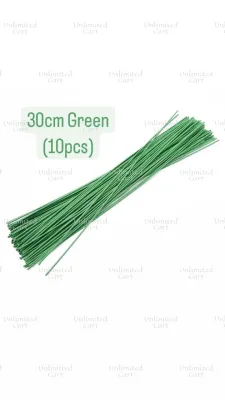
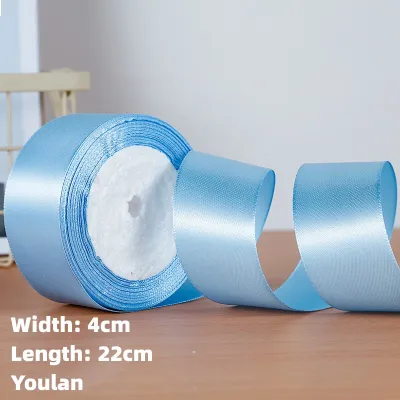
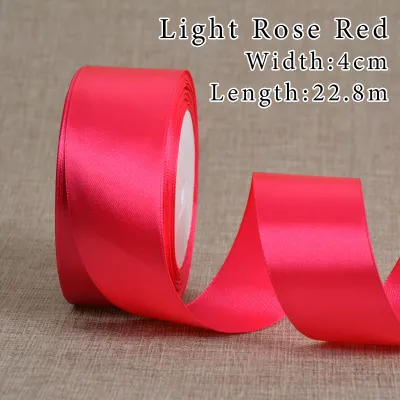
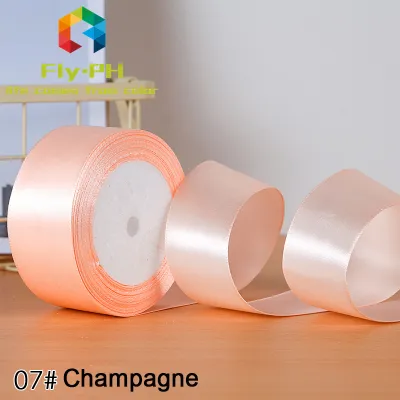
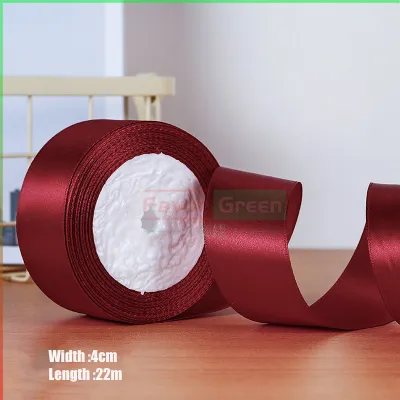
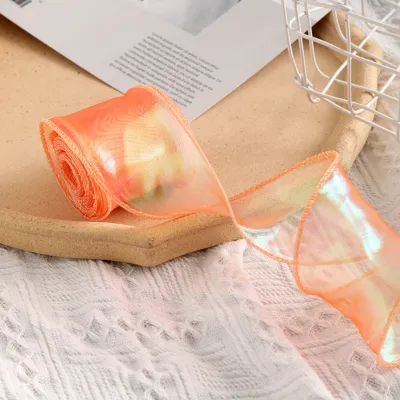
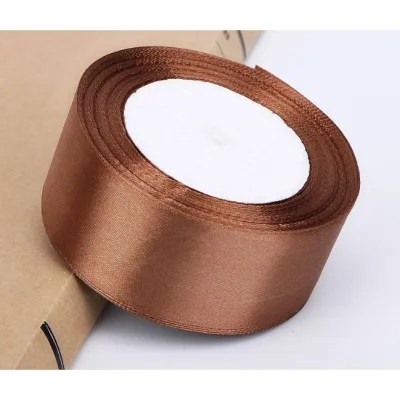
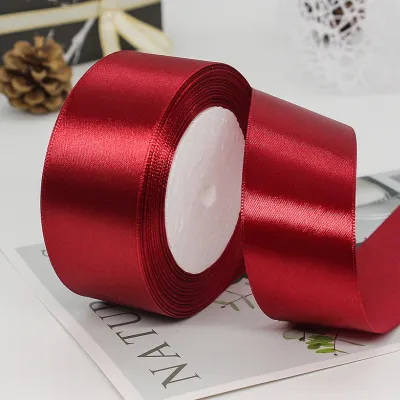
Prices are valid at publication and may change. Please refer to the product page for the latest price.
Double-faced satin ribbon, on the other hand, features the same glossy finish and silky texture on both sides. This is the preferred choice for three-dimensional bows, hanging banners, and floral arrangements where both sides of the ribbon are visible to the viewer. While double-faced ribbon is generally heavier and more expensive, it provides a premium, seamless look that elevates high-end gift wrapping and formal event decorations. Choosing between the two is often a balance of budget and visibility.
Texture and stiffness also play a critical role in how a 4cm ribbon behaves during assembly. Polyester satin is the most common variety found in local craft stores and online marketplaces. It is relatively stiff, which helps bows hold their shape and maintain volume without drooping. This stiffness is particularly advantageous in warm, humid climates, as polyester does not absorb moisture from the air and will not go limp. In contrast, nylon satin is softer and more pliable, offering a graceful, fluid drape that is ideal for trailing ribbon tails on bridal bouquets or delicate garment trims. Silk satin is the most luxurious option, offering an unmatched, subtle glow and an incredibly soft hand feel, though it is highly delicate and prone to water spotting.
When evaluating ribbon quality from physical samples or detailed product listings, perform a few quick visual and tactile checks. Run your fingers along the surface of the ribbon; a high-quality satin should feel completely smooth, without any snags, rough patches, or uneven threads. Hold the ribbon up to a light source to check the density of the weave. A loose, sparse weave will appear semi-transparent and is highly susceptible to pulling, snagging, and warping when tied tightly. A dense, tightly woven ribbon will feel substantial, look opaque, and maintain its structural integrity even under tension.
Matching 4cm Ribbon Traits to Your Specific Project
Different crafting and wrapping applications demand distinct ribbon characteristics to achieve the best aesthetic and functional results. For classic gift wrapping, a 4cm ribbon is considered the sweet spot for medium to large gift boxes. It provides a bold visual statement without overpowering the package. When wrapping a box, prioritize a ribbon with a moderate drape and a high sheen. If you plan to tie a traditional multi-loop bow, a double-faced polyester satin is ideal because it ensures every loop displays a brilliant shine, and the inherent stiffness of the polyester keeps the bow looking plump and fresh throughout transit.

For bouquet decoration and floral arrangements, the ribbon must be able to withstand handling and potential exposure to moisture. Florists often prefer 4cm double-faced satin because it wraps smoothly around flower stems and creates elegant, cascading tails. When using ribbon for fresh flowers, it is crucial to verify the colorfastness of the dye. High-humidity environments or direct contact with wet stems can cause low-quality dyes to bleed, potentially staining the flowers, wrapping paper, or the recipient’s hands. Opt for high-quality, dye-fast polyester ribbons that maintain their color integrity when damp.
Creating hair accessories, such as school bows, headbands, and hair clips, requires a completely different set of ribbon priorities. Because these items experience frequent handling, friction, and stretching, the ribbon must have exceptionally soft, woven edges that will not scratch the skin or snag hair. Durability is paramount, as hair accessories often need to be spot-cleaned or washed. Polyester satin is again the preferred material here due to its washability and resistance to creasing. When constructing complex hair bows, crafters often use a stiffer satin or apply a mild fabric stiffener to ensure the loops remain upright and symmetrical during daily wear.
Evaluating Build Quality and Edge Finishing
The longevity and professional appearance of your ribbon projects depend heavily on how the edges of the ribbon are finished. There are two primary edge types found on 4cm satin ribbons: woven edges (also known as selvedge edges) and cut-and-fused edges. Woven-edge ribbons are manufactured to their exact width, meaning the sides are finished with a tight, integrated weave during the manufacturing process. This creates a smooth, rounded edge that is highly resistant to fraying, pulling, or splitting. Woven-edge ribbons are the gold standard for garments, hair accessories, and reusable gift wraps.
Cut-and-fused ribbons are made by weaving a very wide sheet of satin fabric and then slicing it into 4cm strips using hot blades or lasers that melt and seal the synthetic fibers. While this method is highly cost-effective, the resulting edges can feel scratchy, stiff, and slightly sharp to the touch. Over time, or under physical stress, these fused edges can crack and begin to fray. If you are choosing ribbon for items that will have direct contact with skin or delicate fabrics, always opt for woven-edge satin to avoid irritation and premature wear.
Color consistency is another critical factor, especially when purchasing ribbon for large-scale projects like wedding favors, corporate gifts, or seasonal decorations. Always check if the seller guarantees dye lot consistency. Ribbons produced in different manufacturing batches can exhibit subtle variations in shade, which become highly noticeable when placed side by side. If you are planning a large project, it is wise to calculate your total ribbon needs upfront and purchase the entire quantity in a single order to ensure perfect color matching. Additionally, inspect the ribbon for consistent opacity and dye penetration; high-quality ribbons will have an even, deep color across the entire width and length, without any pale streaks or blotches.
Finally, always consult the product label or manufacturer specifications for care and maintenance instructions. If your ribbon will be used on clothing or home textiles, verify whether it is machine washable and dry-cleanable. Pay close attention to ironing temperature limits. Because most modern satin ribbons are made from polyester or nylon, they are highly sensitive to heat. Ironing a wrinkled ribbon with a setting that is too high can instantly melt the synthetic fibers, ruining the sheen and leaving a sticky residue on your iron. Always use a low, delicate setting or place a thin pressing cloth between the iron and the ribbon to protect the fabric.
Calculating Length and Navigating Purchasing Options
Before purchasing your 4cm satin ribbon, taking the time to estimate your required length accurately will save you both time and money. To calculate the ribbon needed for a standard rectangular gift box, you can use a simple formula. Measure the length, width, and height of your box. The basic formula for a single cross-wrap is: Length = (2 Box Length) + (2 Box Width) + (4 * Box Height) + Bow Allowance. For a 4cm wide ribbon, a standard, elegant bow with moderate tails requires a bow allowance of approximately 60cm to 80cm. If you plan to tie a more complex, multi-loop bow, increase this allowance to 100cm or more to ensure you do not run short mid-tie.
When navigating purchasing options, you will generally find ribbons sold in three formats: pre-cut lengths, small spools, and bulk rolls. Pre-cut lengths (often sold in 1-meter to 5-meter increments) are highly convenient for small, one-off crafting projects or when you need a wide variety of colors in small quantities. However, on a per-meter basis, pre-cut ribbon is the most expensive option. Small spools, typically containing 10 to 25 yards (approximately 9 to 22 meters), offer an excellent middle ground for hobbyists, providing enough material for several gifts while keeping storage requirements minimal.
For frequent crafters, event planners, or small business owners, bulk rolls containing 50 to 100 yards (approximately 45 to 91 meters) offer the best cost efficiency. Purchasing in bulk significantly reduces the unit cost, with high-quality 4cm polyester satin rolls often priced very economically, ranging from ₱80 to ₱250 per roll depending on the weave density and edge quality. When buying online, always read the seller’s specifications carefully. Verify the exact width, as some ribbons labeled as 4cm may actually measure 38mm or 42mm. Check the material composition to ensure you are getting the durability of polyester rather than a cheaper, less resilient blend, and compare prices across reputable local suppliers to secure the best value for your crafting budget.
Frequently Asked Questions (FAQ)
Can I use fabric glue instead of sewing for 4cm satin ribbon crafts?
Yes, fabric glue can be a highly effective alternative to sewing for 4cm satin ribbon crafts, but its success depends entirely on the application. Fabric glue works exceptionally well for non-structural, flat bonds, such as securing ribbon to a plastic headband, attaching flat ribbon borders to cardstock, or assembling decorative fabric layers. However, for structural joints, load-bearing parts, or items that will undergo frequent washing and stretching, traditional stitching remains far more reliable and durable.
The primary challenge when using fabric glue on satin is the risk of adhesive seepage. Because satin has a smooth, relatively open weave, liquid glues can easily penetrate the fibers, leaving dark, stiff, or shiny spots on the visible side of the ribbon. To prevent this, always use a specialized, low-water fabric adhesive or high-quality double-sided craft tape. Apply the glue sparingly using a fine-tip applicator or a toothpick, spreading it in a thin, even layer, and allow it to dry completely without applying excessive pressure that could force the wet glue through the fabric.
How do I prevent 4cm satin ribbon from fraying after cutting?
The most reliable and permanent method to prevent polyester or nylon 4cm satin ribbon from fraying is heat sealing. Because these synthetic ribbons are made from plastic-based fibers, applying controlled heat melts the cut edges slightly, fusing the individual threads together into a clean, solid barrier. To do this safely, hold the cut edge of the ribbon near—but not directly in—the blue base of a lighter or candle flame. Sweep the ribbon quickly and evenly across the heat source; the edge will curl slightly and seal instantly. Always perform this process in a well-ventilated area, keep a safe distance from flammable materials, and avoid touching the hot, melted edge until it has cooled completely.
For natural fibers like silk, or if you prefer not to use an open flame, clear liquid fray-preventative agents are an excellent alternative. Apply a very thin, consistent bead of the liquid along the freshly cut edge of the ribbon using a cotton swab or the bottle’s precision tip. Allow the liquid to dry completely according to the manufacturer’s instructions, which typically takes a few minutes. This creates a flexible, invisible plasticized edge that holds the woven threads securely in place without altering the ribbon’s natural drape or leaving a harsh, scratchy border.

Community discussion
Share your experience or ask a question. Comments are reviewed before publication.