
Selecting the right bead materials is the most critical decision in jewelry making, directly determining whether your finished piece will last for years or break after a single wear. The ideal choice depends entirely on the physical demands of the specific jewelry type. Bracelets require highly durable, impact-resistant materials like glass, metal, or stone to withstand constant friction and bumps. Earrings demand ultra-lightweight options such as acrylic, wood, or delicate seed beads to prevent earlobe strain and discomfort. Necklaces rely on a careful balance of weight distribution and smooth bead holes to achieve a graceful, fluid drape without snapping the stringing cord. By matching the physical properties of your beads to the structural needs of your project, you can create beautiful, comfortable, and long-lasting designs.
Core Factors for Matching Beads to Jewelry Projects
Every jewelry project presents unique physical challenges that dictate which materials will succeed. The three fundamental properties to evaluate before purchasing any beads are weight, durability, and drape. Weight directly impacts wearability and comfort. A bead that feels light in your hand can quickly become heavy and uncomfortable when clustered with dozens of others around your neck or hanging from your earlobes. Understanding how cumulative weight affects the wearer is essential for designing pieces that can be worn comfortably all day.
Durability is another crucial factor, especially for jewelry worn on high-impact areas of the body. Wrists and hands are constantly in motion, exposing bracelets to hard surfaces, moisture, and friction. Materials used in these areas must resist scratching, chipping, and chemical degradation from daily activities, cosmetics, and sweat. In tropical climates like the Philippines, high humidity and perspiration can accelerate the wear of low-quality finishes, making material selection even more critical for local crafters.
Products mentioned in this guide
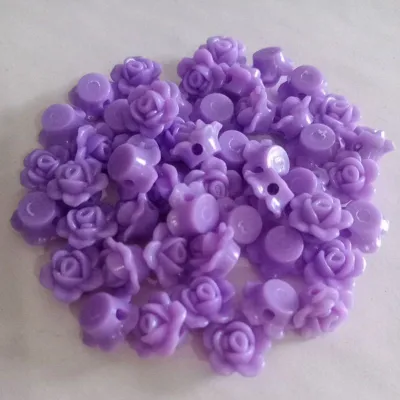
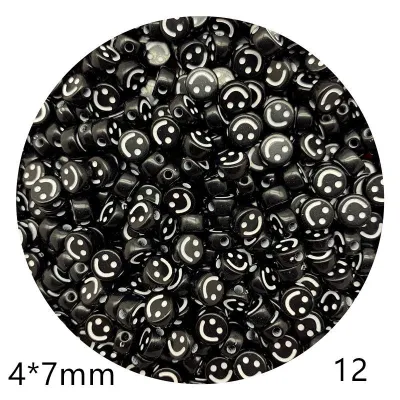
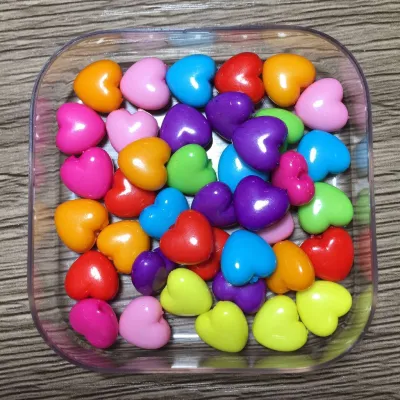
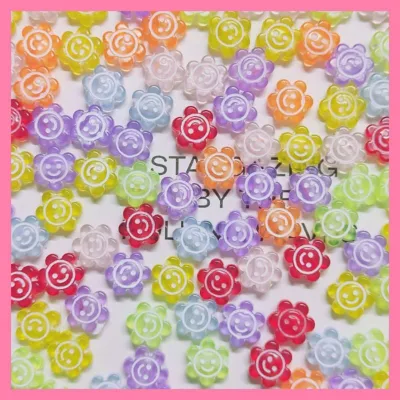
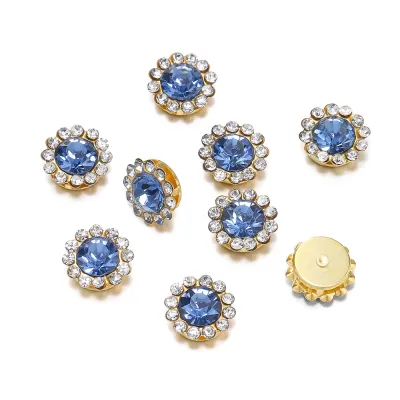
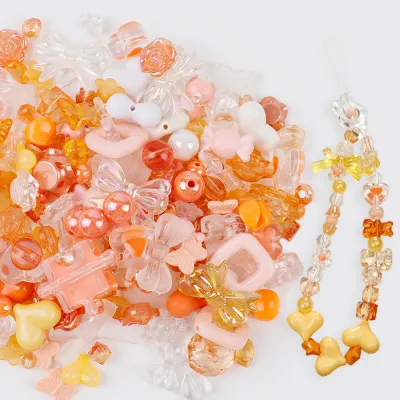
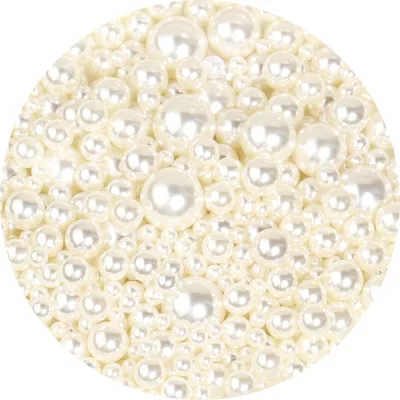
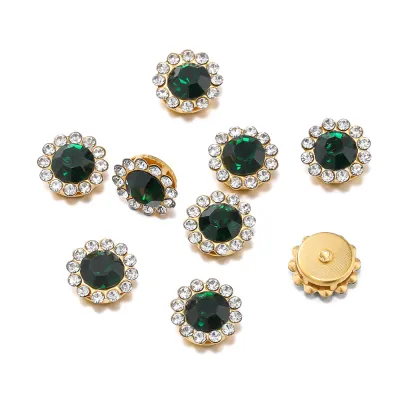
Prices are valid at publication and may change. Please refer to the product page for the latest price.
Finally, drape and hole size influence the flexibility, movement, and finishing of necklaces and bracelets. Drape refers to how naturally a strand of beads curves and flows against the body. This movement is governed by the shape of the beads, their weight distribution, and how smoothly they slide along the stringing material. Additionally, the inner diameter of the bead hole must accommodate the appropriate thread, wire, or elastic without causing friction that could fray the cord over time.
Selecting Beads for Bracelets: Durability and Impact Resistance
Bracelets are subjected to more physical wear and tear than almost any other type of jewelry. Because our hands are constantly active, a bracelet will inevitably bump against desks, doors, and other hard surfaces throughout the day. To ensure your creations survive this daily impact, you must prioritize hard, scratch-resistant materials. High-quality glass, natural gemstones, and solid metals are excellent choices for bracelets. These materials possess the structural integrity to withstand repeated knocks without losing their luster or structural strength.

Conversely, softer materials like wood, acrylic, polymer clay, and certain soft stones require careful consideration. While these options offer beautiful textures and vibrant colors, they are prone to chipping, denting, or surface wear over time. If you choose to use softer beads in a bracelet, consider placing them in low-friction areas of the design or pairing them with protective metal spacer beads. This layout helps shield the softer elements from direct contact with hard surfaces.
When constructing bracelets, especially stretch styles, you must also verify the bead hole sizes. Heavy-duty stringing materials like thick elastic cord, memory wire, or braided nylon require larger bead holes to pass through smoothly. Before starting your project, measure the cord diameter and compare it to the bead specifications. If the holes are too small, forcing a thick cord through can damage both the bead and the stringing medium. Always inspect the inside of the bead holes for sharp edges or debris, which can easily slice through elastic under tension.
Selecting Beads for Earrings: Weight Management and Skin Safety
Earring design requires a delicate balance between visual impact and physical comfort. Unlike bracelets or necklaces, which distribute weight across the wrist or collarbone, earrings place their entire load directly on the sensitive tissue of the earlobe. To prevent stretching, discomfort, or tearing, weight management must be your primary design constraint. Lightweight materials such as seed beads, acrylic, hollow metal, and natural wood allow you to create large, dramatic statement earrings that remain comfortable for hours of continuous wear.
When incorporating heavier elements like solid glass, ceramic, or semi-precious gemstones, use them sparingly as focal points rather than the primary material. You can balance a single heavy stone bead with lightweight spacer beads or delicate wire wrapping to keep the overall weight manageable. A practical way to test weight distribution is to assemble a prototype on a headpin and hold it against your ear, or use a small pocket scale to ensure the finished earring does not exceed a comfortable threshold, typically around 5 to 7 grams per ear for daily wear.
Skin safety is another critical factor for earrings, as the metal components remain in direct, prolonged contact with the skin. When sourcing jewelry findings, never assume a material is safe based on appearance alone. Always verify manufacturer specifications for hypoallergenic claims, nickel-free coatings, or surgical steel construction. In warm, humid environments, sweat can cause low-quality metals to leach nickel or other irritants, leading to painful allergic reactions. Investing in certified hypoallergenic ear wires and posts protects the wearer and ensures your handmade jewelry is safe for sensitive skin.
Selecting Beads for Necklaces: Drape, Focal Points, and Sizing
Creating a successful necklace requires an understanding of structural balance, visual flow, and how different materials interact along a curve. The way a necklace hangs against the collarbone—its drape—is determined by the size, shape, and density of the beads you choose. To achieve a natural, fluid drape, it is best to mix bead sizes and weights strategically. Placing heavier, larger focal beads at the center of the necklace pulls the strand down into a graceful “V” or “U” shape, while lighter, smaller spacer beads near the back reduce strain on the neck and the clasp.
When selecting focal beads versus spacer beads, consider both visual weight and material contrast. A heavy, intricate gemstone focal bead pairs beautifully with smooth, lightweight glass or metal spacers that allow the main piece to stand out without cluttering the design. However, mixing materials of vastly different densities requires careful stringing. If heavy stone beads are placed directly next to delicate glass seed beads without proper cushioning, the harder stone can crush or chip the glass over time.
Furthermore, you must verify the compatibility of your stringing material with the inner edges of the bead holes. Natural stones and glass beads often have sharp, abrasive edges around their drill holes that can act like tiny saws, gradually cutting through silk, nylon, or polyester thread. To prevent your necklace from snapping unexpectedly, inspect the bead holes and use a bead reamer to smooth any rough edges if necessary. For high-value or heavy designs, consider using flexible miniature stainless steel cable (beading wire) secured with crimp beads to provide the necessary strength and cut resistance.
Sourcing Accessories Beads and Verifying Material Specifications
When shopping for crafting supplies, whether browsing local shops in Manila or searching online marketplaces, finding high-quality materials requires a systematic approach. Searching for reliable options like jnz accessories beads can connect you with a wide variety of jewelry-making components, but you must still carefully evaluate product specifications before purchasing. Always read product labels and descriptions for exact material composition, dye stability, and care instructions to ensure the beads meet your project’s requirements.
One of the most common challenges in online sourcing is verifying the consistency of bead sizes, shapes, and hole alignments. To avoid project delays, check the supplier’s return policies and consider ordering small sample packs before committing to bulk purchases. This allows you to perform a physical inspection, checking for uniform dimensions and smooth drill holes. Consistent sizing is particularly critical for precision bead weaving and pattern-based designs where even a millimeter of variation can distort the final piece.
Additionally, cross-reference the manufacturer’s care instructions with the intended wear environment of your jewelry. In hot, humid tropical climates, jewelry is frequently exposed to sweat, sunscreen, and intense sunlight. Verify whether the beads are colorfast, UV-resistant, or prone to tarnishing when exposed to moisture. Allocating your budget in ₱ for quality findings and verified materials beforehand ensures that your finished jewelry remains vibrant, durable, and beautiful, preserving your hard work for years to come.
Frequently Asked Questions (FAQ)
Can I use the same bead materials for both bracelets and necklaces?
Yes, many durable bead materials can transition seamlessly between bracelets and necklaces, but you must adjust your construction techniques to handle the different physical stresses. While sturdy glass, metal, and stone beads work well for both, delicate or heavy focal beads that thrive on a necklace may chip or feel too bulky on an active wrist. When adapting materials across projects, always adjust your stringing tension and knotting methods. For instance, a bracelet requires highly flexible, high-tension elastic or strong wire to handle constant stretching, whereas a necklace benefits from a softer, more fluid drape that allows the piece to contour naturally against the body.
How do I prevent dyed beads from fading or staining?
To prevent dyed beads from fading or staining skin and clothing, always verify their colorfastness before starting your project. Check the manufacturer’s label for dye stability, and perform a simple spot test by rubbing a damp, white cotton cloth over a few sample beads to see if any color transfers. To preserve the finish of dyed materials like wood, coral, or dyed jade, store your finished jewelry in a cool, dry place away from direct sunlight and high humidity. Advise wearers to apply perfumes, lotions, and sunscreens before putting on the jewelry, as the chemicals in these products can break down dyes and cause premature fading.

Community discussion
Share your experience or ask a question. Comments are reviewed before publication.