
Selecting a highly suitable writing tool for a young child who is just beginning to navigate the world of letters is a foundational step in their educational journey. In the Philippines, where early childhood education often introduces writing tasks around the ages of three to five, finding a pencil that accommodates developing motor skills is essential. An effective jumbo pencil for kids learning to write is one that combines a thick, triangular barrel with a soft, dark lead grade like HB or 2B, wrapped in a high-quality, splinter-free wood casing. This specific combination of features helps ensure that small hands can hold the tool comfortably without slipping, especially during warm, humid days when hands tend to sweat. By focusing on ergonomic design and smooth graphite performance, parents and educators can help children build confidence, reduce physical frustration, and establish healthy writing habits from the very start.
When children first attempt to hold a writing instrument, they rely on larger muscle groups in their arms and shoulders rather than the refined muscles in their fingers. A standard, thin pencil requires a high level of fine motor control and a tight grip, which can quickly lead to hand fatigue, cramping, and a dislike for writing tasks. A larger, thicker pencil acts as a bridge, allowing children to use their current level of physical development while gradually training the smaller muscles of the hand. By understanding the physical and developmental needs of early writers, you can make an informed decision that transforms writing from a stressful chore into an engaging, creative activity.
Why a Big Pencil for Kids Supports Early Writing Development
The physical journey of learning to write begins long before a child can form perfect letters on a page. During early childhood, the bones in a child’s hands and wrists are still developing, consisting largely of cartilage that gradually hardens into bone over time. Because of this ongoing physiological development, young children lack the finger strength and dexterity that adults take for granted. When forced to use a standard-sized pencil too early, a child must grip the thin barrel with excessive force to keep it stable. This overcompensation leads to tight, white-knuckled grips, rapid hand fatigue, and physical discomfort that can discourage them from practicing.
Products mentioned in this guide
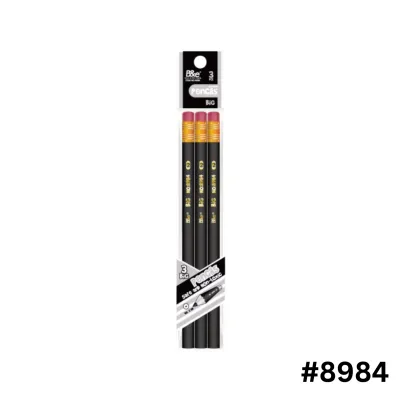
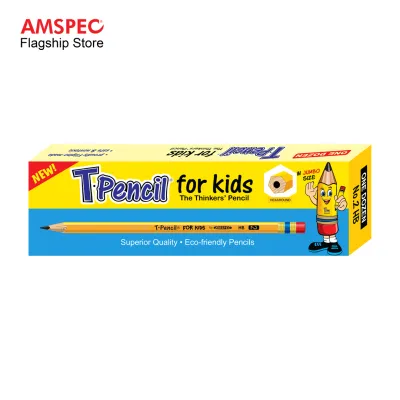
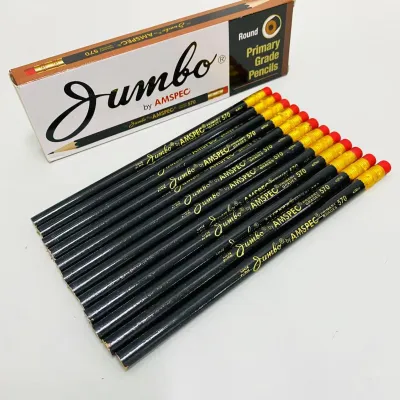
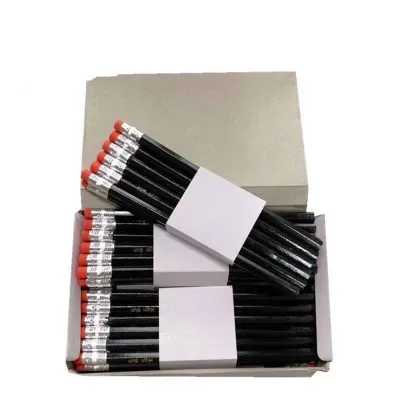
Prices are valid at publication and may change. Please refer to the product page for the latest price.
A jumbo pencil, often referred to as a beginner’s or big pencil, addresses this physiological limitation by providing a much larger surface area for the fingers to grasp. The wider diameter allows the hand to remain in a more open, relaxed position, which significantly reduces the tension in the delicate muscles of the hand and wrist. This relaxed posture prevents the cramping and strain that often accompany early writing sessions. By minimizing physical discomfort, children can focus their mental energy on the cognitive aspects of writing, such as letter formation, spacing, and spelling.
In addition to reducing muscle strain, the physical dimensions of a jumbo pencil naturally encourage the development of a proper tripod grasp. The tripod grasp, where the pencil is held between the thumb and index finger while resting on the middle finger, is a highly efficient and comfortable way to write. Young children typically start with a palmar grasp, using their entire fist to hold the writing tool, before transitioning to a transitional digital grasp, and finally to the mature tripod grasp. The thick barrel of a jumbo pencil makes it physically easier for small fingers to find their place and maintain a stable hold, guiding them gently toward the tripod position without constant verbal corrections from parents or teachers.
The developmental window where a child benefits most from these larger writing tools generally spans from preschool to the early elementary years, typically between the ages of three and seven. During this period, children are transitioning from scribbling and drawing large shapes to tracing lines and copying letters. Introducing a big pencil during this critical phase provides the physical support needed to build muscle memory and coordination. As the child’s hand muscles strengthen and their control improves, the foundation laid by using a supportive, oversized tool will make the eventual transition to standard-sized pencils much smoother and more natural.
Key Features to Look for in a Learning Pencil
When evaluating the wide variety of beginner pencils available on the market, the shape of the barrel is one of the most critical design elements to consider. Traditional pencils are often round or hexagonal, but for early learners, a triangular barrel is highly recommended. The three flat sides of a triangular pencil correspond perfectly to the three fingers involved in a proper tripod grasp: the thumb, the index finger, and the middle finger. This design provides a natural, intuitive guide for finger placement, making it difficult for children to hold the pencil incorrectly. Hexagonal barrels also offer flat surfaces that prevent the pencil from rolling off desks, which is a common distraction in busy classrooms, but they do not guide finger placement as effectively as triangular shapes. Round barrels, while classic, offer no natural grip guidance and can easily roll away, leading to frequent interruptions during study time.

The grade of the lead, or graphite core, is another vital feature that directly impacts a child’s writing experience. Pencil leads are graded based on their hardness and darkness, ranging from hard (H) to soft and dark (B). For young children who are still learning to control the pressure they apply to the paper, a soft lead is highly beneficial. Standard school pencils often use HB lead, which strikes a balance between hardness and darkness. However, for very young learners, slightly softer leads like 2B can be even better. Softer leads deposit dark, highly visible lines on the paper with very little downward pressure. This means a child does not have to press down hard to see their writing, which reduces hand fatigue and prevents them from tearing the paper. It also helps children who have weak grip strength to produce clear, legible marks without frustration.
The quality of the wood casing surrounding the graphite core is a feature that affects both safety and durability. High-quality learning pencils are typically made from soft, straight-grained woods like cedar or basswood. These materials ensure that when the pencil is sharpened, the wood shaves away smoothly without splintering or cracking. Cheap, low-quality wood can leave sharp, jagged edges that pose a splinter risk to young fingers. Furthermore, a well-constructed pencil will have its graphite core perfectly centered within the wood casing. If the lead is off-center, one side of the wood will be thinner than the other, leading to uneven sharpening, frequent lead breakage, and wasted pencil length.
Finally, the overall weight and balance of the pencil should be considered. While a jumbo pencil is thicker, it should not be excessively heavy. A heavy pencil can pull a child’s hand backward, making it difficult to control the tip and causing the hand to tire quickly. A well-balanced learning pencil is lightweight yet sturdy, allowing the child to move the tip across the paper with minimal effort. By carefully checking the barrel shape, lead grade, wood quality, and weight, you can select a tool that is perfectly matched to your child’s physical capabilities and learning stage.
How to Evaluate Grip and Writing Smoothness
Before purchasing a large batch of pencils for the school year, it is highly beneficial to evaluate a single pencil or a small pack to assess its physical performance and comfort. One of the first things to examine is the exterior finish of the pencil barrel. The paint or lacquer coating should be smooth, even, and entirely free of rough spots or bubbles. Because young children frequently chew on their pencils or touch their faces while writing, it is crucial to verify that the finish is non-toxic and lead-free. A high-quality matte or satin finish is often preferable to a high-gloss coating, as it provides a more tactile, non-slip surface that remains easy to grip even when a child’s hands become warm or sweaty in a tropical classroom environment.
Many modern learning pencils feature built-in ergonomic details, such as molded grip zones, non-slip rubber dots, or circular indentations along the barrel. When evaluating these features, observe how your child’s fingers naturally align with them. The indentations or grip zones should be spaced appropriately for small hands, allowing the fingers to rest comfortably without being forced into an unnatural or cramped position. If the grip features are too large or spaced too far apart, they may actually hinder proper hand placement rather than help it. A simple, smooth triangular barrel without complex molded grips is often a highly versatile option, as it allows the child to find their own comfortable hand position along the length of the pencil.
To evaluate the writing smoothness of a pencil, conduct a simple paper test. Gently draw a series of lines and circles on a sheet of standard writing paper, paying close attention to the feedback from the graphite core. The pencil should glide smoothly across the surface without scratching, catching, or requiring significant downward force. Scratchy graphite often indicates a low-quality core containing impurities or large clay particles, which can cause the lead to snap easily and require constant pressure to write. A high-quality graphite core will feel smooth and consistent, producing a dark, even line with minimal effort.
Additionally, observe how easily the graphite smudges. Young children often drag the side of their hand across the paper as they write, which can lead to messy, smudged work and dirty hands if the lead is too soft or powdery. A well-formulated learning pencil will offer a balance between darkness and smudge resistance, ensuring that the child’s hard work remains clean and legible. By taking the time to physically test the grip comfort, finish quality, and writing smoothness, you can ensure that the pencils you choose will provide a pleasant, frustration-free writing experience for your child.
Building Your Shortlist: What to Check Before Buying
Once you have a clear understanding of the features that make a great learning pencil, you can begin building a shortlist of potential options. A critical step in this process is to verify the safety credentials of the products you are considering. Look closely at the product packaging or online descriptions for recognized safety certifications. In many international markets, certifications like the AP (Approved Product) seal from the Art and Creative Materials Institute (ACMI) or compliance with European safety standard EN71 indicate that the product has been rigorously tested and is non-toxic and safe for children. Ensuring these safety standards are met provides peace of mind, especially for younger children who may still put writing tools in their mouths.
Next, consider the practical aspects of purchasing, such as bundle sizes and packaging options. Learning pencils are commonly sold in small packs of three to six, as well as larger bulk boxes. For a child who is just starting out, a small pack is an excellent way to test the pencil’s suitability without a significant financial commitment. Once you have confirmed that a specific pencil works well for your child, purchasing larger bundles or bulk packs is often more cost-effective and ensures you always have a replacement ready when pencils are lost or worn down. Be sure to check your child’s school supply list, as some schools specify the exact quantity and type of jumbo pencils required for the school year.
When shopping for these specialized stationery items in the Philippines, it is important to verify the reliability of the seller to avoid counterfeit or low-quality imitation products. Authentic, high-quality learning pencils are widely available at reputable local bookstores, major department stores, and official brand stores on major e-commerce platforms. Be cautious of unusually low prices on online marketplaces, as counterfeit pencils often use inferior wood that splinters easily and low-grade graphite cores that break constantly. Reading customer reviews, checking for official store badges, and purchasing from established retailers are effective ways to ensure you are receiving genuine, safe, and durable products for your child.
Maintaining Pencils and Transitioning to Standard Sizes
Proper maintenance is key to extending the lifespan of jumbo pencils and ensuring they continue to perform well. Because of their thicker barrels, standard pencil sharpeners will not accommodate these larger tools. You will need to purchase a specialized dual-hole sharpener that features a larger opening specifically designed for jumbo pencils. When sharpening, teach your child to hold the pencil firmly and turn it gently to avoid putting excessive twisting force on the graphite core, which can cause the lead to fracture inside the wood casing. A high-quality sharpener with a sharp, durable blade will shave the wood and graphite smoothly, preventing breakage and extending the life of the pencil.
As your child progresses in their writing journey, you may find that they still need a bit of extra support even after they have outgrown the need for a thick-barreled jumbo pencil. In such cases, supplementary pencil grips made of soft silicone or foam can serve as an excellent transitional tool. These grips can be slipped onto standard-sized pencils, providing a comfortable, ergonomic surface that maintains the familiar thickness of a jumbo pencil while allowing the child to adapt to the lighter weight and different balance of a standard writing tool. This gradual step-down approach can help prevent a regression in grip quality during the transition phase.
Recognizing when your child is ready to transition from jumbo pencils to standard-sized ones involves observing their physical writing habits and motor control. Look for signs such as a consistent, relaxed tripod grasp that does not slip, the ability to write smaller letters within standard notebook lines, and a reduction in hand fatigue during longer writing tasks. If your child can write comfortably and legibly for extended periods without complaining of tired hands, they are likely ready to make the switch. Every child develops at their own pace, so it is important to let their comfort and physical control guide the transition rather than relying solely on their age or grade level.
Frequently Asked Questions (FAQ)
Are triangular jumbo pencils better than hexagonal ones?
Triangular jumbo pencils are generally highly recommended for beginners because their three flat sides naturally align with the thumb, index finger, and middle finger, making it much easier for a child to learn and maintain a proper tripod grasp. The shape physically prevents the fingers from crossing over or gripping too tightly, which is a common issue with round or hexagonal barrels. Hexagonal pencils do offer some benefits, such as preventing the pencil from rolling off a desk, and they can be a suitable option for older children who have already established a correct grip. However, for early learners who are still building basic hand strength and coordination, the intuitive guidance of a triangular barrel provides a significant developmental advantage.
Can I use a standard pencil with a thick grip instead of a jumbo pencil?
Yes, using a standard pencil fitted with a removable silicone or foam grip can be a highly effective and cost-effective alternative to a dedicated jumbo pencil. This setup allows you to customize the grip shape and softness to match your child’s specific needs, and the grip can be easily transferred to new pencils as they wear down. However, there are a few trade-offs to consider. Removable grips can sometimes slide around during use, which can be frustrating for a child, and they add extra weight to the top or middle of the pencil, potentially affecting its balance. A purpose-built jumbo pencil offers a seamless, unified design with consistent weight distribution, making it a highly stable and reliable choice for very young children who are just starting to write.

Community discussion
Share your experience or ask a question. Comments are reviewed before publication.