
Selecting the ideal bouquet wrapper is more than an aesthetic choice; it is a functional decision that directly affects the lifespan, stability, and presentation of your floral arrangements. In tropical environments where high humidity and warm temperatures can cause rapid wilting, the wrapper must act as a protective shield. The right material keeps stems secure, manages moisture levels, and prevents delicate petals from bruising during transport. By understanding how different wrapping papers interact with various flower types, you can create stunning arrangements that remain fresh and structurally sound from the florist’s table to the recipient’s hands.
Understanding Key Wrapper Material Properties
To make an informed choice, you must first evaluate the physical characteristics of common wrapping materials. Stiffness is the primary factor governing structural support. A wrapper with high stiffness can hold its shape and support the weight of heavy stems without buckling or folding inward. Without sufficient stiffness, larger arrangements risk collapsing, which can crush the flowers inside.
Water resistance is equally critical, especially when dealing with fresh-cut flowers that require constant hydration. Standard papers absorb water quickly, leading to structural degradation, tearing, and unsightly water stains. Choosing materials with built-in water barriers ensures the wrapper remains intact even when in direct contact with damp stems or water tubes.
Products mentioned in this guide
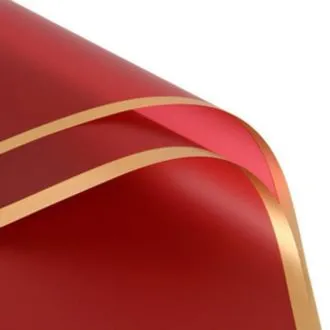
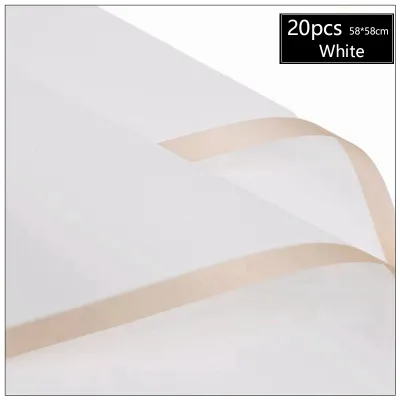
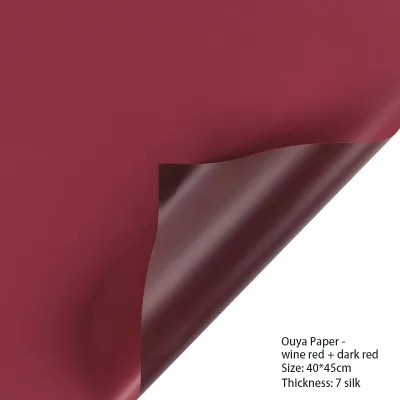
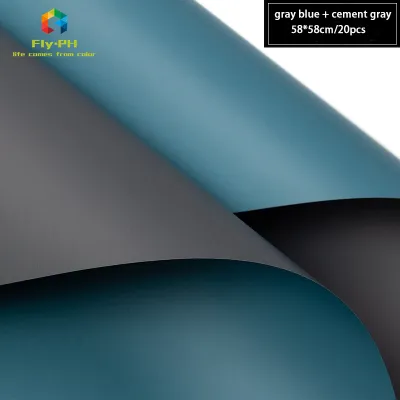
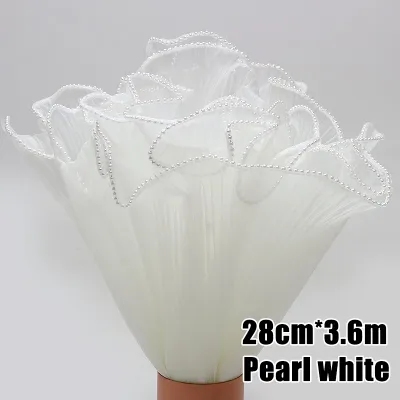
Prices are valid at publication and may change. Please refer to the product page for the latest price.
Breathability and moisture retention also play vital roles in preserving flower quality. Non-breathable plastics can trap heat and condensation, creating a humid microclimate that accelerates petal rot and bacterial growth. Conversely, highly breathable materials allow air circulation, keeping the blooms cool and dry.
Finally, consider the surface texture of the wrapper. Rough or abrasive papers can catch on sensitive petals, causing friction damage and bruising during assembly or transport. Opting for smooth, soft-textured materials protects fragile flower tissues while providing a premium tactile experience.
Matching Wrapper Materials to Specific Flower Types
Every flower species possesses unique biological and structural traits that dictate its wrapping requirements. Matching the physical properties of your wrapper to these specific needs ensures both optimal protection and visual harmony.

Heavy and Large-Stemmed Flowers
Large, heavy-stemmed flowers such as sunflowers, hydrangeas, and thick-stemmed tropical blooms require wrappers that offer exceptional structural integrity. When assembling these substantial arrangements, prioritize high-stiffness materials like heavy-duty kraft paper or thick, matte waterproof films. These materials provide the necessary resistance to bending, ensuring the bouquet maintains its upright, fan-like shape.
Tear resistance is another essential property to verify, particularly at the folding points and binding areas where the stems are tightly bound. Heavy stems can exert significant outward pressure, which easily ruptures flimsy papers. Avoid highly elastic or thin crepe papers for the main structural layers, as they tend to stretch and collapse under the weight of bulky stems, compromising the entire presentation.
Delicate and Easily Bruised Petals
Fragile flowers like tulips, lisianthus, and delicate orchids require a gentle touch to prevent bruising and petal loss. For these sensitive blooms, select wrappers with smooth, soft textures that do not catch or scratch the soft tissues. Korean-style non-woven wrappers and soft, premium tissue papers are excellent choices because they drape elegantly without applying harsh pressure to the flower heads.
When wrapping delicate petals, ensure the material allows for loose, flowing folds rather than tight, rigid structures. This minimizes physical contact with the blooms. Additionally, verify that the wrapping material does not generate static electricity. Static cling can pull at fine petals, causing them to bend, tear, or attract dust particles that mar their natural beauty.
High-Moisture and Water-Sensitive Stems
Fresh flowers that require water tubes, damp cotton wraps, or frequent misting demand careful moisture management. To prevent the outer presentation paper from becoming soggy and tearing, always use a highly water-resistant or waterproof material for the inner layer that directly touches the wet stems. Clear cellophane, frosted plastic sheets, or wax-coated papers serve as excellent moisture barriers.
While the inner layer must block water, the outer layers should still allow adequate airflow. Completely sealing a wet arrangement in non-breathable plastic can trap heat and condensation, leading to rapid bacterial growth and stem rot. Look for manufacturer specifications or product labels that indicate moisture-barrier capabilities to ensure your chosen wrapper can handle wet environments.
Dried and Preserved Flowers
Dried and preserved botanicals have entirely different requirements than fresh blooms, as they are highly sensitive to moisture and extremely brittle. For these arrangements, select highly breathable materials like dry kraft paper, textured mesh, or lightweight parchment. These papers do not trap ambient humidity, which is crucial because excess moisture can cause dried flowers to soften, lose their shape, or develop mold.
Because dried stems are brittle and prone to snapping, avoid excessively stiff or rigid papers that require forceful folding near the binding point. Instead, focus on soft, pliable wrappers that can be shaped gently around the delicate stems. Since water resistance is not a factor, you can prioritize unique surface textures, color retention, and aesthetic pairings to complement the rustic charm of preserved arrangements.
Planning Structural and Aesthetic Layers
Creating a professional-looking bouquet often involves combining multiple wrapper materials to balance structural support with visual appeal. A multi-layered approach allows you to address different functional needs simultaneously. For instance, placing a waterproof inner layer directly against the damp stems protects the outer decorative paper from moisture damage, ensuring the entire package remains clean and dry.
Layering also provides an opportunity to play with contrasting textures and finishes, which enhances the natural colors and shapes of your flowers. Pairing a matte, solid-colored outer wrap with a glossy, translucent inner sheet creates depth and visual interest. You can also combine a rustic, textured mesh with a smooth, solid-colored paper to highlight the delicate details of the petals.
When planning your layers, adjust the number of sheets and your folding techniques based on the overall size of the bouquet and the thickness of the stems. Smaller, single-stem arrangements may only require one or two light sheets to avoid overwhelming the flower. In contrast, large, multi-flower bouquets benefit from multiple overlapping layers that distribute the weight evenly and provide a full, luxurious appearance.
Always strive to balance the visual weight of the wrapper with the volume of the floral arrangement. A wrapper that is too large or bulky can swallow small flowers, while a wrapper that is too small will fail to frame a large bouquet properly. Keep your folds clean and intentional, ensuring the wrapping serves to elevate, rather than distract from, the natural beauty of the blooms.
Pre-Purchase and Pre-Wrap Verification Checklist
Before purchasing wrapping sheets or cutting your paper, performing a few quick checks can save time and prevent wasted materials. First, verify the sheet dimensions. Standard wrapping sheets often measure around 50 centimeters by 50 centimeters, but larger bouquets may require wider rolls to ensure adequate coverage and folding allowance.
Next, conduct a simple fold test on a small corner of the paper. Observe how the material creases, whether it retains its shape (structural memory), and if the edges fray or tear easily when folded sharply. This test helps you understand how the paper will behave during the actual wrapping process.
Always review the manufacturer’s care instructions and material composition labels. Look for terms like “waterproof OPP,” “non-woven,” or “wet-strength paper” to confirm the material’s suitability for fresh, wet stems.
If the water resistance of a paper is unverified, test a small offcut by placing a few drops of water on the surface. Observe the absorption rate and check if the paper softens, bleeds color, or loses its structural integrity when wet. If the paper degrades quickly, it should only be used as an outer decorative layer paired with a waterproof inner liner.
Frequently Asked Questions (FAQ)
Can I use standard craft paper for wrapping fresh flowers?
Standard craft paper lacks inherent water resistance and will quickly absorb moisture from wet stems or water tubes. When it becomes wet, standard craft paper loses its structural integrity, tears easily, and can develop unsightly water stains. If you wish to use craft paper for its rustic aesthetic, you must use a waterproof inner barrier, such as a plastic sleeve or cellophane wrap, to isolate the damp stems from the outer paper.
How do I prevent the wrapper from sliding down the stems?
To prevent the wrapper from sliding, secure the stems tightly at the binding point with floral tape, twine, or wire before applying the paper. This creates a solid, non-slip anchor. When wrapping, incorporate structural folds, pleats, or collars near the binding point. These folds increase friction and allow the paper to grip the stems naturally, ensuring the wrapper stays firmly in place during transport.

Community discussion
Share your experience or ask a question. Comments are reviewed before publication.