
Choosing the right cat sticker for your bullet journal is more than just finding an adorable illustration of a sleeping kitten or a playful tabby. The material and format of the sticker dictate how well it integrates with your notebook pages, how easily you can write around or on top of it, and whether your journal will close flat at the end of the month. Selecting the wrong material can lead to bulky pages, smudged ink, or torn paper fibers that ruin a carefully planned layout.
To build a cohesive and functional journal, you must match the sticker’s physical properties to your specific page layout and writing tools. Matte paper stickers offer a writable surface that blends seamlessly with daily logs, while flexible washi tape formats allow for repositionable borders and creative layering. Meanwhile, durable vinyl and clear polyester stickers provide high-contrast visual impact but require specialized pens and careful placement to avoid excessive page bulk.
A Quick Guide to Cat Sticker Materials for Bullet Journaling
Every sticker material brings a unique set of physical characteristics to your bullet journal spreads. Standard paper stickers are fibrous and thin, making them excellent for everyday layouts where you want to keep page bulk to a minimum. Vinyl and clear plastic stickers, on the other hand, are synthetic, dense, and completely waterproof, offering a bold and modern look that stands out on the page.
Products mentioned in this guide
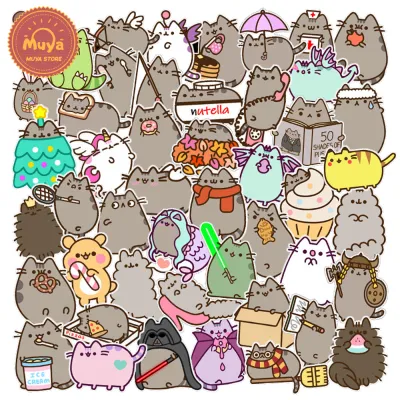
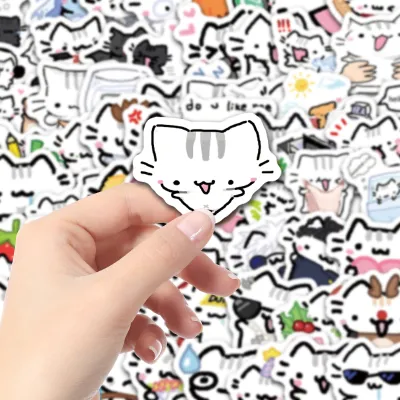
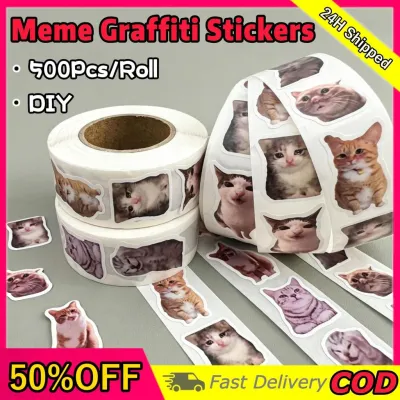

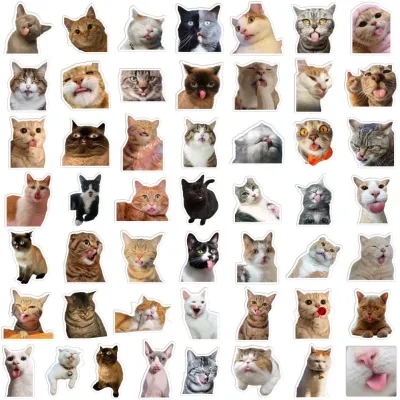
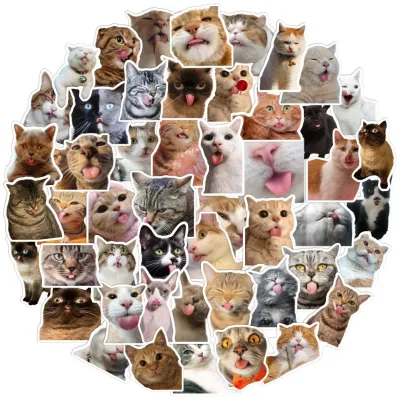
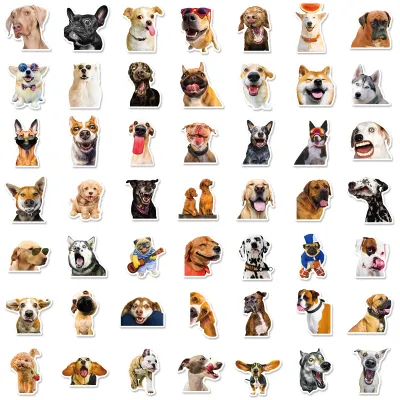
Prices are valid at publication and may change. Please refer to the product page for the latest price.
Washi stickers, made from traditional Japanese paper fibers, occupy a middle ground by offering a semi-transparent finish that mimics the texture of your notebook pages. Because washi is naturally thin, it layers beautifully without creating thick ridges that interfere with your writing on subsequent pages. Your choice among these materials should align directly with your journaling style, whether you prioritize functional tracking or heavy, artistic collage work.
Adhesive strength and paper thickness are critical factors that influence how your journal behaves over time. Thick stickers with aggressive adhesives can cause pages to curl, especially in humid tropical climates like the Philippines, where paper fibers naturally absorb moisture and soften. Understanding how these materials interact with your notebook’s paper weight ensures your spreads remain flat, neat, and easy to write on.
Paper Stickers: Ideal for Writing and Layering
Paper cat stickers are highly versatile because they behave almost exactly like the pages of your journal. They are typically available in two primary finishes: matte and glossy. Matte paper stickers feature an uncoated, open-fiber surface that readily absorbs water-based inks, making them highly compatible with gel pens, fountain pens, and fine-liners. Glossy paper stickers have a slick, sealed coating that enhances color vibrancy but causes water-based inks to pool and smudge instead of drying.

If you enjoy customizing your layouts, matte paper stickers are incredibly useful for functional journaling. You can write dates, daily tasks, or mood ratings directly onto a matte cat silhouette without worrying about ink feathering or smearing. This makes them excellent for creating custom mood trackers, where each cat sticker represents a day of the month waiting to be colored in or labeled.
However, standard paper stickers have distinct limitations when it comes to durability and flexibility. They lack water resistance, meaning a single spill or damp fingerprint can ruin the design and cause the ink to run. Additionally, paper stickers almost always use permanent acrylic adhesives; attempting to reposition a misplaced paper sticker will almost certainly tear your journal page and destroy the sticker itself.
Vinyl and Clear Stickers: Durability and Visual Impact
Vinyl and clear plastic (often PET) cat stickers are designed for maximum durability and visual pop. Because they are completely waterproof and resistant to tearing, they are highly suited for high-wear areas of your journal. Applying a cute vinyl cat sticker to your journal’s outer cover, monthly divider tabs, or frequently referenced index pages ensures the design remains pristine throughout months of daily handling.
Clear PET stickers offer a unique aesthetic advantage by eliminating the white border common to paper stickers. When applied to a dotted or grid page, the transparent background allows the underlying grid lines to show through, making the cat illustration look as if it were printed directly onto the page. This seamless look is perfect for creating clean, modern layouts that do not feel cluttered.
Despite their visual appeal, synthetic stickers present unique writing challenges. Standard gel pens, fountain pens, and water-based brush markers will not dry on vinyl or PET surfaces, resulting in immediate smudging if touched. If you need to write on or near these stickers, you must use specialized permanent markers or multi-surface pigment pens. Furthermore, because vinyl is significantly thicker than paper, using too many vinyl stickers in a single notebook will cause the binding to bulge, preventing the journal from laying flat.
Washi Tape and Die-Cut Formats for Layout Flexibility
Washi tape and washi-style stickers offer unparalleled flexibility for bullet journal enthusiasts who love to experiment with layouts. Because washi is made from highly flexible, translucent plant fibers, it conforms perfectly to the page without adding noticeable weight or thickness. Cat-patterned washi tape is incredibly useful for framing pages, dividing columns, or creating custom decorative borders that tie a weekly spread together.
When shopping for cat stickers, you will encounter both die-cut and kiss-cut formats. Die-cut stickers are cut individually through both the sticker and the backing paper, making them great for collecting or gifting but sometimes tricky to peel. Kiss-cut stickers are supplied on a larger sheet where only the top sticker layer is cut, allowing you to peel small cat icons quickly and place them precisely within tight 5mm grid spaces.
The defining feature of washi-based adhesives is their low-tack, pressure-sensitive nature. Unlike permanent paper or vinyl glues, washi adhesive allows you to lift, reposition, and adjust your stickers multiple times without tearing delicate notebook pages. This makes washi cat stickers the perfect choice for beginners who are still finding their footing with page layouts and want a forgiving, adjustable medium.
Matching Sticker Materials to Your Journaling Style
To get the most out of your stationery collection, align your sticker materials with your daily journaling habits. If you run a minimalist or highly functional planner, your primary goal is utility and speed. For this style, small matte paper cat stickers and tiny kiss-cut icons work best, as they serve as excellent bullet points or habit trackers without cluttering your writing space or adding unnecessary bulk.
For those who treat their bullet journal as a creative outlet, scrapbook and collage styles offer the perfect playground for mixing materials. You can build rich, textured spreads by layering a translucent washi cat sticker over torn kraft paper, anchoring the corner with a strip of patterned tape, and adding a glossy paper sticker as a vibrant focal point. The contrast between matte, glossy, and semi-transparent textures adds visual depth to your pages.
Regardless of your style, always consider how sticker dimensions interact with standard notebook grids. Most bullet journals utilize a 5mm dot grid pattern. A 15mm washi tape or sticker fits exactly across three grid squares, making alignment simple and neat. Before purchasing larger die-cut stickers, measure your planned layout columns to ensure the sticker will not cover critical tracking areas or crowd out your daily task lists.
What to Verify Before Buying Cat Stickers Online
Shopping on online marketplaces offers an endless variety of cat stickers, but it requires a careful eye to avoid low-quality products. Always verify the exact dimensions of the stickers in millimeters or inches rather than relying solely on product photos. Sellers often use close-up photography that makes a tiny 10mm sticker look large enough to fill half a page, which can lead to disappointment upon delivery.
Next, examine the product descriptions for details on paper weight and adhesive type. If you are looking for budget-friendly options, you can easily find sheets starting under ₱50, but ensure they specify the material type. Avoid listings that do not clarify whether the stickers are matte paper, glossy paper, or vinyl, as cheap, generic adhesives can sometimes seep past the edges of the sticker over time, causing your journal pages to stick together when closed.
Finally, take the time to read through customer reviews and look at user-submitted photos. Pay close attention to feedback regarding cutting precision, as off-center kiss-cuts can leave ugly white borders on one side of your cat designs. In humid regions, check if buyers mention how the stickers are packaged; sellers who ship stickers in rigid cardboard sleeves protect them from bending and moisture damage during transit far better than those using flimsy paper envelopes.
Frequently Asked Questions (FAQ)
Can I use standard paper cat stickers on thin journal pages without bleed-through?
Yes, standard paper cat stickers are safe to use on thin journal pages because the sticker itself acts as a physical barrier that prevents ink from touching the page directly. However, the adhesive itself can sometimes cause issues. If the sticker uses a heavy, wet adhesive, or if you write on top of the sticker using a very wet fountain pen, it can cause thin notebook pages (such as 52 GSM or 68 GSM paper) to buckle or show ghosting on the reverse side. To prevent this, check your notebook’s paper weight and test a single sticker on a blank back page before committing to a full layout.
How do I safely remove a misplaced vinyl sticker from my bullet journal?
Because vinyl stickers use strong, permanent adhesives, pulling them off quickly will tear the underlying paper fibers of your journal. To remove one safely, apply gentle heat using a hairdryer on its lowest setting, holding it a few inches away from the page for a few seconds to soften the adhesive. Once the glue is warm, slowly peel the sticker back at a sharp, flat angle parallel to the page rather than pulling straight upward. Avoid using liquid adhesive removers or solvents, as they will saturate the paper, dissolve your pen ink, and leave permanent oily stains on your journal pages.

Community discussion
Share your experience or ask a question. Comments are reviewed before publication.