
Choosing the right modeling clay for your art project depends on three main factors: the final purpose of your creation, the tools and equipment you have at home, and the level of detail you want to achieve. If you are making a functional coffee mug that needs to hold hot liquids, you will need a completely different material than if you are sculpting a delicate pair of earrings or a quick school model. Matching your project’s physical requirements to the correct clay type ensures your hard work does not crack, melt, or break over time.
Assess Your Project Goals and Workspace Constraints
Before purchasing any sculpting material, evaluate what will happen to your finished piece. Will it sit safely on a shelf as a decorative display, or must it withstand daily handling, washing, and contact with food? Functional items like bowls, cups, and plates require food-safe, waterproof finishes that only specific high-temperature clays can provide. On the other hand, decorative figurines, wall hangings, and prototypes can be made with simpler, low-temperature or air-curing materials.
Next, look closely at your workspace and available equipment. Some clays cure at room temperature but require a dry, well-ventilated space free from extreme drafts. In tropical climates like the Philippines, high ambient humidity can significantly extend drying times, which is a crucial factor to plan for. Other materials require a standard household kitchen oven to cure, meaning you must have reliable temperature controls and proper ventilation to exhaust mild fumes. Finally, traditional pottery clays require a specialized kiln that reaches temperatures over 1,000°C—an appliance not found in a typical home.
Products mentioned in this guide
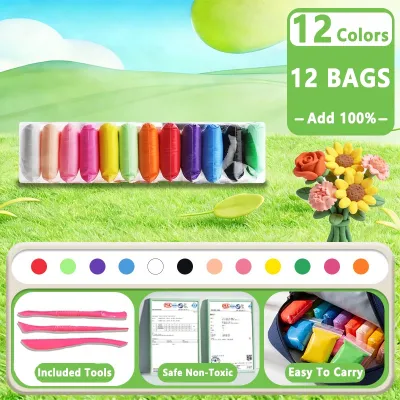
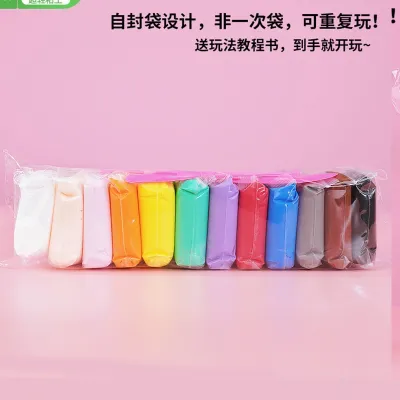
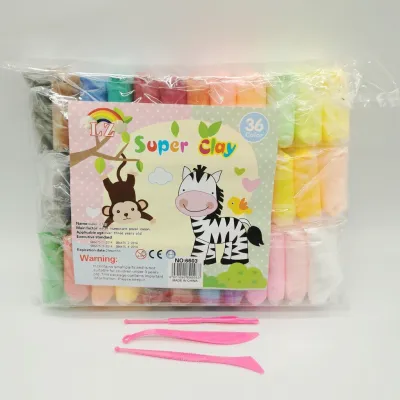
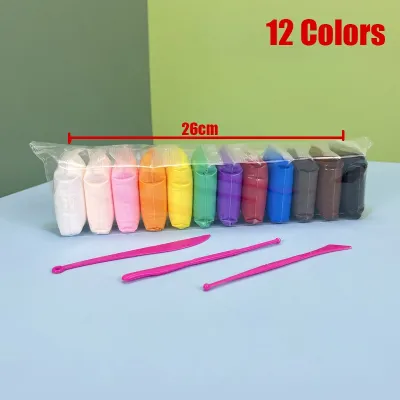
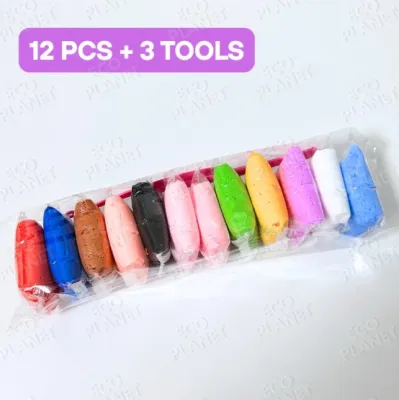
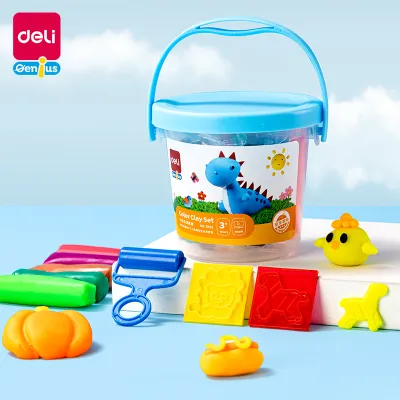
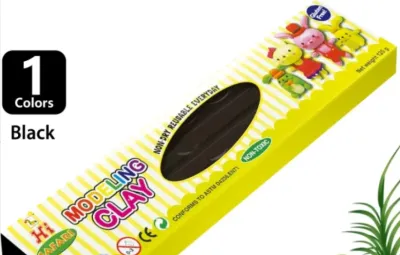
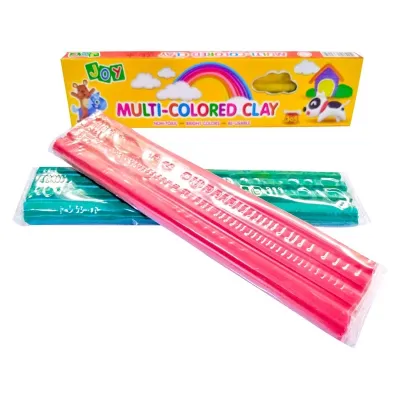
Prices are valid at publication and may change. Please refer to the product page for the latest price.
Your skill level and the time you can commit also play a role. Some clays dry quickly and must be worked in small sections, while others remain workable indefinitely until you apply heat. Understanding these constraints upfront prevents the frustration of choosing a material you cannot properly cure or finish in your current environment.
Understand the Three Main Types of Modeling Clay
Modeling clays generally fall into three primary categories, each defined by how it hardens and its final structural strength. Air-dry clay, polymer clay, and ceramic clay use entirely different chemical and physical processes to transform from a soft, malleable paste into a solid object. Selecting the right one is not a matter of finding a single universal option, but rather matching these curing mechanisms to your project’s physical needs and your available tools.

Air-Dry Clay: Best for Decorative and Beginner Projects
Air-dry clay is an accessible, water-based material that hardens at room temperature through simple evaporation. It is highly suitable for large, armature-based sculptures, school crafts, and rapid prototyping because it does not require specialized heating equipment. You can easily shape it with your hands or basic wooden tools, and you can join pieces together using a little water or clay slip.
However, air-dry clay has distinct physical limitations. Because it cures by losing water, it shrinks slightly as it dries, which can lead to cracking if the piece is dried too quickly or wrapped around a rigid, non-yielding internal support. It is not naturally waterproof or food-safe; exposure to moisture will cause it to soften and degrade. To protect your finished piece from ambient humidity, you must apply a protective sealant. Always check the manufacturer’s label to verify the recommended drying times and compatible varnishes or acrylic sealants for your specific brand.
Polymer Clay: Best for Detail, Jewelry, and Miniatures
Polymer clay is a synthetic modeling material composed of polyvinyl chloride (PVC) binders and liquid plasticizers. It is the ideal choice for intricate jewelry, small figurines, and highly detailed surface textures because it does not dry out while you work. You can spend days refining a sculpture without worrying about the material hardening prematurely.
This clay cures through heat polymerization, typically requiring a standard home oven set between 110°C and 135°C. Because precise temperature control is critical, using an independent oven thermometer is highly recommended; under-baking leaves the clay weak and crumbly, while over-baking can scorch the material and release irritating fumes. Polymer clay can also become brittle if sculpted into very thin, unsupported shapes. Before starting, read the product packaging carefully to verify the exact baking instructions, ventilation requirements, and compatibility with internal armature wires or foil cores.
Ceramic Clay: Best for Functional and Durable Pottery
Ceramic clay consists of natural clay minerals and water, requiring extreme heat to undergo a permanent chemical transformation. This is the traditional material used for mugs, bowls, planters, and heavy-duty sculptural pieces. Once fired in a specialized kiln and coated with appropriate glazes, ceramic clay becomes incredibly durable, waterproof, and safe for food and microwave use.
The primary limitation of ceramic clay is its demanding workflow and equipment requirements. It cannot be cured in a home oven or left to dry as a finished product; it must undergo a multi-stage firing process in a kiln at a professional pottery studio or school. Working with ceramic clay is also a messy process that requires dedicated space, water management to prevent clay from clogging household pipes, and specialized tools like pottery wheels. Before purchasing ceramic clay, consult your local studio or supplier guidelines to ensure the clay body matches the firing temperature (cone rating) of the kiln you plan to use.
Match Your Project to the Right Clay Type
To make your final decision, map your specific project goals against the physical properties and equipment requirements of each clay type. If you are crafting wearable jewelry like earrings or small charms, polymer clay is almost always the most practical choice due to its detail retention and lightweight finish. If you want to build a large, rustic vase that will hold fresh flowers and water, you must use ceramic clay. For a decorative wall hanging or a relief sculpture that will be painted and displayed indoors, air-dry clay offers the easiest path.
| Project Goal | Required Equipment | Recommended Clay Type |
|---|---|---|
| Intricate jewelry, beads, and miniatures | Household oven, oven thermometer | Polymer Clay |
| Large decorative sculptures, school models | Open workspace, acrylic sealant | Air-Dry Clay |
| Functional mugs, bowls, and outdoor planters | Pottery kiln, specialized glazes | Ceramic Clay |
If you find that your ideal clay type requires equipment you do not have, such as a kiln, consider scaling down or adapting your project. For example, instead of making a functional ceramic mug, you could use polymer clay to create a decorative pen holder, or use air-dry clay to make a dry-pot planter insert that does not come into direct contact with water.
Pre-Purchase Checklist and Label Verification
Before spending your money at an art supply store or an online marketplace, run through a quick pre-purchase checklist to ensure you have everything needed for a successful project. First, inspect the product packaging for specific curing instructions, shelf life, and safety certifications. Look for clear labels indicating whether the clay is non-toxic, especially if you are working in a shared household space.
Next, identify and budget for the supplementary materials required to finish your project. For air-dry clay, you will need to purchase a compatible acrylic sealer or varnish to protect the surface from tropical humidity. For polymer clay, an inexpensive oven thermometer is essential to verify your oven’s actual temperature, as built-in dials are often inaccurate. If you are buying ceramic clay, confirm the exact firing range (such as Cone 5 or Cone 6) and ensure your local firing service can accommodate that specific temperature.
If you notice any conflicts between your project design and the clay’s stated limitations on the packaging—such as a clay labeled “not water-resistant” for an outdoor project—stop and consult the manufacturer’s guidelines or ask a local art supplier for advice before proceeding.
Frequently Asked Questions (FAQ)
Can I mix different types of clay together?
No, you should not mix different types of clay together into a single composite body. Air-dry, polymer, and ceramic clays have completely incompatible curing mechanisms. Air-dry clay hardens as water evaporates, polymer clay requires moderate oven heat to fuse plasticizers, and ceramic clay must undergo high-temperature chemical changes in a kiln. Mixing them will cause the piece to crack, warp, or even melt and burn during the curing process. If your design requires multiple clay types, sculpt and cure each component separately according to its specific instructions, then join them afterward using a suitable multi-surface adhesive.
Is air-dry clay safe for children to use?
Many air-dry clays are formulated specifically for children and beginners, but you must always verify this by checking the product label for recognized non-toxic safety certifications. Even when using certified non-toxic clay, children should be supervised to prevent them from putting the material in their mouths or swallowing it. Ensure that children wash their hands thoroughly with soap and water after sculpting, and clean the workspace to remove any dried clay dust. Avoid using professional-grade air-dry clays that contain added fibers or chemical binders unless the packaging explicitly states they are safe for younger users.

Community discussion
Share your experience or ask a question. Comments are reviewed before publication.