
Selecting the right clay for your creative project depends entirely on your functional requirements, the tools you have at home, and how durable you need the finished piece to be. By evaluating whether your item can simply dry in the air, bake in a standard home oven, or requires the extreme heat of a professional kiln, you can immediately narrow down your material choices. Each type of clay offers distinct advantages, but choosing the wrong one can lead to cracked sculptures, broken pieces, or unsafe items.
To make an informed decision, you must look beyond the initial sculpting process and consider the entire lifecycle of your creation. A delicate pair of earrings, a functional coffee mug, and a decorative tabletop figurine all demand completely different physical properties. Matching your specific project goals to the correct clay type ensures your hard work survives the curing process and lasts for years to come.
Diagnose Your Project Requirements Before Choosing Clay
Before purchasing any materials, evaluate your workspace and the equipment you have available. If you do not own a specialized oven or have access to a local pottery studio with a kiln, your options will naturally lean toward air-dry or polymer clays. Working with traditional ceramic clay is highly rewarding, but it is practically impossible to complete without a kiln that can reach temperatures exceeding 1,000 degrees Celsius.
Products mentioned in this guide
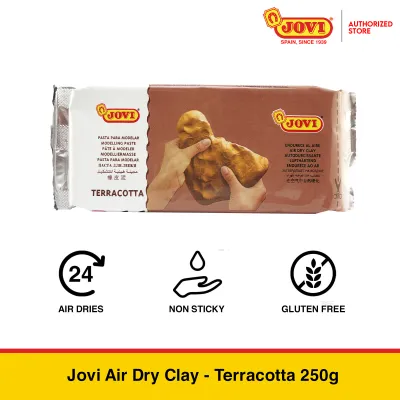
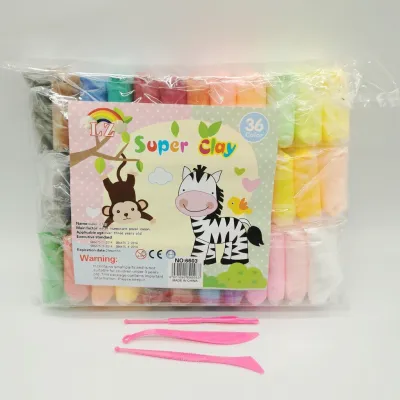
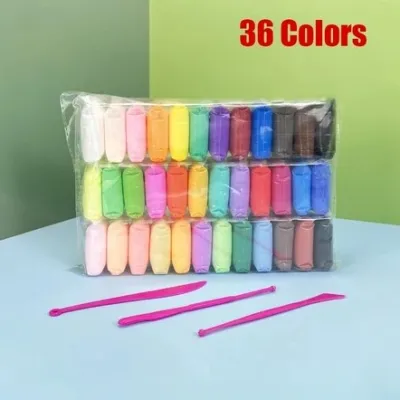
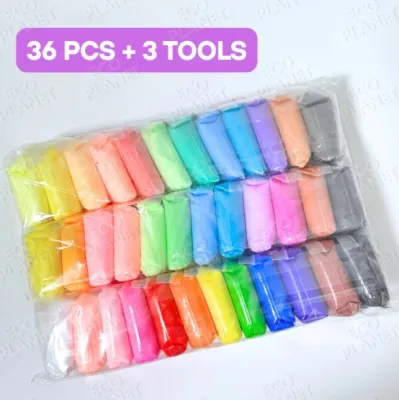
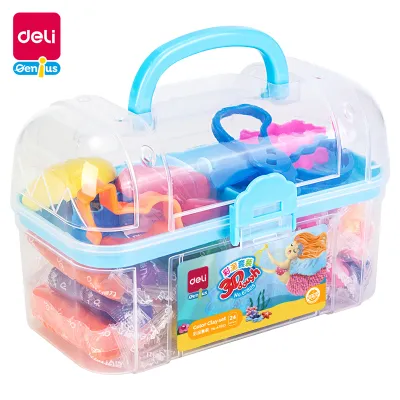
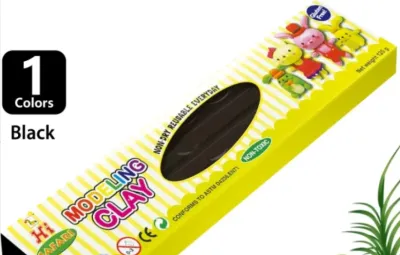
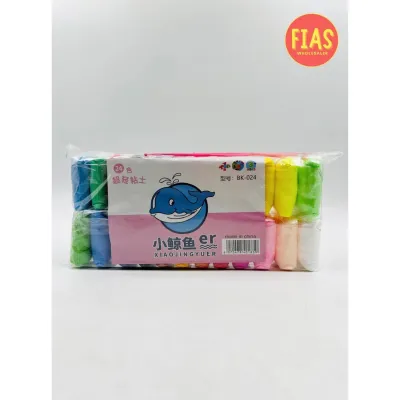
Prices are valid at publication and may change. Please refer to the product page for the latest price.
Next, consider the intended function of your finished piece. If you plan to create items that will hold water, sit outdoors in tropical weather, or come into direct contact with food and beverages, ceramic clay is the only suitable option. Neither air-dry nor polymer clay can be made truly food-safe or completely waterproof, even when coated with commercial sealants. For decorative items, jewelry, or small scale models, however, the non-ceramic options are highly practical and much easier to manage.
Finally, assess your crafting environment, skill level, and who will be handling the material. If you are crafting with young children, non-toxic, water-based air-dry clays are generally the safest and most forgiving choice. If you are working with polymer clay, you must ensure your workspace has excellent ventilation, as the baking process can release mild fumes that should not be inhaled in enclosed spaces.
Air-Dry Clay: When to Choose Kiln-Free Crafting
Air-dry clay is an incredibly accessible medium because it requires absolutely no heat to cure. The material hardens through simple water evaporation, making it an excellent choice for casual crafters, school projects, and quick decorative items. However, because it relies on evaporation, the ambient climate plays a massive role in how the clay behaves. In highly humid tropical environments, such as during the rainy season in the Philippines, air-dry clay can take several days to dry completely, and thick pieces may trap moisture inside, leading to mold or structural weakness.

To minimize the risk of cracking as the water evaporates, manage the thickness of your sculpts. Thick sections shrink as they dry, which can cause deep fissures if the outer layer dries much faster than the core. Building your piece over an armature, such as crumpled aluminum foil or wire, reduces the volume of clay needed and promotes even drying. Keep in mind that cured air-dry clay remains highly sensitive to moisture; exposing an unfinished piece to water will cause it to soften and eventually dissolve.
To protect your completed air-dry clay projects, post-drying finishing is essential. Once the piece is completely dry and lightweight, you can gently sand away rough spots using fine-grit sandpaper. Applying a high-quality acrylic paint followed by a clear, water-resistant varnish or polyurethane sealant will help shield the surface from humidity and minor splashes. While this sealing process improves durability, it still does not make the item waterproof or safe for holding water or food.
Polymer Clay: When to Choose Home-Oven Baking
Polymer clay is a synthetic material composed of polyvinyl chloride (PVC) binders and liquid plasticizers, making it highly versatile for detailed work. Unlike water-based clays, polymer clay will not dry out when left exposed to the air, allowing you to work on intricate designs over multiple days without rushing. It is the premier choice for making detailed jewelry, miniature figurines, and complex patterned canes, as it holds fine details exceptionally well and does not shrink during the curing process.
Curing polymer clay requires a standard home oven or a dedicated toaster oven, but temperature accuracy is critical. If your oven runs too cool, the plasticizers will not fully fuse, leaving your finished piece brittle and prone to crumbling. If the oven runs too hot, the clay will burn, releasing unpleasant and potentially harmful fumes. Using an independent oven thermometer is highly recommended to verify that your oven is maintaining the exact temperature specified by the manufacturer, which is typically between 110 and 135 degrees Celsius.
Once properly baked and cooled, polymer clay is remarkably durable, slightly flexible, and completely waterproof. It can withstand being dropped without shattering, making it ideal for wearable art like earrings and hair accessories. However, despite its water resistance, cured polymer clay is not food-safe and should never be used for functional kitchenware. Additionally, you should always bake polymer clay in a well-ventilated room, and avoid using the same baking sheets for food preparation unless they are lined with protective parchment paper.
Ceramic Clay: When to Choose Kiln-Fired Durability
Traditional ceramic clay is the ultimate material for creating functional, heirloom-quality items like mugs, bowls, plates, and heavy-duty outdoor planters. This natural clay consists of mineral particles that undergo a permanent chemical transformation when fired in a kiln at extreme temperatures. This process, known as vitrification, fuses the silica within the clay into a glass-like structure, giving the finished piece unmatched strength, density, and longevity.
Working with ceramic clay requires a significant commitment to equipment and specialized processes. You must have access to a professional kiln, as a standard home oven cannot reach the temperatures required to fire clay. Additionally, working with dry ceramic clay produces fine silica dust, which can be hazardous to your lungs over time; this requires proper wet-cleaning techniques in your workspace and the use of a dust mask when handling dry materials. You will also need to learn about different glaze types, which are applied and fired in a second kiln run to create a smooth, hygienic, and food-safe surface.
You must also account for significant shrinkage and a lengthy production timeline when choosing ceramic clay. As the clay dries from its wet state to “greenware,” and then undergoes both bisque and glaze firings, it will shrink by anywhere from 5% to 15% depending on the specific clay body. This means you must sculpt your items larger than your desired final dimensions. The entire process, from initial shaping to the final glaze firing, can take several weeks, making it a slow but incredibly rewarding craft.
Quick Comparison: Matching Clay to Your Project Goals
To finalize your choice, compare these three clay types across key practical categories. Air-dry clay is the most affordable and easiest to start with, requiring zero equipment investment, but it offers the lowest durability and zero water resistance. Polymer clay occupies a highly convenient middle ground; it requires a modest investment in a home oven or toaster oven, offers excellent durability for small items, and is highly water-resistant, though it remains unsuitable for food contact.
Ceramic clay represents the highest tier of durability, offering complete waterproofing and food safety, but it carries the highest barrier to entry. You must factor in either the cost of purchasing a kiln or the fees associated with renting kiln space at a local pottery studio, which can range from a few hundred to several thousand ₱ per firing. For quick crafts, gifts, or school projects, air-dry clay is ideal. For detailed hobbies, jewelry making, and small sculptures, polymer clay is unmatched. For functional kitchenware and professional pottery, ceramic clay is the only viable option.
Frequently Asked Questions (FAQ)
Can I make food-safe items with air-dry or polymer clay?
Air-dry and polymer clays are not safe for direct contact with food or beverages. Air-dry clay is highly porous and will absorb moisture, creating a breeding ground for bacteria that cannot be washed away. Polymer clay is a synthetic plastic that can leach chemical plasticizers into food or liquids, especially when exposed to heat. Even if you apply a clear commercial sealant, these coatings can degrade over time or chip off into your food. For functional kitchenware like mugs, plates, and bowls, you must use traditional ceramic clay that has been fired and coated with a certified food-safe glaze.
What happens if my home oven temperature fluctuates while baking polymer clay?
Temperature fluctuations during the baking process can ruin your polymer clay creations. If your oven temperature drops too low, the clay will under-bake, meaning the plastic polymers will not fuse completely, resulting in a weak, brittle piece that breaks easily. Conversely, if the temperature spikes too high, the clay will scorch, bubble, and burn, releasing dark, irritating fumes. Because built-in oven dials are notoriously inaccurate, you should always place an inexpensive, independent oven thermometer inside your oven to monitor the actual temperature throughout the baking cycle.
How should I store leftover clay to prevent it from drying out or degrading?
Proper storage depends entirely on the type of clay you are using. For water-based materials like air-dry and ceramic clays, you must prevent moisture loss by wrapping the leftover clay tightly in plastic wrap, placing it in an airtight container, and adding a damp sponge or misting it lightly with water. For polymer clay, moisture loss is not an issue, but you must protect it from dust, heat, and direct sunlight, which can initiate a slow curing process. Store polymer clay in a cool, dark place wrapped in wax paper or placed inside polypropylene plastic containers, keeping it away from materials like polystyrene, which can react chemically with the clay’s plasticizers.

Community discussion
Share your experience or ask a question. Comments are reviewed before publication.