
Choosing the right clay molding set requires matching the user’s developmental stage, physical capabilities, and creative goals with the appropriate materials. For young children, the primary focus centers on safety, ease of use, and developing basic motor skills. Older children and adults, however, require materials and tools that can handle intricate details, structural integrity, and advanced curing methods. By understanding how different clays interact with various mold types, you can select a set that provides a rewarding crafting experience.
In tropical climates like the Philippines, environmental factors such as high humidity and ambient warmth also play a significant role in how modeling materials behave. Clay that remains too soft in the heat or fails to dry evenly in humid air can quickly turn a fun project into a sticky challenge. Evaluating the physical properties of both the clay and the molds ensures your projects cure correctly and release cleanly every time.
Matching Mold Complexity to Age and Motor Skills
Toddlers are in a rapid stage of physical development where they are building hand strength and bilateral coordination. For this age group, look for clay molding sets that feature large, simple, single-piece molds. Shapes like basic stars, circles, or animal silhouettes allow toddlers to press the clay using their entire palm rather than relying on precise finger pressure. These oversized designs prevent frustration, allowing young children to successfully produce recognizable shapes while practicing basic motor skills.
Products mentioned in this guide
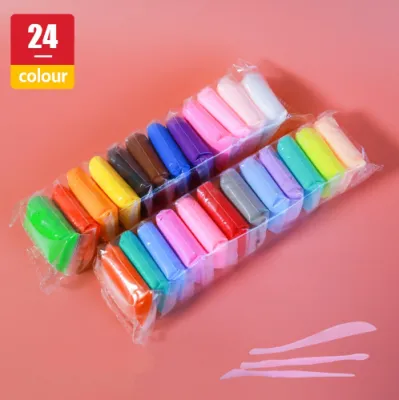
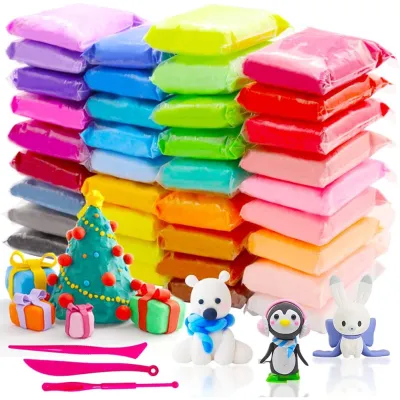
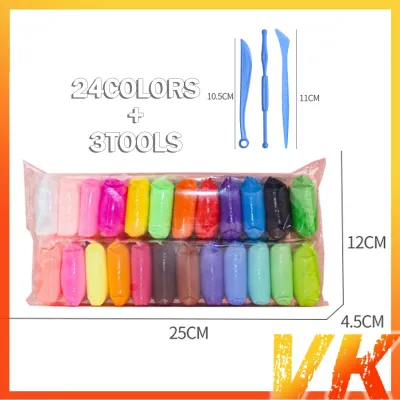
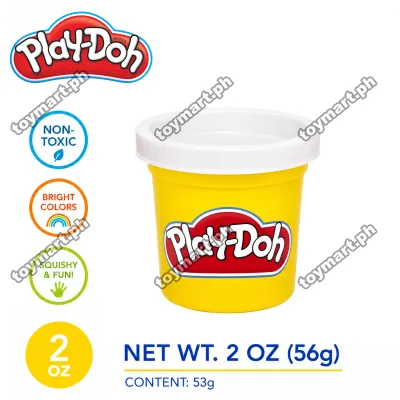
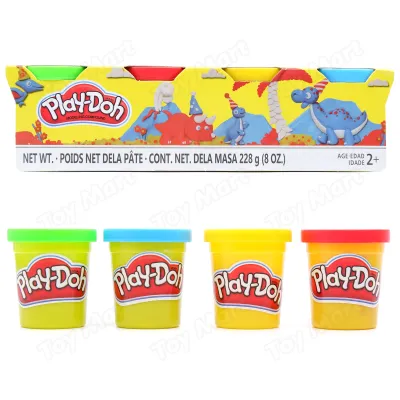
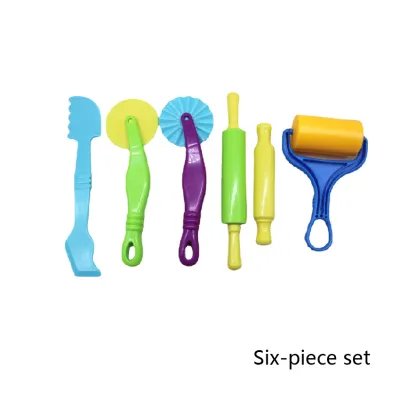
Prices are valid at publication and may change. Please refer to the product page for the latest price.
As children transition into middle childhood, their fine motor skills and spatial awareness become more refined. Older kids can comfortably manage multi-part molds, such as two-sided press molds that snap together to create three-dimensional figures. These sets introduce moderate details, requiring children to align the mold halves correctly and apply even pressure across the surface. Working with these templates challenges their problem-solving abilities and helps them understand spatial relationships in three dimensions.
Adults and advanced crafters require a completely different level of mold complexity to achieve satisfying results. Advanced sets utilize highly intricate molds, often made of flexible silicone, designed to capture fine textures like leaf veins, facial features, or miniature architectural patterns. Working with these molds demands precise pressure, careful clay alignment, and a delicate touch during the extraction process. Without proper technique, fine details can easily tear or distort when the finished piece is pulled from the mold.
Verifying Safety Labels and Non-Toxic Claims
When selecting a molding set, especially for children, safety must be your primary consideration. Always begin by locating the manufacturer’s age recommendations printed clearly on the packaging. These guidelines are not merely suggestions; they indicate whether the set contains small parts that present choking hazards for children under three years old. Ensure that any set intended for younger users explicitly states it is suitable for their specific age bracket.

Independent safety certifications provide reliable proof that a product has undergone rigorous chemical testing. Look for recognized standards such as ASTM D-4236 or EN71, which are commonly found on reputable stationery and craft brands. These labels verify that the art materials have been evaluated by a toxicologist and are formulated without harmful levels of hazardous substances.
In addition to general safety marks, check the ingredient list for potential allergens. Many popular reusable modeling doughs use wheat flour as a base, which can pose a risk to children with gluten sensitivities or celiac disease. Other sets may include natural rubber latex in their tools or molds. Reviewing the packaging for explicit non-toxic declarations and allergen warnings helps ensure a safe crafting environment for everyone in your household.
Pairing the Right Clay Material with the Mold
The success of any molded project depends heavily on pairing the correct clay type with the physical properties of the mold. Soft modeling clays and reusable doughs are highly suitable for plastic press molds. Because these materials do not harden, they remain pliable and can be pressed and scraped out of rigid plastic templates repeatedly. This combination is ideal for open-ended play where the process of creation is more important than preserving the final product.
For permanent projects that require fine detail retention, air-dry or polymer clays are the standard choice. These materials hold their shape exceptionally well when pressed into intricate silicone molds. However, their drying and curing behaviors are highly sensitive to the local environment. In warm, humid conditions, air-dry clay may take significantly longer to cure completely, while polymer clay requires baking at specific temperatures to harden. It is essential to verify that your mold material can withstand the heat if you plan to bake polymer clay directly inside the mold.
The physical interface between the clay and the mold determines how easily the finished piece releases. Rigid plastic molds offer durability but lack flexibility, making them prone to trapping sticky clays. Flexible silicone molds, on the other hand, allow you to peel the mold away from the cured clay, preserving delicate edges. If you observe the clay sticking during a trial run, check the manufacturer’s instructions to see if a light dusting of cornstarch or a specialized mold release agent is recommended for that specific material combination.
Assessing Included Tools and Accessories
A complete clay molding set should include tools that match the user’s physical capabilities and safety requirements. For toddler sets, verify that all included rollers, cutters, and plungers are oversized, blunt, and constructed from thick, durable plastic. These tools should have rounded edges to prevent accidental scratches while remaining sturdy enough to withstand heavy-handed pressing and squeezing.
Advanced sets require precision tools designed for detailed finishing and structural work. Look for kits that include fine wire loop tools for carving away excess clay, metal or wooden modeling sticks for smoothing seams, and rolling pins with adjustable thickness rings. These accessories allow older kids and adults to refine their molded pieces, add custom textures, and assemble complex multi-part sculptures with professional-looking results.
Proper storage accessories are critical for maintaining the usability of your clay over time, particularly in tropical environments where humidity levels fluctuate. Unused air-dry clay and modeling doughs will dry out and become unusable if left exposed to the air. Check if the molding set includes airtight plastic tubs or heavy-duty resealable bags. If the set does not provide adequate storage, plan to transfer the remaining clay to your own airtight containers immediately after opening to preserve its moisture content.
Frequently Asked Questions (FAQ)
Can toddlers safely use molding sets designed for older kids?
Toddlers should not use molding sets designed for older children due to significant safety and developmental risks. Sets for older kids often contain small, detailed molds and tiny accessories that present severe choking hazards for younger children who still explore objects with their mouths. Additionally, advanced kits may include sharp plastic or metal sculpting tools, wire cutters, and firm clays that require more hand strength than a toddler has developed, leading to physical frustration and potential injury. Always adhere to the minimum age warnings printed on the product packaging.
How do I prevent clay from sticking to rigid plastic molds?
To prevent clay from sticking to rigid plastic molds, first perform a small trial press to observe how the material behaves. If the clay is overly warm or wet—common issues in humid climates—let it sit in a cool, dry room for a short period to firm up before molding. If sticking persists, apply a very light dusting of cornstarch or talcum powder to the inside of the mold, tapping out any excess before pressing the clay. Always consult the manufacturer’s guidelines first, as some specialty clays may require specific water-based or silicone-based release agents to avoid damaging the material.

Community discussion
Share your experience or ask a question. Comments are reviewed before publication.