
A clear book is an essential tool for organizing, protecting, and presenting important documents, whether you are a student compiling school projects, a professional organizing certificates, or a homeowner keeping track of household bills. Selecting the right clear book involves matching its physical specifications to your specific document types and storage volume. By focusing on three main decision factors—paper size compatibility, pocket capacity, and cover and page material thickness—you can find a filing solution that keeps your papers pristine and easily accessible.
Matching Paper Size and Clear Book Dimensions
Before purchasing a clear book, you must verify that its internal pocket dimensions will properly fit your specific documents without folding, bending, or leaving excessive overhang. Standard paper sizes commonly used in offices and schools include A4, Letter, Legal, and A5. Each of these sizes dictates the overall outer dimensions of the clear book, meaning a book designed for A4 paper will be too narrow for Legal-sized documents.
It is crucial to understand the difference between the standard document size and the actual pocket size. The plastic pockets must be slightly larger than the paper they are meant to hold to allow for easy insertion and removal. Additionally, the binding margin—where the pockets are welded or bound to the spine—takes up physical space, which can reduce the usable width of the pocket if the manufacturer did not account for it.
Products mentioned in this guide
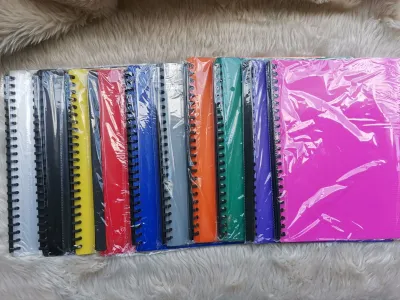
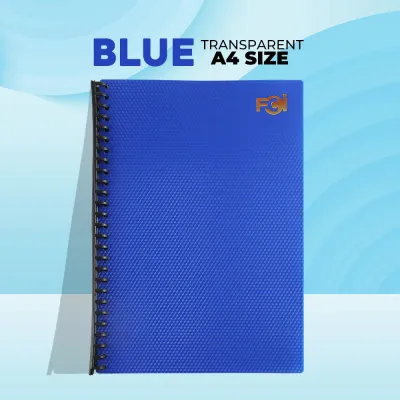
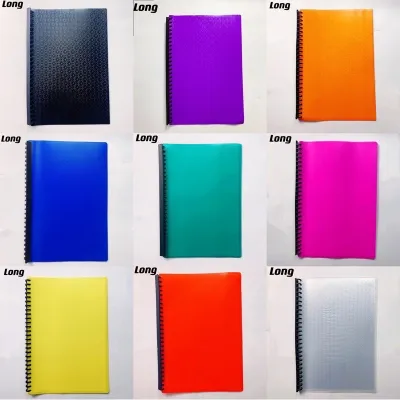
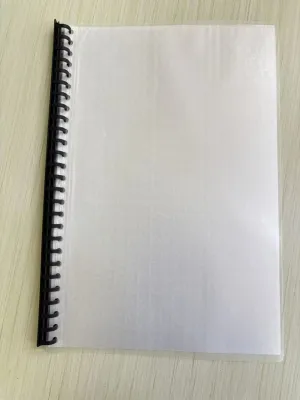
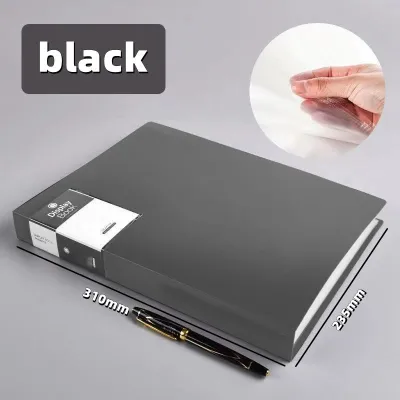
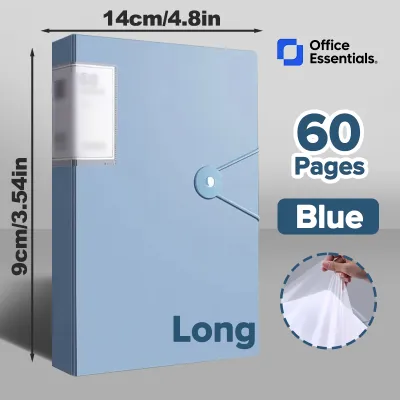
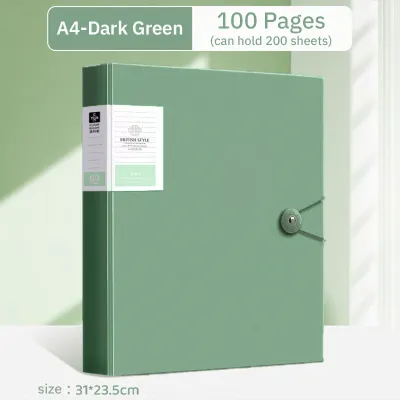
Prices are valid at publication and may change. Please refer to the product page for the latest price.
To avoid purchasing a folder that is too tight, always check the manufacturer’s specified maximum document dimensions rather than relying solely on the outer cover measurements. In humid tropical climates, paper can absorb moisture and expand slightly or stick to plastic surfaces, making a slightly larger pocket size even more beneficial for smooth handling. If you frequently handle non-standard documents like certificates or legal-sized contracts, measuring your documents beforehand ensures a proper fit.
Determining the Right Pocket Count for Your Needs
Calculating the required number of pockets depends on your document volume and whether you prefer single-sided or double-sided viewing. It is helpful to clarify the distinction between pockets and pages. A pocket is an individual plastic sleeve, whereas a page refers to a sheet of paper. One pocket can typically hold one sheet for single-sided viewing, or two sheets placed back-to-back for double-sided viewing, depending on the thickness of the paper.

Common pocket count ranges usually span from 10, 20, 40, to 60 pockets or more. A 10-pocket or 20-pocket clear book is ideal for short reports, resumes, or presentation portfolios that require quick flipping and light handling. For extensive archives, tax documents, or school subject compilations, a 40-pocket or 60-pocket book provides ample storage space to keep related documents in a single place.
However, there is a clear trade-off between higher pocket counts and portability. As you add more pockets and fill them with paper, the clear book becomes significantly bulkier and heavier. A fully loaded 60-pocket clear book can be difficult to carry in a standard backpack and may put extra strain on the spine binding. For daily commuting or frequent travel, opting for multiple smaller clear books instead of one massive volume is often the more practical choice.
Evaluating Material Thickness and Durability
Assessing the plastic quality and thickness of a clear book is vital to ensure it protects your documents against tearing, creasing, and daily wear. Material thickness directly impacts the rigidity and tear resistance of both the cover and the inner pockets. Manufacturers often describe these variations using terms like standard-duty or heavy-duty, which indicate how well the folder can withstand frequent handling.
The outer cover material is typically made of thicker, more rigid plastic, which is sometimes textured or frosted to resist scratches and provide a better grip. In contrast, the inner pocket sleeves are made of thinner, highly transparent plastics designed to offer clear visibility of the contents. High-quality inner pockets should be clear enough to read fine print through them without glare or distortion.
When evaluating a clear book, you can perform a few simple, observable quality checks. Gently tug at the seam strength at the bottom and sides of the pockets to ensure they are securely welded and will not split when filled with multiple sheets of paper. Additionally, check for strong chemical odors when opening the book; a strong, pungent plastic smell often indicates low-quality materials that may degrade faster or release compounds that could damage your documents over time.
Your Clear Book Selection Checklist
To finalize your purchase decision, a quick and actionable summary can help you verify that you are choosing the right specifications. First, confirm the exact size of the documents you need to store, keeping in mind that standard office papers vary. Next, calculate the total number of sheets you plan to file to determine whether a 20-pocket, 40-pocket, or larger capacity is necessary for your project.
Select the material thickness based on how frequently you expect to handle the clear book. If the book will sit on a shelf for archival purposes, standard thickness is sufficient, but daily presentations require a heavier-duty cover. Do not forget to check the binding type—whether it is a fixed welded spine or a refillable system—and see if the spine cover allows for custom label inserts to make organization easier.
Finally, if you are purchasing from an online marketplace, read user reviews specifically focusing on pocket seam durability and plastic clarity. If you are shopping in-store, physically inspect the seams and test the flexibility of the cover to ensure it meets your standards before heading to the cashier.
Frequently Asked Questions (FAQ)
Can I add or remove pockets from a standard clear book?
Most standard clear books feature permanently welded pockets that are fused directly to the spine during manufacturing. This means you cannot expand or reduce their capacity once purchased. If you anticipate that your document volume will grow or change over time, you should look for refillable display books that utilize ring mechanisms or slide-in channels, which allow you to add, remove, or rearrange plastic sleeves as needed.
Is it safe to store thermal paper receipts in a clear book?
Storing thermal paper receipts directly inside standard plastic sleeves can be risky. Some low-quality plastic pockets contain chemicals or plasticizers that react with the heat-sensitive coating on thermal paper, causing the ink to fade or turn completely black over time. To preserve important receipts, it is safer to use high-quality, acid-free polypropylene sleeves, or place the thermal receipts inside acid-free paper envelopes before inserting them into the clear book.

Community discussion
Share your experience or ask a question. Comments are reviewed before publication.