
Finding the right coloring set for kids involves matching their physical development and classroom requirements with the correct tools. While a massive, multi-piece art kit in a plastic suitcase looks appealing on a store shelf, it is rarely the most practical choice for a student’s daily school bag. Choosing the perfect set means looking beyond vibrant packaging to evaluate safety certifications, ergonomic shapes, and pigment quality. By understanding how art tools interact with typical classroom papers and school environments, you can select supplies that foster creativity without causing frustration.
Decoding Your Child's School Art Supply List
School art lists often arrive just before the academic year begins, listing items that range from simple crayons to specialized sketching pencils. A common mistake is assuming any generic coloring set for kids will satisfy these requirements. In reality, teachers design curricula around specific learning objectives. A general coloring set might contain low-quality wax crayons that flake easily, whereas a grade-specific list might demand water-soluble colored pencils to teach basic color theory and wet-blending techniques.
When reading these official lists, pay close attention to whether the items are designated as personal kits or shared classroom supplies. Shared supplies are often pooled together in communal bins, meaning expensive, personalized sets are unnecessary and likely to get mixed up. For personal kits, portability and clear labeling are vital. Ensure every pencil, marker, and crayon can be individually marked with your child’s name to prevent loss during busy classroom transitions.
Products mentioned in this guide
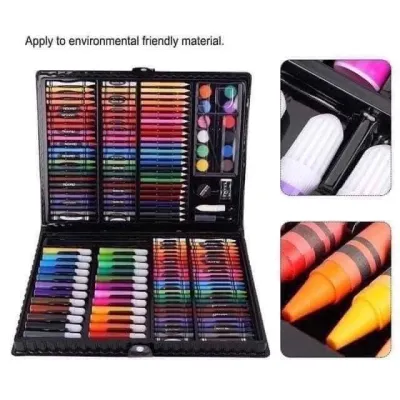
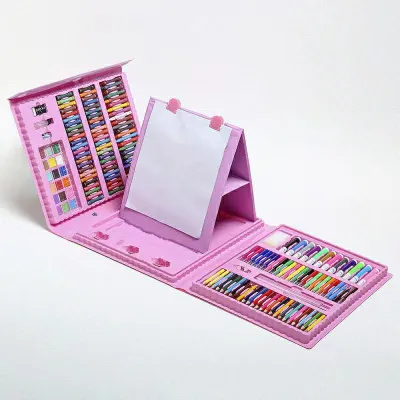
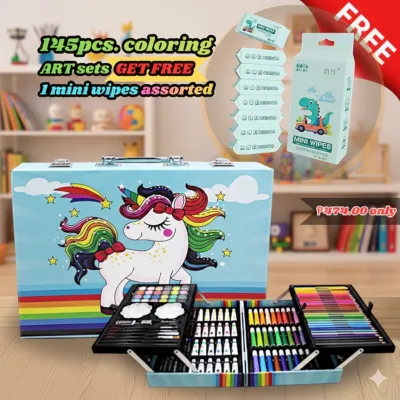
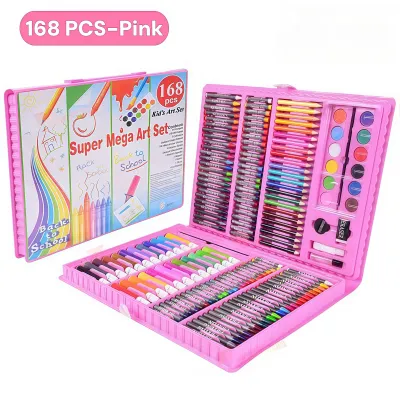
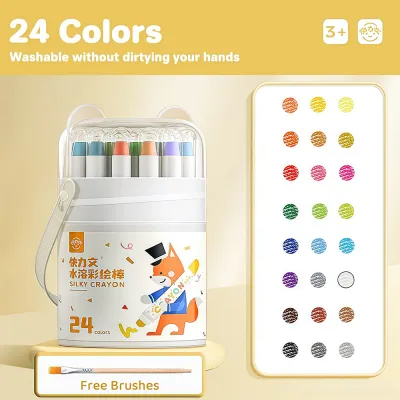
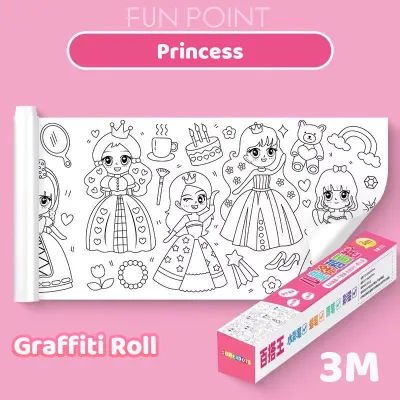
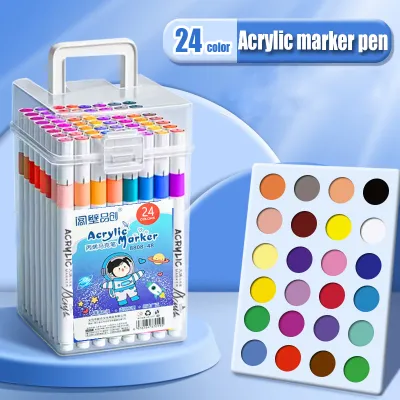
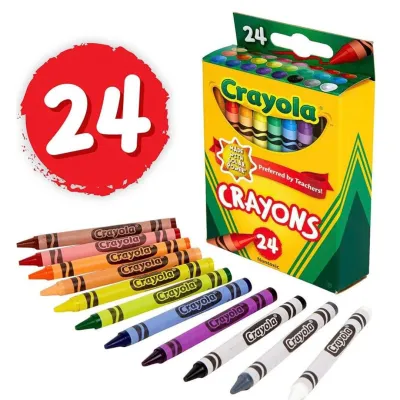
Prices are valid at publication and may change. Please refer to the product page for the latest price.
School policies also dictate what can enter the classroom. Many schools strictly prohibit permanent markers, solvent-based paints, or heavy adhesives in early grades due to safety, ventilation, and stain concerns. Standardizing on water-based, washable formulas ensures compliance with school rules and protects school uniforms from stubborn stains.
Additionally, consider the physical classroom setup. If your child moves between different classrooms for art sessions, a bulky, rigid plastic case can be highly impractical. A compact, flexible pouch that fits easily inside a backpack is much more manageable than a large, multi-tiered art box that takes up too much desk space.
Matching Coloring Tools to Your Child's Grade Level
Children’s hands change rapidly as they grow, and their art tools must keep pace. A tool that is too thin or requires too much downward pressure can cause hand fatigue, leading to frustration and a lack of interest in art activities. Conversely, tools designed for older students might lack the safety features or durability required for younger, more energetic hands. Matching the tool to your child’s physical development and the complexity of their school projects ensures a much smoother creative experience.

Preschool and Kindergarten
For children aged three to five, the focus is on fine motor skills. At this stage, children transition from a palmar grasp to an early pincer grasp. Jumbo crayons and thick, triangular colored pencils are ideal because their physical dimensions encourage natural finger placement, preventing hand fatigue and resisting snapping under heavy pressure.
Markers for this age group should feature broad, conical tips. These thick markers allow children to cover large areas quickly without needing to apply significant downward force. Water-based, washable inks are essential, as young children frequently color beyond the paper onto skin and clothing.
Safety is the priority for preschool supplies. Always verify that packaging displays recognized non-toxic certifications, such as the AP seal from the Art and Creative Materials Institute or the European EN71 standard. These labels guarantee materials are free from harmful toxins, which is crucial as young children often put tools in their mouths.
Avoid small, thin crayons or sharp-tipped pencils. These items snap easily, creating choking hazards, or posing minor puncture risks during energetic play. Stick to rounded, durable options that withstand repeated drops on hard floors.
Early Elementary (Grades 1 to 3)
As children enter grades 1 through 3, school projects require precise coloring within defined lines. Standard-sized colored pencils are appropriate now, but they must feature durable, break-resistant cores. Look for pencils with bonded leads, where the core is glued to the wooden casing to prevent internal shattering when dropped.
A versatile marker set should include a mix of broad-tip and fine-tip washable markers. Broad tips remain useful for filling large backgrounds, while fine tips allow students to outline drawings and write clearly. Washable formulas are still recommended to protect school uniforms during active school days.
The curriculum now introduces basic techniques like color mixing, layering, and shading. Standard crayons struggle with these techniques because wax buildup prevents layers from adhering. High-quality colored pencils allow students to experiment with varying pressure to create lighter or darker shades, helping them understand depth.
While children in this age group handle standard pencil diameters, those struggling with a tight grip benefit from ergonomic accessories. Slide-on rubber grips or pencils with raised non-slip dots along the barrel provide extra comfort during longer coloring sessions, preventing finger fatigue.
Upper Elementary (Grades 4 to 6)
By grades 4 to 6, students tackle complex art assignments like detailed illustrations and botanical drawings. To support these techniques, transition to higher-quality colored pencils with softer, wax- or oil-based cores. These pencils lay down rich, highly pigmented color with minimal pressure, allowing for smooth blending and layering.
This grade level is the perfect time to introduce specialized tools like fine-liners, dual-tip markers, or watercolor pencils. Watercolor pencils offer an excellent introduction to painting: students color their drawing as normal, then run a wet brush over the pigment to create a watercolor wash, reducing the gear they carry.
Students are expected to manage and maintain their own supplies independently. This means tools must be durable and easy to maintain. Colored pencils should sharpen cleanly without wood splitting, and markers must have secure caps that click firmly into place.
Before investing in premium art sets, verify whether your child’s specific school or elective requires professional-grade brands. Some specialized classes specify exact color ranges or professional-grade soft pastels, so checking with the teacher beforehand prevents purchasing duplicate or incorrect items.
Essential Features to Check Before You Buy
When shopping for a coloring set for kids, several critical features determine whether a product will succeed in the classroom or end up in the trash bin after a few weeks.
Washability: Do not rely solely on the word “washable” on the front of the box. Look for explicit instructions on the back indicating the ink washes out of skin and common clothing fibers. In the Philippines, school uniforms are typically cotton-polyester blends, which trap pigments easily. A quick test on an old scrap of fabric verifies if the ink dissolves with standard laundry soap.
Break Resistance: High-quality colored pencils feature a manufacturing process known as SV bonding. This process glues the lead core directly to the wooden barrel along its entire length. This is crucial because cheap pencils often have loose cores that shatter internally when dropped, causing the lead to fall out repeatedly during sharpening.
Ergonomics and Grip: The shape of the barrel significantly impacts comfort. Triangular barrels are excellent for younger children because they naturally guide fingers into a proper tripod grip. Hexagonal barrels are standard for older students, providing flat surfaces that prevent pencils from rolling off slanted school desks, while round barrels can easily roll away and break.
Color Vibrancy and Opacity: Low-quality coloring sets use cheap fillers with very little actual pigment. This results in dull, scratchy colors that require heavy downward pressure, tearing thin school paper and causing rapid hand fatigue. To verify quality, test a pencil on standard paper: it should glide smoothly and leave a vibrant line with minimal effort.
Packaging and Portability: Packaging must survive the daily wear and tear of a school backpack. Flimsy cardboard boxes tear open quickly, leaving loose supplies rolling around the bag. Look for sets housed in sturdy tin cases, durable plastic sleeves, or secure zippered pouches with reliable closure mechanisms to protect tips and keep caps secure.
Keeping Art Supplies Organized and Long-Lasting
Proper maintenance and storage can double the lifespan of your child’s art supplies, saving money and keeping their school bag clean and organized.
Marker Care: Markers must be capped tightly immediately after use; a distinct “click” indicates a proper seal. In the humid tropical climate of the Philippines, keeping markers sealed is vital to prevent water-based ink from drying out. Store markers horizontally or tip-down to prevent the ink from gravity-draining away from the nib.
Pencil Maintenance: Instruct your child to use a high-quality manual sharpener with a sharp metal blade. Dull blades tear wood and snap delicate cores. A sharpener with an attached shaving reservoir is essential for classroom use, allowing students to sharpen pencils at their desks without making a mess or needing to walk to the bin.
Crayon Storage: Wax crayons have a relatively low melting point. In tropical environments, leaving a backpack containing crayons in direct sunlight, near a hot window, or inside a parked vehicle can quickly turn a beautiful set into a melted block of wax. Teach your child to store their art bag in a cool, shaded area.
Organization Hacks: Instead of relying on original packaging, consider transferring coloring sets into a dedicated roll-up fabric case or zippered multi-compartment pouch. These organizers allow children to see all colors at a glance, making it easy to spot if a tool is missing before leaving the classroom and speeding up cleanup time.
Frequently Asked Questions (FAQ)
Can I buy one large set for all my children in different grades?
While a single, large multi-piece art set is convenient for home use, it is rarely practical for school. Children in different grades require different tool sizes, safety features, and mediums. A preschooler needs thick, non-toxic jumbo crayons, while an older sibling in grade 5 needs fine-tip markers and soft-core colored pencils. Sharing a single set between classrooms is impossible and leads to lost pieces.
Are washable markers better than colored pencils for school?
Neither tool is universally superior; they serve distinct artistic purposes. Washable markers are excellent for bold, vibrant illustrations, poster making, and quickly filling background areas. Colored pencils are essential for precision work, fine details, shading, and blending. To prevent ink from bleeding through thin school paper, perform a quick trial stroke on the back of the sketchpad before starting a major project.
What should I do if my child's school requires a specific brand?
It is highly recommended to follow the teacher’s specific brand guidelines when listed. Teachers often choose specific brands because they offer consistent pigment quality, break-resistant cores, or exact color palettes needed for specific classroom lessons. If the required brand is unavailable or outside your budget, consult the teacher directly to ask for approved, accessible alternatives that offer similar performance.

Community discussion
Share your experience or ask a question. Comments are reviewed before publication.