
Selecting the perfect coloring set for kids involves balancing educational requirements, developmental milestones, and practical durability. With schools in the Philippines incorporating creative activities into subjects ranging from science diagrams to poster-making contests, having the right tools prevents classroom frustration and helps your child express their ideas clearly. The ideal choice depends heavily on your child’s age, grip strength, and the specific tasks assigned by their art teacher.
For younger learners in preschool and kindergarten, the focus is on developing fine motor skills, making thick, break-resistant crayons and washable markers the standard choice. As students enter early elementary grades, they transition to standard-sized coloring tools and basic colored pencils to practice precision and control. Matching the coloring medium to both the paper type and your child’s developmental stage ensures a smooth, creative experience.
Match Art Supplies to Your Child's Grade Level
Choosing the right art supplies requires understanding how a child’s physical coordination and school curriculum evolve over time. Utilizing tools that match their developmental stage prevents hand fatigue and supports their learning goals.
Products mentioned in this guide
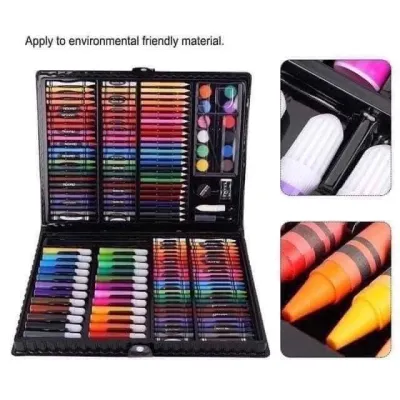
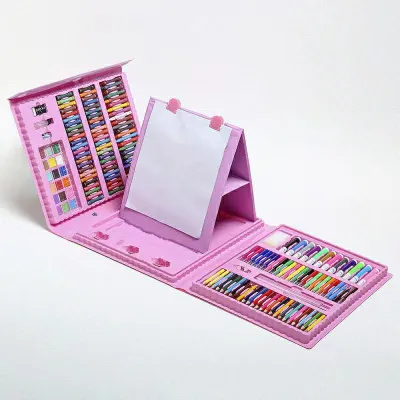
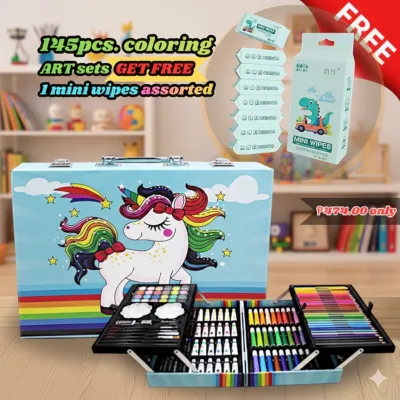
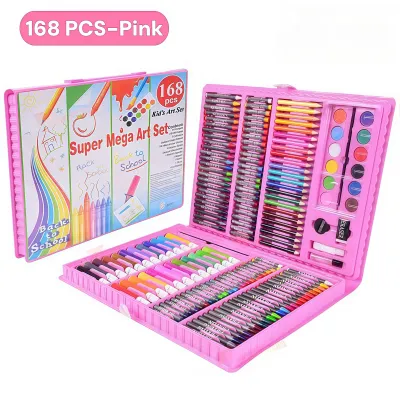
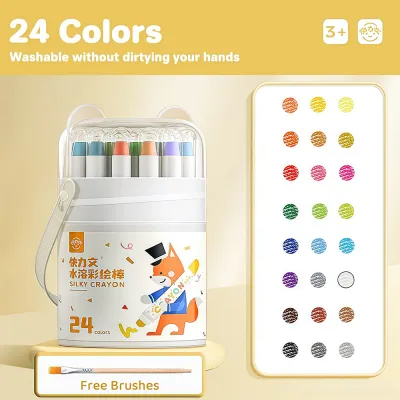
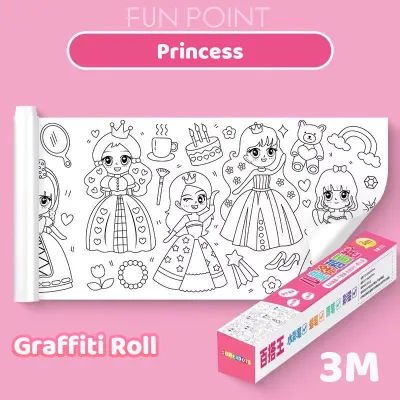
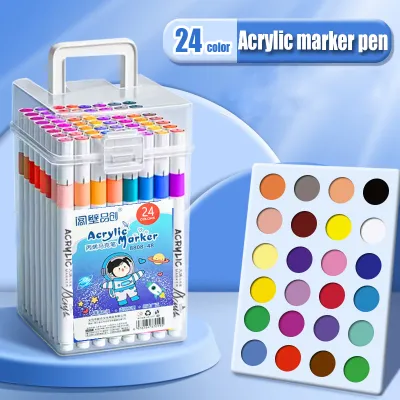
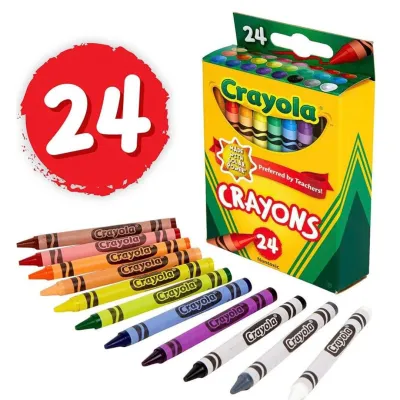
Prices are valid at publication and may change. Please refer to the product page for the latest price.
Preschool and Kindergarten (Ages 3-5) At this stage, children are still developing their fine motor skills and transitioning to a proper tripod grip. Art activities in early childhood education focus on exploration rather than precise boundaries. For these early learners, look for jumbo, triangular, or easy-grip crayons and broad-line washable markers. The thick barrels of jumbo crayons are easier for small hands to hold without strain, while the triangular shape naturally guides fingers into the correct writing position and prevents the tools from rolling off classroom desks. Broad-line markers are highly beneficial because they require very little downward pressure to lay down vibrant colors, keeping young children engaged without tearing the paper.
Early Elementary (Grades 1-3) As children enter Grade 1, their hand-eye coordination improves significantly, allowing them to color within defined lines and write with more control. This is the ideal time to transition to standard-sized crayons, typically in packs of 16 to 24 colors. This stage also introduces basic colored pencils, which are excellent for tracing, coloring detailed maps, and practicing simple shading. Standard coloring pencils help children refine their precision and learn how to control stroke pressure. Because elementary classrooms frequently utilize standard copy paper, choosing medium-soft colored pencils ensures smooth color laydown without tearing thin sheets.
Upper Elementary and Middle School (Grades 4-8) In older grades, school art projects become more complex, moving to lessons on color theory, perspective, and realistic shading. Students are often asked to create color wheels, blend gradients, and layer multiple tones to create depth. For these advanced tasks, standard crayons are replaced by high-quality colored pencils with soft, wax- or oil-based cores that allow for seamless blending and layering. Fine-tip markers also become essential for outlining, detailed graphic design, and lettering projects. These older students benefit from larger sets, such as 24 to 36 colors, which provide the subtle shade variations needed for realistic rendering on mixed-media sketchpads.
Choose the Right Tool: Crayons, Colored Pencils, or Markers
Each coloring medium has unique physical properties that make it suitable for specific art techniques and paper types. Understanding these differences helps you select the right tool for your child’s specific school assignments.

Crayons: Best for Texture and Broad Coverage Crayons are made of pigment mixed with a wax binder, making them highly durable and resistant to breaking under heavy-handed pressure. They are the ultimate low-maintenance coloring tool because they do not require sharpening, do not dry out, and will not bleed through thin school pad paper. This medium is ideal for broad coverage and classic classroom activities like texture rubbings, where paper is placed over a textured surface and rubbed with the flat side of a crayon. They are also perfect for wax-resist art, a popular elementary school technique where students draw with crayons and paint watercolor over the top, as the wax naturally repels water-based paint.
Colored Pencils: Ideal for Detail and Blending Colored pencils feature a core made of pigment, clay, and a wax or oil binder encased in a protective wood casing. This structure allows them to be sharpened to a fine point, making them the superior choice for intricate illustrations, science diagrams, and detailed maps. They are highly versatile, allowing students to adjust color intensity simply by changing their hand pressure. However, because heavy blending and layering require repeated strokes, they can easily tear thin paper. Parents should verify that the paper being used is thick enough—ideally at least 100 gsm—to handle the friction of colored pencils. To ensure smooth application, look for break-resistant cores with a standard diameter of 3mm to 4mm.
Markers: Perfect for Bold Lines and Quick Drying Markers utilize a felt or fiber tip to transfer liquid ink onto paper, producing vibrant, saturated colors that dry almost instantly. They are the preferred tool for poster-making contests, bold outlines, and hand-lettering projects. When choosing markers, it is critical to differentiate between water-based (washable) and alcohol-based formulas. Schools almost always require water-based markers for younger students because the ink washes easily out of cotton school uniforms and off skin. Alcohol-based markers, while offering superior streak-free blending for older students, are permanent and prone to severe bleed-through. When using any marker, always instruct your child to place a sheet of scrap paper or cardboard underneath their drawing page to protect the desk surface.
Decode School Supply Lists and Art Teacher Requirements
School supply lists can sometimes feel confusing, with highly specific requirements that can lead to purchasing errors. Knowing how to interpret these terms saves time and ensures your child has the exact tools required on day one.
Interpreting Specific Terminology Art teachers use specific terms to describe the physical characteristics of coloring tools. “Washable” indicates that the ink is water-based and formulated to dissolve easily in laundry cycles. “Fine tip” markers feature thin, pointed nibs designed for precise outlining and writing, whereas “broad line” or “conical tip” markers have a versatile, cone-shaped nib. A conical tip allows the student to draw fine lines using the very point or broad strokes by tilting the marker sideways. “Chisel tip” markers have a flat, angled edge that is excellent for broad coverage and calligraphy. Understanding these distinctions prevents buying a detailed outlining set when the teacher actually requested broad markers for poster coloring.
Understanding Teacher Preferences Teachers often specify certain styles of coloring sets to maintain classroom order and efficiency. For example, many primary school teachers prefer “twistable” crayons or colored pencils because they eliminate the constant mess of peeling paper wrappers and the need for pencil sharpeners, which can disrupt lessons. For older grades, an art teacher might specify an exact 12-count or 24-count colored pencil set rather than a massive 120-color tin. This is because standardized sets ensure all students have access to the same primary and secondary colors, making it easier to teach structured lessons on color mixing and color theory.
Verifying Safety and Quality Labels Because children frequently handle art supplies and sometimes put their fingers or tools near their mouths, safety is a primary concern. Always inspect the packaging for recognized safety certifications, such as the ASTM D-4236 label (which certifies that the product has been evaluated by a toxicologist and is non-toxic) or the European EN71 standard. Avoid purchasing unbranded, extremely cheap coloring sets from informal street vendors, as these products often lack safety labeling and may contain harmful materials or heavy metals. Additionally, check for age-appropriate choking hazard warnings on sets that include small caps or sharp components.
Maintain and Store Coloring Sets for Longevity
Art supplies are an investment, and taking proper care of them prevents premature damage and saves money over the school year. Teaching your child simple maintenance habits ensures their coloring sets remain functional and clean.
Proper Sharpening Techniques To prevent the internal pigment cores of colored pencils from shattering inside their wooden casings, proper sharpening is essential. Instruct your child to use a high-quality manual sharpener with a sharp metal blade. When sharpening, they should hold the sharpener firmly in one hand and gently rotate the pencil with the other, keeping the pencil perfectly straight. Twisting the sharpener aggressively or at an angle applies uneven lateral pressure, which snaps the delicate wax core. Avoid using heavy-duty electric classroom sharpeners for colored pencils, as the high friction and heat can melt the wax binders and clog the blades.
Marker Storage and Revival Markers should always be stored horizontally when not in use. In the hot, humid tropical climate of the Philippines, storing markers vertically can cause the liquid ink to pool at the bottom, leaving one tip dry and the other oversaturated and prone to leaking. Keeping them flat ensures an even distribution of ink to the nib. If a water-based marker begins to dry out because the cap was left off, you can easily revive it. Place a single drop of warm water directly onto the felt nib, replace the cap tightly, and store it tip-down for a few hours. This simple, reversible step rehydrates the water-soluble ink and extends the marker’s lifespan.
Organization for School Keeping art supplies organized prevents them from getting lost or damaged in a crowded backpack. Instead of keeping supplies in their original flimsy cardboard boxes, transfer them to sturdy plastic pencil cases or heavy-duty canvas roll-up pouches. Roll-up pouches are particularly excellent for colored pencils because they cushion the tips against impact when the backpack is dropped. For home study spaces, using open plastic caddies or recycled jars allows children to see their options clearly, encouraging them to clean up after their art sessions.
Surface Cleaning Accidental crayon marks on wooden desks, laminated study tables, or plastic chairs are common occurrences. To clean these surfaces without damaging the finish, avoid harsh chemical solvents. Instead, apply a small amount of mild dish soap to a damp, soft microfiber cloth and gently rub the marks in a circular motion. For stubborn wax build-up, a paste made of baking soda and a few drops of water acts as a gentle, non-abrasive scrub. Always perform a quick spot test on a hidden area of the furniture first to verify that the cleaning method will not dull or strip the surface finish.
Frequently Asked Questions (FAQ)
Can I buy one large coloring set that lasts from preschool to high school?
While it is tempting to buy a single, massive art chest hoping it will last for years, this approach is rarely practical. A preschooler lacks the hand strength and coordination to use thin, hard-core professional colored pencils comfortably, and they will quickly break them. Conversely, a middle school student cannot complete a detailed perspective drawing or a complex color wheel assignment using jumbo wax crayons or thick washable markers. As your child grows, their physical grip, artistic skills, and school curriculum demands change significantly. It is much more effective to buy smaller, age-appropriate sets and upgrade to specialized tools as they advance through school.
Are washable markers safe and effective for all school art projects?
Washable markers are highly safe, non-toxic, and are the absolute best choice for early elementary students because the water-based ink washes cleanly out of clothes and off household surfaces. However, they are not suitable for all school art projects. The water-based formula can easily saturate and warp standard thin paper if layered too heavily, and it tends to leave visible streak lines when coloring large areas. For older students working on advanced art projects, science posters, or design portfolios, alcohol-based markers or permanent fine-liners are much more effective because they offer smooth, streak-free blending and vibrant, permanent color.

Community discussion
Share your experience or ask a question. Comments are reviewed before publication.