
Finding the perfect dinosaur sticker sets for your bullet journal spreads involves balancing whimsical prehistoric charm with practical stationery performance. Whether you are designing a lush, jurassic-themed weekly layout or using tiny fossil footprints to track your daily water intake, the stickers you choose must work harmoniously with your journal’s paper. The wrong material can cause page ghosting, unsightly bulk, or ink smudging, while the right set elevates your creative planning into a highly personalized work of art.
To build a cohesive and functional journal, you need to look beyond the visual appeal of cute illustrations. Evaluating the physical properties of sticker sheets—such as paper weight compatibility, adhesive behavior, and material finishes—ensures that your spreads remain flat, legible, and intact over months of frequent handling. This guide provides a comprehensive framework to help you select, match, and preserve the best dinosaur stickers for your journaling journey.
Quick Criteria for Choosing Dinosaur Stickers
Before purchasing any dinosaur sticker set, you must evaluate how its physical characteristics align with your specific notebook. Bullet journals vary widely in paper thickness, typically ranging from standard 80 gsm pages to ultra-thick 160 gsm bamboo or cotton paper. Heavyweight stickers applied to thin 80 gsm paper can cause the pages to sag, crease, or tear when turned, whereas lightweight matte paper stickers blend seamlessly even on delicate sheets.
Products mentioned in this guide
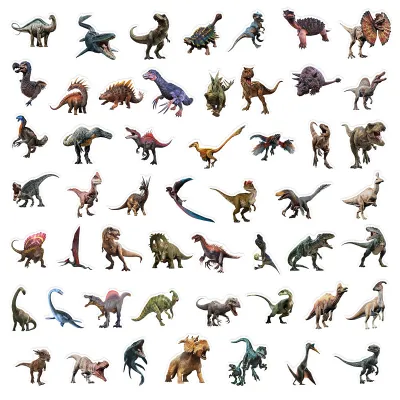
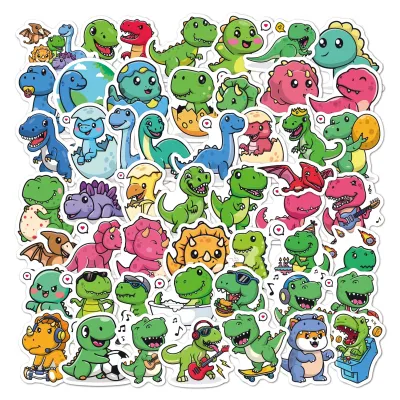
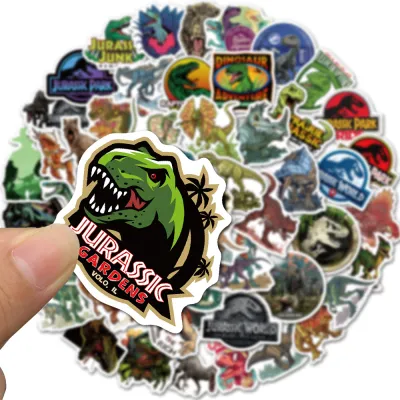
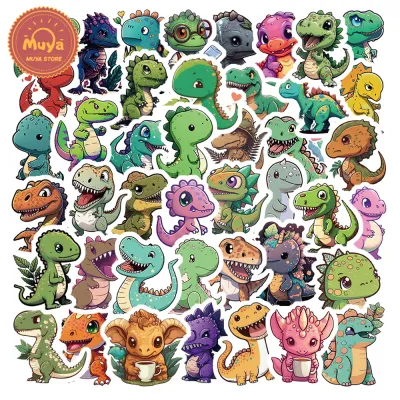
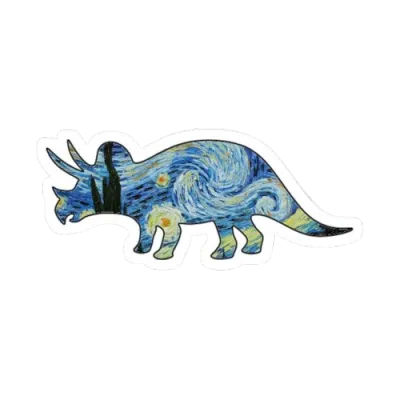
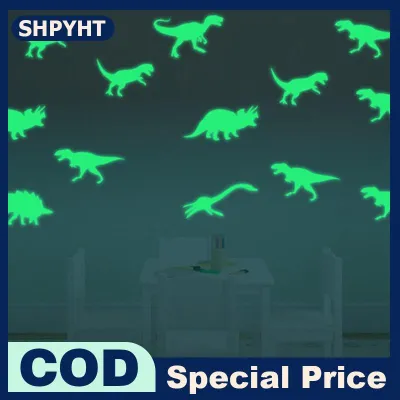
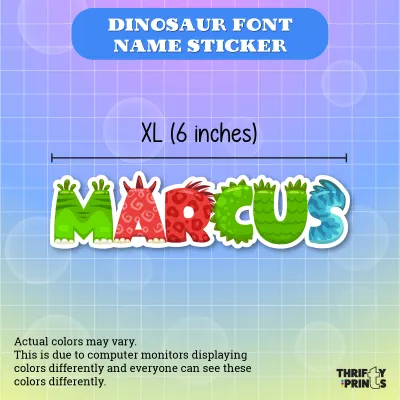
Prices are valid at publication and may change. Please refer to the product page for the latest price.
Size diversity is equally critical for maintaining a balanced layout. A well-curated sticker set should offer a mix of large focal designs for cover pages, medium-sized illustrations for weekly headers, and tiny accent stickers for daily logs and margins. Relying solely on oversized stickers will quickly crowd your writing space, while an abundance of tiny stickers can make a spread look cluttered and disorganized.
Finally, the adhesive quality must match your journaling style. If you prefer to plan dynamically and adjust your layouts on the fly, look for stickers labeled as repositionable or low-tack. For permanent spreads, a standard acid-free adhesive is necessary to prevent the edges from peeling over time, ensuring your prehistoric scenes remain secure without releasing oils that could yellow or damage your journal pages.
Key Features to Evaluate in Dinosaur Sticker Sets
When assessing dinosaur sticker sets on online marketplaces or in local stationery shops, understanding the underlying materials will save you from frustrating layout mishaps. The three most common sticker materials are matte paper, glossy paper, and transparent PET (polyethylene terephthalate) plastic. Each material interacts differently with journaling pens, inks, and page backgrounds.

Matte paper stickers are the most versatile option for bullet journal enthusiasts. Because they feature an uncoated, slightly textured surface, they absorb water-based inks, gel pens, and brush markers quickly without smudging. They also mimic the natural texture of notebook paper, allowing them to blend visually into the page. Glossy paper stickers, on the other hand, offer highly vibrant colors and sharp details, but their slick protective coating repels water-based inks. If you plan to write dates or notes directly over your stickers, glossy surfaces will require permanent, oil-based fineliners and extended drying times.
Transparent PET stickers are excellent for creating seamless, borderless designs. These plastic-based stickers feature a clear background, making the dinosaur illustrations appear as if they are printed directly onto your journal page. They are highly durable, water-resistant, and perfect for layering over watercolor washes or colored paper. However, PET stickers add a slight plastic sheen to the page and cannot be written on with standard gel pens, requiring specialized permanent markers if you need to add text over the design.
Cutting precision is another feature that separates high-quality sticker sheets from frustrating ones. Sticker sets are generally sold as either kiss-cut sheets or individual die-cut pieces. Kiss-cut sheets are cut through the sticker layer but leave the backing paper intact, keeping your collection organized on a single sheet. Look for clean, centered cuts that do not slice into the illustration itself. Die-cut stickers are cut entirely through both the sticker and the backing paper; while great for gifting or collecting, they can sometimes be difficult to peel if the backing paper lacks a split-cut seam down the middle.
| Sticker Material | Best Pen Compatibility | Visual Effect on Page | Ideal Use Case |
|---|---|---|---|
| Matte Paper | Gel pens, brush pens, pencil | Blends naturally, non-reflective | Writing dates, daily tracking, coloring |
| Glossy Paper | Permanent markers, ballpoint | Vibrant, high-contrast, reflective | Cover pages, bold weekly headers |
| Transparent PET | Permanent multi-liners | Borderless, painted-on appearance | Layering over paint washes, collage |
Matching Dinosaur Styles to Bullet Journal Layouts
Your bullet journal’s aesthetic should dictate the style of dinosaur stickers you select. Aligning the artistic design of the stickers with your layout theme creates a visually satisfying flow throughout your monthly and weekly spreads. Mixing mismatched styles can make your journal feel chaotic rather than curated.
For playful, high-energy layouts, cute and cartoonish dinosaur designs are an excellent choice. These stickers often feature pastel-colored, simplified illustrations of baby triceratops, smiling stegosauruses, or friendly brachiosauruses. They work beautifully in habit trackers, mood logs, and school-related weekly spreads. You can use different dinosaur species to represent different moods—such as a sleepy sauropod for low-energy days or a fiery tyrannosaurus for high-stress periods—adding a touch of lighthearted fun to your self-reflection.
If you prefer a more sophisticated, academic, or nature-focused journal, look for realistic or vintage scientific illustrations. These stickers often resemble 19th-century field sketches, featuring detailed line work, anatomical accuracy, and muted earth tones like olive green, terracotta, and sepia. They pair exceptionally well with kraft paper scraps, dried pressed leaves, and vintage calligraphy stamps, turning your monthly cover page into a beautiful botanical and paleontological study.
For minimalist or professional journal setups, silhouette or monochrome dinosaur stickers offer a clean, low-ink alternative. Solid black or single-color outlines of prehistoric creatures provide a subtle decorative element without distracting from your tasks and schedules. These minimalist designs keep your pages looking organized and uncluttered, making them suitable for work or productivity-focused bullet journals.
To tie your entire spread together, coordinate the color palette of your dinosaur stickers with your existing stationery collection. If your sticker set features warm, autumnal tones, match them with terracotta brush pens and copper-foiled washi tapes. If you are using bright, neon dinosaur illustrations, balance the spread with neutral grey grid lines and simple black ink headers to keep the layout readable and cohesive.
Building Your Curated Dinosaur Sticker Shortlist
With thousands of sticker designs available online, building a curated shortlist requires a systematic approach to avoid impulse purchases and redundant collections. Start by identifying reputable independent artists or specialized stationery brands on online marketplaces. Carefully read customer reviews, paying close attention to user-uploaded photos that demonstrate print clarity, color accuracy, and cutting alignment. Low-quality prints often suffer from pixelation, blurry edges, or off-center cuts that leave awkward white borders on one side of the sticker.
Evaluating sheet density is a practical way to ensure you are getting good value for your budget. Instead of looking only at the overall price of a sticker pack, calculate the cost-per-sticker in ₱. For example, if a sticker sheet costs ₱120 and contains 40 individual stickers, the cost-per-sticker is ₱3.00. Conversely, a premium die-cut pack priced at ₱120 that only contains 10 stickers results in a cost of ₱12.00 per sticker. While individual die-cuts often feature thicker, more durable materials, kiss-cut sheets generally offer a higher density of smaller decorative elements, making them more economical for daily bullet journaling.
Shipping and packaging conditions are also crucial, especially when ordering delicate paper products. Look for sellers who ship sticker sheets with stiff cardboard backing or inside rigid cardboard mailers. This prevents the sheets from bending, creasing, or curling during transit, ensuring they arrive in pristine, flat condition ready for your journal.
Before finalizing your purchase, create a quick checklist of the specific elements you need for your planned spreads. A well-rounded dinosaur sticker shortlist should include:
- Primary Dinosaurs: 5 to 10 large focal illustrations (e.g., T-Rex, Triceratops, Pterodactyl) to anchor your monthly cover pages and weekly headers.
- Decorative Accents: 15 to 20 medium-sized elements like prehistoric ferns, palm leaves, volcanoes, and hatching eggs to fill empty spaces.
- Functional Icons: 30 or more tiny stickers, such as dinosaur footprints, bones, or minimalist skulls, to use as bullet points, habit tracker markers, or daily checkmarks.
By checking your existing stationery stash against this list, you can avoid buying multiple sets that contain repetitive designs, keeping your collection lean, organized, and highly usable.
Practical Tips for Applying and Storing Your Stickers
To get the best results from your dinosaur stickers, always perform a quick compatibility test before committing them to your main journal pages. Dedicate a scrap page at the very back of your notebook to test how the sticker adhesive reacts with your paper over 24 hours. This test will reveal if the adhesive causes the paper to warp, or if the sticker can be peeled off cleanly without tearing the fibers. You can also use this test page to write on the stickers with your favorite gel pens and brush markers, checking for drying times and potential smudging.
When applying transparent PET stickers, you can create beautiful dimensional effects through layering. Try placing a transparent dinosaur sticker over a light watercolor wash, a swipe of pastel brush pen ink, or a strip of torn grid washi tape. Because the sticker background is completely clear, the underlying colors and textures will show through, creating a rich, multi-layered collage effect. To avoid trapping air bubbles under larger PET stickers, apply them slowly from one edge to the other, smoothing them down gently with the edge of a plastic ruler or a clean fingernail.
Proper storage is essential for preserving the quality of your sticker collection, especially in tropical climates like the Philippines. High humidity and warm temperatures can cause sticker backing sheets to curl, the paper to absorb moisture, and the adhesive to degrade or become excessively gooey. To prevent this, store your sticker sheets flat inside airtight plastic sleeves, pocket folders, or dedicated sticker books. Keep your storage containers in a cool, dry place away from direct sunlight, and toss a few food-safe silica gel packets into your storage box to absorb any excess moisture from the air. This simple step keeps your stickers crisp, flat, and perfectly sticky for years to come.
Frequently Asked Questions (FAQ)
Can I write on dinosaur stickers with gel pens or markers?
Whether you can write on your dinosaur stickers depends entirely on the sticker’s surface material. Matte paper stickers are highly porous and uncoated, making them excellent for writing with gel pens, water-based markers, ballpoint pens, and pencils without any smudging. Glossy paper and transparent PET stickers feature non-porous, slick surfaces that cause water-based inks to bead up and smear. If you want to write dates, headers, or notes over glossy or PET stickers, you must use permanent, oil-based fineliners or multi-purpose markers, and allow the ink to dry completely for several minutes before touching the surface.
How do I remove a sticker from my journal page without tearing the paper?
Removing a sticker safely depends on the strength of the adhesive and the thickness of your journal paper. To minimize damage, slide a thin, flat tool—like a plastic craft spatula, a palette knife, or even a clean fingernail—gently under the edge of the sticker. Peel the sticker back very slowly at a sharp, flat angle (almost parallel to the page) rather than pulling straight upward, which pulls the paper fibers apart. If the adhesive is exceptionally strong or stubborn, applying very gentle warmth with a hairdryer on its lowest setting for a few seconds can help soften the glue, allowing you to lift the sticker away without tearing delicate notebook pages.

Community discussion
Share your experience or ask a question. Comments are reviewed before publication.