
Choosing the right DIY art set for an elementary student in the Philippines requires matching the tools to their physical development, school curriculum demands, and local environmental conditions. A child in Grade 1 needs thick, break-resistant crayons and blunt safety scissors to build basic grip strength, while a Grade 6 student requires precision tools like fine-liner pens, high-gsm watercolor paper, and specialized adhesives for complex dioramas and science posters. Selecting the correct configuration prevents frustration, ensures safety, and keeps school projects on track.
Understanding Art Skill Progression by Grade Level
In early elementary (Grades 1 to 3), children are transitioning from a palmar grasp—using the whole hand—to a transitional or mature tripod grasp using the thumb, index, and middle fingers. The small bones in their wrists and hands are not yet fully ossified, meaning their hand muscles tire quickly when using heavy or overly thin tools. School projects at this stage are primarily two-dimensional, focusing on coloring, basic cutting, and pasting on construction paper. Tools must be lightweight and designed to support this physical transition without causing hand fatigue.
In contrast, upper elementary students (Grades 4 to 6) have developed refined tripod grasps and precise finger coordination. Their school curriculum demands more complex, multi-step, and structural projects, such as detailed science posters, historical dioramas, and mixed-media collages. These projects require tools that can handle precision work, such as fine-line detailing, clean cutting along intricate curves, and structural bonding of different materials like cardboard, plastic, and wood. Matching the tool’s complexity to the child’s physical coordination prevents frustration and ensures they can complete assignments independently.
Products mentioned in this guide
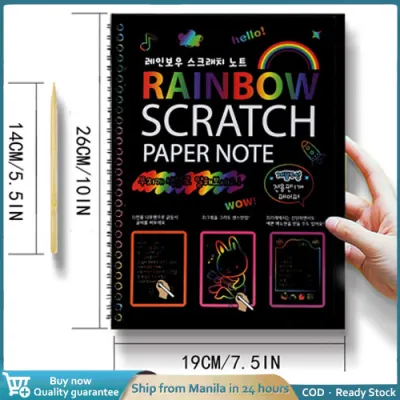
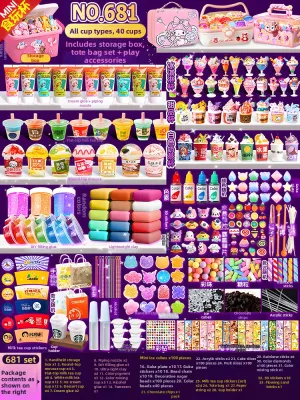
Prices are valid at publication and may change. Please refer to the product page for the latest price.
Core Selection Criteria for DIY Art Sets
When evaluating components for a school art set, DIY assembly allows parents to select high-quality, ergonomic tools rather than relying on the low-grade items often found in pre-packaged kits. Ergonomics should be the primary consideration. For younger children, look for triangular barrels on colored pencils and crayons, as this shape naturally guides fingers into a tripod grip and prevents the tools from rolling off school desks. For older students, select tools with comfortable rubber grips and balanced weight distributions to prevent cramping during long poster-making sessions.

Consumable compatibility is another critical factor that dictates project success. The performance of any coloring or painting medium depends entirely on the paper it is paired with. Standard school pad paper in the Philippines is typically thin (around 50 to 60 gsm), which easily bleeds when used with felt-tip markers and warps or tears when exposed to wet paints. A successful art set must pair markers and paints with a dedicated drawing sketchpad (at least 90 to 120 gsm) or a watercolor pad (at least 200 to 300 gsm). Parents can verify compatibility through a simple scratch-and-bleed test on a scrap piece of paper before starting a major project.
Replenishment availability is a practical consideration that saves money over the school year. High-use items like glue sticks, black fine-liners, and primary color paints will always run out faster than secondary colors or specialty tools. Choose brands that offer individual open-stock replacements rather than requiring the purchase of an entirely new set. Finally, evaluate the packaging durability. A sturdy plastic case with secure latches and internal dividers protects delicate wax crayons from snapping and prevents liquid mediums from leaking into a school backpack during the daily commute.
Building the Right Set for Lower Elementary (Grades 1–3)
For lower elementary students, the ideal art set focuses on safety, forgiveness, and foundational skill building. The essential cutting tool at this stage is a pair of 5-inch blunt-tip safety scissors. Look for models with plastic-covered metal blades or specialized plastic blades that only cut paper, featuring symmetrical finger loops that accommodate both left- and right-handed children. For painting, select thick-handled brushes with flat wash bristles (around size 10 or 12) and round tips (size 8), which are easier for small hands to control and hold a sufficient amount of paint to cover large areas quickly.
The mediums selected for this age group must be highly forgiving and easy to clean. Washable tempera paints and water-based felt-tip markers are excellent choices because they wash out of school uniforms and off plastic desks with simple soap and water. For coloring, choose jumbo wax crayons or triangular colored pencils with thick, break-resistant leads (around 4mm or larger). Adhesives should be limited to non-toxic, solid glue sticks that dry clear but apply with a temporary purple tint, allowing young students to see exactly where they have applied the adhesive before pressing their paper down.
Material preparation can significantly reduce frustration for children with developing motor skills. Parents can include pre-cut paper shapes, easy-tear paper masking tape, and heavy-duty construction paper (at least 120 gsm) in the set. This allows the child to focus on composition and pasting without getting stuck on difficult cutting tasks. When verifying safety, physically inspect the packaging for clear non-toxic certifications, such as the ASTM D-4236 standard, and ensure there are no small, loose decorative items like sequins or tiny beads that could pose a choking hazard to younger siblings at home.
Building the Right Set for Upper Elementary (Grades 4–6)
As students enter upper elementary, their art assignments require a transition to precision tools and advanced mediums. Replace blunt safety scissors with 5-inch or 6-inch pointed craft scissors featuring stainless steel blades for clean, sharp cuts through thick cardstock and fabric. Introduce fine-liner pens with water-resistant pigment ink (sizes 0.5mm and 0.8mm) for outlining maps and labeling diagrams. A detailed synthetic brush set containing round brushes (sizes 2, 6, and 10) and a 1/2-inch flat brush will allow students to execute both fine detail work and broad washes.
The introduction of mixed media requires sturdier materials and longer drying times. A semi-moist watercolor pan set with a built-in mixing palette is ideal for classroom use, as it is highly portable and dries quickly. For three-dimensional projects, include student-grade acrylic paint tubes and air-dry modeling clay. Because acrylics and watercolors require water to use, they must be paired with heavy watercolor paper (at least 200 gsm, though 300 gsm is preferred) to prevent severe warping and paper pilling.
Advanced projects also demand stronger adhesives and structural tools. Liquid white PVA glue is necessary for bonding wood, cardboard, and plastic elements in dioramas, while double-sided tape or glue tape rollers provide clean, flat paper-to-paper joints without the wrinkling caused by liquid glues. Include a clear plastic 30cm ruler with metal edges to guide straight cuts, and a basic metal compass for geometric art. Before starting any project, have the student perform an observable trial: apply a small stroke of the marker or paint onto the chosen paper, wait for it to dry completely, and check for feathering, bleed-through, or paper warping to ensure the mediums are fully compatible.
Safety Verification, Storage, and Maintenance Checks
Maintaining the safety and functionality of art supplies is a continuous process throughout the school year. Always read the physical packaging of any art material to verify safety certifications. Look for the “AP Non-Toxic” seal or the ASTM D-4236 designation, which indicates the product has been evaluated by a toxicologist and contains no materials in sufficient quantities to be toxic or injurious to humans. Avoid purchasing unbranded art sets from unregulated online marketplaces, as these products may contain high levels of heavy metals or harmful solvents in their plastics and inks.
The tropical climate of the Philippines presents unique challenges for art supply storage. High relative humidity, which frequently exceeds 80 percent, creates an ideal environment for mold to grow on organic binders, such as the gum arabic used in watercolors. It can also cause drawing paper to absorb moisture from the air, making it soft, prone to tearing, and highly absorbent, which ruins its bleed resistance. To prevent this, store all paper flat inside sealed plastic sleeves. Keep watercolor pans, acrylic tubes, and modeling clay inside airtight plastic containers, and toss in a few food-grade silica gel packets to absorb excess moisture. Store these containers in a cool, dry cupboard away from direct sunlight and hot corrugated metal roofs.
Routine maintenance checks will extend the lifespan of expensive tools. Teach students to clean paintbrushes immediately after use with lukewarm water and mild soap, gently reshaping the synthetic bristles with their fingers before laying them flat to dry. Never leave brushes resting face-down in water cups, as this permanently bends the bristles and loosens the metal ferrule. Ensure that marker caps are pressed firmly until a distinct “click” is heard, indicating an airtight seal that prevents the water-based ink from evaporating.
Establish a regular schedule to inspect and discard compromised items. Look for clear indicators of wear: dried-out glue sticks that crumble upon application, frayed brush tips that split during painting, rusted scissor pivots that snag paper, or markers that produce faint, streaky lines. Replacing these items promptly ensures that the student’s art set remains fully functional and ready for any school assignment.
Frequently Asked Questions (FAQ)
Can I use the same art set for siblings in different grades?
While sharing basic consumables like drawing paper, standard crayons, and colored pencils is highly practical and cost-effective, sharing a complete art set across widely different grade levels is not recommended. The primary concern is safety and developmental appropriateness. A Grade 5 student’s art set contains pointed stainless steel scissors, liquid craft glues, and fine-liner pens that can be hazardous or frustratingly complex for a Grade 1 sibling. Conversely, the thick, blunt tools designed for a younger child will limit the older student’s ability to complete detailed, high-scoring school projects.
To manage this in a single household, establish a hybrid system. Keep shared consumables in a centralized, easily accessible common bin. Store the older sibling’s precision tools, advanced adhesives, and specialty paints in a separate, color-coded container kept on a higher shelf or in their personal school bag. This setup protects the younger child from safety hazards while ensuring the older student’s specialized tools remain organized, undamaged, and ready for school use.
How do I prevent markers and paints from drying out in a tropical climate?
Preventing markers and paints from drying out in a hot, humid tropical climate requires careful storage habits. Always store dual-tip markers and standard felt-tip pens horizontally. This position keeps the ink distributed evenly across both ends of the marker, preventing one tip from drying out while the other becomes oversaturated. Ensure that students press marker caps down firmly until they hear a clear clicking sound, which confirms that the cap has formed an airtight seal.
For paints and clays, airtight containment is essential. Once an acrylic paint tube is opened, wipe the threaded neck clean with a damp cloth before screwing the cap back on tightly; dried paint on the threads prevents a proper seal, allowing air to enter and solidify the remaining paint. Keep air-dry clay wrapped tightly in plastic wrap, then place it inside a sealed plastic container with a slightly damp paper towel to maintain moisture levels. Always store these containers in a dark, cool area of the home, as exposure to direct sunlight and high indoor temperatures will rapidly accelerate ink evaporation and paint degradation.

Community discussion
Share your experience or ask a question. Comments are reviewed before publication.