
Choosing the right envelope for documents organizer depends on aligning the physical volume of your paperwork with your daily handling habits and categorization needs. Rather than picking a style at random, evaluating your specific document thickness, portability requirements, and retrieval frequency will point you toward the most effective structural design. In tropical climates like the Philippines, where high humidity can quickly soften paper and cause pages to stick together, selecting the correct material and closure is also essential for preserving your important records. By taking a systematic approach to your filing habits, you can find an organizer that keeps your workspace tidy and your essential documents safe from wear and tear.
Assess Your Paperwork Volume and Daily Handling Needs
Before browsing online marketplaces or local stationery stores, take a close look at the actual stack of papers you need to organize. Count or estimate the number of sheets, as a standard flat envelope might comfortably hold up to 30 pages, while a thick stack of utility bills, tax forms, or school modules will easily exceed hundreds of sheets. Gathering your documents in one place allows you to measure their total thickness and determine the capacity your new organizer must support.
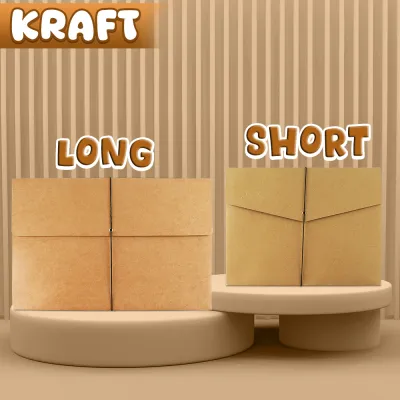
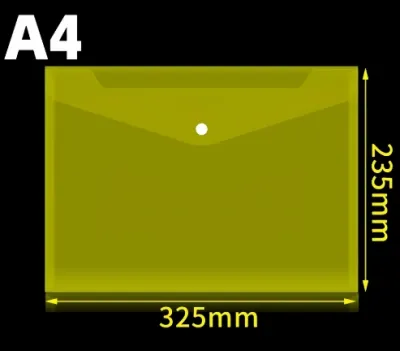
In the Philippines, document sizes can be particularly tricky to manage. While A4 is standard for many official and corporate forms, you will also frequently encounter “Short” (Letter size) and “Long” (often Folio or legal size, measuring 8.5 by 13 inches) papers. Before choosing an organizer, verify the dimensions of your tallest and widest documents. Trying to force a Long-sized document into an A4-sized envelope will inevitably lead to bent edges or an inability to close the flap securely.
Products mentioned in this guide
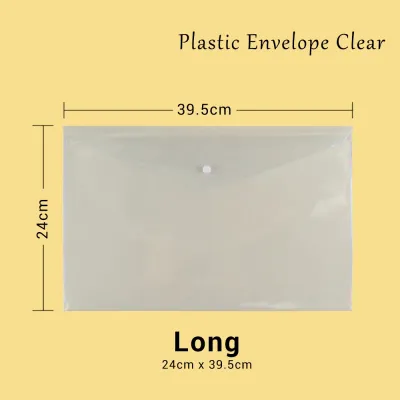
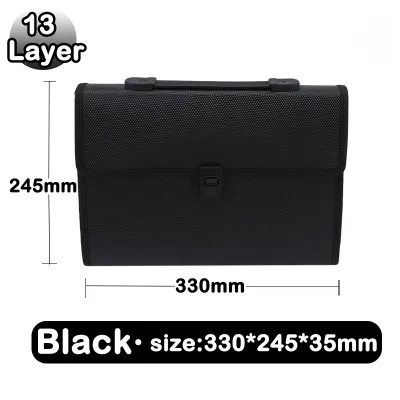
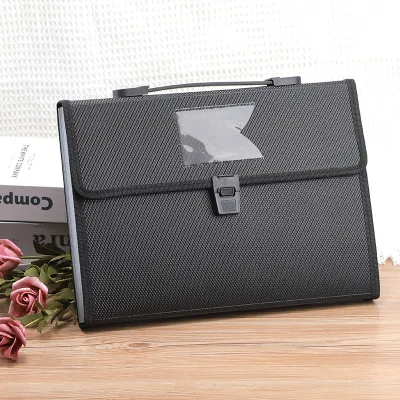
Prices are valid at publication and may change. Please refer to the product page for the latest price.
Next, consider where these documents will spend most of their time. If you are a student or a mobile professional commuting through humid transit routes, your organizer needs to fit easily inside a backpack or tote bag without bending. Conversely, if you are setting up a home filing system for birth certificates, land titles, and appliance warranties, a stationary desktop design that stays in a drawer or on a shelf is more appropriate.
Finally, determine how granular your categorization needs to be. Some users only need to separate papers into two or three broad groups, such as “incoming” and “processed.” Others require highly detailed sub-filing by month, subject, or family member, which demands an organizer with multiple distinct compartments and labeling options.
Match Envelope Styles to Your Diagnosed Filing Needs
Once you understand your volume and portability requirements, you can map them to the most suitable envelope organizer structures. The market offers several distinct designs, each engineered for specific storage volumes and retrieval frequencies. Choosing the wrong style often leads to overstuffed seams or wasted space, so matching the structure to your daily routine is key.

Expanding and Accordion Envelopes for High Volume
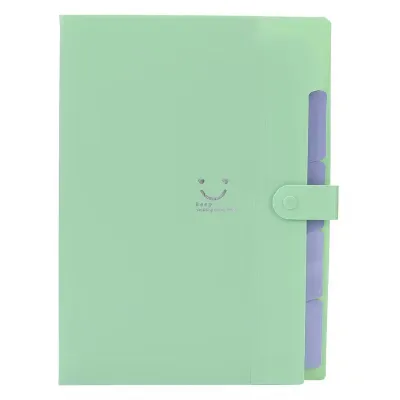
For large collections of documents that grow over time, expanding and accordion-style envelopes provide the necessary physical depth. These organizers feature flexible side gussets that stretch outward as you add more sheets, preventing the cover from warping or popping open. They are ideal for archiving annual tax documents, medical records, or multi-subject school reviewers that accumulate over several months.
These are particularly useful for managing household expenses, such as monthly electricity and water bills, or keeping track of academic modules for different school subjects. Because they can stand upright on a desk or shelf when fully expanded, they double as a semi-permanent filing cabinet for small spaces.
When selecting an expanding model, pay close attention to the internal dividers. Accordion designs typically include built-in pockets with pre-printed or customizable tabs, allowing you to sort papers alphabetically, chronologically, or by category. Always check the maximum gusset expansion limit specified by the manufacturer to ensure the seams can handle the weight of your thickest paper stacks without tearing.
Flat and Multi-Pocket Envelopes for Portability
If your daily routine involves carrying active paperwork between home, school, or the office, flat and multi-pocket envelopes offer a streamlined, lightweight alternative. These slim profiles slide effortlessly into bags and briefcases without adding unnecessary bulk. They are perfect for holding active contracts, weekly lesson plans, or application forms that must remain pristine during transit.
They are highly favored by students and professionals who commute daily via jeepneys, buses, or trains, where space inside bags is limited and items are constantly shifted. A slim, rigid plastic envelope keeps your certificates, resumes, or homework sheets flat and dry, even during sudden tropical downpours.
Multi-pocket flat envelopes strike an excellent balance between organization and portability. They feature a few separate sleeves within a single slim folder, allowing you to keep your daily to-do list separate from reference materials. This layout ensures you can quickly retrieve active papers on the go without carrying a heavy, multi-compartment filing box.
Physical Features to Verify Before Purchasing
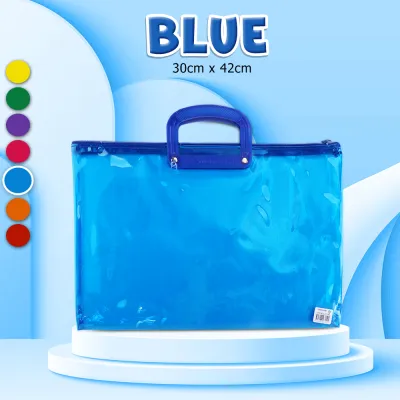
To ensure your envelope for documents organizer lasts through daily use, you must inspect several key physical features before making a purchase. First, evaluate the closure mechanism, as this determines both security and ease of access. Snap buttons and elastic cords offer quick opening and closing for active files, while zippers provide maximum security against loose pages slipping out during a hectic commute. Velcro closures are highly adjustable but can collect lint and lose their grip over time.
For instance, if you frequently open and close the organizer throughout the day to file receipts, a quick-release snap button or an elastic band is highly efficient. However, if you are traveling through crowded areas or rainy weather, a secure zipper closure prevents water droplets or dust from entering the sides of the envelope.
Next, examine the material durability and edge construction. In humid environments, heavy-duty polypropylene plastic is highly recommended over paper cardstock, as it resists moisture, spills, and tearing. Look for reinforced stitched edges or double-welded seams along the gussets, which are the most common failure points when organizers are filled to capacity.
Lastly, check for built-in indexing features that streamline document retrieval. Clear plastic windows, external label slots, and color-coded index tabs allow you to identify the contents of an envelope at a glance. This saves you from having to open multiple folders and handle delicate papers repeatedly, reducing wear and tear on both the organizer and your documents.
Signs Your Current Filing System Needs an Upgrade
It is easy to overlook a failing filing system until a critical document is damaged or lost. One of the most obvious signs that you need an upgrade is physical damage to your current folders, such as split side seams, stretched-out elastic bands, or cracked plastic corners. When an organizer is forced to hold more than its intended capacity, the structural integrity degrades rapidly, leaving your papers vulnerable to dust and moisture.
Another warning sign is a noticeable bottleneck in your daily workflow. If you find yourself spending more than a few minutes searching for a specific receipt, utility bill, or certificate within a single, disorganized folder, your current system lacks sufficient categorization. Overstuffed flat envelopes that bulge in the middle are clear candidates for replacement with an expanding or multi-pocket system.
Another warning sign is when you find yourself avoiding your filing tasks altogether because the process is too frustrating. If your papers are piled high on your desk because your current folders are too difficult to open, too full to accept new sheets, or lack clear labels, it is time to transition to a more user-friendly system. A well-designed organizer should make filing feel effortless, encouraging you to put papers away immediately rather than letting them accumulate.
Finally, pay attention to the condition of the papers themselves. If the corners of your documents are consistently bent, creased, or frayed, your current organizer is either too small or lacks the structural rigidity needed to protect its contents. Upgrading to a sturdier, properly sized envelope organizer will keep your important paperwork flat, clean, and professional.
Frequently Asked Questions (FAQ)
How do I prevent paper edges from bending inside an envelope organizer?
To keep your documents perfectly flat, always align the edges of your paper stack evenly before sliding them into the pocket. Avoid inserting papers that still have bulky binder clips or oversized paperclips attached, as these create uneven pressure points that crease adjacent sheets. If you are carrying highly sensitive documents in a flexible plastic envelope, placing a rigid piece of cardboard or a plastic backing sheet inside the pocket will provide extra structural support and prevent bending during transit.
Can I use an envelope organizer for non-paper items like receipts or IDs?
Yes, but you must choose the right design to prevent small items from slipping out. Standard A4 or Letter-sized envelope organizers often have open sides or wide pockets where small receipts, business cards, and plastic IDs can easily slide around and fall out. If you need to store these items, look for organizers that feature specialized zippered compartments, mesh utility pockets, or smaller, dedicated slots designed specifically for cards and small slips of paper.

Community discussion
Share your experience or ask a question. Comments are reviewed before publication.