
The right envelope organizer depends on your daily document volume, how often you need to access your mail, and the physical limits of your desk. By matching your workflow to a desktop, expanding, wall-mounted, or hanging system, you can keep important correspondence visible and prevent paper clutter from taking over your workspace. Choosing the correct style ensures that bills, invoices, and personal letters remain sorted and easy to find when you need them.
Assess Your Workspace Constraints and Document Volume
Before purchasing any organizing system, take a close look at your physical workspace. A bulky organizer on a compact desk can quickly make your writing area feel cramped, especially in humid tropical climates where air circulation is vital to prevent paper from dampening or sticking. Measure your available desk footprint and compare it against alternative storage zones, such as nearby walls, cubicle partitions, or the sides of filing cabinets.
Next, evaluate the volume and thickness of the envelopes you handle. A few utility bills and letters each week require a very different solution than a high-volume business setup dealing with thick catalog envelopes, document mailers, or heavy-duty packaging. Consider whether your paper trail is temporary or if you need to archive documents for several months.
Products mentioned in this guide
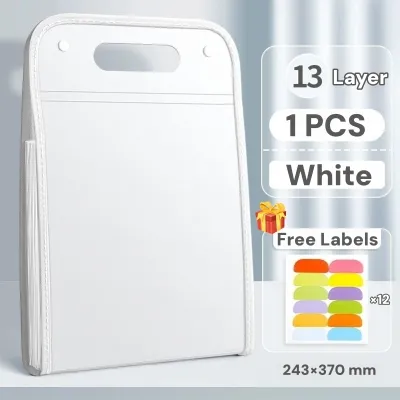
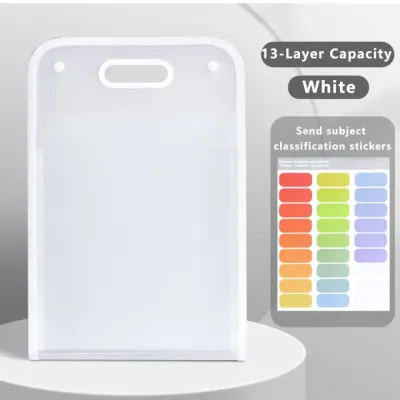
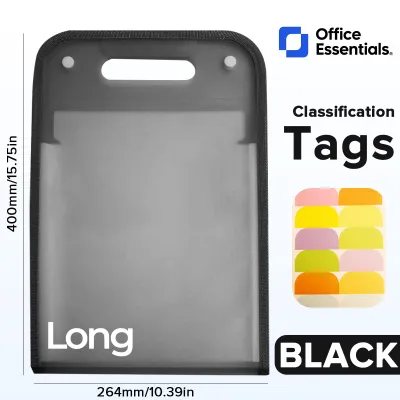
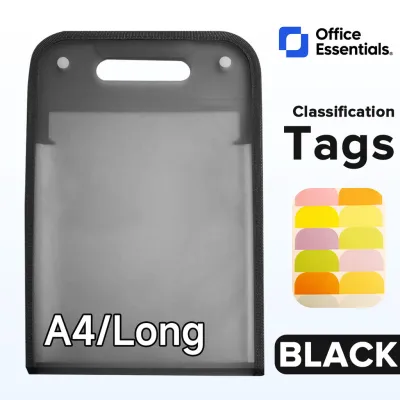
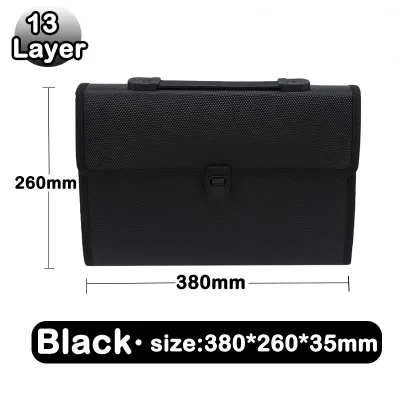
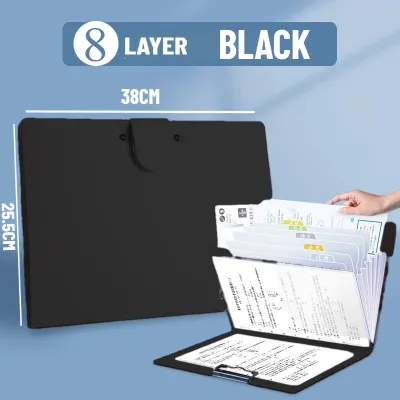
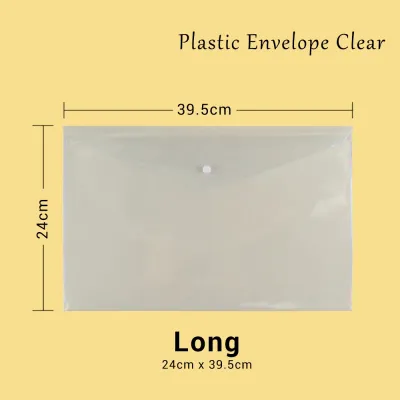
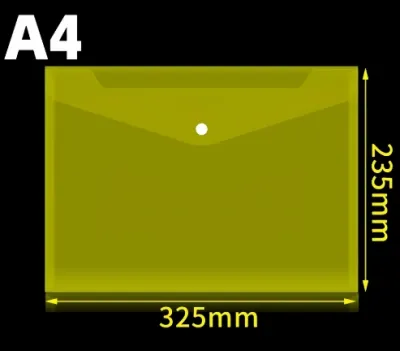
Prices are valid at publication and may change. Please refer to the product page for the latest price.
Finally, think about your daily workflow and how often you need to retrieve these items. If you are constantly reaching for incoming mail, invoices, or shipping labels throughout the day, keeping them within arm’s reach is essential. For long-term storage or occasional reference, a system that tucks away neatly out of sight might be more appropriate.
Desktop Organizers: Best for Active Daily Sorting
Desktop organizers are the traditional choice for managing active, high-frequency paperwork. If your daily routine involves sorting incoming mail, separating outgoing letters, or organizing invoices as soon as they arrive, a desktop sorter keeps everything immediately visible and accessible. This setup helps you address urgent tasks quickly without digging through drawers.

However, this convenience comes at the cost of your desk’s surface area. A large multi-slot organizer can crowd your workspace, leaving less room for your keyboard, notebook, or laptop. If you work on a smaller desk, look for compact vertical sorters that utilize height rather than width to minimize the footprint.
When choosing a desktop model, verify the physical dimensions of the slots and dividers. Standard envelopes fit easily in most sorters, but larger document mailers or legal-sized envelopes may sag or bend if the dividers are too short or spaced too closely together. Check the manufacturer’s specifications for slot width and depth to ensure your most common envelope sizes remain upright and undamaged.
Material choice also plays a significant role in both durability and aesthetics. Acrylic and metal mesh options offer excellent visibility, allowing you to see the contents of each slot at a glance. Wooden or solid plastic sorters provide a more classic look but may block your view of smaller envelopes tucked inside, requiring you to label each section clearly.
Expanding Organizers: Best for High Volume and Portability
For those managing a large volume of documents or needing to transport papers between home and the office, an expanding organizer offers excellent utility. These accordion-style files feature multiple pockets that expand to accommodate growing stacks of mail, receipts, or tax documents. They are highly effective for archiving papers by month, category, or project.
While highly efficient for bulk storage, expanding files do have physical limitations. When fully extended, they require a significant amount of flat surface space to navigate, which can temporarily take over your desk. You will need to plan a dedicated storage spot, such as a deep drawer, a shelf, or a filing cabinet, where the organizer can sit when closed.
Before selecting an expanding model, inspect the closure mechanism and the durability of the spine. Elastic bands, button ties, or plastic latches must be sturdy enough to secure the organizer when it is packed to maximum capacity. A weak closure can lead to papers slipping out during transport, while a rigid spine that does not flex properly might split under heavy loads.
Additionally, check the indexing system of the expanding file. Look for models that include customizable tab inserts or pre-printed labels, which allow you to categorize your envelopes systematically. This feature is particularly useful for separating incoming bills from paid receipts, ensuring you can locate specific documents within seconds.
Wall-Mounted and Hanging Options: Best for Saving Desk Space
When desk space is at a premium, moving your organization system off the flat surface and onto the wall is an excellent strategy. Wall-mounted pockets, hanging file organizers, and over-the-door systems utilize vertical space that otherwise goes unused. This approach keeps your desk completely clear for active work while keeping your envelopes organized and within your line of sight.
Before committing to a vertical system, assess the installation requirements and your specific workspace rules. Some wall-mounted organizers require drilling screws into drywall or wood, which may not be permitted in rental properties or shared corporate offices. For these environments, look for damage-free adhesive hooks, over-the-door brackets, or magnetic hangers that attach securely to metal filing cabinets or cubicle walls.
Additionally, pay close attention to weight limits and material durability. Paper is deceptively heavy when accumulated in large quantities. Ensure the pockets are made of sturdy materials like thick plastic, metal mesh, or reinforced fabric that will not sag, warp, or pull away from the wall under a full load of envelopes.
Consider the layout of the vertical pockets as well. Cascading wall organizers allow you to see the top edge of multiple files simultaneously, making it easy to identify different categories. Single-pocket wall files are better suited for holding a single type of document, such as outgoing mail or shipping envelopes, right next to your packing station.
Decision Guide: Matching Your Setup to the Right Style
To finalize your choice, compare how each organizer style aligns with your spatial constraints and paper volume. If you have ample desk space and need to grab envelopes constantly, a desktop sorter is your best match. If you handle high volumes of documents that need to be archived or moved frequently, choose an expanding organizer. For tight workspaces where keeping the desk clear is the top priority, a wall-mounted or hanging system is the ideal solution.
You can also combine these styles to handle complex, multi-stage workflows. For example, you might use a small desktop sorter to manage incoming mail and daily action items, and then transfer processed documents to a larger expanding file for long-term monthly archiving. This hybrid approach keeps your immediate workspace clean while maintaining a reliable filing system.
When evaluating any option, always prioritize material compatibility with your environment. In high-humidity areas, metal organizers should have rust-resistant coatings, and fabric or paperboard options should be kept in well-ventilated spaces to prevent moisture damage. By matching the physical properties of the organizer to your workspace conditions, you ensure a long-lasting and efficient setup.
Frequently Asked Questions (FAQ)
Can I Use a Regular Folder Instead of an Envelope Organizer?
A regular file folder can work for temporary storage, but it lacks the structural support and visibility of a dedicated envelope organizer. Standard folders tend to lie flat, making it easy for envelopes to slide out or get buried under other paperwork. A dedicated organizer keeps envelopes upright, separated, and clearly visible, which improves workflow efficiency and prevents important mail from being overlooked.
How Do I Maintain and Clean My Envelope Organizer?
To keep your organizer looking its best, perform regular light maintenance based on its material. For plastic, metal mesh, or wooden organizers, a quick wipe with a dry microfiber cloth is usually sufficient to remove dust. If you are using a cardboard or paperboard organizer, avoid using damp cloths or liquid cleaners, as moisture can warp or weaken the structure. Always check the manufacturer’s care label for specific cleaning instructions and material sensitivities.

Community discussion
Share your experience or ask a question. Comments are reviewed before publication.