
Choosing the right fabric paint is the foundation of any successful textile design project. The ideal paint formulation must match the specific physical properties of your fabric, including its stretch, weight, and texture. Applying a rigid paint to a stretchy cotton t-shirt leads to cracking and peeling, while using a thin, transparent paint on a dark canvas tote bag results in a dull, invisible design. In tropical climates like the Philippines, high relative humidity can also influence how paint flows, dries, and cures, making a careful selection process even more critical for achieving professional, long-lasting results.
To ensure your custom designs remain vibrant and durable through countless wash cycles, you must evaluate the paint’s chemical base, opacity, and viscosity. This guide breaks down these essential characteristics, helping you navigate the selection process for t-shirts, canvas bags, and custom footwear. By understanding how different formulations interact with various fibers, you can confidently choose the best materials for your next creative project.
Understanding Fabric Paint Formulations and Finishes
Fabric paints are engineered differently from standard art supplies. Most high-quality fabric paints are acrylic-based, meaning they utilize an acrylic polymer emulsion as a binder. However, unlike standard utility acrylics, fabric-specific formulations incorporate specialized plasticizers and softening agents. These additives allow the cured paint film to bend, stretch, and flex alongside the textile fibers without rupturing or detaching from the surface.
Products mentioned in this guide
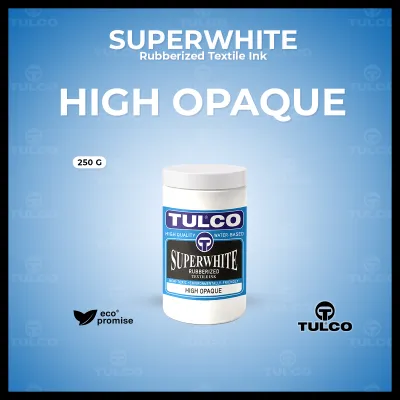
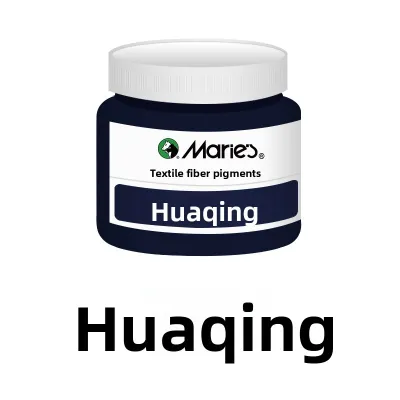
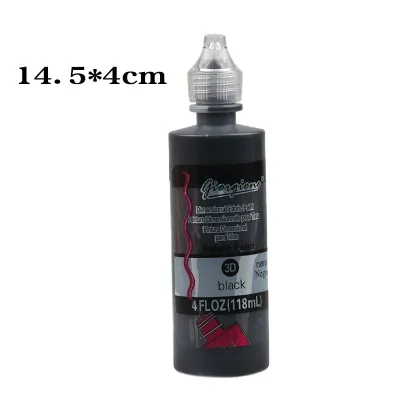
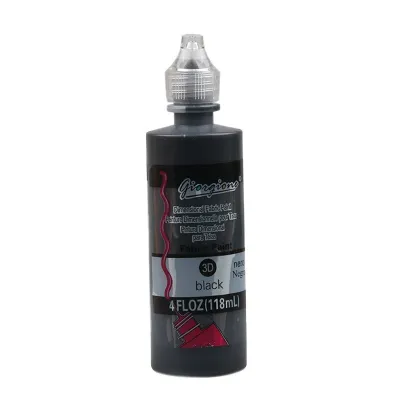
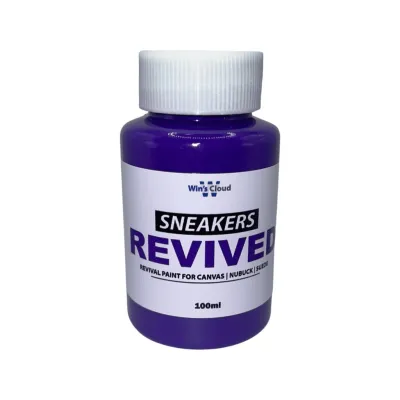
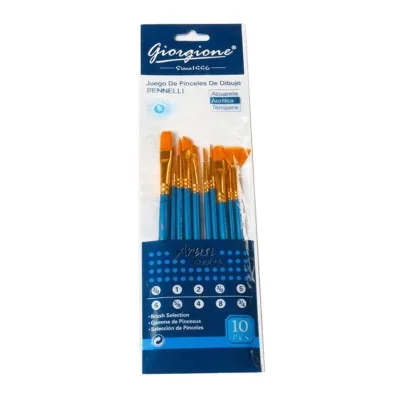
Prices are valid at publication and may change. Please refer to the product page for the latest price.
When selecting a paint, the distinction between opaque and transparent finishes is critical for color visibility. Transparent fabric paints are designed to tint light-colored fibers, allowing the natural texture and tone of the fabric to show through. If you apply a transparent paint to a dark blue or black fabric, the pigment will virtually disappear. Opaque fabric paints, on the other hand, contain high concentrations of titanium dioxide or other blocking pigments. These paints sit on top of the fibers, completely obscuring the underlying fabric color and making them the correct choice for dark textiles.
Visual finishes also play a major role in the tactile and aesthetic outcome of your project. Matte finishes dry without shine, blending smoothly into the natural look of cotton and linen. Satin and semi-gloss finishes offer a subtle sheen that catches the light, which can highlight detailed brushwork. High-gloss, metallic, and dimensional (3D) paints create a raised, reflective surface. While these specialty finishes offer striking visual effects, they often result in a stiffer texture, or “hand-feel,” on the finished garment.
Viscosity, or paint thickness, determines how the medium behaves during application. High-viscosity paints have a thick, buttery consistency, making them excellent for stenciling, block printing, and heavy canvas application because they resist running under stencils. Low-viscosity paints are fluid and runny, resembling watercolors. These fluid formulations are ideal for fine detail work, airbrushing, and delicate fabrics like silk, as they penetrate deep into the fibers and leave almost no physical texture on the surface.
Matching Paint Types to Your Specific Fabric Projects
Every textile project presents unique physical demands based on the weight, weave, and elasticity of the base material. A heavy, rigid canvas requires a paint that can grip coarse fibers, while a lightweight, stretchy knit demands a formulation that moves dynamically with the wearer. Matching these physical traits to your paint chemistry prevents premature wear and design failure.

If you already own standard acrylic paints, you can modify their physical properties using a dedicated fabric medium. Mixing a fabric medium into standard acrylic paint thins the viscosity, improves fiber penetration, and introduces the necessary flexibility to prevent cracking. While this is a highly versatile and cost-effective approach for occasional crafters, purpose-built fabric paints generally offer superior durability and a softer hand-feel straight out of the bottle.
T-Shirt and Apparel Customization
Wearable garments like t-shirts require paints that prioritize flexibility and comfort. Because apparel is subjected to constant stretching, folding, and friction during wear, rigid paint films will quickly develop micro-cracks. To prevent this, look for formulations explicitly labeled as highly flexible or elastomeric, which are designed to expand and contract with knit fabrics like cotton jersey and polyester blends.
Maintaining a soft hand-feel is essential for comfortable apparel. A heavy, thick layer of paint can make a t-shirt feel like it has a stiff plastic plate glued to the chest, which also traps heat and sweat. To keep the fabric soft and breathable, apply the paint in thin, even layers, or dilute your mixture slightly with a fabric medium. This encourages the pigment to dye the individual threads rather than forming a thick skin over the top of the weave.
Before purchasing, always check the manufacturer’s label for specific wearability and washability ratings. High-quality apparel paints will clearly state their compatibility with cotton, synthetic blends, or tri-blends. They will also provide clear instructions on how to wash the garment without degrading the design, ensuring your custom t-shirt remains wearable for years.
Tote Bags and Heavy-Duty Canvas
Canvas tote bags, backpacks, and banners present a very different set of challenges compared to lightweight apparel. Canvas is a heavy, tightly woven, and highly absorbent material. Because canvas fibers are thick and coarse, they tend to absorb a large volume of liquid, which can cause standard paints to look dull or uneven as they sink into the weave.
To achieve vibrant, clean designs on canvas, select high-pigment, opaque fabric paints. These formulations contain enough pigment load to cover the dark or natural unbleached tones of raw canvas in fewer coats. When working on dark canvas, applying a thin white base coat of opaque fabric paint first can help your subsequent colored layers pop with maximum brightness.
Because canvas is rigid, you do not need to worry as much about stretch flexibility, but you must focus on surface adhesion and durability. Tote bags are subjected to high friction, scraping, and heavy loads. Ensure the paint you select specifies strong adhesion to heavy-duty cotton or canvas, and apply the paint in firm, controlled strokes to work the pigment deep into the coarse weave rather than letting it sit loosely on the surface fuzz.
Shoe and Sneaker Customization
Customizing footwear requires specialized preparation and paint selection due to the diverse materials used in shoe construction. Sneakers often feature leather, synthetic leather, vinyl, or coated canvas uppers. These materials are treated with factory-applied protective glazes and water-repellent coatings that will prevent fabric paint from adhering properly, leading to immediate peeling.
Proper surface preparation is mandatory before any paint touches a shoe. For leather or synthetic uppers, you must use a specialized leather preparer or deglazer to strip away the factory finish, exposing the porous surface underneath. For canvas shoes, a thorough cleaning to remove dirt and manufacturing starches is required. Once prepped, you must use highly flexible paints formulated specifically for leather or vinyl, particularly around the toe box where the shoe creases constantly during walking.
Because shoes are exposed to harsh outdoor elements, puddles, and physical scuffs, the painted design requires robust protection. After the paint has fully dried, you must apply a compatible acrylic finisher or water-resistant sealant. This protective topcoat acts as a barrier against moisture, dirt, and abrasions, preserving your custom paint job through daily wear.
Key Selection Criteria and Compatibility Checks
Before purchasing fabric paint for your project, it is important to establish a systematic checklist to verify that the product matches your technical requirements and budget. Reading the manufacturer’s technical data sheets or label instructions is the first step. Look for explicit compatibility statements regarding fiber content, as some paints work beautifully on 100% cotton but fail to adhere to nylon, polyester, or waterproof synthetic blends.
Cost-effectiveness is another practical consideration, especially when planning larger projects or workshops. In the local market, fabric paints are available across a wide price spectrum. Standard craft-grade fabric paints typically cost between ₱80 and ₱150 per bottle, making them highly accessible for school projects, hobbyists, and simple t-shirt designs. Professional-grade textile paints and specialized leather paints can range from ₱300 to over ₱600 per bottle. While professional lines represent a higher initial investment, they offer superior pigment density, better coverage, and exceptional wash-fastness, which can save you money by requiring fewer coats and lasting much longer.
Safety is paramount if your project involves items for infants, children, or individuals with sensitive skin. Always verify that the paint carries a certified non-toxic label, such as the ASTM D-4236 standard. This certification ensures that the formulation does not contain harmful solvents, heavy metals, or strong chemical fumes that could cause skin irritation during prolonged contact or inhalation during the painting process.
| Paint Grade | Price Range (per bottle) | Best Suited For | Key Advantage |
|---|---|---|---|
| Craft Grade | ₱80 – ₱150 | Hobbyists, school projects, light cotton | Highly accessible, easy to clean up |
| Professional Grade | ₱300 – ₱600+ | Apparel brands, leather shoes, dark canvas | High pigment load, exceptional wash-fastness |
Never skip a hidden patch test before committing to your main project. Apply a small amount of paint to an inconspicuous area of the fabric, such as an inside seam or a scrap piece of the same material. Allow it to dry completely under your local room conditions to observe the drying speed, any potential color shifts, and the final stiffness of the fabric. This simple test prevents costly mistakes and ensures the paint behaves exactly as expected.
Application, Curing, and Care Instructions
Applying the paint is only half the process; proper curing is what makes the design permanent and washable. Most traditional fabric paints require heat-setting to thermally fuse the acrylic polymers with the textile fibers. This is typically done using a household iron set to a dry, medium-to-high heat setting (with no steam) and pressing the reverse side of the painted fabric for several minutes. Alternatively, you can place the item in a clothes dryer on high heat, provided the base fabric’s care label permits high temperatures.
In the Philippines, the tropical climate and high relative humidity can significantly extend the time required for paint to dry and cure. While a paint label might suggest a 24-hour drying time, humid conditions can trap moisture within the paint layers. It is best practice to allow your painted project to air-dry in a well-ventilated space for at least 48 to 72 hours before attempting to heat-set or wash the item. This ensures that all water has evaporated from the paint film, allowing the binder to form a stable, solid structure.
When it comes to maintaining your customized textiles, gentle laundering practices will extend the life of your artwork. Always turn painted garments inside-out before washing to shield the design from direct friction against the washing machine drum or other clothing items. Use cold water, a gentle wash cycle, and a mild liquid detergent. Avoid harsh powder detergents, chlorine bleach, and fabric softeners, as these chemical agents can break down the acrylic binders over time, leading to fading or cracking.
Finally, always cross-reference the paint’s curing instructions with the care label of your base fabric. If you are working on a delicate synthetic material like nylon or silk that cannot tolerate the high heat required for iron-setting, do not risk scorching the fabric. In these situations, stop and consult the paint manufacturer’s guidelines. You may need to use a self-curing fabric paint that cures chemically over several days without requiring heat, or utilize a low-temperature setting agent to protect your delicate materials.
Frequently Asked Questions (FAQ)
Can I use regular acrylic paint instead of fabric paint?
Regular acrylic paint is not recommended for direct use on flexible textiles because it dries into a rigid, non-porous plastic film. When the fabric bends, stretches, or goes through the wash, this rigid film will quickly crack, peel, and flake off, while leaving the garment feeling rough and uncomfortable to wear. If you must use regular acrylic paint, you should mix it with a dedicated fabric medium. The medium dilutes the paint’s viscosity and introduces essential plasticizers, allowing the mixture to penetrate the fibers and remain flexible after drying, though purpose-built fabric paints still offer the most durable results.
How do I prevent fabric paint from bleeding through the material?
To prevent fabric paint from bleeding through to the back layer of a t-shirt, tote bag, or pillowcase, always place a physical barrier inside the item before you begin painting. A piece of thick cardboard, a plastic sheet, or wax paper works perfectly to catch any excess paint that penetrates the weave. Additionally, control the amount of moisture on your brush; excess water triggers capillary action, causing the paint to run along the fibers and blur your clean edges. Work with a relatively dry brush, apply the paint in thin, controlled layers, and avoid overloading the fabric with wet product.

Community discussion
Share your experience or ask a question. Comments are reviewed before publication.