
To choose the right fabric scraps (retasong tela pang doormat) for a DIY doormat, you must select materials that balance durability, moisture resistance, and ease of handling. The ideal scraps are thick, tightly woven, and low-stretch—such as cotton twill, denim, canvas, or sturdy knits—which can withstand heavy foot traffic and frequent washing. By evaluating the structural integrity, testing for color bleeding, and cutting the remnants into uniform strips, you can transform local textile waste into a highly functional, long-lasting household item.
Creating a handmade doormat is an excellent way to repurpose textile leftovers while crafting a practical item for your home. However, not all fabric remnants are created equal. Using the wrong materials can result in a mat that slips, frays instantly, bleeds dye onto your floors, or warps after the first wash. Understanding how to evaluate, test, and prepare these scraps ensures your weaving or braiding efforts yield a beautiful, flat, and resilient doormat.
Evaluating Fabric Durability and Structure for High-Traffic Use
Doormats endure constant friction, weight, and scraping from footwear. Therefore, the structural integrity of your fabric scraps is the first line of defense against premature wear. Heavyweight natural fibers like cotton canvas, denim, and linen offer excellent structural density. They pack tightly when woven or braided, creating a solid barrier that traps dirt. Synthetic fibers like polyester or nylon blends are highly durable and resist abrasion, but they can be slippery if used exclusively without a textured weave.
Products mentioned in this guide
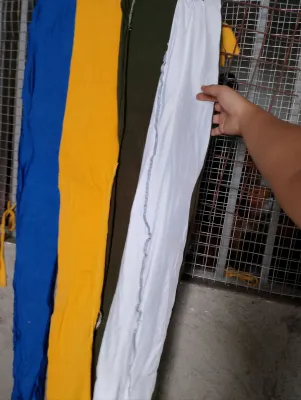
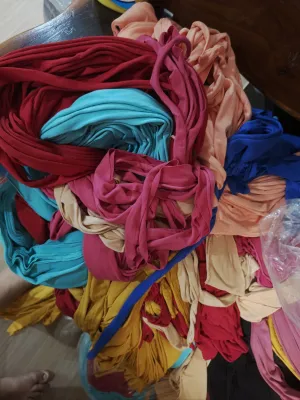
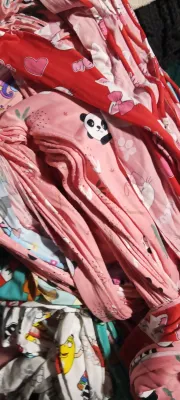
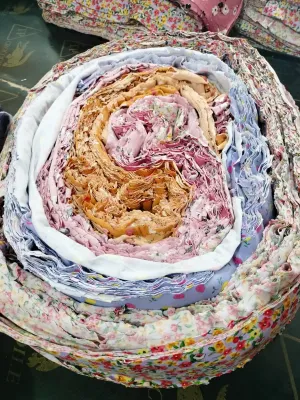
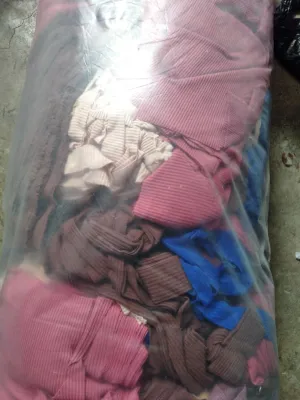
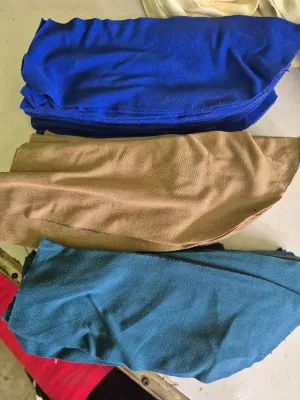
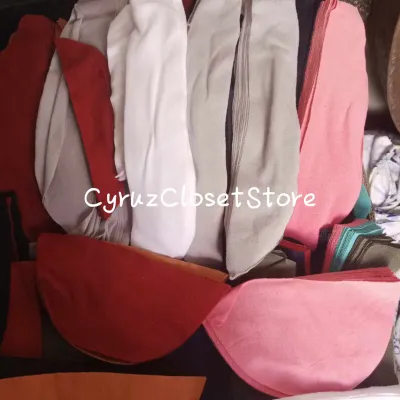
Prices are valid at publication and may change. Please refer to the product page for the latest price.
To evaluate potential scraps, perform a manual tear test. Hold a piece of the fabric firmly between your thumbs and index fingers and pull in opposite directions. High-quality scraps will resist tearing and show no separation in the weave. Next, rub two pieces of the fabric together vigorously. If the surface immediately begins to pill, shed loose fibers, or fray excessively, the material will likely degrade quickly under the friction of dirty shoes.
Stretch is another critical factor to consider. Highly elastic fabrics, such as spandex or thin jersey knits, can make weaving difficult because they lose their shape under tension. If you use stretchy knits, ensure they are thick cotton-blend t-shirt scraps that recover their shape when released. Avoid overly slippery synthetics like satin or cheap polyester lining scraps, as they lack the traction needed for a safe, non-slip doormat.
When sourcing from local textile shops or tailors, look for remnants of upholstery fabrics, heavy twills, or denim offcuts. If the fabric lacks a fiber content label, ask the supplier if the material was intended for curtains, uniforms, or furniture covers. These applications typically require higher rub counts and denser weaves, making their leftover scraps perfect candidates for a rugged doormat.
Testing Colorfastness and Moisture Resistance Before Weaving
A beautiful handmade doormat can quickly become a household hazard if the colors bleed onto your tiled or wooden floors during a rainy day. Because doormats frequently encounter wet shoes, testing the colorfastness of your fabric scraps is an essential preparatory step. This is especially true for vibrant, deep-dyed local fabrics like red cottons or dark denims, which often carry excess dye.

To conduct a simple colorfastness test, submerge a sample strip of the fabric in a bowl of room-temperature water for several minutes. Squeeze the wet fabric against a clean, white cotton cloth or a piece of white paper towel. If any color transfers to the white surface, the dye is unstable. You can either wash these scraps repeatedly in hot water to strip the excess dye before weaving, or set them aside for indoor projects that will not encounter moisture.
Moisture resistance and drying speed are equally vital in tropical climates where high humidity can foster mold and mildew. Pure cotton absorbs moisture exceptionally well, making it great for drying wet feet, but it dries slowly. If a cotton mat remains damp in a humid entryway, it may develop a musty odor. Blending cotton scraps with quick-drying synthetic fibers, like polyester-cotton blends, creates a balanced mat that absorbs water but dries fast enough to prevent mold growth.
Review any available care instructions for the source fabrics. If you are using scraps from old garments or home textiles, check if they are prone to extreme shrinkage. Cotton and wool remnants can shrink significantly during their first wash, which can warp the entire shape of a finished, multi-material doormat. Pre-washing and pre-shrinking all your fabric scraps before cutting them into strips ensures the finished doormat maintains its flat, rectangular shape throughout its usable life.
Preparing and Cutting Scraps for Uniform Braids or Weaves
Transforming a pile of irregular fabric remnants into a neat, functional doormat requires careful preparation and precise cutting. The consistency of your fabric strips directly determines the thickness, flatness, and overall safety of the finished mat. If your strips vary wildly in width or thickness, the doormat will have lumpy sections that can easily become tripping hazards in busy entryways.
The optimal width for your fabric strips depends on the specific construction technique you choose. For a classic braided doormat, strips are typically cut between two to three inches wide. Thinner fabrics, like lightweight cotton sheets, can be cut wider and folded inward to add bulk. Conversely, heavy fabrics like denim or canvas should be cut narrower—around one to one and a half inches—to prevent the braids from becoming too thick and difficult to sew together.
When cutting your fabric scraps, always pay attention to the grain of the fabric. Cutting parallel to the selvage or grain line minimizes stretching and helps maintain consistent tension while weaving or braiding. If you cut on the bias (diagonally across the grain), the fabric will stretch excessively, making it difficult to keep the braids tight and uniform. Additionally, cutting along the grain reduces the amount of loose, fraying threads that shed during the assembly process.
Managing seams, hems, and raw edges is crucial for achieving a flat, professional finish. Cut away any thick, pre-existing seams, pockets, or heavy hems from the original garments or upholstery scraps, as these bulky sections will create hard lumps in your mat. To join shorter strips of fabric together without creating bulky knots, use a diagonal sewing seam or a simple slip-slit method. This keeps the transition between different scraps smooth, ensuring the finished doormat lies perfectly flat on the floor.
Sourcing and Sorting Local Fabric Remnants Efficiently
Finding a steady supply of high-quality fabric scraps is both cost-effective and environmentally friendly. In many local communities, tailoring shops, dressmakers, and upholstery workshops generate large amounts of textile waste daily. Establishing a good relationship with these local businesses can provide you with an abundant source of free or very inexpensive remnants that are perfect for doormat weaving.
When approaching local tailors or upholstery shops, clearly communicate the specific types of fabric you need. Explain that you are looking for heavier, durable offcuts like canvas, denim, linen, or thick cotton blends, rather than slippery silks, sheer organza, or delicate laces. Many shop owners are happy to set aside these heavier scraps for you, as it reduces their waste disposal costs and ensures their scraps are put to productive use.
If you purchase bulk scrap bundles from local textile markets or second-hand warehouses, inspect the materials carefully before starting your project. Check for signs of structural weakness, such as dry rot, sun damage, or insect wear, which can cause the fabric to disintegrate during weaving. Additionally, smell the bundles to ensure there are no persistent musty odors, chemical residues, or mold, as these scents can be incredibly difficult to wash out once the fibers are tightly woven together.
Once you have gathered your scraps, organize them systematically before you begin cutting or weaving. Sort the remnants first by material weight and stretch factor, grouping heavy canvas together, medium cottons together, and stretchy knits in another pile. Next, organize them by color palette to help you plan your design, whether you want a rustic, multi-colored look or a structured, geometric pattern. Sorting your scraps beforehand saves time and prevents you from running out of a specific fabric type halfway through your project.
Frequently Asked Questions (FAQ)
How do I clean a woven fabric doormat without damaging the braids?
Cleaning a handmade doormat requires a gentle touch to preserve the integrity of the weave and prevent the braids from unraveling. For routine maintenance, take the mat outdoors and shake it vigorously to dislodge loose dirt, sand, and dust. You can also use a vacuum cleaner with an upholstery brush attachment to gently lift embedded debris from the crevices of the braids, avoiding high-powered beater bars that might snag the fabric edges.
When deeper cleaning is necessary, spot clean the affected areas using a soft brush, lukewarm water, and a mild laundry detergent. Avoid harsh scrubbing, bleach, or aggressive machine washing, as the intense agitation can loosen the stitching holding the braids together and cause the fabric to fray. After cleaning, always air-dry the doormat completely flat on a clean surface in a well-ventilated area, keeping it out of direct, intense sunlight to prevent warping, uneven shrinkage, or color fading.
Can I mix different types of fabric in the same doormat?
Yes, you can mix different fabric types in a single doormat, but you must balance their physical properties to ensure a flat and durable result. The key is to manage the stretch, weight, and thickness of the different scraps. If you mix a highly elastic jersey knit with a rigid denim scrap, the uneven tension can cause the doormat to buckle, warp, or curl at the edges rather than lying flat on the floor.
To successfully combine materials, group fabrics with similar washing requirements and shrinkage rates together. For example, combining cotton twill with linen scraps works well because both are sturdy, non-stretch natural fibers that handle moisture similarly. If you want to use a mix of heavy and light fabrics, use the heavier, more durable scraps (like denim or canvas) for the high-wear center or the structural base of the mat, and save the lighter, more colorful scraps for decorative borders where they will experience less direct foot traffic.

Community discussion
Share your experience or ask a question. Comments are reviewed before publication.