
Selecting the right floral wrapper for a bouquet depends on balancing the physical requirements of the flowers with the desired visual presentation. The ideal material must support the bouquet’s weight, accommodate its water retention needs, and complement the size and color of the blooms. In warm, humid tropical climates, managing moisture is especially critical to prevent paper from wilting or tearing before the bouquet reaches its destination. By evaluating stem length, flower head volume, and moisture levels, you can match the appropriate wrapper material, size, and layering technique to ensure the arrangement remains secure and visually appealing.
Matching Wrapper Materials to Bouquet Characteristics
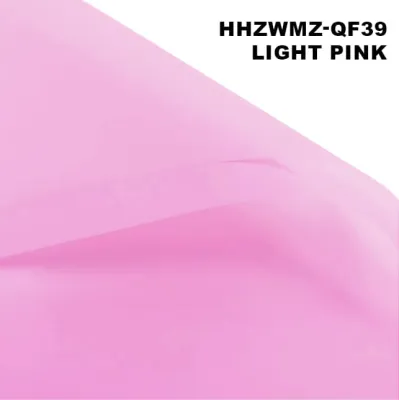
Waterproof materials like oriented polypropylene (OPP) plastic, cellophane, and frosted plastic sheets are essential for wet-stemmed bouquets. If you are preparing heavy, long-stemmed arrangements that rely on water tubes or wet cotton wraps at the base, these non-porous materials prevent water from seeping through. They provide excellent structural rigidity, ensuring that tall stems do not bend or collapse the outer packaging during transport.
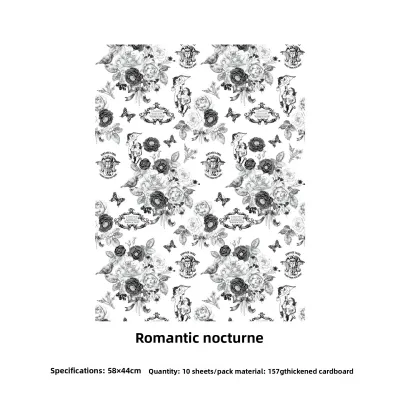
For dry-stemmed, lightweight, or short-stemmed arrangements, breathable and absorbent papers such as classic kraft paper or heavy art paper are highly effective. Kraft paper offers a rustic, structured aesthetic and holds crisp folds well, but it lacks inherent water resistance. When using these papers, you must verify that the stems are completely dry or that a waterproof barrier is placed between the wet stems and the paper to avoid unsightly water spots and structural failure.
Products mentioned in this guide
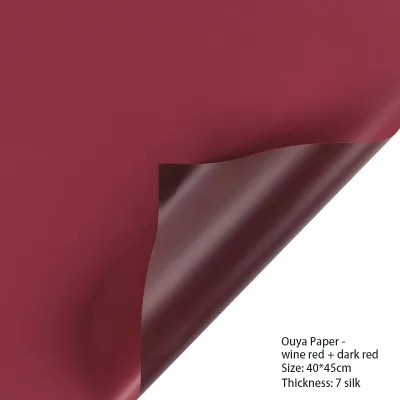
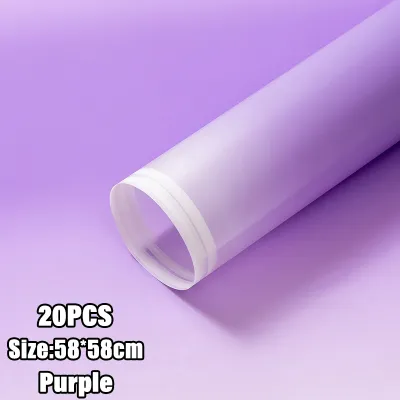
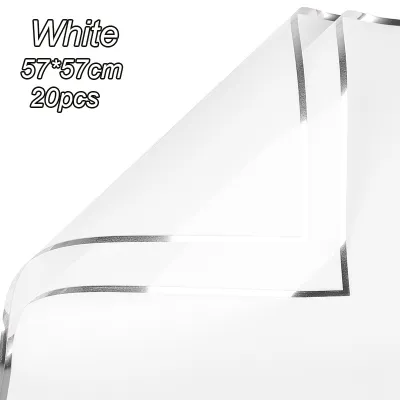
Prices are valid at publication and may change. Please refer to the product page for the latest price.
Fabric and non-woven wrappers, such as mesh, tulle, or non-woven polypropylene sheets, offer a middle ground for medium-sized bouquets. These materials do not tear easily when exposed to light moisture and provide a soft, matte texture that drapes elegantly. They offer flexible structural support, making them ideal for wrapping delicate blooms that might be crushed by stiffer papers, while still allowing air circulation around the stems.
Adjusting Wrapper Size and Layers for Bouquet Volume
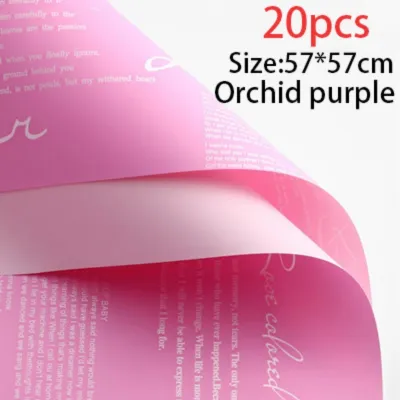
The scale of your wrapping material must directly correspond to the volume of your bouquet. For a single-stem or mini bouquet, a single small sheet (often around 30 by 30 centimeters) is sufficient to frame the bloom without overwhelming it. Large, round, or cascading arrangements require multiple larger sheets (typically 50 by 50 centimeters or larger) layered together to support the heavy weight and wide diameter of the flowers.

Layering and folding techniques are key to building visual volume without hiding the flowers. By pleating or accordion-folding the sheets before wrapping, you create pockets of air that make the bouquet look fuller and more luxurious. Overlapping multiple sheets at slightly staggered heights adds depth and allows you to mix different textures, such as placing a frosted plastic sheet behind a textured non-woven fabric.
Always leave adequate stem exposure at the bottom of the bouquet. A good rule of thumb is to leave the bottom third of the stems exposed, which allows the recipient to hold the bouquet comfortably without crushing the wrapper. This exposed section also makes it easy to place the bouquet directly into a vase of water without needing to unpack the entire arrangement immediately.
Coordinating Colors and Textures with Flower Varieties
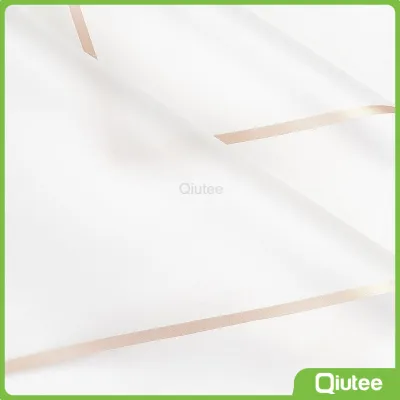
The visual design of your wrapper should complement, not compete with, the flowers. For highly complex, multi-petaled blooms or multi-colored arrangements, solid-colored wrappers in neutral or muted tones work best. If you are wrapping simple, single-colored flowers like white lilies or red roses, you can opt for patterned, printed, or bordered wrappers to add visual interest.
Consider how transparency affects the overall presentation. Transparent or semi-transparent frosted wrappers soften the light passing through, creating a delicate, airy feel that highlights the natural colors of the stems and leaves. Opaque wrappers, on the other hand, create a strong visual frame and block out the background, making the colors of the flower heads pop dramatically.
Finish the arrangement by matching the texture of your ribbon, twine, or bow to the wrapper material. Rustic kraft paper pairs naturally with jute twine or coarse linen ribbons, while elegant frosted plastic or non-woven sheets are best complemented by smooth satin, organza, or grosgrain ribbons. Ensure the binding is tight enough to hold the layers secure without cutting into the flower stems.
Practical Checks Before Wrapping
Before assembling your bouquet, perform a few physical checks to prevent damage to both the flowers and the wrapping material. Trim all stems evenly to remove sharp edges, and strip away any thorns, lower leaves, or small twigs. This step is crucial because sharp protrusions can easily puncture plastic wrappers or tear delicate paper sheets during the wrapping process.
If your arrangement uses water tubes, wet floral foam, or a damp paper towel wrap to keep the flowers hydrated, double-check that these moisture sources are completely sealed. Wrap the wet base securely in a small plastic bag or cling wrap before applying the outer decorative paper. This prevents slow leaks from ruining the structural integrity of your outer paper layers.
Inspect your wrapper sheets before you begin folding. Check for any pre-existing tears, bent corners, or defects in the waterproof coating. Ensuring that your materials are in pristine condition before you start wrapping guarantees a clean, professional finish that will hold up during transport and handling.
Frequently Asked Questions (FAQ)
Can I use regular craft paper for wet flower stems?
Using regular craft paper directly against wet flower stems is not recommended because the paper will quickly absorb moisture, leading to structural failure, tearing, and color bleeding. If you want to use craft paper for its rustic aesthetic, you must first wrap the wet stems or moisture source in a waterproof inner layer, such as a cellophane sleeve or plastic wrap, to act as a barrier.
How much extra wrapper should I leave above the flower heads?
The amount of wrapper extending above the flower heads depends on the bouquet style. For tight, round bouquets, leave only a minimal extension of about 2 to 3 centimeters to keep the focus on the blooms. For cascading, asymmetrical, or long-stemmed arrangements, you can allow the wrapper to extend 5 to 10 centimeters higher to protect delicate petals and create a soft, framing effect.

Community discussion
Share your experience or ask a question. Comments are reviewed before publication.