
Choosing the right flower bouquet bag is more than a final packaging step; it is a critical decision that influences both the presentation and the lifespan of your floral arrangement. The material you select must balance aesthetic appeal with practical functionality, ensuring that your blooms remain fresh, secure, and visually striking from the florist’s table to the recipient’s hands. In tropical climates like the Philippines, where high humidity and warm temperatures can accelerate wilting, your choice of packaging material plays an even more significant role in moisture management and structural integrity.
To make an informed choice, you must evaluate how different materials interact with water, support the weight of various flower stems, and complement the overall design theme. Whether you are assembling a rustic bouquet of sunflowers or a premium arrangement of delicate roses, matching the material properties to your specific floral needs is the key to a successful presentation.
Quick Guide: Matching Bouquet Bag Materials to Your Floral Style
Selecting the ideal flower bouquet bag requires a thoughtful balance of three core factors: moisture management, stem weight, and your desired aesthetic. The outer material of the bag primarily dictates the visual style and tactile experience of the arrangement, while the inner lining or structural base handles the practicalities of waterproofing and physical support. For instance, a heavy, wet arrangement demands a highly water-resistant material with excellent structural rigidity, whereas a dry or lightweight bouquet allows for more delicate, textured, and breathable options.
Products mentioned in this guide
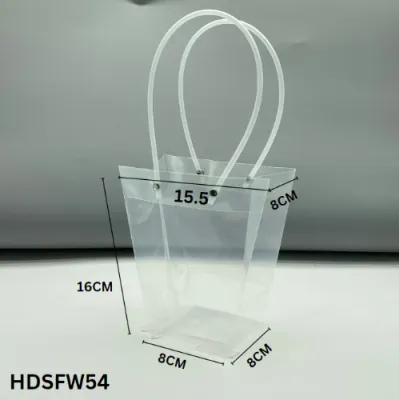
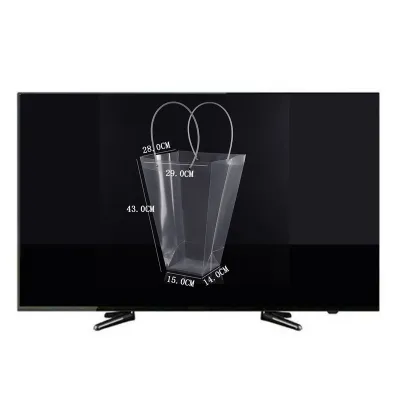
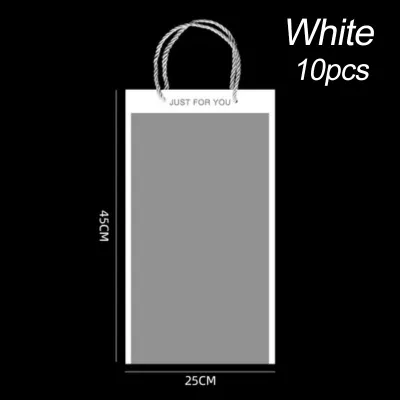
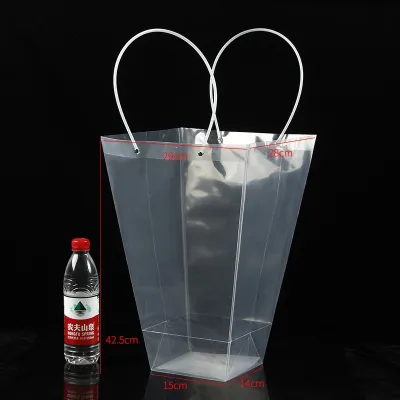
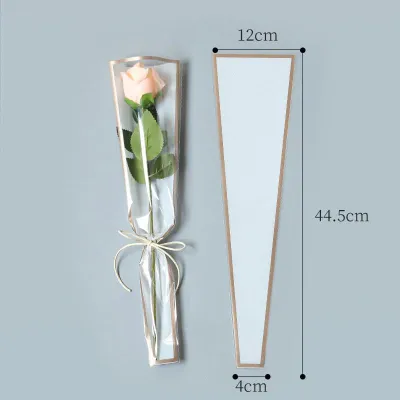
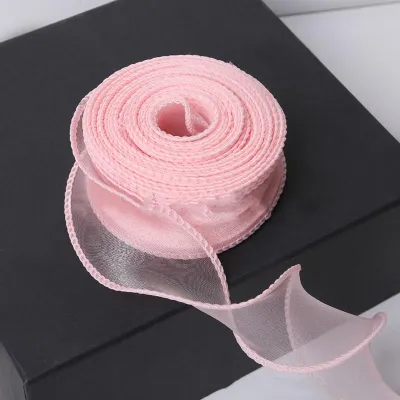
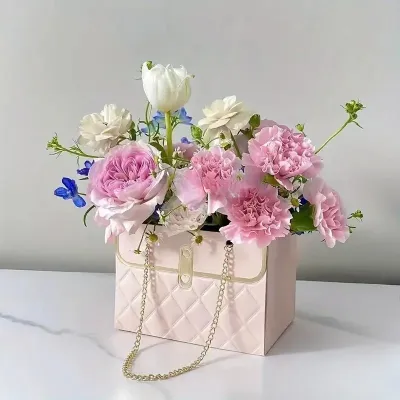
Prices are valid at publication and may change. Please refer to the product page for the latest price.
As a quick rule of thumb, cellophane and clear plastic films remain the industry standard for traditional, moisture-rich displays where visibility is paramount. If your goal is a rustic, eco-friendly, or vintage presentation, kraft paper offers unmatched structural support and an earthy charm, provided you manage moisture exposure carefully. For high-end, voluminous, and reusable designs, non-woven fabrics provide a soft, luxurious drape that elevates premium blooms. Meanwhile, specialty options like mesh netting, frosted films, and multi-layered Korean-style wraps offer modern, highly stylized alternatives that cater to contemporary floral trends.
Cellophane and Clear Films for Moisture Resistance and Classic Displays
Cellophane and clear plastic films are celebrated for their exceptional waterproof properties, making them indispensable for fresh flower arrangements that rely on wet floral foam, water tubes, or damp cotton wraps. Because these films are completely impervious to water, they prevent leaks and drips during transport, protecting both the bearer’s clothing and surrounding surfaces. This high level of moisture containment is particularly beneficial when handling delicate stems that require continuous hydration to prevent premature wilting.

Beyond their practical waterproofing capabilities, clear films offer a crisp, crinkly texture and high transparency that showcases the natural beauty of the blooms without distraction. This classic, high-gloss appearance keeps the visual focus entirely on the vibrant colors and intricate details of the flowers themselves. Clear film is highly versatile, allowing you to create simple, minimalist wraps or layer it with other decorative elements to add depth and shine to your presentation.
However, cellophane and thin clear films have notable limitations that you must consider before finalizing your design. In humid, tropical climates, the lack of breathability in sealed plastic wraps can quickly lead to condensation buildup. This trapped moisture creates a warm, damp environment around the petals, which can accelerate fungal growth and cause delicate flowers to rot. To prevent this, you should ensure proper ventilation or avoid sealing the top of the bag completely. Additionally, clear films offer very little structural rigidity; they cannot support heavy, thick-stemmed arrangements on their own without an additional backing material, such as cardboard inserts or stiffer wrapping papers, to prevent the bouquet from bending or collapsing.
Kraft Paper for Sturdy, Rustic, and Eco-Friendly Presentations
Kraft paper is highly valued in modern floristry for its substantial thickness, complete opacity, and warm, earthy tones. This material is the premier choice for creating rustic, vintage, or minimalist presentations that emphasize natural beauty and environmental consciousness. The textured, matte surface of kraft paper provides a beautiful, understated contrast to the vibrant colors of fresh blooms, making it exceptionally well-suited for informal or heritage-style arrangements.
One of the greatest practical benefits of kraft paper is its superior structural integrity. Because it is significantly stiffer and heavier than plastic films or fabrics, kraft paper excels at holding heavy, thick stems upright. It provides an excellent physical barrier and structural spine for large, top-heavy flowers like sunflowers, proteas, or dense wildflowers. The paper’s rigidity ensures that the bouquet maintains its intended shape and does not buckle under its own weight during handling or transport.
Despite these structural advantages, standard kraft paper is highly vulnerable to moisture. Because it is porous and absorbent, direct contact with wet stems, water tubes, or damp floral foam will cause the paper to soak, soften, and eventually tear. To prevent this structural failure, you must perform a quick verification check of your materials. If your arrangement contains wet elements, you must either dry the exterior of the stems thoroughly before wrapping or utilize a hidden, waterproof inner plastic layer. This dual-layer approach allows you to maintain the charming, rustic exterior of the kraft paper while ensuring the structural core remains dry, secure, and intact.
Non-Woven Fabric for Premium, Soft, and Reusable Designs
Non-woven fabric, along with cotton and linen wraps, represents a premium tier of bouquet packaging that focuses on texture, durability, and elegance. Unlike paper or plastic, non-woven fabric possesses a soft, fabric-like drape that lends a luxurious, high-end feel to any floral arrangement. It is highly durable, resistant to tearing, and can often be repurposed or reused by the recipient, adding a touch of sustainable value to your gift.
This material is particularly ideal for presenting premium, delicate blooms such as roses, peonies, or orchids, especially for formal occasions, weddings, or corporate events. Non-woven fabric adds physical volume and a soft, three-dimensional texture to the bouquet, creating a lush, full appearance that stiff papers cannot easily replicate. The fabric conforms gently to the contours of the arrangement, cushioning the delicate petals and stems while providing a sophisticated, matte backdrop that enhances the overall color palette.
While non-woven fabric offers exceptional aesthetic benefits, it does require a higher level of handling skill and preparation. Because it is soft and pliable, it lacks the natural stiffness of kraft paper or heavy films, meaning it will not stand upright on its own without a supportive core or tight wrapping technique. Florists must spend more time folding, pleating, and securing the fabric neatly using pins, decorative ribbons, or adhesive ties. Additionally, while non-woven fabric is highly water-resistant and does not degrade when wet, it is not entirely waterproof; moisture can still seep through the weave, requiring a reliable inner barrier if you are using wet floral foam or water tubes.
Specialty Materials: Mesh, Frosted Films, and Korean-Style Wraps
For florists and enthusiasts looking to create modern, highly stylized arrangements, specialty packaging materials offer unique textures and visual effects that set a bouquet apart. These materials are designed to cater to contemporary design trends, blending practical functionality with innovative aesthetics.
Mesh Netting and Lace Mesh netting and lace wraps are popular choices for adding instant volume and a romantic, airy aesthetic to a bouquet. The open-weave structure of mesh allows light to pass through, creating a soft-focus border around the flowers without obscuring their natural beauty. It is highly flexible and lightweight, making it excellent for layering over other solid materials to add depth, texture, and a touch of whimsy to romantic or bridal arrangements.
Frosted and Opaque Films Frosted or semi-opaque plastic films offer a sleek, modern alternative to traditional clear cellophane. These films provide excellent water resistance and durability while introducing a soft, matte finish that diffuses light beautifully. The frosted appearance adds a contemporary, sophisticated look, partially concealing the stems and mechanics of the arrangement while keeping the focus on the vibrant blooms at the top.
Multi-Layered Korean-Style Wraps Korean-style wrapping papers have become a dominant trend in modern floristry, celebrated for their unique multi-layered construction. These specialty sheets typically feature a waterproof, plastic-based inner lining paired with a matte, highly textured, and colorful outer layer. This design combines the absolute moisture protection of synthetic films with the premium, non-reflective aesthetic of high-quality paper. They allow florists to create complex, voluminous folds and pleats that maintain their shape perfectly, even when exposed to damp stems or high-humidity environments.
How to Match the Bag Material to Your Flower Type and Event
To ensure your floral presentation is both structurally sound and visually stunning, you should match your bouquet bag material to the specific characteristics of your flowers and the nature of the event. Use the following guidelines to select the most compatible pairing for your next arrangement:
- Fresh Flowers with Water Tubes or Wet Foam: Choose clear cellophane or multi-layered Korean-style wraps. These materials offer the necessary waterproof barrier to prevent leaks and maintain structural integrity when exposed to constant moisture.
- Dried, Preserved, or Artificial Flowers: Opt for sturdy kraft paper, rustic mesh, or delicate lace. Since these arrangements do not require water, you can fully leverage the organic textures and earthy tones of porous materials without worrying about water damage or tearing.
- Heavy-Stemmed or Large Blooms (e.g., Sunflowers, Proteas): Select thick, high-gsm kraft paper or structured cardboard bouquet boxes. These materials provide the rigid physical support needed to keep heavy stems upright and secure during transport.
- Delicate, Romantic Blooms (e.g., Premium Roses, Peonies, Tulips): Use non-woven fabric, frosted films, or soft mesh. The gentle texture and elegant drape of these materials cushion fragile petals while adding a luxurious, voluminous frame that elevates the premium feel of the gift.
- Outdoor or High-Humidity Events: Prioritize breathable materials like open-weave mesh or well-ventilated frosted films. Avoid sealing arrangements in thick, non-breathable clear plastics, which can trap heat and condensation, leading to rapid wilting.
Always verify the water resistance of your chosen material before assembly. If you are unsure whether a specific paper or fabric is waterproof, conduct a quick spot test by applying a few drops of water to a hidden corner to observe if it absorbs moisture or loses its strength.
Frequently Asked Questions (FAQ)
Which flower bouquet bag material is best for humid weather?
In hot and humid tropical climates, such as the Philippines, managing heat and condensation is critical to preserving flower freshness. The best options are breathable outer materials like open-weave mesh, non-woven fabric, or high-quality kraft paper, paired with a localized, waterproof inner wrap around the wet stems. Avoid completely enclosing the entire bouquet in thick, non-breathable clear plastic films. Sealed plastic wraps trap warm air and moisture, creating a greenhouse effect that accelerates bacterial growth, damages delicate petals, and causes the blooms to rot prematurely.
Do I need a waterproof inner lining for kraft paper bouquet bags?
Yes, if you are wrapping fresh flowers that rely on water tubes, damp floral foam, or wet cotton wraps, a waterproof inner lining is essential. Standard kraft paper is highly porous and will quickly absorb water, causing it to lose its structural stiffness, sag, and tear under the weight of the bouquet. To prevent this, wrap the wet base of the stems securely in a small sheet of clear cellophane or a plastic bag before placing them inside the outer kraft paper bag. This keeps the moisture contained while preserving the clean, dry, and rustic exterior of your presentation.

Community discussion
Share your experience or ask a question. Comments are reviewed before publication.