
Committing to a bulk purchase of 50 folders requires a clear understanding of your daily document workflow, storage environment, and the physical demands placed on your filing system. Selecting a single style for a wholesale order means that any mismatch in size, capacity, or durability will be multiplied fiftyfold, leading to wasted office budget and disorganized workspaces. By analyzing how often you retrieve documents, the volume of paper you handle, and the environmental conditions of your storage area, you can select a folder type that keeps your records secure and accessible.
Identifying Your Primary Filing and Storage Scenarios
Before placing a bulk order, evaluate how your team interacts with documents on a daily basis. Active files that require constant updates, signatures, or referencing need quick-access solutions that do not slow down your workflow. Conversely, archival documents that must be preserved for tax, legal, or historical purposes require maximum physical protection and secure closures, even if they are only retrieved once or twice a year.
Document volume per file is another critical factor when ordering 50 pieces. Standardizing your purchase based on average document thickness prevents the common issue of overstuffing thin folders or wasting storage space on underfilled, bulky binders. A single project might consist of only three to five sheets of paper, whereas a complete client file or financial report can easily exceed one hundred pages.
Products mentioned in this guide
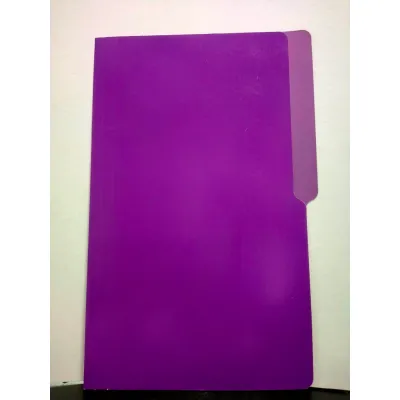
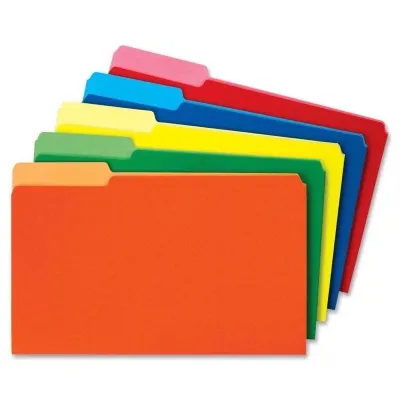
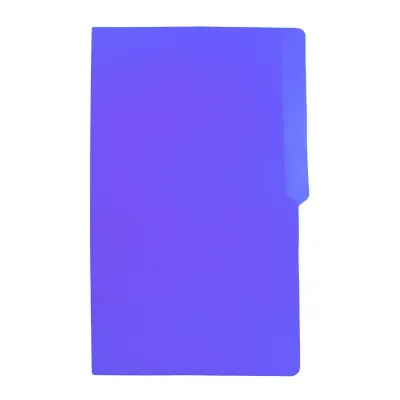
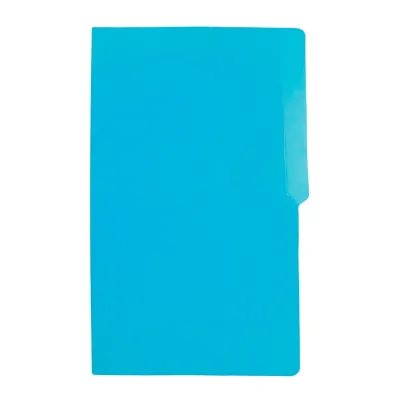
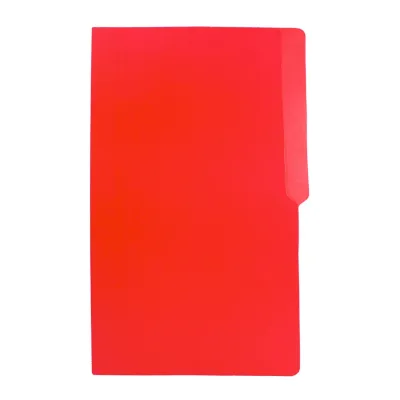
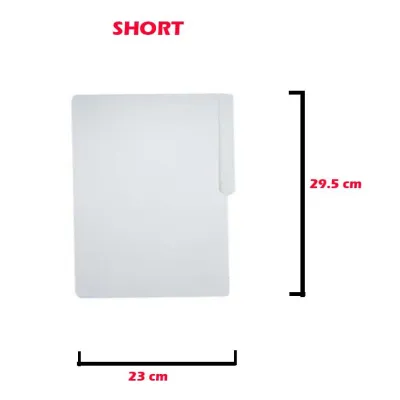
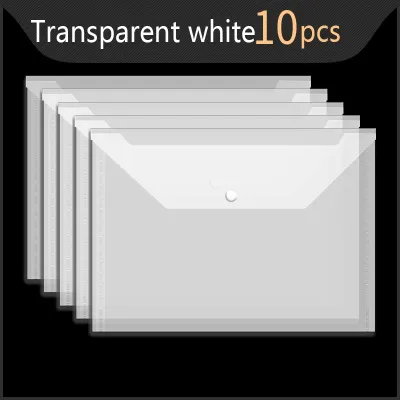
Prices are valid at publication and may change. Please refer to the product page for the latest price.
Environmental conditions also dictate the material requirements of your bulk purchase. In tropical climates characterized by high humidity and sudden rainstorms, paper documents are highly susceptible to moisture absorption, warping, and mold. Standard paperboard or manila folders offer minimal protection against humid air and accidental spills, making water-resistant plastic alternatives a much safer choice for long-term preservation and daily transit.
Matching Folder Types to Specific Organizational Needs
To maximize the utility of a 50-piece wholesale order, match the physical design of the folder to the specific task it will perform. Different filing styles excel at different aspects of document management, from quick sorting to high-capacity archiving.

Everyday Document Protection and Quick Access
For documents that are constantly in motion, L-folders and clear sleeves offer the most efficient handling. These folders feature an open top and right side, allowing you to slide papers in and out instantly without dealing with clips, buttons, or zippers. They are ideal for temporary sorting, routing memos across departments, or keeping active daily tasks separated on your desk.
When purchasing L-folders in bulk, pay close attention to the quality of the edge welding. The bottom and left-side seams must be securely bonded to prevent splitting under the weight of multiple sheets. High-quality polypropylene options offer excellent flexibility, allowing the folder to bend without cracking or creasing permanently.
While L-folders excel at accessibility, they present a clear trade-off regarding security. Because two edges remain completely open, documents can easily slip out if the folder is held upside down or carried in a loose bag. They are best reserved for desk organization, internal office routing, or short-distance transit within a secure portfolio.
Secure Archiving and High-Capacity Storage
When your priority is keeping thick stacks of paper safe from dust, moisture, and loss, button folders and envelope folders are the standard choice. These folders feature a protective top flap that folds over the opening, completely enclosing the documents inside. This design is highly effective for transporting files between offices or storing multi-page client records.
Before ordering 50 pieces, verify the durability of the closure mechanism. Snap buttons, elastic bands, and string-and-button ties each offer different levels of tension retention over time. Metal snap buttons provide a secure click but can rust in humid environments, while high-quality plastic snaps and durable elastic bands resist moisture damage and maintain their grip through repeated use.
For larger document volumes, look for envelope folders with a built-in base gusset. A gusset allows the sides and bottom of the folder to expand, accommodating thick stacks of paper without warping the plastic or forcing the closure open. Without a proper gusset, attempting to store more than thirty sheets can strain the seams and cause the folder to curve, making flat storage impossible.
Binding and Multi-Page Project Management
For presentations, reports, and sequential records that must remain in a strict chronological order, fastener folders and clip folders are indispensable. These folders utilize metal or plastic prongs, slide bars, or spring clips to bind papers securely along the margin. This prevents pages from falling out or getting shuffled during meetings and reviews.
When selecting fastener folders, ensure that the alignment of the built-in prongs matches your office’s standard hole-punch pattern. Standard two-hole and three-hole configurations must align perfectly to prevent paper buckling. If you prefer not to punch holes in your documents, slide-bar or clamp-style clip folders offer a secure grip using compression alone.
Frequent page-flipping can put significant stress on the binding margin of your papers. To prevent sheets from tearing away from the fasteners, choose folders that allow pages to lie relatively flat when opened. Plastic fasteners are often gentler on paper edges than sharp metal prongs, reducing the risk of wear and tear on frequently referenced documents.
Essential Specifications to Verify Before Ordering in Bulk
Before finalizing a wholesale order of 50 folders, verifying physical specifications is crucial to ensure compatibility with your existing office supplies and storage furniture. A minor oversight in dimensions can render an entire bulk shipment unusable.
Paper size compatibility is the first specification to check. In many professional environments, standard paper sizes include A4, Letter (short), and Legal or Folio (long). Ensure the folder dimensions provide a comfortable margin around your chosen paper size; folders that are too tight will cause the edges of your documents to fray, bend, or catch in the zippers and closures.
Material thickness, often measured in microns or millimeters, directly correlates with stiffness and tear resistance. Thin, lightweight folders are highly flexible and cost-effective for temporary use, but they offer minimal structural support. Heavy-duty, textured folders provide the rigidity needed to stand upright in filing cabinets and withstand years of handling without tearing.
Spine width and expansion capacity determine how much physical space your 50 folders will occupy on a shelf or in a drawer. If you plan to store the folders in standard filing cabinets, verify that the height and width of the folders, including any tabs or hanging hooks, fit within the cabinet drawers without blocking the sliding mechanism.
To evaluate the true cost-effectiveness of a wholesale pack, calculate the price per piece by dividing the total cost in ₱ by 50. Compare this unit price across different material grades rather than simply choosing the cheapest option. Investing slightly more per piece for durable, moisture-resistant materials often saves money in the long run by eliminating the need for frequent replacements.
Cross-Scenario Compatibility and Bulk Purchasing Tips
If your office handles a wide variety of tasks, committing to 50 pieces of a single, highly specialized folder type might leave some organizational needs unmet. In such cases, look for versatile options like clear books with replaceable inner sleeves, which can function as presentation portfolios, reference manuals, or temporary storage.
Many wholesale stationery suppliers offer flexible purchasing policies that allow you to mix colors, sizes, or closure styles within a single 50-piece order. Requesting an assortment of colors can help you implement a color-coded filing system—such as blue for financial records, red for urgent projects, and green for client files—without needing to purchase multiple bulk packs.
Proper storage of your unused bulk inventory is essential for maintaining its quality over time. Store your extra folders completely flat in a cool, dry cabinet away from direct sunlight. In humid environments, keeping the folders in their original protective packaging prevents dust accumulation and guards against plastic warping or adhesive degradation before they are put into service.
Frequently Asked Questions (FAQ)
What is the practical difference between PP and PVC folder materials?
Polypropylene (PP) is lightweight, highly flexible, and fully recyclable, making it an excellent choice for daily office use. It is also acid-free and archival-safe, meaning it will not lift ink or toner from your printed documents over time. Polyvinyl Chloride (PVC) is typically heavier and more rigid, offering a sturdy feel, but it can release plasticizers that cause documents to stick to the folder surfaces in warm, humid conditions.
How should I store unused bulk folders to maintain their shape?
Unused folders should always be stacked flat on a level surface rather than stood upright on their edges, which can cause them to bow or warp permanently under their own weight. Keep the storage area cool, dry, and shielded from direct sunlight to prevent the plastic from becoming brittle or yellowed. If your storage space is prone to high humidity, keeping the folders sealed in plastic wrap or storage bins will protect them from moisture and dust.

Community discussion
Share your experience or ask a question. Comments are reviewed before publication.