
Finding the perfect fountain pen is a highly personal journey that balances ergonomics, paper compatibility, and visual design. KACO has established a distinct presence in the modern stationery landscape by offering sleek, minimalist writing instruments that appeal to students, professionals, and creative journalers alike. However, because different writing tasks demand different tool characteristics, selecting the right model requires a clear understanding of how a pen’s specifications translate to paper.
To find the model that best aligns with your daily routine, you must evaluate how you write, where you write, and what kind of paper you use. By analyzing key physical attributes—such as nib sizes, barrel materials, and ink delivery systems—you can select a writing instrument that feels like a natural extension of your hand. This guide provides a practical framework to help you evaluate these features and make an informed decision.
Quick Guide: Matching Pen Specs to Your Writing Style
Selecting a fountain pen begins with understanding how its physical specifications influence your handwriting. The nib size is the most critical factor determining line width, ink consumption, and paper compatibility. Extra Fine (EF) nibs produce a delicate, precise line that is ideal for small handwriting, mathematical notations, and low-cost paper. Fine (F) nibs offer a versatile middle ground, providing a smooth feel while keeping ink flow controlled enough for standard notebook paper. Medium (M) nibs deliver a wetter, broader line that showcases the shading and sheen of colorful inks, though they require high-quality, fountain-pen-friendly paper to prevent feathering.
Products mentioned in this guide
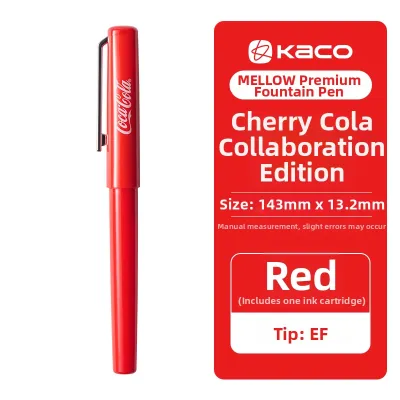
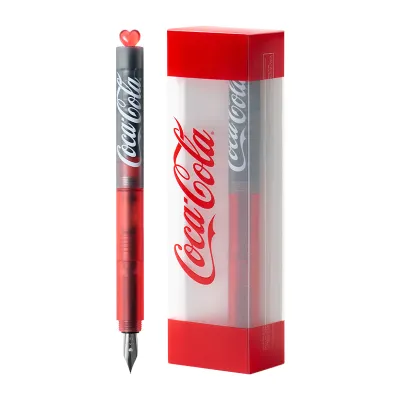
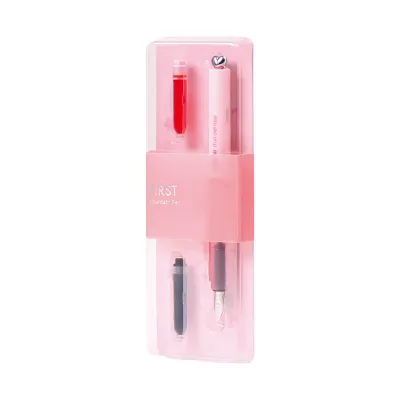
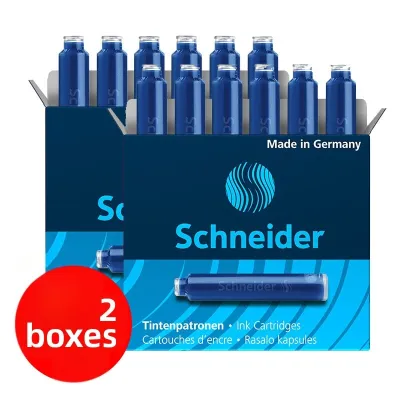
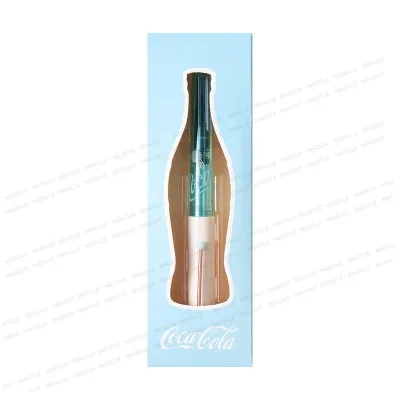
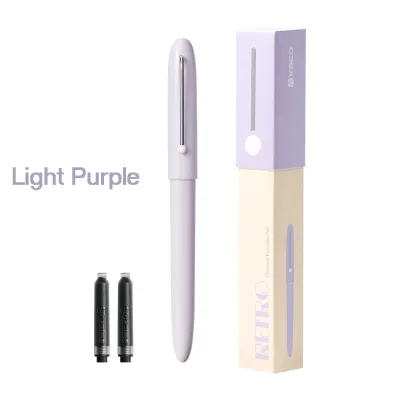
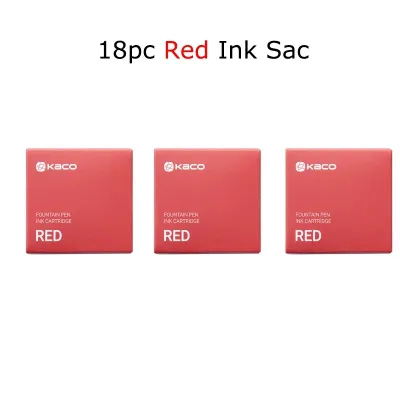
Prices are valid at publication and may change. Please refer to the product page for the latest price.
In tropical climates like the Philippines, high relative humidity can significantly affect ink drying times on paper. If you frequently write in warm, humid environments, an Extra Fine or Fine nib is often the most practical choice because it deposits less ink on the page, allowing your notes to dry faster and reducing the risk of accidental smudges. Conversely, if you write primarily in air-conditioned offices or dry spaces, a Medium nib can provide a luxurious, gliding sensation without drying delays.
Pen weight and balance dictate how long you can write before experiencing hand fatigue. Lightweight pens, typically weighing between 10 and 15 grams, are highly agile and put minimal strain on your fingers, making them excellent for rapid note-taking during lectures or long brainstorming sessions. Heavier pens, ranging from 20 to 30 grams or more, offer a reassuring heft that allows the pen to write under its own weight, which many users find grounding for slow, deliberate cursive or signing documents.
The design of the grip section is another crucial ergonomic consideration. Triangular grip sections gently guide your fingers into a proper tripod hold, which is highly beneficial for beginners or those prone to gripping their pens too tightly. Round grip sections offer greater flexibility, allowing you to rotate the pen slightly to find your personal sweet spot. Additionally, the grip’s diameter should match your hand size; wider grips (above 10 millimeters) generally reduce cramping for larger hands, while slimmer grips offer better control for smaller hands.
Key Specifications to Evaluate Before Choosing a Model
To make an accurate choice when browsing product listings, you must understand how to read and verify technical specifications. The nib material is the heart of the writing experience. Most modern entry-level and mid-range fountain pens utilize stainless steel nibs, which are celebrated for their durability, stiffness, and consistent performance. Steel nibs do not offer much flexibility, meaning the line width remains uniform regardless of writing pressure. When reviewing product descriptions, look for details regarding the nib’s tipping material, as a well-polished alloy tip ensures a smooth glide across the paper fibers.

Barrel materials directly influence both the aesthetic appeal and the physical durability of your pen. Polycarbonate and ABS resins are popular choices for daily-use pens because they are impact-resistant, lightweight, and available in a wide array of colors. These materials are also highly resistant to the oils and sweat from your hands, making them easy to maintain in warm weather. Metal barrels, such as anodized aluminum or brass, offer superior structural integrity and a premium, cool-to-the-touch feel, though they require more care to avoid scratches when carried alongside keys or coins.
Understanding the ink filling system is essential for long-term maintenance and convenience. Most KACO models utilize standard international ink cartridges or a removable piston converter. Cartridges are highly portable and mess-free, making them ideal for students or commuters who need to swap ink quickly on the go. Converters, on the other hand, allow you to draw ink directly from a bottle, opening up an endless world of custom ink colors and properties while reducing plastic waste.
Because smoothness, bleed resistance, and drying speed depend entirely on the specific combination of your ink, paper, and nib, it is wise to perform a simple trial when you first receive your pen. You can verify compatibility by conducting a quick cross-hatch test on your preferred notebook paper. Draw a grid of horizontal and vertical lines; if the ink feathers outward or bleeds through to the back of the page, you may need to pair your pen with a drier ink formulation or transition to a higher-density paper.
Aligning Pen Characteristics With Your Daily Use Cases
Your daily environment and writing tasks should ultimately dictate the specific features you prioritize in a fountain pen. By matching the pen’s design to your primary use case, you ensure a seamless writing experience that fits your lifestyle.
Everyday Journaling and Long-Form Writing
If your primary goal is daily journaling, creative writing, or extensive note-taking, comfort and ink capacity should be your top priorities. Look for a pen with a lightweight resin or polycarbonate body to prevent hand strain during multi-page sessions. A comfortable, matte-textured grip section is highly recommended, as it prevents your fingers from sliding down the section as you write. For these long sessions, pairing the pen with a high-capacity converter and a smooth Fine nib ensures that you can write continuously without frequent refills or hand fatigue.
Professional Signing and Executive Use
For office environments, signing contracts, or executive tasks, the visual presentation and tactile weight of the pen carry more significance. A pen with a balanced metal barrel, such as anodized aluminum, provides a professional aesthetic that fits naturally in a corporate setting. A Medium nib is highly suited for signatures, as the broader line adds a sense of authority and flair to your handwriting. For these professional settings, look for classic, understated colors like matte black, deep navy, or brushed silver that complement your other office accessories.
Pocket Carry and On-the-Go Notes
If you need a pen for quick notes, field work, or constant travel, portability and security are paramount. A pocket-friendly pen must feature a highly secure cap mechanism—either a precise screw-on cap or a firm snap-on cap—to prevent accidental uncapping and ink leaks inside your bag or pocket. A sturdy, spring-loaded metal pocket clip is essential for securing the pen to your notebook cover or shirt pocket. Additionally, look for compact or short-barreled designs that fit easily into small pouches, and opt for durable materials like polycarbonate that can withstand the bumps and drops of daily commuting.
What to Verify When Buying KACO Pens Online
Shopping for fountain pens on online marketplaces requires a careful, methodical approach to ensure you receive an authentic product that matches your expectations. Because you cannot physically hold the pen or test the nib before purchasing, you must rely on smart verification strategies.
First, always identify official brand stores or highly rated, specialized stationery retailers on your chosen e-commerce platform. Avoid generic storefronts that list products with vague descriptions or unusually low prices, as these can sometimes indicate counterfeit goods or older, defective stock. Check the seller’s rating, read customer reviews specifically mentioning the packaging quality, and look for real-life photos uploaded by previous buyers to verify the physical appearance of the pen.
Second, carefully read the product specifications listed on the page and cross-reference them with the manufacturer’s official guidelines. Pay close attention to whether the pen is sold with a converter included, or if it only comes with starter cartridges. Some listings may offer different package tiers, so ensure you select the exact nib size (such as EF, F, or M) from the options menu rather than relying on generic placeholder images. If the listing details are unclear, send a direct message to the seller to confirm the package contents before placing your order.
Finally, familiarize yourself with the retailer’s return and exchange policies regarding writing instruments. Most reputable stationery sellers have strict policies stating that a fountain pen can only be returned or exchanged if it remains completely uninked. Once you dip the nib in ink or insert a cartridge, the pen is considered used. When your pen arrives, inspect the nib under a bright light or magnifying glass to check for physical alignment before inserting any ink. If you notice any bent tines or manufacturing defects, contact the seller immediately to arrange a replacement while the pen is still pristine.
Frequently Asked Questions (FAQ)
How do I clean a KACO fountain pen before changing ink colors?
To prevent ink cross-contamination and maintain consistent ink flow, you should clean your fountain pen thoroughly before switching to a new ink color or after several weeks of continuous use. Begin by carefully disassembling the pen according to the manufacturer’s instructions. Remove the cap, unscrew the barrel from the grip section, and gently pull out the ink cartridge or converter.
Next, flush the nib and feed assembly with room-temperature water. You can do this by holding the grip section under a gentle stream of tap water, or by using a clean converter or bulb syringe to force water through the feed until it runs completely clear. Never use hot water, rubbing alcohol, or household detergents, as these can permanently damage the plastic feed and acrylic components of the pen.
Once the water runs clear, gently shake off any excess moisture. Place the nib section upright in a glass lined with a clean paper towel and let it air-dry completely overnight. Ensuring the internal feed is entirely dry prevents the new ink from becoming diluted, preserving its true color and performance when you reassemble the pen.
Can I use any brand of ink cartridge with a KACO fountain pen?
Whether you can use third-party ink cartridges depends entirely on the specific cartridge standard supported by your model. Many KACO fountain pens are designed to accept standard international short or long cartridges, which are widely available from various stationery brands. This standard design allows you to enjoy a broad selection of ink colors without being restricted to a single brand.
However, some specific models may utilize proprietary cartridge connections or require a specific converter design to fit securely inside a slim barrel. To avoid fitment issues or leaks, always check the product packaging, user manual, or official manufacturer specifications to confirm the exact cartridge standard required for your model.
If you want complete freedom to use any brand of ink, the most reliable solution is to install a compatible piston converter. By using a converter, you can draw ink directly from any brand of bottled fountain pen ink, giving you access to thousands of unique colors, waterproof formulas, and shimmering effects while ensuring a secure, leak-free connection inside your pen.

Community discussion
Share your experience or ask a question. Comments are reviewed before publication.