
Selecting the right long color folders in the Philippines requires balancing local paper dimensions, material durability against tropical humidity, and functional closure designs. Because the standard “long” paper size in local offices and schools differs from international legal standards, choosing a folder with the correct dimensions prevents bent corners and torn edges. Implementing a systematic color-coding scheme further streamlines document retrieval, transforming chaotic stacks into an organized, highly efficient filing system.
By understanding the physical specifications of your documents and matching them with the appropriate folder materials, you can protect valuable records from environmental wear. Whether you are managing school projects, corporate contracts, or household bills, the right filing tools ensure your documents remain secure, accessible, and pristine over years of storage.
Why Long-Sized Colored Folders Improve Filing Efficiency
In the Philippines, the term “long bond paper” refers to a unique standard measuring 8.5 by 13 inches (215.9 mm by 330.2 mm). This is distinct from the US Legal size, which is slightly longer at 14 inches, and the standard A4 size used globally. Because of this local standard, standard short or A4 folders are physically inadequate for housing local legal documents, contracts, and school projects. Attempting to force long documents into shorter folders results in exposed edges that quickly become frayed, dusty, or bent.
Products mentioned in this guide
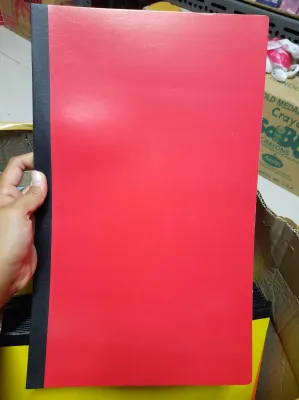

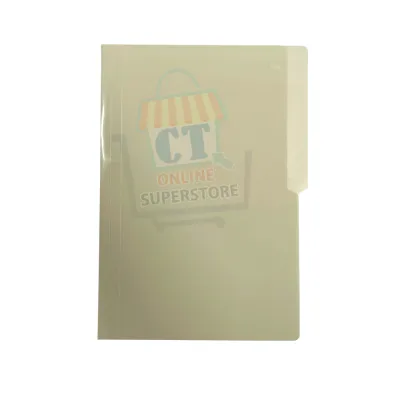
![Folder Ordinary 11pts COLORED [Long & Short] High Quality [SOLD Per PIECE][Super Dash]](https://img.lazcdn.com/g/p/e2e4b323e8d736cbd509d7c1c2e620f1.png_400x400q80.png_.webp)
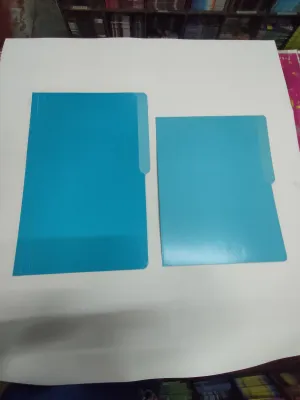
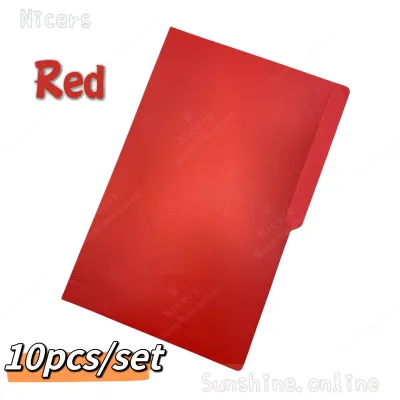
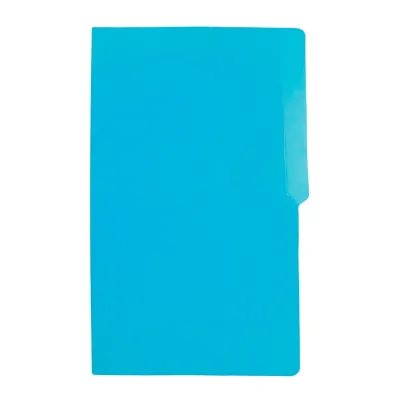
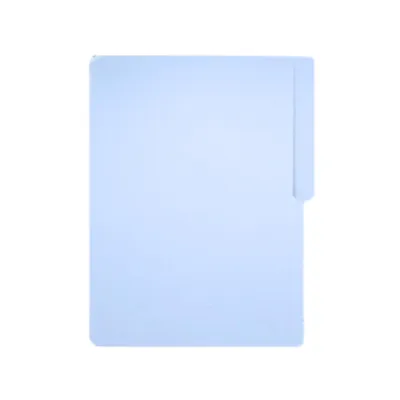
Prices are valid at publication and may change. Please refer to the product page for the latest price.
Using dedicated long-sized folders ensures that the entire length of the document remains fully shielded from external wear. This is particularly critical for official records, land titles, and notarized contracts that must be preserved in pristine condition. A folder that matches the paper size prevents the document from shifting excessively, reducing the risk of internal creasing and keeping the pages aligned.
Color-coding introduces a visual hierarchy that dramatically reduces the time spent searching for specific files. Instead of reading every single label in a filing cabinet, the human eye can instantly isolate a specific color group. This visual categorization minimizes cognitive fatigue and prevents misfiling, which is a common issue in high-volume environments like school registrar offices, accounting departments, and law firms.
In busy shared workspaces, a misplaced folder can cause significant operational delays. When folders are color-coded by department, project phase, or urgency, an out-of-place color stands out immediately. This self-correcting nature of color-coded systems ensures that filing errors are spotted and rectified before they cause administrative bottlenecks.
Key Material and Design Features to Evaluate
When selecting long color folders, the choice of material is your first line of defense against wear and environmental damage. In a tropical climate where relative humidity levels often soar, paper-based folders are highly susceptible to moisture absorption. Over time, standard cardstock or kraft paper folders can become limp, develop musty odors, or attract pests like silverfish that feed on paper fibers. However, cardstock remains highly favored for its eco-friendliness, ease of writing directly on the cover, and cost-effectiveness for short-term archiving.

Polypropylene, or plastic, folders offer superior resilience against moisture, spills, and tearing. They are virtually immune to the effects of high humidity and can easily survive accidental coffee spills or rainwater exposure during transit. The trade-off is that plastic folders are more difficult to write on directly, requiring adhesive labels or permanent markers, and they carry a higher initial cost. For long-term archiving or documents that are frequently handled, plastic is generally the more durable investment.
The closure mechanism determines how secure your documents remain during transport and storage. Snap buttons are highly popular for their quick access and secure hold, making them ideal for students and professionals on the move. String ties offer a classic, expandable closure that can accommodate varying document thicknesses without putting strain on the folder material. Zippers provide the highest level of security, sealing the folder completely to prevent small items like receipts or flash drives from falling out, while elastic bands offer a flexible, low-profile option for quick filing.
Internal configurations must match your specific sorting workflow. Single-pocket folders are excellent for simple, chronological filing where documents do not need to be separated. Multi-pocket expandable folders, often designed as accordion files, allow you to subdivide a single project into multiple categories, such as receipts, drafts, and final contracts. Folders with built-in index dividers or fasteners allow you to punch holes in documents and secure them in place, preventing them from falling out of order during active handling.
How to Build a Reliable Color-Coding System
A color-coding system is only effective if it is intuitive and consistently applied across your entire organization. To start, assign distinct, high-contrast colors to your primary document categories. For example, red is universally recognized for urgent tasks, financial statements, or tax documents that require immediate attention. Blue is highly suitable for legal contracts, corporate policies, and official agreements due to its professional association.
Green can be designated for academic records, medical files, or human resource documents, while yellow can represent temporary drafts, ongoing projects, or reference materials. By limiting your primary system to four or five distinct colors, you avoid visual clutter and make it easier for team members to memorize the system. Ensure that the color assignments are documented in a shared guide or posted near the filing cabinets for easy reference.
Consistency must extend beyond the folders themselves to your storage boxes and digital tracking logs. If your physical folder for financial records is red, the corresponding digital folder icon or spreadsheet tab should also be color-coded red. This cross-platform consistency reinforces the mental association and speeds up transition times between physical and digital workflows.
To enhance your color-coded system without obscuring the folder’s base color, utilize complementary labeling tools. Clear adhesive sleeves can be attached to the front of the folder to hold printed index cards, allowing you to update the folder’s contents without replacing the folder itself. Color-matched index tabs can be attached to the top or side edges, ensuring that the folder’s category remains visible even when stacked flat or filed tightly in a drawer.
Creating Your Shortlist Based on Specific Needs
To translate your organizational goals into a practical purchase, you must evaluate your specific user profile and daily workflow. Students managing multiple university courses often benefit from lightweight, multi-pocket plastic folders that can withstand being shoved into backpacks daily. Home offices managing utility bills and personal records may prefer a simple set of color-coded cardstock folders stored in a desktop organizer. Corporate teams handling legal archives require heavy-duty, expandable folders with secure closures to protect sensitive client data.
Capacity planning is critical to prevent overstuffing, which damages both the folder and the documents inside. A standard flat cardstock folder can comfortably hold up to 50 sheets of paper before it begins to flare open. If you regularly handle files exceeding 100 sheets, look for folders with a pre-creased spine or an expandable gusset. Expandable folders can often scale from one inch to over three inches in depth, accommodating hundreds of pages without losing their structural integrity.
Before finalizing your purchase, verify the exact interior dimensions of the folders against your storage setup. While a folder may be labeled “long,” slight variations in manufacturing can affect how well it fits into standard filing cabinets, plastic storage crates, or document boxes. Measure the clearance of your drawers to ensure that the folder tabs will not catch on the upper frame when the drawer is opened or closed, helping optimize your office supply budget in ₱ without compromising on quality.
Purchasing Channels and Quality Checks Upon Delivery
Acquiring your folders from the right channel depends on your volume requirements and budget. Local stationery stores and established office supply chains are excellent for immediate, single-item purchases where you can physically feel the material thickness and inspect the colors. For bulk purchases, online marketplaces and specialized B2B office distributors offer significant cost savings and convenient delivery options, though you must rely on product descriptions and customer reviews to gauge quality.
Upon receiving your delivery, conduct a thorough quality inspection before integrating the folders into your filing system. Test the closure mechanisms repeatedly to ensure snap buttons click securely and zippers glide smoothly without catching. Run your fingers along the edges of plastic folders to check for sharp, unfinished plastic seams that could cause paper cuts or scratch your desk surface.
Verify that the colors match your existing system, as dye lots can vary between manufacturing batches. Inspect the material thickness; cardstock should feel rigid and resistant to immediate bending, while plastic should be flexible yet thick enough to resist tearing under tension. Finally, check for any strong chemical odors, which can indicate the use of low-grade plastics or adhesives that may degrade your documents over time. If any folders are defective or mismatched, utilize the seller’s return policy promptly to secure replacements.
Frequently Asked Questions (FAQ)
What are the exact dimensions of a standard long folder?
In the local market, a standard long folder typically measures approximately 9.5 by 14.5 inches (241 mm by 368 mm) externally. This size is specifically engineered to accommodate long bond paper, which measures 8.5 by 13 inches (216 mm by 330 mm). The extra inch of clearance on the top and sides ensures that the edges of your documents remain fully protected and do not protrude from the folder.
Is it practical to store A4 or short documents in long folders?
While you can physically place A4 or short documents inside a long folder, it is generally not recommended for active filing. The excess space allows smaller papers to shift, slide, and potentially bend or crumple when the folder is carried or stored upright. If you must mix sizes temporarily, place the smaller documents inside a clear plastic sleeve or secure them with a paperclip to prevent them from sliding around.
Which material is better for long-term document preservation?
For long-term archival preservation, acid-free and lignin-free cardstock is the superior choice because it does not release harmful chemicals that cause paper to yellow and degrade over time. However, if your primary concern is protecting documents from external environmental hazards like high humidity, liquid spills, or pests, high-quality polypropylene plastic folders offer better physical protection. For the ultimate preservation strategy, place your documents in acid-free sleeves before storing them inside a durable plastic folder.

Community discussion
Share your experience or ask a question. Comments are reviewed before publication.