
Choosing the right long folder is essential for keeping your documents organized, pristine, and easily accessible. Whether you are managing school projects, corporate contracts, or personal records, the folder you select acts as the primary line of defense for your paperwork. In the Philippines, where tropical humidity and sudden downpours are common, selecting the appropriate material and folder style is not just about aesthetics—it is a practical decision to prevent paper degradation, ink bleeding, and physical damage. By matching your specific document type and usage scenario to the correct folder design, you can streamline your filing system and ensure your important papers remain in excellent condition.
Check Document Sizes Before Choosing a Long Folder
Before purchasing any filing supplies, it is crucial to verify the exact dimensions of your documents. In the local context, the term “long bond paper” is widely used, but it actually encompasses two distinct standard sizes: US Legal, which measures 8.5 by 14 inches (216 by 356 mm), and Folio, which measures 8.5 by 13 inches (216 by 330 mm). The latter is often referred to locally as “long” or “government” size. Because of these variations, standard long folders are typically manufactured to measure approximately 9 by 13 inches or 9 by 14 inches. This extra half-inch of clearance on the sides ensures that your papers fit comfortably inside without their edges rubbing against the seams or protruding from the cover.
To avoid purchasing the wrong size, always measure your documents with a standard ruler and compare those measurements against the folder’s internal capacity rather than its external dimensions. Many people make the mistake of buying standard Letter-size (8.5 by 11 inches) or A4-size (8.27 by 11.69 inches) folders for their long documents. When you attempt to force a Folio or Legal-size sheet into an A4 folder, the top of the paper will inevitably overhang. This exposure leads to bent corners, unsightly tears, and immediate vulnerability to dust, spills, and humidity. When shopping at local stationery stores or browsing online marketplaces, read the product labels carefully to check for explicit measurements in inches or centimeters, ensuring a perfect fit for your specific paper size.
Products mentioned in this guide
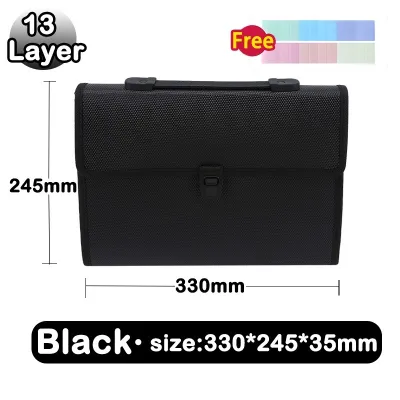
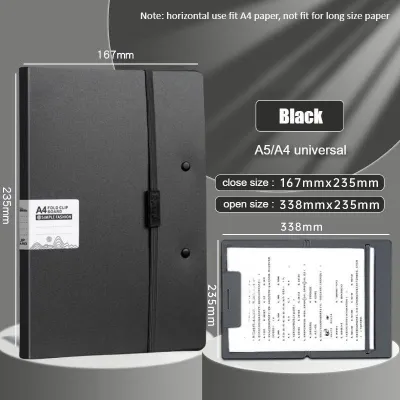
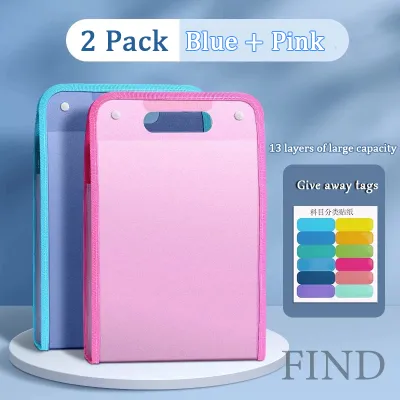
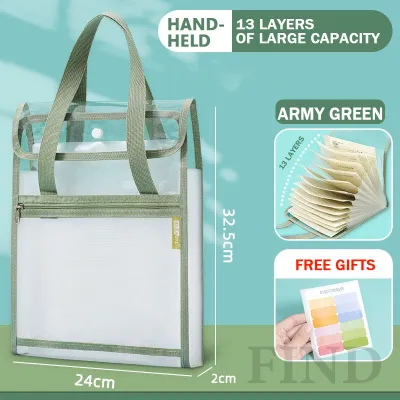
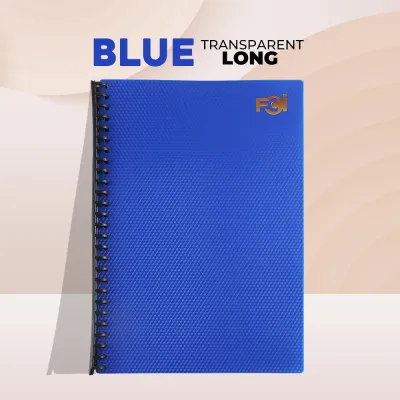
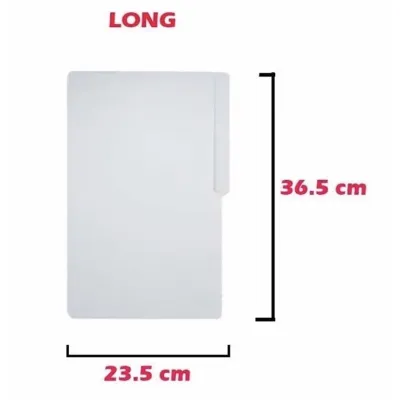
Prices are valid at publication and may change. Please refer to the product page for the latest price.
Plastic Sleeve Folders for Protection and Visibility
Plastic sleeve folders, often referred to as clear books or sheet protector folders, are the premier choice when your primary goals are visibility, spill resistance, and frequent handling. These folders feature individual plastic pockets that allow you to view the contents of a page without directly touching the paper. They are highly recommended for certificates, diplomas, frequently referenced instruction sheets, and presentation materials. In tropical climates where high humidity can cause paper to absorb moisture, soften, and eventually develop mold or mildew, the sealed environment of a plastic sleeve provides an excellent protective barrier.

When selecting a plastic sleeve folder, pay close attention to the plastic thickness, which is typically measured in gauge or microns. Thicker plastic sheets offer superior structural support, preventing the folder from sagging when held upright. You should also consider whether you prefer top-loading or side-loading openings; top-loading sleeves are easier for quick insertions, while side-loading options offer better security against papers sliding out when the folder is carried. For long-term archival storage, ensure the product label specifies that the plastic is acid-free and copy-safe, which prevents the ink or toner from lifting off the paper and sticking to the plastic over time. A non-glare or matte finish is also beneficial if you plan to read the documents under harsh overhead office lighting.
Because ink transfer and water resistance depend on the exact material combination of your printed document and the plastic sleeve, it is best to perform a quick trial. Place a non-essential printed scrap sheet inside the sleeve for a few days to verify that the ink does not stick or bleed before filing your official documents. Additionally, keep in mind that plastic sleeve folders generally lack a secure overall closure, meaning that if the folder is turned upside down or shaken, loose papers inside the sleeves can still slip out. They are also entirely unsuitable for thick stacks of paper; attempting to stuff multiple sheets into a single sleeve will stretch the plastic, distort the visibility, and eventually split the seams.
Prong Folders for Secure, Punch-Holed Records
Prong folders, also known as fastener folders, are designed for maximum security and permanent or semi-permanent filing. These folders feature built-in metal or plastic fasteners at the top or side, which thread through pre-punched holes in your documents. This design is ideal for legal contracts, medical records, school portfolios, and multi-page corporate reports that must remain in a strict, chronological order. Once bound, the papers behave like pages in a book, making it virtually impossible for individual sheets to fall out or get misplaced during handling.
When evaluating prong folders, the choice between metal and plastic fasteners is a key consideration. Metal prongs, typically made of tin-plated steel, offer exceptional durability and can hold heavy stacks of paper, but they can sometimes have sharp edges and are susceptible to rusting in highly humid environments. Plastic prongs are gentler on the fingers and rust-proof, though they may crack or lose their tension under extreme loads. You should also check the folder’s overall prong capacity, which dictates the maximum sheet count it can securely hold—usually ranging from 50 to over 100 sheets. Additionally, look for sturdy cover materials, such as heavyweight pressboard or thick polypropylene, to ensure the folder does not bend or tear under the weight of the bound documents.
The primary drawback of prong folders is that they require a two-hole or three-hole punch, which permanently alters your documents. This makes them unsuitable for original certificates or historical papers that must not be damaged. Furthermore, removing or reordering pages in the middle of a large stack is a tedious process, as you must unfasten and slide off all the preceding pages first. Overstuffing a prong folder can also cause the paper around the punched holes to tear, compromising the security of your files.
Pocket Folders for Loose Papers and Quick Access
Pocket folders are the go-to solution when you need to organize loose, unpunched documents that require rapid access and frequent retrieval. These folders typically feature one or two internal pockets running along the bottom half of the inside covers. They are highly practical for managing active projects, tax documents, monthly utility receipts, job application packets, and handouts for school lectures or business meetings. Because there is no need to punch holes or slide papers into tight sleeves, you can drop sheets into the pockets in a matter of seconds.
To find a durable pocket folder, examine the depth of the pockets and the reinforcement along the center fold. Deeper pockets provide better physical support, keeping tall long-size papers from flopping forward or sliding out sideways. Look for folders with reinforced edges or double-stitched seams, as the corners of the pockets are common failure points that can easily tear under pressure. Many pocket folders also include convenient extra features, such as die-cut slots on the inside pocket to hold a business card, or small utility slits for keeping index cards and sticky notes handy.
Despite their convenience, pocket folders offer the lowest level of document security among the major folder types. If the folder is accidentally held upside down, dropped, or tossed carelessly into a backpack, the loose papers inside will easily slide out and scatter. Additionally, their capacity is strictly limited; overstuffing the pockets will cause the folder to bulge, preventing it from closing flat and putting immense strain on the seams, which leads to rapid wear and tear.
Envelope-Style Folders for Transport and Secure Storage
Envelope-style folders, often referred to as expanding envelopes or document wallets, are specifically engineered for transporting documents safely and storing them securely over long periods. These folders feature a complete enclosure, usually with a flap that covers the opening and secures with a closure mechanism. They are the ideal choice for carrying loose papers in a commuter bag, mailing physical documents, storing tax archives, and protecting sensitive files from environmental hazards like dust, light, and light rain.
When choosing an envelope-style folder, the closure mechanism is a critical feature to inspect. Common options include button-and-string ties, snap buttons, hook-and-loop fasteners (velcro), and zippers. Button-and-string closures offer a classic look and allow you to adjust the tension based on how full the envelope is, while zippers provide the most secure seal against dust and moisture. The material of the envelope also plays a major role in its durability; heavy-duty translucent plastic (polypropylene) is highly water-resistant and durable, whereas thick kraft paper or fiberboard options are more eco-friendly but vulnerable to moisture. If you need to store large volumes of paperwork, look for envelope folders with a gusset—an expandable side panel that allows the folder to widen, often accommodating stacks of 100 to 200 sheets of paper.
The main limitation of envelope-style folders is that they do not allow for easy browsing. To read or reference a specific page, you must open the closure, pull the entire stack of papers out, and sift through them manually. They are also bulkier than standard flat folders, even when empty, due to the extra material in the flaps, gussets, and closure hardware. Over time, plastic snaps can crack, and velcro can accumulate lint, reducing its fastening strength.
Quick Comparison: Match Your Documents to the Right Folder
To help you make an immediate decision, the table below summarizes the key characteristics, best use cases, security levels, and capacity limits of each long folder type.
| Folder Type | Best For | Document Security Level | Capacity Limit |
|---|---|---|---|
| Plastic Sleeve | Certificates, diplomas, reference sheets | Medium (protects surfaces, but papers can slide out) | Low (typically 1–2 sheets per sleeve) |
| Prong Folder | Legal contracts, medical records, portfolios | High (pages are bound securely in order) | Medium to High (50–100+ sheets) |
| Pocket Folder | Receipts, active projects, meeting handouts | Low (papers are loose and can fall out if inverted) | Low (10–20 sheets per pocket) |
| Envelope-Style | Commuting, mailing, long-term archival storage | High (fully enclosed with secure closures) | High (up to 200+ sheets with expandable gussets) |
For complex or multi-faceted projects, you do not have to limit yourself to a single folder style. A highly effective strategy is to combine these tools to create a hybrid filing system. For example, you can place high-value, unpunched documents inside plastic sleeves that feature pre-punched margins, and then bind those sleeves directly into a long prong folder. This approach gives you the surface protection and visibility of plastic sleeves alongside the rigid, chronological security of a prong binding system, offering the best of both worlds for your most important paperwork.
Frequently Asked Questions (FAQ)
Can I use a long folder for A4 or Letter-size documents?
Yes, you can physically place A4 or Letter-size documents inside a long folder. Because long folders are designed to accommodate larger Folio and Legal-size papers, smaller sheets will easily fit within the physical boundaries of the folder. However, because of the excess space, smaller papers are prone to sliding around, shifting to the bottom, or becoming misaligned, which can make your filing system look untidy.
To keep smaller documents organized and secure inside a long folder, you can use simple stabilizing techniques. Securing the papers with a paper clip or a binder clip before placing them in the folder prevents them from shifting. Alternatively, you can insert the smaller sheets into dedicated A4 or Letter-size plastic sleeves first, and then place those sleeves inside the long folder to maintain a neat, professional alignment.
How do I prevent papers from falling out of pocket folders?
The most effective way to prevent papers from falling out of a pocket folder is to avoid overfilling it. When you stuff too many sheets into a pocket, the folder bulges outward, which pulls the pocket seams tight and reduces the friction that keeps the papers in place. Keeping the sheet count within the recommended limit of 10 to 20 pages per pocket ensures the folder can close completely flat.
Additionally, pay attention to how you handle and transport the folder. Always store and carry the folder in an upright or completely flat position inside your bag to prevent gravity from pulling the papers out. If your pocket folder lacks a built-in closure, you can slide a large elastic band around the entire folder or secure the open top edges with a heavy-duty binder clip during transit to keep the covers firmly pressed together.

Community discussion
Share your experience or ask a question. Comments are reviewed before publication.