
Selecting the right writing and highlighting supplies for your daily tasks requires more than just picking a favorite color. With an overwhelming variety of options on the shelves, finding a suitable match depends on aligning ink properties and nib shapes with your specific paper quality and writing surfaces. In tropical climates where high humidity can slow down ink drying times and cause thin paper to warp, making an informed choice before purchasing is essential. Whether you are preparing for a major school exam, organizing office presentations, or starting a detailed art project, diagnosing your exact needs ensures your tools perform reliably without smudging or bleeding.
Diagnose Your Primary Tasks and Writing Surfaces
Before investing in new stationery, take a close look at your daily routine and the materials you interact with most frequently. A student highlighting thick textbooks needs a different tool than an office professional writing on a glossy whiteboard or an artist blending gradients on heavy mixed-media paper. Matching your tool to the task prevents common frustrations like ink bleeding through to the next page or smearing across your hand.
The weight and texture of your paper are critical factors in this diagnosis. Standard copy paper used in local schools and offices is often lightweight, typically ranging from 70gsm to 80gsm. This thin paper is highly susceptible to bleed-through, where wet inks soak completely through the sheet, and show-through, where the shadow of the writing is visible on the reverse side. If your work involves double-sided note-taking or thin planner pages, you must prioritize dry or low-moisture ink formulas.
Products mentioned in this guide
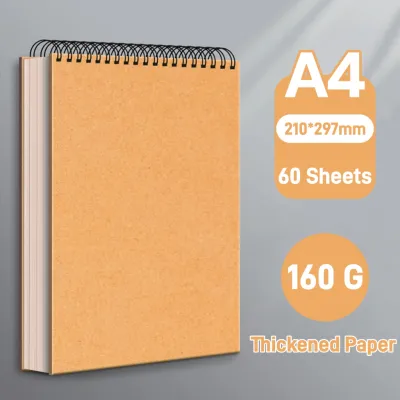
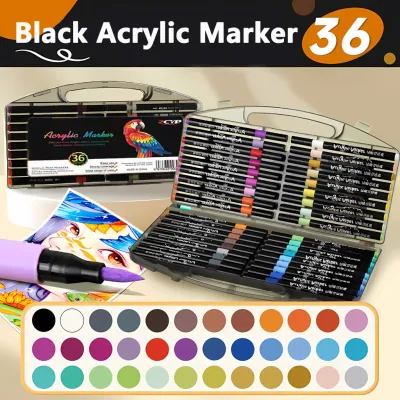
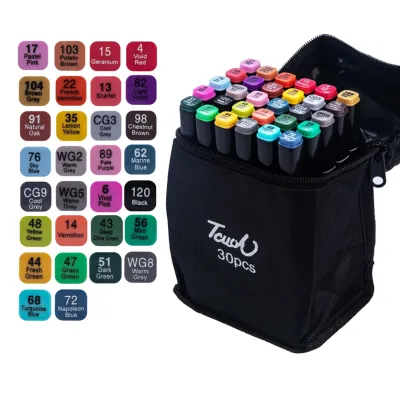
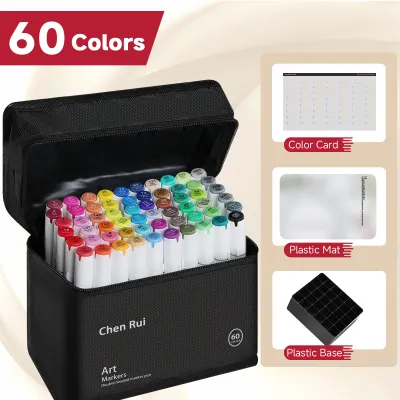
Prices are valid at publication and may change. Please refer to the product page for the latest price.
Physical surfaces also dictate your choice of writing instruments. Non-porous surfaces like plastic folders, laminated sheets, glossy photo paper, and metal storage bins require specialized inks that adhere without pooling or wiping away. Conversely, porous surfaces like sketchbooks, canvas, and cardboard absorb ink quickly, which can cause standard water-based inks to feather or spread outward from the original line.
Finally, consider your specific functional requirements for each task. If you are presenting dynamic ideas in a meeting, erasability is non-negotiable. For archival journaling or outdoor labeling, water resistance and fade resistance are paramount. Left-handed writers must pay extra attention to smudge prevention, seeking out fast-drying formulas that set before their hand glides over the freshly written text.
Match Marker Types to Your Specific Use Cases
Markers are generally categorized by their ink base and intended application, with each type serving a distinct purpose in your organizational or creative toolkit. Permanent markers are the workhorses of labeling and organization. Formulated with alcohol-based or solvent-based inks, they adhere to most non-porous surfaces, including plastic, glass, and metal. When using permanent markers, it is important to work in well-ventilated spaces, especially in enclosed, air-conditioned offices or classrooms, as the solvents can emit strong odors. Always check surface compatibility first, as these permanent inks can stain porous materials and may bleed heavily through standard paper.

Whiteboard markers, or dry-erase markers, are designed specifically for temporary writing on non-porous boards. These markers use a specialized ink that dries into an erasable powder, allowing you to wipe the surface clean with a dry cloth or eraser. When selecting whiteboard markers for school or office presentations, verify that they feature low-odor formulas to ensure comfort during long brainstorming sessions. It is also wise to check board compatibility; cheaper or worn whiteboards with scratched surfaces can trap the ink pigment, leading to ghosting where faint outlines of old writing remain visible.
For creative endeavors, brush and art markers offer notable versatility. These tools are favored for calligraphy, hand lettering, illustration, and detailed design work. The flexible fiber or rubber brush nib mimics a traditional paintbrush, allowing you to transition smoothly from fine lines to broad strokes by varying your hand pressure. Art markers are typically divided into water-based and alcohol-based varieties. Water-based brush markers are excellent for journaling and basic coloring because they rarely bleed through standard paper and can be blended with water. Alcohol-based markers, on the other hand, are preferred by illustrators for their smooth blending capabilities, though they require heavy, bleed-resistant paper to prevent ruining the sheets underneath. If you plan to use these markers extensively, look for options with replaceable nibs and refillable ink reservoirs to make your investment more sustainable over time.
Choose Highlighters Based on Paper Quality and Reading Style
Highlighters are indispensable tools for active reading, studying, and organizing information, but the wrong choice can ruin your printed texts or handwritten notes. Traditional fluorescent highlighters are designed for high visibility, using bright, neon pigments that draw your eyes instantly to key terms. While highly effective for quick scanning during intense study sessions, these wet, water-based inks can easily bleed through thin notebook pages or standard copy paper. If you are highlighting double-sided documents, always test the ink first to ensure it does not obscure the text on the back of the page.
For readers who find neon colors too distracting or harsh, pastel and mild highlighters offer a softer alternative. These highlighters use muted, desaturated tones like dusty rose, sage green, and soft gray to organize information without creating visual clutter. The lower contrast of pastel shades significantly reduces eye strain during long reading sessions, making them ideal for extensive textbook study or detailed planner layouts. When choosing pastel options, verify that the ink remains translucent enough to keep the underlying text clearly legible under various lighting conditions.
When dealing with highly delicate, glossy, or ultra-thin pages—such as those found in Bibles, legal documents, or high-end textbooks—standard liquid highlighters are likely to cause smudging and severe bleed-through. In these scenarios, gel and dry highlighters are a highly suitable choice. Gel highlighters use a solid, wax-like ink stick that glides smoothly across the page, leaving a vibrant mark that rarely wet-bleeds or warps the paper. Dry highlighters, which function similarly to colored pencils, provide a completely dry highlighting experience that is designed to minimize smudging on inkjet printouts or delicate handwritten notes.
Verify Ink Performance and Compatibility Before Buying in Bulk
Before purchasing a large set of markers or highlighters for your school or office supplies, conducting a few simple tests can save you from frustrating performance issues. Ink behavior is highly dependent on the specific combination of the writing instrument and the paper medium. When planning to spend ₱500 or more on bulk supplies, always perform a quick test on a spare sheet of the exact paper stock you plan to use.
Begin by conducting a bleed-through, feathering, and show-through test. Draw a few solid lines and color in a small block on your test paper. Observe whether the ink pools, spreads outward along the paper fibers (feathering), or leaks through to the other side (bleed-through). If you see significant show-through, you may need to switch to a drier ink formula or upgrade to a heavier paper weight.
Next, evaluate the drying time of the ink. Write a quick sentence and immediately run your finger across the text at one-second intervals. This test is especially critical for left-handed writers, fast note-takers, and those working in humid tropical environments where moisture in the air can delay drying. A fast-drying ink prevents accidental smearing and keeps your work looking clean and professional.
Finally, review the manufacturer specifications and product labels on the packaging. Look for details regarding ink longevity, lightfastness (resistance to fading over time), and cap-off time—which indicates how long a marker can remain uncapped without drying out. Checking these details, along with assessing the durability of the nib under normal writing pressure, ensures you select durable supplies that will last throughout the school year or fiscal quarter.
Frequently Asked Questions (FAQ)
Can I use permanent markers on a whiteboard?
Using a permanent marker on a whiteboard is not recommended, as the solvent-based ink binds to the non-porous surface and leaves stubborn, lasting stains. If an accident occurs, you can often remove the permanent ink by drawing directly over it with a fresh dry-erase marker. The solvents in the dry-erase ink will temporarily re-solubilize the permanent pigment, allowing you to wipe both marks away with a clean eraser. If the stain persists, stop immediately and consult the board manufacturer’s guidelines to avoid damaging the board’s protective coating with harsh chemicals.
How do I keep brush markers from drying out?
To maximize the lifespan of your brush markers, store them horizontally. Horizontal storage keeps the ink evenly distributed between both ends of double-ended markers and prevents the brush tip from becoming either oversaturated or completely dry. Always press the cap firmly until you hear a distinct click, which confirms an airtight seal. Additionally, check the manufacturer’s specifications for cap-off times, as some specialized art inks dry out rapidly when exposed to air for even a few minutes.
Are pastel highlighters visible on dark or colored paper?
Standard pastel highlighters use translucent, water-based inks that rely on the white background of the paper to reflect light and show their color. On dark or heavily colored paper, these translucent pigments will blend into the background, making them virtually invisible or muddy. If you frequently work with dark paper, review product labels for opaque, pigment-based, or gel-based alternatives. These specialized formulas sit on top of the paper fibers rather than soaking in, providing the necessary contrast to remain visible.

Community discussion
Share your experience or ask a question. Comments are reviewed before publication.