
Selecting the right marking pen for steel and metal surfaces requires a careful match between the ink’s chemical formulation, the physical design of the tip, and the specific environmental conditions of your workspace. Standard office markers often fail on oily, rough, or hot metals, leaving faint or smudged lines that can disrupt fabrication, welding, or inventory tracking. Conversely, heavy-duty industrial paint markers might be unnecessary for clean, indoor aluminum sheets where a simple, low-residue ink would suffice. By understanding how different marking technologies interact with various metal substrates, you can select a tool that ensures clear, durable, and highly visible marks throughout your entire production process.
In tropical environments like the Philippines, high ambient temperatures and intense humidity introduce additional challenges. Moisture on metal surfaces can prevent standard inks from adhering, while extreme heat can cause volatile solvents in paint markers to dry too quickly or clog the tip. Investing ₱150 to ₱300 in a specialized industrial marker, rather than repeatedly replacing cheap, standard office pens that fail under demanding workshop conditions, is a highly cost-effective decision. This guide outlines the essential factors to evaluate when choosing a marking pen for steel and metal surfaces.
Identify Your Metal Surface and Marking Conditions
Before selecting a marking pen, you must evaluate the physical state of the metal surface you need to mark. Clean, cold-rolled steel and polished aluminum present very different surface chemistry compared to hot-rolled steel covered in mill scale, rust, or protective oils. Shipping and storage oils are frequently applied to raw steel to prevent corrosion, but these oils act as a barrier that repels standard water-based or alcohol-based inks. If your metal is contaminated with grease, cutting fluids, or condensation from high humidity, you will need a marker specifically formulated to cut through these liquid barriers and bond directly with the underlying metal.
Products mentioned in this guide
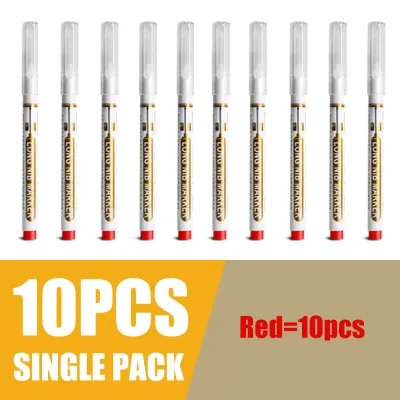
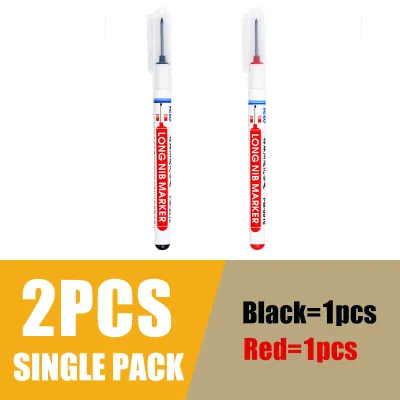
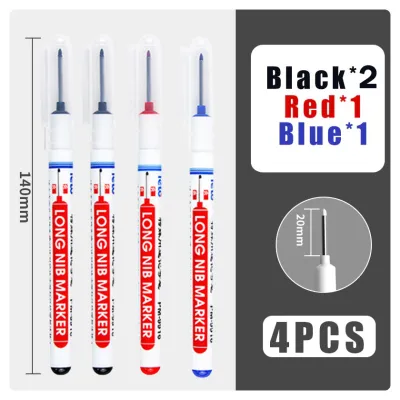
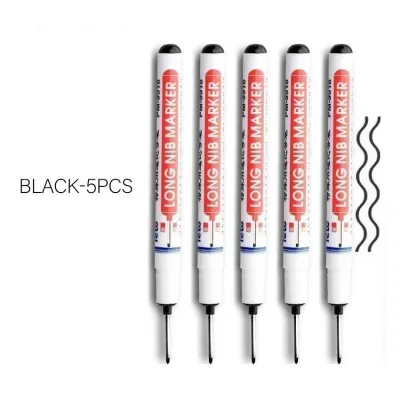
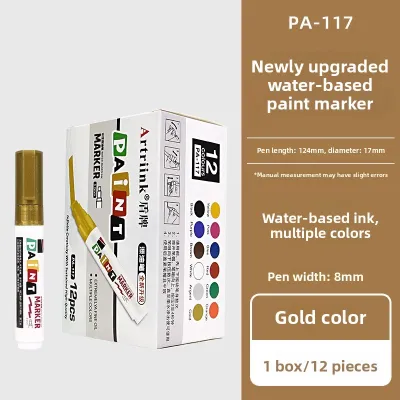
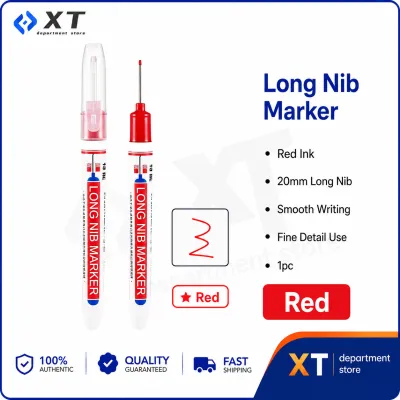
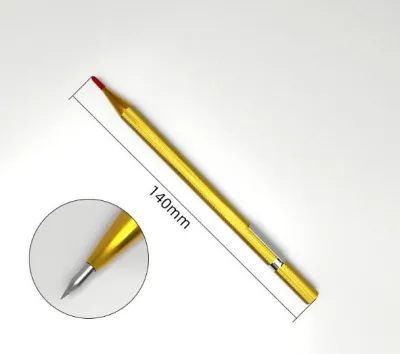
Prices are valid at publication and may change. Please refer to the product page for the latest price.
Surface texture is another critical factor that dictates marker selection. Smooth, polished, or anodized metal surfaces allow for precise, thin lines, but they also require inks with excellent adhesion to prevent pooling, running, or beading. On the other hand, rough, pitted, cast-iron, or heavily oxidized steel surfaces will quickly shred delicate felt tips. For these abrasive textures, you need a marking tool with a highly durable nib or a solid paint stick that deposits a thick layer of pigment without relying on a fragile capillary tip.
Finally, consider the environmental exposure the marked metal will face. If the steel will be stored outdoors in a shipyard or construction site, the marks must withstand intense UV exposure, heavy monsoon rains, and temperature fluctuations without fading or washing away. For indoor fabrication shops, the primary concerns may instead be resistance to handling, smudging during cutting, or compatibility with subsequent chemical treatments like acid pickling, degreasing, or powder coating.
Match the Ink Type to Your Metalworking Task
Industrial marking pens generally fall into three chemical categories: liquid paint, solid paint, and permanent dye-based ink. Liquid paint markers contain real paint suspended in a solvent, utilizing an internal mixing ball to keep the pigments blended. When applied, they leave a thick, opaque, and highly durable layer of paint that is exceptionally resistant to weathering, moisture, and abrasion. These markers are ideal for clean, smooth metals where high-visibility, long-lasting identification is required, such as part numbering on structural steel beams or layout lines on sheet metal.

Solid paint markers, often referred to as paint sticks, consist of solidified paint housed in a plastic or cardboard twist-up sleeve. Because they do not rely on a liquid reservoir or a traditional felt tip, they write smoothly on rough, rusty, oily, or wet steel plates. The friction of writing shears off a layer of solid paint, allowing it to fill in the pits of rough surfaces and adhere despite heavy contamination. While they produce wider, less precise lines than liquid markers, their sheer durability makes them the preferred choice for salvage yards, structural steel fabrication, and outdoor storage.
Standard permanent ink markers utilize alcohol-based dyes rather than heavy pigments. These inks dry almost instantly and are excellent for clean, dry, indoor metals where temporary layout marks or quick labels are needed. However, they have significant limitations: they fade rapidly under direct sunlight, bleed or disappear entirely when exposed to oils, and cannot write on rough or wet surfaces. If your metalworking task involves subsequent chemical washes, welding, or outdoor storage, standard permanent markers will likely fail to remain legible.
When selecting an ink type, always check the manufacturer’s specifications for chemical resistance and compatibility. For instance, if the marked steel will undergo galvanizing or acid pickling, you must choose an ink that can either survive the process or be easily removed beforehand. Additionally, in specialized industries like aerospace or stainless steel fabrication, you must verify that the marker is certified as “low-halogens” or “low-chlorides” to prevent stress corrosion cracking on sensitive alloys.
Select the Right Tip Style and Valve Mechanism
The precision of your marks and the longevity of your marking pen depend heavily on the tip style and the ink delivery mechanism. Fine and extra-fine tips (typically 1mm to 2mm) are essential for detailed layout work, scribe lines, and welding fit-up guides where accuracy is paramount. Broad, bullet, or chisel tips (ranging from 4mm to 8mm or larger) are designed for bold, high-visibility industrial labeling, shipping instructions, and part identification on large steel plates that must be read from a distance.
To control the flow of liquid paint, high-quality industrial markers utilize a valve-action mechanism. Inside the marker barrel is a spring-loaded valve that keeps the paint reservoir sealed. When you press the nib down onto a surface, the valve opens, allowing fresh paint to saturate the porous tip. This design prevents the paint from drying out inside the marker, which is especially beneficial in hot, tropical climates where open-air storage can quickly ruin standard capillary-flow markers. Capillary-flow markers, which rely on continuous gravity and fiber draw, are best reserved for smooth, clean metals and light-duty indoor tasks.
Maintaining a valve-action marker requires proper priming and occasional tip care. To prime a new or dry marker, shake it thoroughly with the cap securely on to mix the internal paint pigments. Then, gently press the tip down repeatedly on a scrap piece of wood or cardboard until the paint flows into the nib. If the tip becomes clogged with metal dust, rust particles, or dried paint during use, many industrial markers allow you to pull the nib out, flip it to use the clean end, or wash it in a compatible solvent to restore smooth paint flow.
Visibility and Color Contrast on Metals
For a marking pen to be effective, the mark must remain highly visible against the specific color and finish of the metal substrate. Dark, oxidized, raw structural steel, or rusted iron plates require high-contrast, opaque colors to stand out. White, yellow, and bright red are the most effective choices for these dark backgrounds, as they reflect light and remain legible even under poor workshop lighting. Conversely, polished aluminum, stainless steel, or galvanized sheets are highly reflective and light-colored, making dark blue, black, or deep green markers the best choice for maximum contrast.
If the marked metal will be stored outdoors in a high-UV environment, verify the manufacturer’s specifications for fade resistance. Standard dye-based inks will degrade and become invisible under direct sunlight within a few weeks. Pigment-based liquid and solid paint markers offer superior UV resistance, ensuring that part numbers and safety labels remain legible for months or even years of outdoor exposure.
For safety-critical markings, low-light industrial environments, or night shifts in fabrication yards, consider specialized high-visibility or fluorescent paint options. These bright, neon-colored markers reflect ambient light more efficiently, making them ideal for marking emergency cut lines, structural hazards, or critical assembly points that must be identified quickly under dim or artificial lighting.
Pre-Purchase Checklist and Safety Considerations
Before finalizing your purchase of marking pens for steel and metal, review the product labels to confirm explicit compatibility with your specific working conditions. Verify the marker’s operating temperature range; while standard paint markers work well at room temperature, specialized high-heat markers are required if you need to mark steel that is hot from welding, forging, or heat-treating. Additionally, check the rated drying time—fast-drying formulas that cure in under 30 seconds are crucial in fast-paced production lines to prevent accidental smudging and transfer.
Safety is a paramount consideration when working with industrial solvents. Many heavy-duty liquid paint markers contain volatile organic compounds (VOCs) such as xylene or toluene, which emit strong fumes. When using these solvent-based markers in enclosed spaces, small fabrication shops, or inside metal tanks, ensure adequate ventilation or wear an appropriate organic vapor respirator. Avoid prolonged skin contact with liquid paint, and wash your hands thoroughly after use.
Proper storage is essential to maximize the shelf life of your marking pens, especially in hot, humid climates. Store liquid paint markers horizontally to prevent the heavy pigments from settling entirely at the bottom of the barrel or clogging the valve mechanism. Keep all markers away from direct sunlight, open flames, and extreme heat sources—such as welding benches or hot machinery—to prevent pressure buildup inside the barrel, which can cause the marker to leak, sputter, or dry out prematurely.
Because smoothness, bleed resistance, drying speed, water resistance, and erasability depend entirely on the exact combination of the metal alloy, surface contaminants, and marker chemistry, you should always perform a localized trial. Apply a small test mark on a scrap piece of the same metal under identical environmental conditions. Observe the drying speed by lightly touching the mark at 10-second intervals. Once dry, test its durability by rubbing it with a gloved finger, spraying it with water, or exposing it to the solvents you plan to use during fabrication. This simple verification ensures the mark will not smudge or wash away during critical cutting or welding steps.
Frequently Asked Questions (FAQ)
Can I use a standard permanent marker on oily steel?
Standard permanent markers are generally unsuitable for oily steel. The alcohol-based dye inks in standard markers cannot penetrate or bond through oil, grease, or rust preventative coatings; instead, the ink will bead up, smear, or fail to transfer to the metal. Furthermore, writing on oily steel will quickly contaminate the marker’s fiber tip, clogging the capillary pores and permanently ruining the pen. For oily steel, you should either thoroughly clean the surface with a degreasing solvent before marking or use a specialized solid paint marker or a liquid paint marker formulated specifically to write through oily films.
How do I remove paint marker lines from metal if I make a mistake?
Removing paint marker lines from metal depends on the chemical base of the paint and the finish of the metal substrate. Most liquid paint marks can be dissolved and wiped away using industrial solvents such as isopropyl alcohol, acetone, or mineral spirits applied to a clean cloth. If the metal has a polished, anodized, or sensitive protective coating, avoid using harsh abrasives or wire brushes that could scratch the surface; instead, opt for a mild solvent and perform a spot test on an inconspicuous area first. For stubborn solid paint marks, a scraper or mild abrasive pad may be used in combination with a solvent, provided it does not damage the underlying metal finish.

Community discussion
Share your experience or ask a question. Comments are reviewed before publication.