
Selecting the right navy blue tela per yard depends entirely on your specific sewing project and the environment where the finished item will be used. In a warm, humid climate like the Philippines, a fabric’s breathability, weight, and colorfastness are just as critical as its drape and durability. Whether you are tailoring structured school uniforms, sewing a breezy casual dress, or crafting home upholstery, matching your project’s functional needs to the correct fiber type ensures your hard work lasts.
Identify Your Sewing Project Requirements
Before browsing local textile markets or online marketplaces, you must define the primary purpose of your sewing project. A structured office blazer requires a completely different set of fabric characteristics than a flowing summer skirt or a set of decorative throw pillow covers. Identifying the end-use first helps you narrow down the vast selection of navy blue fabrics to those that offer the correct balance of structure and comfort.
Physical properties such as stretch, breathability, durability, and wrinkle resistance should guide your selection process. For daily wear in tropical heat, breathability is paramount to keep the wearer cool. Conversely, items like bags or seat cushions prioritize durability over softness, requiring tightly woven, heavy-duty materials that can withstand frequent friction.
Products mentioned in this guide
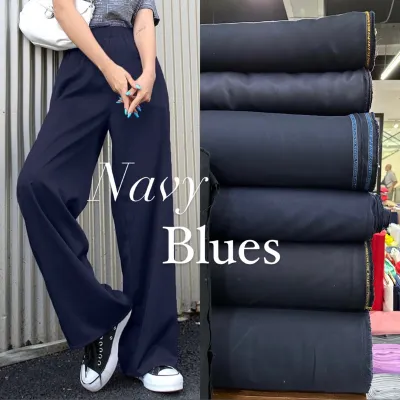
Prices are valid at publication and may change. Please refer to the product page for the latest price.
You must also evaluate your sewing environment and equipment. Lightweight, slippery fabrics like navy blue satin or chiffon can be challenging to cut and sew without specialized pins or fine needles. Choosing the wrong fabric weight for your machine can lead to skipped stitches or broken threads.
Compare Common Fabric Materials for Navy Blue Tela
Fabric fibers are broadly categorized into natural, synthetic, and blended varieties, each bringing distinct physical properties to your sewing table. Understanding these inherent traits allows you to predict how a fabric will behave during construction, how it will feel against the skin, and how it will hold up after multiple wash cycles.

Your choice of material directly dictates the care instructions, longevity, and overall comfort of the finished piece. While some fibers offer effortless machine-washable convenience, others demand delicate hand-washing or dry cleaning to preserve their shape and deep navy blue color.
Natural Fibers (Cotton, Linen, Rayon)
Natural fibers derived from plants, such as cotton and linen, along with semi-synthetics like rayon, are highly valued for their exceptional breathability and comfort in warm weather. Cotton tela is soft, hypoallergenic, and highly absorbent, making it an excellent choice for everyday clothing, children’s wear, and bed linen. Linen offers a distinct, textured aesthetic and superior airflow, though it is prone to characteristic creasing that defines its casual look.
Because natural fibers expand and contract when wet, they have a strong tendency to shrink during their first wash. Pre-washing your navy blue natural fabric before cutting your pattern pieces is an essential step to prevent your finished garment from warping.
When it comes to color, natural fibers absorb liquid dyes deeply, resulting in rich, organic navy blue tones. However, plant-based fibers are also more susceptible to gradual fading from sun exposure and repeated washing. To maintain the depth of navy blue on natural fabrics, wash them in cool water, turn garments inside out, and dry them away from direct tropical sunlight.
Synthetic and Blended Fibers (Polyester, Nylon, Blends)
Synthetic fibers like polyester and nylon offer outstanding durability, wrinkle resistance, and shape retention, making them highly practical for busy lifestyles. These materials are highly colorfast, meaning they lock in dark navy blue pigments exceptionally well and resist fading even after numerous trips through the washing machine. This makes synthetics ideal for school uniforms, activewear, and outdoor upholstery that face heavy daily wear.
The primary trade-off with pure synthetic fabrics is their limited breathability, which can trap heat and moisture close to the body in humid conditions. For garments worn close to the skin in warm climates, pure polyester can sometimes feel warm and restrictive.
Blended fabrics, such as poly-cotton or poly-rayon, offer a balanced solution by combining the best properties of both fiber worlds. A poly-cotton blend retains the breathability and softness of cotton while gaining the wrinkle resistance and colorfastness of polyester. These blends are generally easy to cut, sew, and maintain, making them highly recommended for beginners working on everyday apparel.
Evaluate Fabric Weight, Drape, and Weave
Beyond fiber content, you must assess the physical structure of the fabric, which is determined by its weight, drape, and weave. Fabric weight is typically measured in grams per square meter (GSM) or ounces per square yard, categorizing materials into lightweight, medium-weight, and heavyweight. Lightweight fabrics like voile or chiffon are perfect for sheer overlays, while medium-weight fabrics like quilting cotton or poplin suit structured shirts, and heavyweight fabrics like canvas or denim are reserved for outerwear and upholstery.
Drape refers to how a fabric hangs and flows under its own weight, which heavily influences the silhouette of a garment. A fabric with a fluid drape, such as navy blue rayon or silk, will cling gently to curves and move beautifully, making it ideal for dresses and soft blouses. A fabric with a stiff drape, such as heavy cotton canvas or starched linen, holds its own shape and is better suited for structured jackets, tote bags, or utility wear.
Weave density and opacity are particularly important when selecting dark colors like navy blue. A loose weave can result in a fabric that appears semi-sheer when held up to the light, which might require you to add a lining to your garment.
Inspect Colorfastness and Dye Quality for Navy Blue
Dark dyes, especially deep navy blues, carry a higher risk of dye transfer and bleeding compared to lighter shades. Before committing your fabric to a project, it is wise to perform a simple crocking test to check for dry dye transfer. Rub a dry, white cotton cloth or a clean white tissue firmly against the surface of the navy blue fabric; if the white cloth picks up a blue tint, the dye is unstable and may rub off on skin, furniture, or lighter clothing during wear.
To prevent wet dye bleeding, always pre-wash your newly purchased navy blue fabric separately before cutting. Using a color-catcher sheet in the wash can help absorb any loose dye particles suspended in the water, preventing them from settling back onto the fabric or staining other items.
When purchasing navy blue tela per yard, check the seller’s product descriptions or ask about the dye type used. Fabrics treated with reactive dyes or vat dyes generally offer superior color retention and chemical bonding to the fibers. These high-quality dyeing processes ensure your navy blue remains rich and vibrant over time, resisting the dull, grayish cast that can affect poorly dyed textiles.
Calculate Yardage and Verify Seller Specifications
Accurately calculating how much navy blue tela per yard to buy prevents the frustration of running out of material mid-project or wasting money on excessive leftovers. Always consult your sewing pattern’s yardage chart, keeping in mind that fabric width varies significantly. Common fabric widths are 45 inches and 60 inches; a narrower fabric will require you to purchase more linear yards to accommodate your pattern pieces.
You must also factor in potential fabric shrinkage and pattern matching when finalizing your yardage. Natural fibers can shrink by up to 10 percent during the first wash, so adding an extra quarter or half-yard to your order is a safe practice.
Before completing your purchase, cross-check the seller’s listed specifications against your project checklist. Whether you are budgeting ₱150 or ₱500 per yard, verify the exact fiber composition, weight, and recommended care instructions to ensure the fabric matches your expectations. Taking a moment to read customer reviews on online marketplaces can also provide valuable real-world insights into the fabric’s actual color accuracy, texture, and quality.
Frequently Asked Questions (FAQ)
Does navy blue fabric fade faster than other colors?
Dark colors like navy blue do not necessarily degrade faster than lighter shades, but fading is much more visible on them. Because navy blue fabric contains a high concentration of dark dye, any loss of pigment due to UV exposure or harsh detergents creates a noticeable contrast against the original deep shade. To minimize fading, wash navy blue items inside out in cold water, use mild detergents, and line-dry them in the shade rather than under direct sunlight.
How can I prevent navy blue fabric from shrinking after washing?
The most effective way to manage shrinkage is to pre-wash and pre-shrink your navy blue fabric using the same water temperature and drying method you plan to use for the finished item. Natural fibers like cotton and linen are highly prone to shrinking during their first exposure to water and heat, whereas synthetic fibers like polyester experience minimal to no shrinkage. Always follow the manufacturer’s or seller’s care labels, opting for cool water washes and low-heat or air-drying to preserve the fabric’s original dimensions.

Community discussion
Share your experience or ask a question. Comments are reviewed before publication.