
Choosing the right neon green stickers for your bullet journal or scrapbook requires balancing visual impact with material compatibility. Neon green is a highly saturated, high-contrast color that can easily overwhelm a layout if not balanced correctly, but when paired with the right paper and ink, it serves as an exceptional tool for highlighting, color-coding, and artistic layering. To make the best choice, you must evaluate the sticker’s base material, its surface finish, and the strength of its adhesive against the specific weight of your journal pages. By understanding how these elements interact, you can create vibrant, long-lasting spreads that remain clean, organized, and visually striking.
The psychological impact of neon green in a creative layout cannot be overstated. It brings an energetic, modern aesthetic that instantly draws the eye, making it highly effective for organizing information or creating bold artistic statements. However, because neon pigments are inherently intense, their success on the page depends heavily on the physical properties of the sticker itself. Selecting the wrong material or adhesive can lead to warped pages, smudged ink, or peeling edges, particularly when working with different paper types and environmental conditions.
Key Factors When Choosing Neon Green Stickers
When selecting neon green stickers, the base material is the first and most critical factor to consider, as it dictates the sticker’s flexibility, durability, and overall texture. Paper-based stickers are a classic choice, offering a lightweight, organic feel that blends seamlessly with most journal pages. They are highly writable and easy to cut or tear, making them incredibly versatile for daily planning. However, paper stickers lack tear resistance and can easily degrade if they come into contact with moisture or oil from your hands.
Products mentioned in this guide
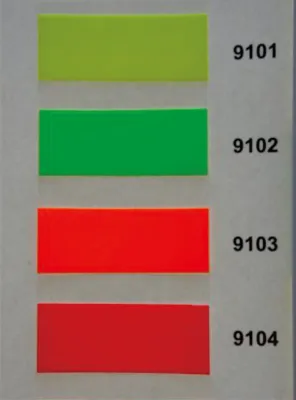
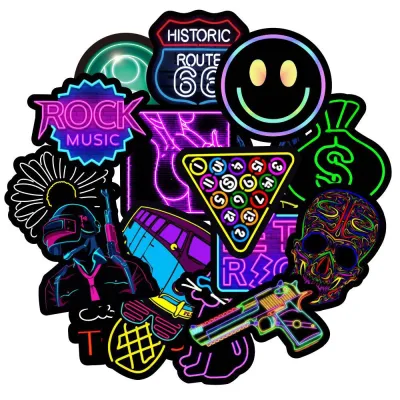
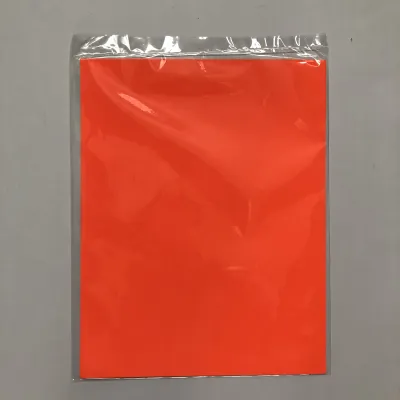
![[Golden Dragon] Bright Neon Color Paper with Sticker (Adhesive)](https://img.lazcdn.com/g/p/3ada6b6ab2d478a8b7eb4fc746cf436a.jpg_400x400q80.jpg_.webp)
Prices are valid at publication and may change. Please refer to the product page for the latest price.
In tropical climates where humidity levels are consistently high, paper stickers can absorb moisture from the air, causing their edges to curl or lift over time. Vinyl stickers, by contrast, are completely synthetic and offer exceptional durability, water resistance, and flexibility. They do not tear, fade easily, or warp when exposed to humid conditions, making them excellent for journal covers, outer tabs, or heavy-use pages. The trade-off is that vinyl stickers are much thicker than paper and are notoriously difficult to write on with standard pens.
Washi stickers, made from traditional Japanese paper fibers, strike a perfect balance between paper and vinyl. They are semi-translucent, incredibly thin, and highly flexible, allowing them to sit completely flat across the binding of a journal without adding unnecessary bulk. Washi stickers can be easily torn by hand to create soft, textured edges, adding an organic, artistic quality to your layouts. Their semi-transparent nature also allows you to layer them over text or other designs, creating a sophisticated depth that opaque paper or vinyl stickers cannot achieve.
The finish of your neon green sticker significantly influences how it reflects light and how well it accepts different writing instruments. Matte finishes absorb light rather than reflecting it, which keeps the neon green pigment looking rich and saturated without creating distracting glare. This non-reflective surface is the most versatile option for daily journaling because it mimics the texture of standard paper, allowing you to write notes, dates, or symbols directly onto the sticker with almost any pen.
Glossy finishes reflect light sharply, which intensifies the fluorescent quality of the neon green pigment, making the color appear even brighter and more electric. While visually stunning, glossy stickers are highly reflective and can make reading any writing on or near them difficult under direct overhead lighting. Furthermore, their slick, non-porous surface repels water-based inks, limiting your writing options to permanent markers or specialized multi-surface pens. Holographic or metallic neon finishes take this reflection a step further, creating a dynamic, shifting color play that works beautifully for decorative focal points but should be used sparingly to avoid overwhelming your page layouts.
Adhesive strength is another vital consideration that must be matched to your journal’s paper thickness and your planning style. Repositionable or low-tack adhesives allow you to peel, move, and adjust the sticker multiple times without tearing the underlying paper or leaving a sticky residue. This is incredibly useful for bullet journaling, where layouts and schedules frequently change. Permanent adhesives, on the other hand, form a strong, irreversible bond with the paper fibers over time, ensuring that your scrapbooking elements remain securely in place for years. However, permanent adhesives can easily warp or tear thin paper if you attempt to adjust them, and they require careful placement from the start.
Matching Sticker Types to Your Journaling Needs
Aligning your sticker formats with your layout goals is essential for maintaining a clean visual hierarchy. Neon green is naturally eye-catching, meaning it will immediately draw the reader’s eye to wherever it is placed on the page. By matching the physical format of the sticker—whether it is a tiny functional icon or a large background sheet—to its intended purpose, you can guide the eye naturally through your spreads without creating visual clutter. This thoughtful approach ensures that your neon elements serve a clear functional or aesthetic purpose rather than simply crowding the page.

Highlighting and Task Tracking
For functional bullet journaling, look for pre-cut geometric shapes like small circles, squares, or checkboxes that align with standard 5mm dot grid layouts. Matte-finished neon green stickers are perfect for this role because you can easily write numbers, dates, or priority symbols directly onto them using fine-liner pens. Choosing stickers that match your grid spacing ensures your monthly and weekly spreads remain neat, organized, and highly readable.
Using neon green as a color-coding tool is highly effective for managing busy schedules. You can assign neon green stickers to represent high-priority tasks, urgent deadlines, or specific categories like fitness, budget tracking, or work projects. Because the color is so vibrant, a tiny 5mm neon green dot sticker on a busy weekly spread will instantly signal important information without requiring you to write in large, bold letters. This keeps your layouts minimalist yet highly functional.
Layering and Backgrounds
When creating depth in scrapbooks or artistic journal spreads, washi-style strips and large uncut sheets of neon green sticker paper offer maximum flexibility. You can tear these materials by hand to create textured, organic edges that contrast beautifully with clean-cut photos or ephemera. Before applying, verify the translucency of the sticker; semi-transparent neon green washi allows underlying text or grid lines to show through, creating a sophisticated layered effect, while opaque sheets are better suited for bold color-blocking.
Layering neon green with neutral tones, such as kraft paper, black cardstock, or muted gray ephemera, creates a striking modern contrast. The earthy, understated qualities of neutral papers ground the electric intensity of the neon green, preventing the layout from looking chaotic. Try placing a torn strip of neon green washi tape behind a black-and-white photograph or using a large neon green sticker block as a base for mounting handwritten journaling cards to make your scrapbook pages pop.
Structural and Embellishment
For focal points and decorative elements that need to stand out physically, opt for thick vinyl or epoxy-coated neon green stickers. These materials add tangible texture and a three-dimensional quality to your pages, making them ideal for scrapbook covers, title pages, or major section dividers. Because these stickers are heavier than standard paper options, ensure they feature a strong permanent adhesive to prevent them from peeling away from thick cardstock or mixed-media papers over time.
When using heavy or dimensional stickers, it is important to consider the overall thickness of your journal. If you place too many thick epoxy or vinyl stickers throughout a single notebook, the book will begin to “alligator mouth,” meaning it will bulge open and put strain on the binding. To prevent this, limit dimensional neon stickers to key pages, such as the front cover or the start of a new month, and use flatter paper or washi stickers for the daily pages in between.
Paper and Ink Compatibility Checks
Before committing a neon green sticker to your journal, it is crucial to verify how its adhesive and material interact with your specific paper weight, measured in grams per square meter (GSM). Thin papers, such as 52 GSM or 80 GSM, are highly susceptible to page warping and adhesive bleed-through, especially when using heavy vinyl stickers or permanent adhesives in humid tropical climates. For best results, pair heavier or more permanent stickers with robust journal pages of 120 GSM to 160 GSM, which can support the physical weight and moisture of various adhesives without buckling.
To ensure your writing instruments work seamlessly with your chosen stickers, conduct an observable smudge and dry-time test on a small, unused corner of the sticker sheet. Apply your preferred gel pens, fine liners, or brush pens to both glossy and matte neon finishes, then wait several intervals—such as five seconds, thirty seconds, and one minute—before gently rubbing the ink. This trial will reveal the drying speed and water resistance of the ink-and-sticker combination, helping you avoid frustrating smudges on your carefully designed layouts.
Long-term preservation is another vital consideration, particularly for scrapbooks meant to last for decades. Always review manufacturer labels for acid-free and archival-safe certifications. Acidic adhesives and unstable neon dyes can break down over time, causing the sticker to yellow, the adhesive to degrade into a sticky residue, or the vibrant neon green pigment to leach into adjacent pages, potentially ruining your cherished photographs and handwritten memories.
Sourcing and Verifying Sticker Quality
When shopping for neon green stickers, especially on online marketplaces, read product descriptions with a critical eye to verify exact dimensions, material composition, and adhesive properties. Do not rely solely on promotional images, which can often make stickers appear larger or more vibrant than they are in reality. Checking the technical specifications ensures that the sheets or rolls you order will fit comfortably within your storage systems and journal layouts.
Color representation can vary significantly across different screens and digital devices, making buyer reviews an invaluable resource for assessing true color accuracy. Look for reviews that include user-submitted photographs taken in natural lighting to verify if the “neon green” is a true, electric fluorescent shade or if it leans closer to a lime or pastel green. Reading about other crafters’ experiences will also give you realistic insights into the sticker’s actual stickiness and ease of peeling.
Finally, pay close attention to return policies and shipping conditions when purchasing craft supplies online. In warm, humid regions, prolonged exposure to heat during transit can compromise sticker adhesives, causing them to melt, ooze, or lose their bonding strength before they even arrive at your doorstep. Choosing sellers who package their stickers flat with protective cardboard backing, rather than rolling them tightly, helps prevent permanent creasing and ensures your supplies arrive in pristine, ready-to-use condition.
To keep your stickers in optimal condition once they arrive, store them in a cool, dry place away from direct sunlight. Using airtight plastic organizers or ziplock bags with a small silica gel packet can help absorb excess moisture, preventing the sticker sheets from curling or sticking together in humid weather. When budgeting for your crafting supplies, you will find that basic paper sticker sheets may cost around ₱30 to ₱60, while premium imported washi sheets or heavy-duty vinyl die-cuts can range from ₱100 to ₱250 per pack.
Frequently Asked Questions (FAQ)
Will neon green stickers fade if my journal is exposed to sunlight?
Yes, neon green stickers are generally more susceptible to fading from ultraviolet (UV) light exposure than standard pigment-based stickers. The fluorescent dyes used to create that intense, bright glow absorb UV light and break down more rapidly under direct sunlight. To protect your layouts, store your journals and scrapbooks in closed drawers or bookshelves away from windows, and look for stickers that explicitly list UV-resistant coatings or archival-grade pigments on their packaging.
Can I write on neon green paper stickers with gel pens?
You can easily write on matte-finished neon green paper stickers with gel pens, as the porous surface of the paper allows the water-based gel ink to bind and dry effectively. However, glossy, vinyl, or epoxy-coated neon stickers have non-porous surfaces that repel water-based inks, leading to pooling, smearing, and extremely long drying times. For non-porous surfaces, it is best to use oil-based ballpoint pens or permanent fine-tip markers, always performing a quick test patch first to verify compatibility.

Community discussion
Share your experience or ask a question. Comments are reviewed before publication.