
Finding the right notebook at Pandayan Bookstore requires matching your daily writing habits with the physical characteristics of paper and binding. Whether you are stepping into a local branch to prepare for a busy semester, organizing your corporate meeting notes, or looking for a quiet space to sketch and journal, the sheer variety of options on the shelves can be overwhelming. By focusing on how you write, what pens you use, and where you plan to carry your notebook, you can easily narrow down the selection to a tool that enhances your daily productivity.
Defining Your Primary Note-Taking Scenario
Every writing task places unique demands on a notebook’s construction, making your primary use case the most critical starting point. For academic note-taking, students in the Philippines need durable companions that can withstand daily transport in humid weather and crowded bags. These notebooks require high page counts to last through an entire semester of lectures, along with quick-flip bindings that allow you to write comfortably on cramped school desks.
Professional environments demand a different set of features, focusing heavily on clean aesthetics and structured organization. In meetings, a notebook with a secure closure, built-in bookmarks, and dedicated spaces for dates or action items helps maintain a polished image. The cover design should look structured and formal, ensuring it fits seamlessly into a corporate boardroom or a client presentation.
Products mentioned in this guide
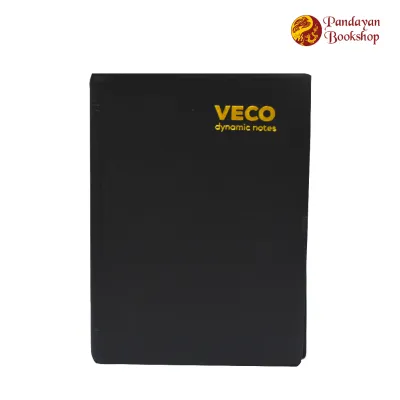
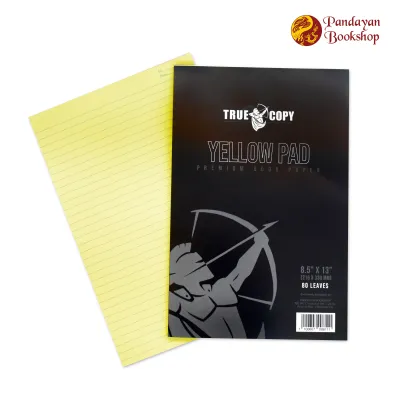
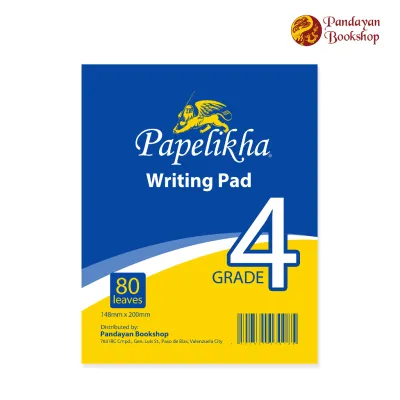
Prices are valid at publication and may change. Please refer to the product page for the latest price.
Personal journaling, on the other hand, prioritizes creative freedom and tactile pleasure. Journalers often look for thicker paper that can handle mixed media, such as gel pens, light watercolor washes, or heavy ink, without ruining the next page. Lay-flat bindings are essential here, as they allow you to write or draw across the entire spread without fighting the spine of the book.
Matching Bindings and Sizes to Your Workflow
The physical structure of a notebook dictates how easily you can write on the go and how well the pages stay preserved over time. Spiral bindings are highly practical for quick note-taking because they allow you to fold the book completely in half, saving precious desk space. However, if you need to archive your notes long-term, stitched or glued bindings offer a more permanent solution, though they require a break-in period to lie completely flat.

Choosing the right size is a balance between writing area and portability. An A4 notebook provides ample space for detailed diagrams and extensive text, making it ideal for desk-heavy archival work or complex lecture notes. For an everyday carry option that fits easily into a small bag, the compact A5 size is highly popular, while B5 serves as an excellent middle ground for those who want more writing space without the bulk of a full letter-sized sheet.
Cover materials also play a vital role in protecting your work from daily wear and tear. Hardcovers provide a sturdy writing surface when you do not have a desk, offering maximum protection against bent pages and tropical humidity. Softcovers, conversely, offer lightweight flexibility, making them much easier to slide into packed bags when you are constantly on the move.
Evaluating Paper Weight and Ruling Formats
The interaction between your pen and the paper determines how comfortable your writing experience will be. When browsing the shelves, check the manufacturer labels for the paper weight, measured in grams per square meter (GSM). Standard school notebooks often feature paper around 50 to 70 GSM, which works well for ballpoint pens but may show ghosting with dark gel pens. For fountain pens or heavy ink markers, look for notebooks with 80 to 100 GSM or higher to prevent bleed-through.
The ruling format should align directly with your thinking process and layout preferences. Lined paper remains the standard for rapid, linear text entry, keeping your handwriting neat and organized during fast-paced lectures. Grid or dot-grid formats are excellent for bullet journaling, technical diagrams, and structured layouts, while blank pages offer complete freedom for sketching and mind mapping.
Paper tone is another subtle but important factor that affects visual comfort during long writing sessions. Bright white paper offers high contrast, which makes dark inks stand out clearly under dim classroom or office lighting. Cream or off-white paper, however, reflects less light, significantly reducing eye strain when you are reading or writing for hours at a time.
Inspecting and Finalizing Your Selection at Pandayan Bookstore
Before heading to the cashier with your chosen notebooks, a quick physical inspection ensures you are getting the best value for your budget. Examine the spine carefully to ensure the glue is applied evenly and the stitching is secure without loose threads. Check the page alignment along the edges, as misaligned cuts can cause pages to fray or tear prematurely when handled frequently.
Take a moment to gently flip through the pages to test the binding’s resistance and feel the texture, or tooth, of the paper. A smoother paper surface allows ballpoint and gel pens to glide effortlessly, while a slightly toothier paper is better suited for pencils and sketching tools. Ensuring the pages turn smoothly without catching on the spiral or binding will save you daily frustration.
Finally, balance the page count against the overall weight and your allocated ₱ budget, especially if you are purchasing school supplies in bulk. While a thick, multi-subject notebook offers excellent value per page, it can add significant weight to your bag. Evaluating these trade-offs in-store allows you to find the perfect balance of quality, utility, and cost-effectiveness for your daily routine.
Frequently Asked Questions (FAQ)
Can one notebook effectively serve both academic and journaling needs?
Yes, you can use a single notebook for both tasks, but it requires a compromise on paper specifications and layout. A dot-grid notebook with medium-weight paper (around 80 GSM) serves as an excellent hybrid, offering enough structure for lecture notes and enough freedom for creative journaling. This setup allows you to keep your academic schedule and personal reflections in one place without carrying multiple heavy books.
How can I test if a notebook handles wet ink without bleeding?
Since you cannot write in a new notebook before purchasing, look for open sample sheets or ask store staff if a tester is available. If you are testing a notebook you have already purchased, find a discreet spot on the very last page to write a few strokes with your wettest pen. Let the ink dry completely, then check the reverse side of the page for feathering, ink spread, or visible bleed-through to determine its compatibility.

Community discussion
Share your experience or ask a question. Comments are reviewed before publication.