
Selecting the right art supplies for elementary school students requires balancing vibrant creative expression with practical classroom management. For young learners, an oil pastel set offers an exciting introduction to color theory, texture, and blending techniques that standard crayons cannot match. However, because these tools are softer and oilier than traditional coloring implements, finding the ideal set involves evaluating safety certifications, durability, and ease of cleanup.
In tropical climates like the Philippines, where high humidity and warm classroom temperatures can soften oil-based binders, selecting a set with a stable formulation is crucial. Parents and teachers must look for specific packaging indicators to ensure the pastels remain firm enough to handle while delivering smooth, blendable color on standard drawing paper. By focusing on age-appropriate designs and certified non-toxic materials, you can provide a safe, engaging, and mess-managed artistic experience for young students.
Key Features to Look for in School-Grade Oil Pastels
When evaluating oil pastel sets, color vibrancy and opacity are primary considerations. High-quality student-grade pastels are formulated with rich pigments that provide excellent coverage, allowing children to layer light colors over dark ones without the underlying shades bleeding through. Rather than relying on visual assumptions from the box art, check the manufacturer specifications on the packaging for terms like “high pigment load” or “excellent opacity.” These indicators ensure that the colors will appear bright and solid on both white and colored construction paper.
Products mentioned in this guide
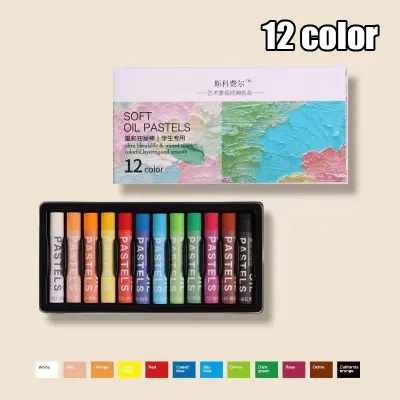
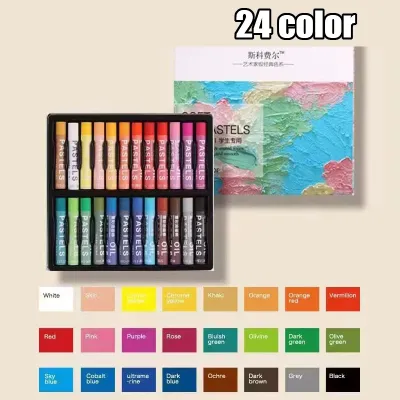
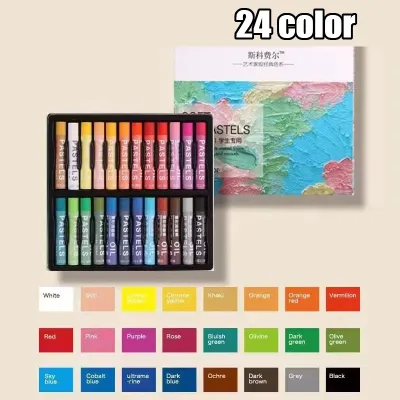
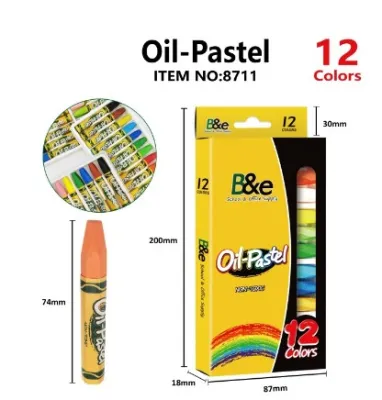
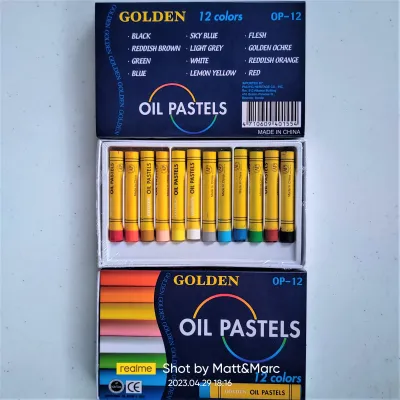
Prices are valid at publication and may change. Please refer to the product page for the latest price.
Blendability is another essential feature for elementary art curricula. Unlike wax crayons, which resist blending, oil pastels should glide smoothly across the page and mix easily when rubbed. This allows students to practice basic techniques such as color graduation, scraping (sgraffito), and oil-resist painting. To verify blendability before purchasing in bulk, look for manufacturer descriptions that highlight a “buttery texture” or “smooth laydown.” A pastel that is too hard will scratch the paper, while one that is too soft will crumble and leave large, wasteful clumps.
Paper compatibility is equally important to prevent frustration during art class. Oil pastels require a surface with enough texture, or “tooth,” to grab and hold the pigment. Standard thin paper can tear under the pressure of blending or become saturated by the oil binder. Check the recommended media surfaces listed on the product packaging. Most school-grade oil pastels perform best on heavy drawing paper, sketchbooks, or textured construction paper. Ensuring the paper matches the medium prevents bleed-through and preserves the students’ artwork.
Safety and Cleanup: Meeting School Supply Requirements
Safety is the most critical factor when choosing art supplies for children. Because young artists frequently touch their faces or hands during creative sessions, always locate and read the safety labels on the product packaging. Look for the AP (Approved Product) seal from the Art and Creative Materials Institute (ACMI) or compliance with international standards such as EN71. These certifications guarantee that the pastels have been evaluated by toxicologists and contain no harmful materials in quantities large enough to cause health issues. Additionally, check the age-grading warnings to ensure the set is appropriate for elementary-aged children.

While oil pastels are loved for their rich texture, their oil-based nature means cleanup requires more planning than water-based markers. To minimize stress for teachers and parents, check the manufacturer’s claims regarding washability. Many student-grade sets are formulated to wash off skin easily with standard soap and warm water. While they may not be entirely washable from all fabrics, choosing a set designed with school use in mind reduces the risk of permanent stains on classroom desks, chairs, and walls.
Establishing a clean workspace is key to managing the mess associated with oil pastels. Before starting any art project, set up protective barriers such as old newspapers, plastic placemats, or recycled brown paper bags across the desks. Teach students basic handling rules, such as keeping one hand clean to hold the paper while the other hand colors. Keeping a damp cloth or wet wipes nearby allows students to clean their fingers quickly between color changes, preventing accidental smudges on their clothes or the borders of their drawings.
Evaluating Durability and Usability for Young Artists
Elementary school students are often heavy-handed, applying significant pressure as they color and blend. To prevent constant breakage and waste, assess the structural integrity of the pastels. Look for packaging claims that mention “break-resistant” formulas or high structural density. The physical shape of the pastel also plays a role in durability; hexagonal or square-shaped sticks are less likely to roll off school desks and shatter on hard classroom floors compared to perfectly round sticks.
The physical size of the pastel stick directly impacts how easily a child can control it. For younger students in kindergarten through grade 3, jumbo or thick-grip oil pastels are highly recommended. These larger sticks fit comfortably in developing hands, helping students maintain a secure grip without experiencing hand fatigue. For older elementary students in grades 4 to 6, standard-sized pastels offer greater precision for detailed work and help refine fine motor skills.
A well-designed paper wrapper is essential for keeping hands clean and extending the life of each pastel stick. The wrapper should fit snugly around the pastel to provide extra support against snapping. Evaluate the peeling mechanism described on the packaging; some brands feature perforated paper or easy-peel designs that allow students to expose more of the pastel stick cleanly. Avoid wrappers that tear off in tiny, frustrating shreds, as this often leads to students peeling off the entire wrapper at once, leaving the bare pastel vulnerable to breaking and melting in warm hands.
How to Build and Maintain a Classroom Oil Pastel Kit
Building a practical classroom art kit requires balancing variety with budget constraints. For most elementary art projects, a set of 12 to 24 colors is the ideal size. This range provides all the essential primary and secondary colors, along with black, white, and brown, allowing students to learn color mixing without becoming overwhelmed by too many choices. When purchasing for an entire classroom, compare the unit price per stick by dividing the total cost of the bulk set by the number of pastels included. For example, if a bulk set costs ₱240 and contains 24 sticks, the unit price is ₱10 per stick. This calculation helps identify cost-effective bulk packs designed specifically for school budgets.
Proper storage is vital for maintaining the quality of oil pastels, especially in warm and humid environments. If left loose in a large bin, the pastels can rub against each other, leading to color contamination and messy sticks. Store the sets in sturdy plastic utility boxes with individual slots or dividers for each color. To prevent the pastels from softening or sticking together during hot days, keep the storage containers in a cool, dry cabinet away from direct sunlight. Placing a sheet of parchment paper over the pastels before closing the lid can also prevent them from sticking to the top of the box.
To complete the classroom kit, select safe, basic blending tools and erasers that complement the pastels. Instead of using fingers, which can transfer body heat and make the pastels too runny, provide paper stumps (tortillons), cotton swabs, or dry makeup sponges for blending. Standard rubber erasers are ineffective on oil pastels and will only smear the pigment; instead, introduce plastic scraping tools or palette knives for sgraffito techniques, allowing students to scratch away top layers of color safely to reveal the shades underneath.
Frequently Asked Questions (FAQ)
Can oil pastels be used on standard school printer paper?
Standard school printer paper, which typically ranges from 70 to 80 gsm, is generally too thin and smooth for oil pastels. The smooth surface lacks the texture needed to hold the heavy oil pigment, and the oily binder can easily bleed through the paper, leaving greasy marks on the desk underneath. For the best results, check the packaging for recommended paper weights and use drawing paper or construction paper of at least 100 gsm. If printer paper must be used, place a thick backing sheet of cardboard or scrap paper underneath the project to protect the workspace.
How do you remove oil pastel stains from school uniforms?
Before treating any stain, always check the garment care label for specific washing instructions. To treat an oil pastel stain, start by gently scraping off any excess pastel from the fabric using a dull plastic edge or spoon. Apply a small amount of dishwashing liquid or a specialized laundry pre-treater directly to the stained area, as these are formulated to break down oils. Let the treatment sit for a few minutes, then gently rub the fabric together under warm running water. If the stain remains on delicate school uniforms, avoid hot water or machine drying, and seek professional dry cleaning to prevent setting the stain permanently.
What is the difference between oil pastels and crayons for kids?
The primary difference between these two mediums lies in their binder composition and performance. Standard crayons use a hard paraffin wax binder, resulting in a firm stroke that resists blending and layering. Oil pastels, on the other hand, use a non-drying oil and wax binder, giving them a soft, buttery consistency that allows colors to blend, smear, and layer easily. While crayons are excellent for simple coloring, fine lines, and detailed drawings, oil pastels are the preferred choice when a lesson plan focuses on color mixing, texture building, and painterly techniques.

Community discussion
Share your experience or ask a question. Comments are reviewed before publication.