
Selecting the right painting book for elementary school art classes in the Philippines requires matching the book’s physical specifications—such as paper weight, binding style, and dimensions—with the school’s curriculum requirements and the student’s grade level. Rather than searching for a single universal brand, parents and educators should focus on evaluating how well a book’s paper handles specific mediums like watercolor or poster paint, and how its construction withstands daily classroom use.
Art classes in elementary schools often introduce various mediums throughout the academic year, moving from dry crayons to wet paints. This guide establishes a practical framework for evaluating paper quality, binding durability, and format suitability, ensuring that the chosen art supplies support the child’s creative development without causing frustration from torn or warped pages.
Understanding Elementary Art Curriculum Needs
Reviewing the school’s art syllabus or official supply list is the essential first step before purchasing any art supplies. Different schools and grade levels require specific mediums, such as poster paint, watercolor, or acrylic. Knowing these requirements beforehand prevents the mistake of buying a book with paper that is either too thin for wet applications or unnecessarily expensive for simple dry-media exercises.
Products mentioned in this guide
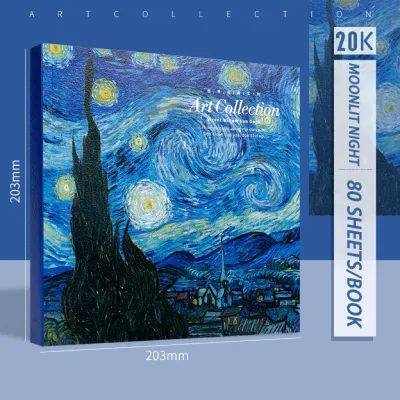
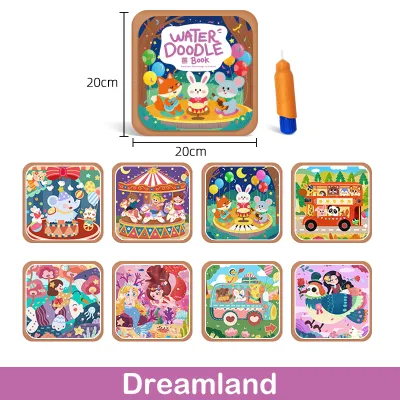
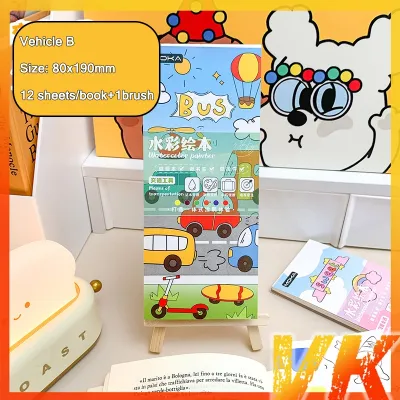
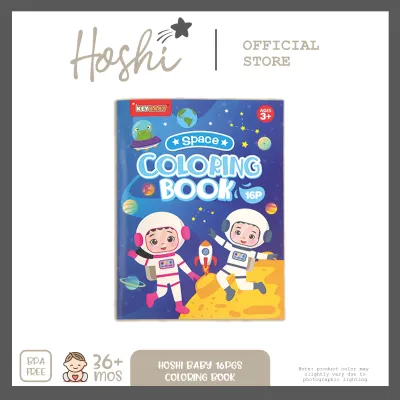
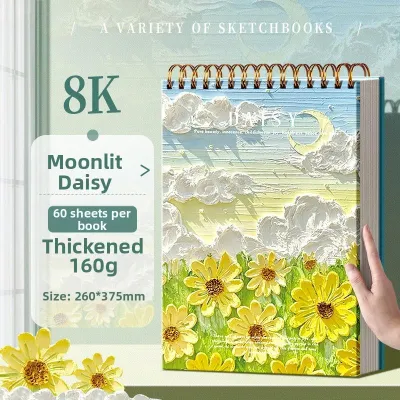
Prices are valid at publication and may change. Please refer to the product page for the latest price.
Size and orientation are critical practical considerations for classroom environments. Elementary school desks often have limited surface area, especially when shared or configured in rows. A painting book that is too large can easily overlap with neighboring desks, lead to accidental spills, or fail to fit into standard classroom storage cubbies and lockers. Opting for standard sizes like A4 or letter-size landscape formats usually provides ample creative space while remaining manageable on small desks.
Paper type specifications must align with the planned term projects. For instance, if the syllabus emphasizes watercolor techniques, the teacher may specify cold-pressed paper, which features a textured surface that holds water and pigment effectively. For general art classes that cover multiple mediums, a versatile mixed-media paper is often preferred to accommodate both wet and dry projects without requiring multiple separate books.
Finally, consult the art instructor regarding their preference for loose-leaf paper versus bound books. Some teachers prefer bound books because they keep all of a student’s work organized in one place for easy grading at the end of the grading period. Others may request perforated pages or loose sheets that can be easily detached for classroom displays, school art fairs, or individual portfolio submissions. Clarifying this requirement early prevents the need to tear pages from a non-perforated book, which can ruin the binding and damage the artwork.
Key Paper and Binding Features to Evaluate
Paper weight, measured in grams per square meter (GSM), is the most reliable indicator of how a painting book will perform under wet conditions. For elementary art classes, standard drawing paper (usually 80 to 120 GSM) is insufficient as it will quickly buckle, warp, or allow paint to bleed through to the next page. To handle wet mediums like poster paint or watercolor, look for paper labeled with a minimum of 200 GSM, while dedicated watercolor projects generally require 300 GSM to maintain structural integrity when saturated.

The texture of the paper also influences how paint behaves and how easily a young student can control their brush. Smooth surfaces are excellent for fine detail work and ink drawings, but they do not absorb water quickly, which can lead to pooling when using watercolors. Textured surfaces, such as cold-pressed paper, provide a textured surface that grabs the paint, allowing for more controlled washes and richer color depth, making it highly suitable for elementary students learning basic brush control.
Binding durability is another critical factor, as school art books undergo frequent handling and transport. Spiral-bound books are highly recommended for classroom use because they allow the book to lay completely flat on a desk, giving the student an unobstructed surface for continuous brush strokes. Glue-bound pads offer the advantage of easy page removal, but the pages may detach prematurely if the book is repeatedly stuffed into a crowded school bag. Stitched bindings are highly durable but may not lay flat easily, requiring the student to hold the pages down while painting.
Perforation and margins play a significant role in preserving the quality of the student’s work. High-quality painting books feature micro-perforated edges, which allow pages to be torn out cleanly without leaving messy, frayed edges that look untidy in a portfolio. Additionally, check that the book has adequate inner margins so that paint applied near the edges does not smudge onto the binding or seep into adjacent pages.
The sturdiness of the front and back covers should not be overlooked. A thick, rigid cardboard backing provides essential support, acting as a portable easel when students are working on their laps or on uneven surfaces. Furthermore, a heavy-duty cover protects the delicate edges of the paper from bending, creasing, or tearing when the book is packed alongside heavy textbooks and lunchboxes.
Matching Painting Books to Grade Levels and Techniques
Lower elementary students in Grades 1 to 3 are still developing their fine motor skills and tend to use generous amounts of paint and water. For these young learners, painting books with thick, heavy-duty paper of at least 200 GSM are ideal to withstand heavy poster paint applications and vigorous brush strokes. Larger formats, such as landscape A4, are highly suitable because they accommodate the broad, expressive movements typical of this developmental stage.
In contrast, upper elementary students in Grades 4 to 6 transition to more refined techniques that require specialized paper. As the curriculum introduces color layering, wet-on-wet watercolor techniques, and detailed acrylic painting, students benefit from dedicated watercolor pads or high-grade mixed-media books. These books feature higher paper sizing—a treatment applied during manufacturing that controls how quickly the paper absorbs water—allowing students to blend colors smoothly without the paper pilling or tearing.
To ensure a successful art class experience, parents can use a simple checklist to match paper labels with the intended paint type. Always verify that the product label explicitly lists the compatible mediums; a book labeled only for sketching or drawing will not support wet paints. If the class uses a variety of mediums, including tempera, poster paint, and pastels, a book labeled mixed-media offers the best balance of versatility and durability.
As students progress in their artistic skills, introducing specialized formats can enhance their learning experience and keep them engaged. For instance, advanced upper elementary students working on final term projects might transition from paper books to canvas boards or toned paper books. Toned paper, such as tan or gray, challenges students to think differently about light and shadow, requiring them to use white paint for highlights and darker shades for depth, which builds a deeper understanding of value and contrast.
Purchasing and Verifying School Art Supplies
When shopping for painting books in local bookstores in the Philippines or on online marketplaces, careful label verification is essential. Always check the manufacturer’s specifications printed on the cover or product description, looking for terms like acid-free to ensure the artwork does not yellow or degrade over time. Verify the exact page count and dimensions to ensure you are getting the expected value, as some product listings can be misleading with their images.
Deciding between bulk and individual purchases depends on the school’s curriculum structure and your budget. Purchasing multi-packs or buying in bulk at the start of the school year often yields a lower unit price in ₱, making it a cost-effective option for families with multiple school-aged children or for teachers sourcing supplies for an entire class. However, if a student is trying a new medium for the first time, purchasing a single, high-quality book for an initial trial is wiser to ensure the paper suits their specific painting style before committing to a larger purchase.
Physical inspection is crucial when buying from local retail stores or upon receiving deliveries from online marketplaces. Check the book thoroughly for any signs of warped pages, factory defects, or damaged bindings that could hinder its use. When ordering online, protect your purchase by verifying the seller’s ratings, reading customer reviews regarding packaging quality, and confirming that the store has a clear return policy in case the item arrives damaged.
The tropical climate of the Philippines presents unique challenges for storing paper products. High humidity levels can cause paper to absorb moisture from the air, leading to warping, mold growth, or a reduction in the paper’s sizing, which affects how paint adheres to the surface. To prevent this degradation, avoid purchasing excessively old stock, and store your bulk art supplies in a cool, dry area, preferably inside airtight plastic containers or resealable bags with silica gel packets to absorb excess moisture.
Frequently Asked Questions (FAQ)
Can I use a standard sketchbook for painting classes?
Standard sketchbooks are generally designed for dry media such as graphite pencils, colored pencils, and charcoal, and typically feature paper weights below 120 GSM. When exposed to wet paints like watercolor or poster paint, this thin paper will quickly warp, buckle, and pill, causing the paint to bleed through to the underlying pages and frustrating the young artist. If you need a single book that can handle both drawing and painting exercises, look for a product explicitly labeled as mixed-media, which is engineered with sufficient weight and sizing to support light wet washes alongside dry mediums.
How should students store and transport their painting books?
To protect unfinished artwork and maintain the structural integrity of the painting book during the daily school commute, students should use a rigid plastic portfolio or a waterproof art bag. This prevents the book from bending, creasing, or getting wet during sudden tropical downpours. Additionally, placing a clean sheet of scrap paper, newsprint, or wax paper between completed pages—even after they appear dry—prevents the painted surfaces from sticking together, smudging, or transferring pigment to the facing pages when the book is closed and compressed inside a school backpack.

Community discussion
Share your experience or ask a question. Comments are reviewed before publication.