
Selecting the ideal paper bag for a gift requires balancing practical dimensions with visual presentation. A well-chosen bag protects the item, provides comfortable carrying, and sets the right tone before the gift is even opened. To find the right fit, you must evaluate the physical proportions of your gift, assess the structural strength of the paper and handles, and align the bag’s design with the specific occasion.
Using a bag that is too small can cause the paper to stretch, warp, or tear, exposing the gift prematurely. Conversely, an oversized bag makes the contents slide around, risking damage during transport and making the presentation look careless. By taking a few moments to measure your item and understand the materials available, you can ensure your gift arrives safely and looks exceptionally polished.
Measure Your Gift to Determine the Right Bag Dimensions
To find a bag that fits your gift comfortably, start by measuring the item’s three primary dimensions: length, width, and height. Use a standard ruler or measuring tape to record these figures. For a standard rectangular box, measure the flat front face from left to right for the length, the side panel from front to back for the width, and the vertical edge from bottom to top for the height. If your gift is irregularly shaped, such as a plush toy or a ceramic vase, measure the widest points along each of these three axes to establish a virtual bounding box.
Products mentioned in this guide


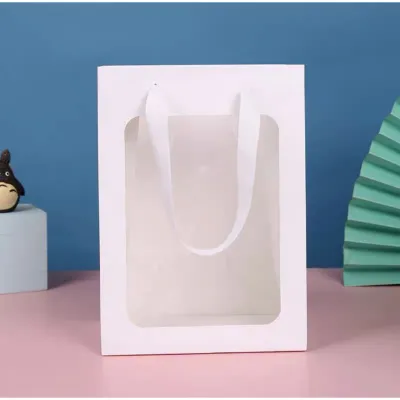
Prices are valid at publication and may change. Please refer to the product page for the latest price.
Once you have the exact measurements of the item, do not search for a bag with those identical dimensions. You must add a safety allowance to ensure the gift slides in and out easily without scraping the sides. For small, lightweight items, add at least 2 centimeters of clearance to the length and width, and 3 to 5 centimeters to the height. If you plan to wrap the item in protective bubble wrap, tissue paper, or decorative shredded paper, increase this allowance to 5 centimeters on all sides to accommodate the extra volume.
Pay close attention to the bag’s side and bottom gussets, which are the folded paper panels that expand when the bag is opened. A generous bottom gusset is essential for items that must remain flat, such as gourmet food containers, baked goods, or wide gift boxes. When browsing options in local stationery shops or on online marketplaces, verify whether the listed dimensions represent the bag’s flat state or its fully expanded volume. A bag measured flat will lose a significant portion of its height and width once the gussets open up to accommodate a three-dimensional object.
Select Paper Weight and Handles to Support the Gift Safely
The structural integrity of a paper bag depends heavily on its paper weight, which is measured in grams per square meter (GSM). Standard, lightweight paper bags typically range from 80 to 120 GSM. These are highly suitable for light items such as clothing, scarves, stationery sets, or small plush toys. However, if you are gifting heavier items like hardcover books, ceramic mugs, or glass jars of local preserves, you will need a sturdier bag made from heavy kraft paper or cardstock, ranging from 150 to 250 GSM. Thicker paper resists creasing and prevents the sharp corners of boxes from puncturing the sides.

The style of the handle also dictates how much weight the bag can safely carry. Twisted paper handles, made by tightly spinning kraft paper, are surprisingly strong and offer excellent rigidity for medium-weight gifts. Flat paper handles, which are folded and glued to the inside of the bag, are more economical but can dig into the recipient’s hands if the bag is heavy. For a premium feel, ribbon, cotton rope, or synthetic cord handles provide a soft, comfortable grip and are ideal for delicate or high-end gifts. If you choose a bag with die-cut handles—where the handle is a slot cut directly into the paper—remember that you cannot fill the bag all the way to the top, as you must leave space for the recipient’s hand to pass through the opening.
Before placing a heavy or fragile item inside, inspect the bag’s base reinforcement and glue lines. High-quality gift bags feature a thick cardboard insert glued to the bottom panel, which distributes weight evenly and prevents the base from sagging. Examine the seams along the bottom and sides; the glue should be applied evenly without dry patches or lifting edges. In warm, humid tropical climates, low-grade adhesives can soften or become brittle over time, so verifying a secure, continuous bond is a crucial step to prevent the bottom of the bag from giving way during transport.
Match the Bag Aesthetics and Finish to the Occasion
The visual style of your paper bag sets the initial expectation for the gift inside. For casual celebrations like birthdays, baby showers, or family reunions, vibrant colors, playful patterns, and whimsical illustrations add to the festive atmosphere. For formal occasions such as weddings, corporate events, or professional milestones, opt for solid, muted tones like navy blue, deep emerald, charcoal, or classic white. A minimalist design often conveys a sense of sophistication and respect that aligns well with professional settings.
The finish of the paper also plays a significant role in the overall presentation. Matte finishes offer an understated, modern elegance and are highly resistant to showing fingerprints or smudges during handling. Glossy finishes are bright and reflective, making colors pop, though they are more susceptible to visible scratches and creases. Natural, uncoated kraft paper provides a rustic, organic aesthetic that is highly versatile; it can be dressed up with colorful ribbons or kept simple for a minimalist, eco-friendly look. Textured papers, such as those with embossed linen or ribbed patterns, add a tactile quality that immediately elevates the perceived value of the gift.
To create a cohesive presentation, coordinate the exterior of the bag with the internal wrapping elements. If your paper bag features a busy, colorful pattern, use solid-colored tissue paper inside to avoid visual clutter. Conversely, if you are using a plain kraft or solid-colored bag, you can introduce a burst of color or a fun pattern with the tissue paper. Adding a matching gift tag tied neatly to the handle allows you to write a personal message while serving as an extra decorative element that ties the entire presentation together.
Evaluate Eco-Friendly and Reusable Paper Options
For environmentally conscious gifting, selecting sustainable paper bags is an excellent way to reduce waste without sacrificing style. Look for bags made from recycled post-consumer waste or those certified by recognized forestry conservation organizations. Uncoated, natural kraft paper is one of the most eco-friendly choices available, as it is highly biodegradable, easily recyclable, and requires fewer chemical treatments during manufacturing than bleached white paper.
To ensure the bag can be reused by the recipient, prioritize structural durability. A bag made from thick, high-GSM paper with reinforced handles is much more likely to survive multiple trips than a flimsy, single-use alternative. Encourage reuse by choosing neutral designs or timeless patterns that are not tied to a specific date or highly niche event, making it easy for the recipient to pass the bag along for a future occasion.
When evaluating eco-friendly options, check the types of inks and coatings used. Many modern gift bags are printed with water-based or soy-based inks, which are far less toxic to the environment than traditional petroleum-based inks. Avoid bags with heavy plastic lamination, metallic foil stamping, or glitter, as these decorative elements cannot be easily separated from the paper fibers during the recycling process, rendering the entire bag non-recyclable.
Common Sizing and Styling Mistakes to Avoid
One of the most frequent mistakes when choosing a paper bag is ignoring the bottom gusset. If you select a bag based only on its flat width and height, a thick or boxy gift will force the sides outward, causing the bag to warp, tilt, or fail to stand upright on a display table. Always ensure the bottom gusset is wide enough to accommodate the base of your gift box comfortably.
Another common error is overloading lightweight bags with heavy items. Placing heavy books, ceramic mugs, or glass bottles into a thin, unreinforced paper bag risks sudden handle failure or a ruptured bottom seam. If your gift is heavy, always opt for a bag with a reinforced cardboard base and sturdy twisted paper or rope handles, and test the weight capacity gently before handing it over.
Additionally, avoid clashing designs that overwhelm the recipient’s eyes. Pairing a highly patterned bag with contrasting, brightly patterned tissue paper and a busy gift tag creates visual confusion. Keep the presentation balanced by pairing patterned bags with solid accents, or solid bags with patterned accents. Finally, remember to leave enough vertical space at the top of the bag; stuffing a bag so full that the tissue paper is crushed or the handles cannot be held comfortably ruins the overall aesthetic.
Frequently Asked Questions (FAQ)
How do I keep a paper gift bag standing upright while packing?
To keep a paper gift bag stable while packing, gently open the bag and press down on the bottom panel to fully extend the bottom gusset. Run your fingers along the interior base creases to ensure the cardboard reinforcement lies completely flat. If the bag still tends to fold inward, you can temporarily place a clean, heavy object, like a small paperweight or a roll of tape, inside to hold it open while you arrange your tissue paper and gift. Once the gift is positioned securely at the center of the base, remove the temporary weight.
Can I reuse a paper gift bag, and how should I store it?
Yes, high-quality paper gift bags can easily be reused if they are kept in good condition. Before storing a bag, inspect it for deep creases, torn handles, weakened bottom seams, or grease stains. If the bag is structurally sound, fold it carefully along its original crease lines to return it to its flat state. Store your flat bags in a cool, dry place, such as a dedicated drawer or a plastic storage bin, to protect them from dust, direct sunlight, and tropical humidity, which can warp the paper and degrade the adhesives over time.

Community discussion
Share your experience or ask a question. Comments are reviewed before publication.