
Selecting the right craft materials for an elementary art class requires balancing creativity with practical classroom management. Pipe cleaner flower sets offer a tactile, engaging way for young students to explore color, shape, and structural design without the mess of wet media. However, not all chenille stem kits are created equal. This guide helps educators and parents evaluate available options based on safety standards, ease of use, and classroom practicality, ensuring you choose a set that supports your lesson plans while keeping students safe and engaged.
In tropical classrooms where high humidity can affect paper and glue, chenille stems offer a highly tactile, mess-free alternative for teaching three-dimensional design. The ideal set features densely packed plush fibers that completely cover the inner wire, uses non-toxic dyes that do not bleed when handled by warm hands, and matches the fine motor skills of young learners. By evaluating these physical characteristics and planning practical classroom distribution routines, teachers can ensure a safe, engaging, and budget-friendly crafting experience.
Essential Safety and Material Checks for Art Supplies
Art supplies in elementary classrooms must meet strict safety standards to protect young learners. When purchasing a pipe cleaner flower set, the first step is verifying the safety labels on the packaging. Look for clear indications of non-toxic formulations, such as standard safety certifications or explicit manufacturer declarations that the materials are safe for children. Avoid unlabelled bulk packs that lack clear origin or safety information, as these may contain low-grade dyes or industrial residues that are unsuitable for school environments.
Products mentioned in this guide
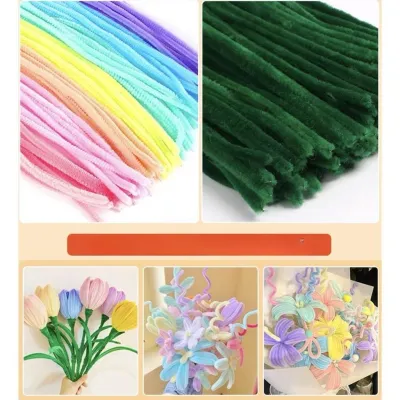
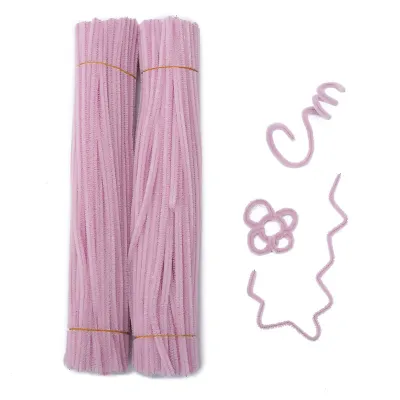
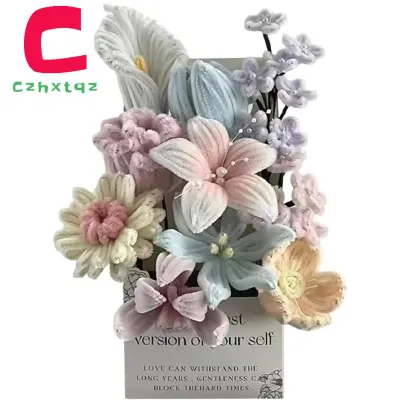
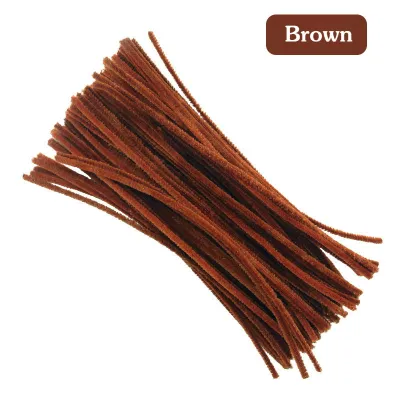
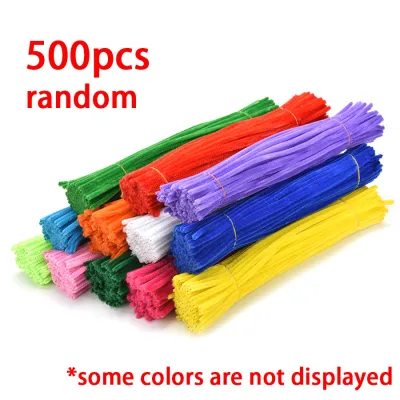
Prices are valid at publication and may change. Please refer to the product page for the latest price.
The physical construction of the chenille stem is a primary safety concern. A high-quality pipe cleaner features a dense, plush pile of polyester or nylon fibers that completely encloses the central wire. If the pile is sparse, the sharp metal core will easily poke through, risking scratches or puncture wounds to small hands. Before purchasing, inspect the ends of the stems; the wire should be cleanly cut and tucked, or the set should include protective caps if the stems are meant to be used as sharp structural supports.
Colorfastness is particularly critical in tropical climates, where high humidity and warm classroom temperatures lead to sweaty palms. Low-quality dyes can easily transfer from the damp fibers onto students’ skin, school uniforms, and wooden desks. This not only creates a messy cleanup but can also cause skin irritation for sensitive children. Teachers should look for sets that specify colorfast or bleed-resistant fibers to prevent staining during active crafting sessions.
Evaluating Ease of Use for Elementary Fine Motor Skills
The physical properties of the wire core determine how easily young students can manipulate the material. For elementary art classes, the wire must strike a balance between flexibility and structural memory. It should bend easily under the gentle pressure of developing fingers without requiring excessive force, yet it must hold its shape once bent. If the wire is too stiff, younger students will struggle to form smooth petal curves; if it is too soft, the completed flowers will droop and fail to stand upright in a display vase.

Evaluate whether the pipe cleaner flower set is a raw material kit or a pre-designed project set. Raw material sets consist of standard 30-centimeter stems that students must cut and shape from scratch. While this offers maximum creative freedom, it requires the use of scissors and precise measurements. For younger elementary grades, look for sets that feature pre-cut stems, pre-punched felt leaves, or slide-on plastic flower bases. These components allow children to assemble beautiful floral designs through simple threading and twisting, eliminating the need for sharp tools.
Children learning fine motor skills rarely get their designs right on the first try. They will bend, unbend, twist, and untwist the stems multiple times as they adjust their flower petals. High-quality pipe cleaners are resilient enough to withstand this repeated manipulation. The fibers should remain locked into the wire core rather than shedding excessively when twisted, and the inner wire must resist snapping after being bent back and forth several times. Choosing durable stems reduces material waste and prevents student frustration.
Building a Practical Shortlist and Budget for Your Class
To build a practical shopping list, teachers must calculate the exact volume of materials needed for their specific lesson plans. A standard pipe cleaner flower, such as a tulip or a daisy, typically requires five to six stems for the petals, one thick stem for the main stalk, and one or two green stems for the leaves. If a classroom has 40 students, a single flower project will require approximately 280 to 360 individual stems. It is always wise to add a 15 percent buffer to account for mistakes, practice runs, and structural reinforcements.
When sourcing materials in the local market, compare the cost-effectiveness of bulk packs against individual, pre-packaged kits. Bulk packs of 100 to 500 multi-colored chenille stems are highly economical, often costing only a few centavos per stem, allowing teachers to stretch a limited classroom budget. However, these require the teacher to manually sort and distribute the colors. Individual flower kits, which contain the exact number of stems, pre-cut leaves, and step-by-step instructions for a single flower, are more expensive per unit but save valuable preparation time and ensure zero material waste.
When browsing online marketplaces or local stationery suppliers, carefully cross-reference product descriptions with the actual package specifications. Some listings may advertise “complete, tool-free” flower kits, but a closer look at the user reviews or instruction sheets might reveal that hot glue or specialized craft adhesives are required to secure the flower heads to the stems. For an elementary classroom, look for sets that rely entirely on mechanical twisting or standard, non-toxic school glue that is safe for children and easy to clean up.
Safe Distribution and Storage Routines for the Classroom
Implementing safe classroom routines begins before the lesson starts. Teachers should conduct a quick visual and tactile inspection of the pipe cleaners during prep time. Run a hand over the bundles to identify any stray, sharp wire ends that may have escaped the plush covering during manufacturing. Any defective stems with exposed metal tips should be set aside or trimmed with wire cutters before they reach the students’ desks.
Before handing out the materials, establish clear, simple rules for handling chenille stems. Instruct students that the stems are strictly for building their flower models and must never be pointed near their eyes, poked at classmates, or chewed on. Since the wire core can be bent into sharp points, emphasize that the stems should not be whipped around or thrown. Keeping a designated scrap bin on each table group helps collect small wire clippings immediately, keeping the workspace clean and safe.
Proper storage is essential for preserving leftover craft supplies in tropical climates. High humidity can cause the iron wire core inside cheap pipe cleaners to rust, which weakens the stems and stains the plush fibers. Additionally, damp fibers can become a breeding ground for mold and mildew. Store leftover stems by color in airtight plastic storage boxes or heavy-duty zip-top bags. Adding a few food-grade silica gel desiccant packets to the storage containers will absorb excess moisture and keep the materials fresh, colorful, and ready for the next art project.
Frequently Asked Questions (FAQ)
Are pipe cleaners safe for lower elementary students?
Yes, but they require close supervision and careful product selection. For lower elementary students, choose extra-thick stems with highly dense plush to minimize contact with the wire core. Avoid kits with tiny plastic beads or small decorative eyes that present choking hazards. Always check the manufacturer’s age recommendations on the packaging and ensure an adult is present to assist with any cutting or wire-bending tasks.
How do I prevent pipe cleaner colors from bleeding?
To prevent dye transfer, conduct a quick spot test before the lesson by pressing a damp white cloth or paper towel against a sample stem. If color transfers, advise students to keep their hands dry and avoid using liquid school glue directly on the dyed fibers; double-sided tape or dry glue sticks are safer alternatives. Protect classroom desks by covering them with old newspapers, plastic placemats, or reusable craft mats, and have students wash their hands with soap and water immediately after the activity.

Community discussion
Share your experience or ask a question. Comments are reviewed before publication.