
Choosing the right pita wrap ribbon requires balancing the visual style of your gift with the physical properties of the ribbon material. In warm, humid tropical climates, factors like moisture absorption, knot slippage, and structural hold become critical to keeping your gift looking pristine. By matching the weight, texture, and edge style of your ribbon to the specific gift box, you can ensure your presentation remains secure and elegant from the moment of wrapping to the final exchange.
Understanding Core Ribbon Materials for Gift Wrapping
Satin ribbons are celebrated for their high sheen, silky texture, and elegant drape. They are highly reflective, making them a popular choice for luxury gifts, weddings, and formal occasions. However, satin is inherently slippery, which can make tight knotting difficult. Single-faced satin has a smooth finish on only one side, while double-faced satin features the same glossy texture on both sides, offering greater versatility when twisting and tying bows.
Organza ribbons provide a sheer, lightweight, and airy appearance. Made from tightly twisted fibers, organza has a subtle shimmer and a stiff drape that allows it to hold its shape well, especially when reinforced with wired edges. While beautiful for delicate or layered designs, unwired organza can easily snag on rough surfaces and may slide out of place if not secured tightly.
Products mentioned in this guide
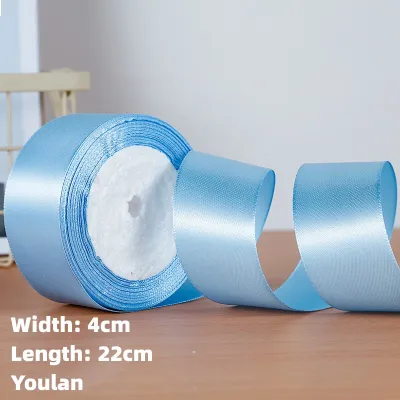
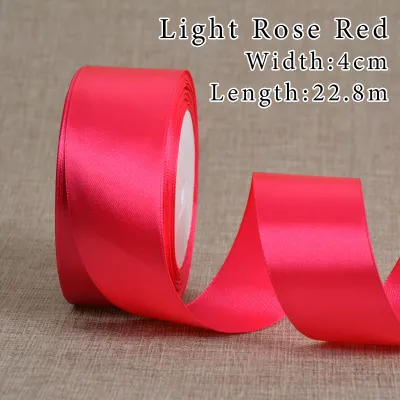
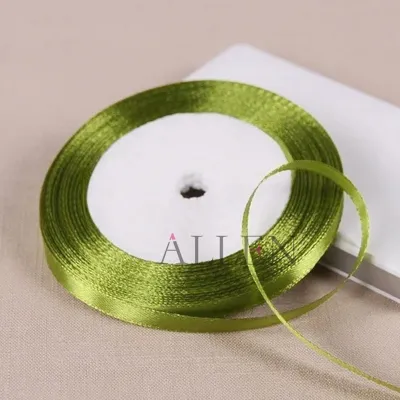
Prices are valid at publication and may change. Please refer to the product page for the latest price.
Grosgrain ribbons feature a distinctive ribbed texture and a matte finish. This ribbed structure provides excellent friction, making grosgrain a highly reliable option for secure knot retention. It is highly durable, resists fraying better than satin, and maintains its shape under tension. This makes it ideal for heavy packages, daily stationery needs, and rustic or modern gift presentations.
When sourcing pita wrap ribbons, always check the manufacturer labels for material composition and edge construction. Synthetic fibers like polyester and nylon offer excellent resistance to humidity and moisture compared to natural cotton or silk. Additionally, look for woven edges, which prevent the sides from fraying. Wired edges contain a thin, flexible wire along the borders, allowing you to sculpt dramatic, voluminous bows that hold their shape during transport. Unwired edges drape more naturally but require precise tying to maintain structure.
Matching Ribbon Types to Specific Gift Categories
Selecting the right ribbon involves evaluating the weight, shape, and surface texture of your gift package. A heavy cardboard box or a large hamper requires a robust ribbon like wide grosgrain or wired satin to balance the visual weight and provide structural support. Conversely, delicate items, such as jewelry boxes or small perfume bottles, pair best with narrow, lightweight ribbons like organza or single-faced satin that will not overwhelm the packaging.

The surface finish of your wrapping paper dictates how well a ribbon will stay in place. Glossy, laminated, or metallic wrapping papers have very low surface friction, causing smooth satin ribbons to slip and slide easily. For these slippery surfaces, choosing a textured grosgrain ribbon or a wired ribbon provides the necessary grip to keep the wrap secure. Matte, textured, or kraft papers offer more natural friction, allowing you to use satin or organza with minimal slippage.
Consider this general framework when planning your gift wrapping projects:
- Delicate & Small Gifts: Use 6mm to 15mm unwired satin or organza. This keeps the presentation delicate and proportional.
- Heavy Boxes & Hampers: Use 38mm to 50mm wired satin or heavy grosgrain. The wire helps support the weight of larger bows, while grosgrain ensures the knot does not slip under tension.
- Floral & Plant Arrangements: Use water-resistant synthetic polyester ribbons. Avoid cotton or delicate silk that can absorb moisture and wilt.
- Corporate & Professional Gifts: Use double-faced satin or high-density grosgrain in solid, neutral, or brand-aligned colors for a clean, polished look.
Structural integrity of the box itself is another key factor. Soft, flexible gift boxes or thin paper bags can crush easily if you apply too much tension when tying the ribbon. For these delicate containers, lightweight organza or soft, unwired satin is preferred, as they require less tension to look neat. Rigid, heavy-duty gift boxes can withstand the high tension required to pull thick grosgrain or wired ribbons taut.
Practical Techniques for Tying and Securing Pita Wrap Ribbons
Achieving a professional finish starts with accurate measurement. To determine the correct length of ribbon for a standard cross-wrap, wrap the ribbon loosely around the length and width of the box once, then add approximately 60 centimeters to account for tying the bow. Cutting too short leads to tight, strained knots that can warp the box, while cutting too long results in wasted material and droopy loops.
When cutting your ribbon, always use sharp fabric shears rather than standard household scissors. Dull blades crush the fibers instead of slicing them, leading to immediate fraying. Cut the ribbon ends at a clean 45-degree angle or a classic V-shape to minimize fraying and create a polished, professional look.
Slippery materials like double-faced satin often require extra assistance to stay secure. To prevent the ribbon from sliding while you tie the bow, apply a small piece of double-sided craft tape to the underside of the ribbon where it crosses at the bottom and top of the box. Alternatively, you can tie a secure surgeon’s knot—which involves wrapping the working end of the ribbon through the loop twice instead of once—to lock the tension in place before forming your bow loops.
Monitor the condition of your ribbon as you work. If you notice the edges beginning to fray, or if the fabric develops permanent, sharp creases from a misplaced knot, it is best to stop and make a fresh cut. Reusing heavily creased or frayed sections compromises the neatness of the final presentation.
Frequently Asked Questions (FAQ)
Can I reuse pita wrap ribbons after untying them?
Yes, many high-quality pita wrap ribbons can be reused if they are handled carefully. Before saving a ribbon, inspect it for structural damage. Grosgrain and high-density polyester satin are highly resilient and often survive untying with minimal wear. Organza, however, is prone to permanent snags and structural distortion, making it harder to reuse.
To restore wrinkled, unwired ribbons, check the manufacturer’s label for heat tolerance. Most polyester ribbons can be gently pressed using a household iron on its lowest synthetic setting. Always place a thin cotton cloth or pressing sheet between the iron and the ribbon to prevent melting or scorching. Do not attempt to iron wired ribbons, as the heat can damage the edge adhesive or warp the internal wire.
Discard any ribbons that show signs of permanent staining, severe fraying along the edges, or broken wires. If a wired ribbon has bent wires that cannot be smoothed out by hand, it will no longer hold a clean shape and should be replaced.
What width of pita wrap ribbon should I use for standard gift boxes?
The ideal ribbon width depends on the proportions of your gift box. For small jewelry boxes under 10 centimeters in length, a narrow ribbon of 6mm to 10mm keeps the presentation delicate. For medium-sized boxes, such as shoe boxes or standard book wraps, a width of 25mm to 38mm is highly versatile and visually balanced. Large hampers, appliance boxes, or oversized gift sets look best with wide ribbons of 50mm or more.
Always check the clearance of the box lid before finalizing your ribbon choice. Thick, heavy-duty ribbons or bulky wired bows tied directly under a lid can prevent the box from closing flush, which may expose the contents or ruin the clean lines of the packaging.
If you do not have a wide ribbon on hand, you can layer multiple narrow ribbons of different textures or colors. For example, placing a narrow organza ribbon directly over a slightly wider satin ribbon creates a beautiful, customized dimensional effect that adds depth to your gift presentation.

Community discussion
Share your experience or ask a question. Comments are reviewed before publication.