
Choosing the right play-doh clay toys set for your child requires balancing the age recommendation on the box with your child’s actual physical coordination, attention span, and play style. While these colorful modeling compounds are a staple of childhood creativity, a set that is too complex can lead to immediate frustration, while one that is too simple may fail to capture an older child’s imagination. By matching the specific features of a set to your child’s developmental milestones, you can ensure hours of engaging, educational, and safe play.
To make an informed choice, parents must look beyond the bright packaging and evaluate how a child will interact with the tools, molds, and modeling compound. The ideal set acts as a bridge between their current fine motor skills and their growing imagination, offering just enough challenge to keep them interested without causing unnecessary struggle.
Assess Your Child's Developmental Stage and Play Style
Before browsing the toy aisles or online marketplaces, observe how your child interacts with everyday objects. Fine motor skills develop at different rates, and these physical milestones are the most reliable indicator of which toy modeling clay set will be successful. Look for signs of hand strength, such as the ability to squeeze a plastic spray bottle, tear paper, or twist open large container lids. The emergence of a strong pincer grasp—using the thumb and index finger to pick up small objects—is a clear sign that a child is ready for more detailed clay work.
Products mentioned in this guide
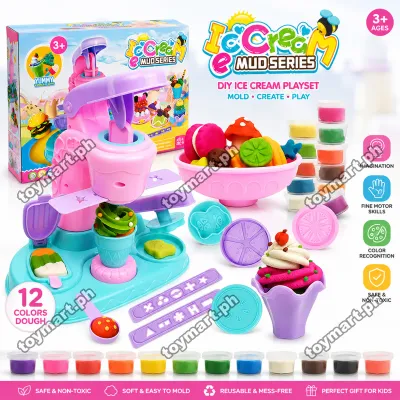
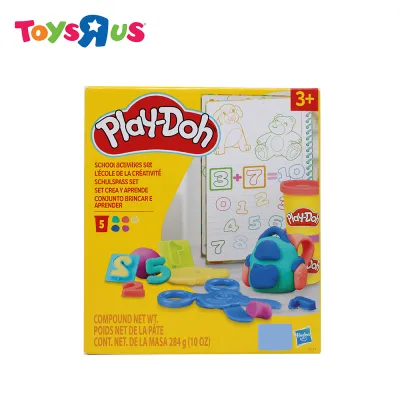
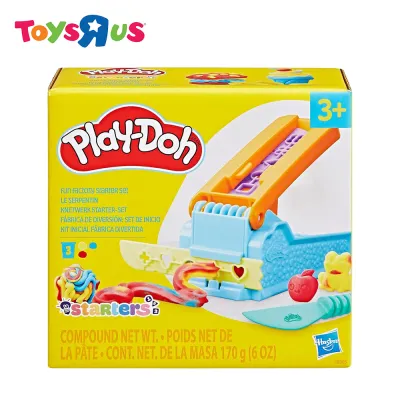
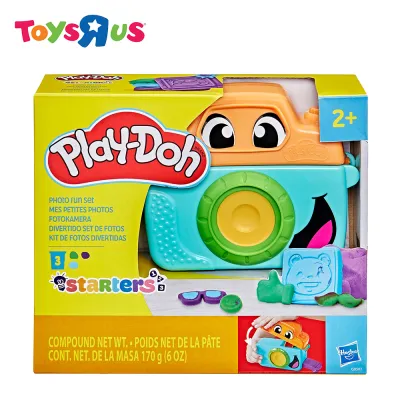
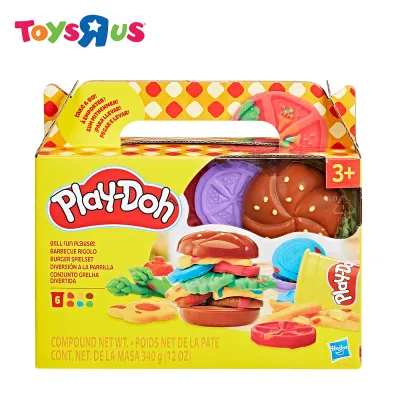
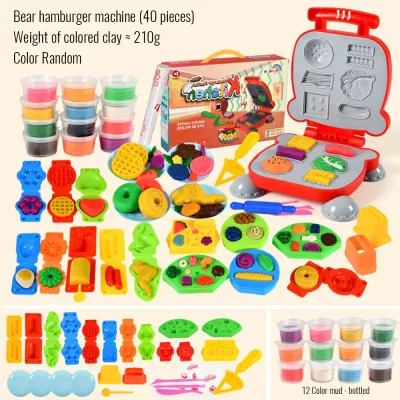
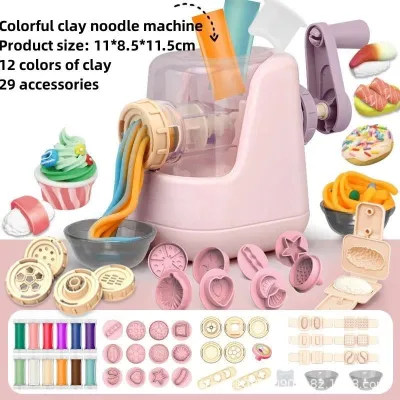
Prices are valid at publication and may change. Please refer to the product page for the latest price.
Play styles generally fall into two distinct categories: sensory-driven exploration and structured, imaginative play. Sensory-driven children find immense satisfaction in the physical properties of the clay itself. They enjoy squishing, poking, tearing, and rolling the compound into simple spheres or flat pancakes. For these children, the process of handling the material is the play. Conversely, children who favor structured play want to create recognizable objects, build scenes, and engage in narrative role-playing. They want to make a miniature grocery store, cook a toy feast, or construct a family of clay animals.
Frustration tolerance and attention span are equally critical when selecting a set. A child who easily becomes discouraged when a delicate structure collapses will benefit from simple, sturdy molds and thick, open-ended tools. On the other hand, a child who can sit quietly for thirty minutes focusing on a single task is ready for multi-step kits that require assembly, patience, and precision.
You can easily gauge your child’s current skill baseline by watching them use basic household items. Give them a plastic spoon, a blunt dough scraper, or some cookie cutters, and see how they manipulate these tools with simple dough. If they struggle to apply even downward pressure on a cookie cutter, they are not yet ready for complex mechanical extruders that require significant hand strength and coordination.
Matching Play-Doh Sets to Age Groups and Skill Levels
To help narrow down the vast array of options, modeling clay sets can be categorized by target age groups. Each group corresponds to specific physical abilities and cognitive stages, ensuring the tools and clay volumes match your child’s needs.

Toddlers (Ages 2 to 3): Sensory Exploration and Basic Motor Skills
For toddlers, play is an entirely tactile experience. At this stage, children are developing basic motor skills and hand-eye coordination. The best sets for this age group focus on simple, large, and easy-to-grip tools. Look for chunky stampers, wide rolling pins, and simple plastic cutters that fit comfortably in a toddler’s palm. These tools allow them to practice the basic actions of pressing, rolling, and cutting without requiring precise finger control.
Safety is the absolute priority for toddlers, who are still prone to putting toys in their mouths. Avoid any sets that include small, detachable accessories, thin plastic knives, or intricate decorative pieces that could present a choking hazard. Instead, prioritize sets that feature large, solid plastic components with rounded edges and no moving parts.
Open-ended sets with larger tubs of primary-colored clay are ideal for this age. Toddlers do not need complex themes or specific molds to enjoy themselves; they are perfectly content with unrestricted squeezing and basic shape recognition. Providing large quantities of clay encourages them to use their whole hands to knead and roll, which builds the foundational hand strength required for writing and drawing later in life.
Preschoolers (Ages 3 to 5): Imaginative Play and Tool Mastery
Preschoolers are rapidly developing their hand strength, coordination, and imaginative capacities. This is the age where themed sets become highly appealing. Children in this bracket love to mimic adult activities, making sets themed around cooking, baking, dental care, or animal grooming incredibly popular. These kits introduce simple manual extruders, dual-sided molds, and themed accessories that require moderate hand pressure to operate.
At this stage, children begin to practice following visual instructions. They can look at the pictures on the packaging and attempt to recreate the featured items, such as a toy pizza or a colorful haircut. This process teaches them spatial awareness and multi-step planning. The tools should offer a slight challenge, such as scissors designed specifically for modeling clay, which help build bilateral coordination as they hold the clay with one hand and cut with the other.
When choosing a set for a preschooler, pay close attention to the balance between the clay volume and the number of plastic accessories. A set with fifteen different plastic molds but only two tiny tubs of clay will quickly lead to frustration. Ensure the kit contains enough material for the child to actually build the scenes depicted on the box, allowing their imaginative stories to unfold without running out of compound.
Early School Age (Ages 6 and Up): Complex Creations and Thematic Projects
Older children possess the fine motor control and patience necessary for intricate, highly detailed modeling projects. Sets designed for this age group often feature complex, multi-part assembly tools, detailed architectural molds, and specialized mechanical accessories like gears, crank-operated extruders, or spinning display stands. These elements allow children to build structured, three-dimensional scenes that require careful alignment and steady hands.
For school-aged children, look for bulk sets or specialized kits that provide a wide variety of colors, including glitter, metallic, or multi-toned compounds. These older kids are often interested in creating realistic details, such as textured fur on an animal or delicate frosting on a toy cake. They are also capable of understanding basic color theory and will enjoy mixing different shades of clay to create custom colors for their projects.
These advanced sets also offer excellent opportunities to introduce basic engineering and artistic concepts. Children can learn how gears work to extrude different shapes, how structural balance keeps a tall clay tower standing, and how to plan a multi-part project from start to finish. These sets are also highly suited for collaborative play with siblings or school friends, encouraging communication, sharing, and cooperative storytelling.
Key Features to Check Before Buying a Play-Doh Set
Before finalizing your purchase at a local toy store or through an online marketplace, run through a practical checklist to ensure the set offers safety, longevity, and genuine play value.
- Manufacturer Age Recommendations: Always check the printed age grade on the packaging. The "3+" warning is particularly important, as it indicates the presence of small parts that pose a choking hazard for younger children. Do not ignore these guidelines, even if you believe your younger child is highly advanced.
- Clay-to-Accessory Ratio: Evaluate the total volume of modeling compound included in the set. Many themed kits look large on the shelf but contain mostly plastic structures and very few ounces of clay. Look for sets that include a generous number of standard-sized tubs (typically 3 ounces or 84 grams each) rather than miniature 1-ounce tubs, so your child has enough material to play freely.
- Storage and Cleanup Solutions: Modeling clay is highly sensitive to environmental conditions. In humid tropical climates like the Philippines, clay left in the open can become sticky, while dry air can turn it into stone. Look for sets that include airtight storage tubs or built-in storage compartments within the main play set. Sets that come with a dedicated vinyl playmat are also highly recommended, as they protect your tables and make gathering stray crumbs much easier.
- Refill Compatibility: Plastic tools and molds can last for years, but the modeling compound itself will eventually dry out or become mixed into a single brown clump. Before buying a set with unique mechanical parts, verify that the chambers and extruders are compatible with standard-sized replacement tubs. This ensures that you can easily refresh the set with basic refill packs, keeping the plastic tools useful for the long term.
- Tool Durability: Inspect the quality of the plastic tools. Avoid sets with thin, brittle plastic parts that can easily snap under the heavy pressure required to push clay through an extruder. Look for thick, high-quality molded plastic that can withstand enthusiastic play.
Safety and Maintenance Tips for Play-Doh Playtime
To ensure your child’s modeling clay experience remains safe and enjoyable, establish a few basic rules for play, cleanups, and storage.
Active adult supervision is essential, especially for toddlers who are still exploring toys with their senses. Before opening a new set, read the ingredient label carefully. Standard modeling compounds are formulated to be non-toxic, but they do contain wheat flour, which means they are not safe for children with celiac disease or severe gluten allergies. Always check the packaging for official non-toxic certifications and allergen warnings. If your child has a known wheat allergy, consult your pediatrician or seek out alternative gluten-free modeling compounds.
Preventing the clay from drying out is the best way to extend its lifespan. In the warm, tropical climate of the Philippines, moisture can evaporate quickly if the compound is left uncovered during long play sessions. Instruct your child to return the clay to its tub and snap the lid tightly shut as soon as they are finished with a specific color. Store all tubs in a cool, dry place away from direct sunlight, windows, or air conditioning vents, which can accelerate the drying process.
When cleanup time arrives, do not rush to wash wet clay out of fabrics or carpets. Attempting to scrub wet modeling compound will only smear the pigment deeper into the fibers. Instead, allow the stray pieces to dry completely. Once the clay is hard and crumbly, use a stiff brush to loosen it from the carpet or clothing fibers, then vacuum up the debris. For any remaining color stains on washable fabrics, wash the item by hand using mild soap and cool water. Always check the manufacturer’s care instructions for your carpets or delicate fabrics before applying any cleaning solutions.
Frequently Asked Questions (FAQ)
Is Play-Doh safe if my toddler accidentally tastes it?
Standard modeling compounds are formulated with non-toxic ingredients and are generally safe if a child accidentally ingests a tiny amount. However, they are not food products and contain high levels of salt, which makes them taste unpleasant to discourage consumption. Always check the product packaging for specific allergen warnings, as the compound contains wheat and gluten. If a child with a known wheat allergy or celiac disease ingests the compound, consult your pediatrician immediately.
How do I revive dried-out Play-Doh from an older set?
If the modeling compound has only recently started to dry out and lose its elasticity, you can often restore it using a simple, low-risk hydration method. Add a few drops of clean water to the clay and knead it thoroughly to distribute the moisture. Alternatively, wrap the dry clay in a damp paper towel, place it back inside its airtight tub, and let it sit overnight. If the clay has become completely hard, brittle, crumbly, or shows any signs of mold, it cannot be safely restored and should be discarded.

Community discussion
Share your experience or ask a question. Comments are reviewed before publication.