
Quick Guide to Matching Play-Doh Sets to Your Child
Selecting the right modeling compound set for a young boy involves balancing his current physical capabilities with his imaginative interests. When a toy matches a child’s developmental stage, it fosters independence, concentration, and creative confidence. Conversely, a set that is too complex can lead to frustration, while one that is too simple may be quickly cast aside.
To find the ideal match, parents should look at a simple three-part decision matrix: the child’s age, his specific thematic interests, and his preferred play style. Some children love the physical sensation of squeezing and extruding long shapes, while others prefer the precision of stamping and molding detailed figures. By focusing on how a child naturally uses his hands, you can select a set that keeps him engaged for hours.
The goal is not necessarily to buy the largest or most complex kit available. Instead, the most successful toy is one that allows a child to master new fine motor skills at his own pace, providing just enough challenge to keep him curious without causing unnecessary struggle.
Products mentioned in this guide
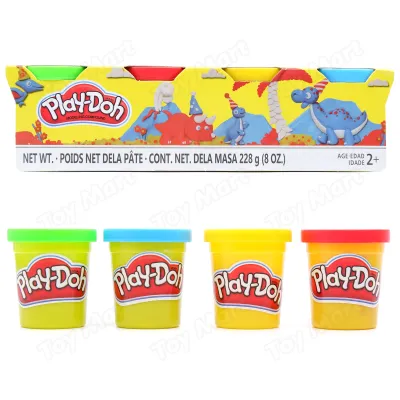
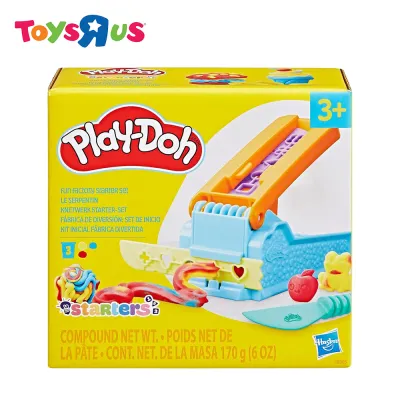
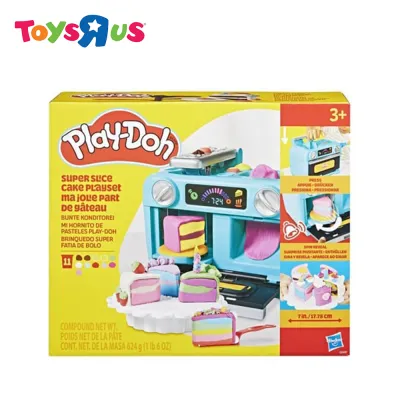
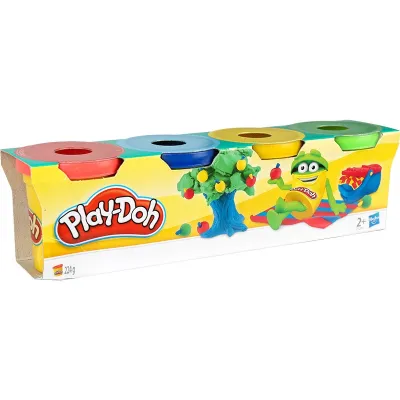
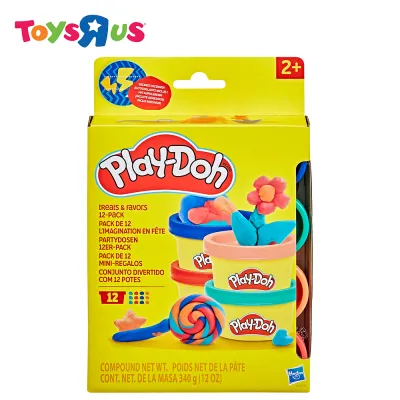
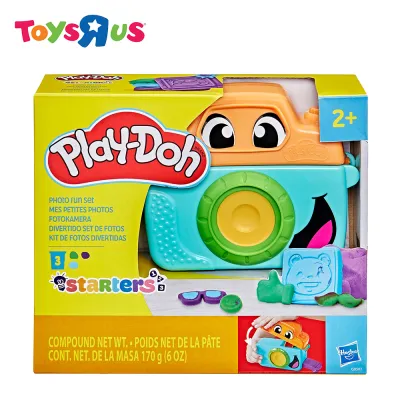
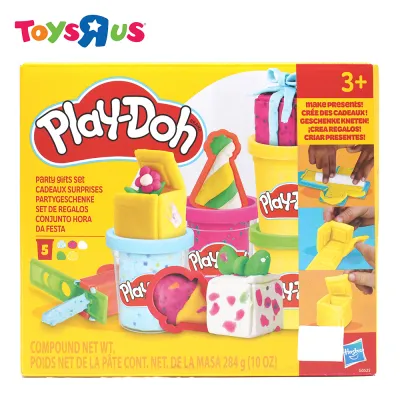
Prices are valid at publication and may change. Please refer to the product page for the latest price.
Matching Play-Doh Themes to Common Interests
Children often engage more deeply with creative play when the theme connects directly to their existing passions. For boys who are already fascinated by machines, prehistoric creatures, or daily-life roles, themed modeling sets act as a bridge between physical manipulation and imaginative storytelling.

Vehicles and Transportation Many young boys are drawn to things that move, roll, and spin. Sets that feature cars, trains, or airplanes often include specialized extruders designed to squeeze out flat strips of clay that look like roads, highways, or train tracks. These kits allow children to create their own transit networks directly on a play table.
The play pattern here is highly dynamic. Instead of just sitting and molding, the child can roll plastic vehicles over the clay tracks, leaving tire tread impressions in the soft compound. This combination of structural creation and active vehicle play makes transportation-themed sets excellent for keeping high-energy kids focused.
Construction and Tools For children who love to build and deconstruct, construction-themed sets offer a highly satisfying sensory experience. These kits frequently include tools modeled after real-world machinery, such as toy gravel grinders, cement mixers, and brick presses.
Children can feed the modeling compound into a toy grinder to produce textured “rubble” or press it into molds to create individual building blocks. This play style appeals directly to the desire to assemble structures and then, inevitably, knock them down to start over. It teaches basic spatial awareness and the concept of cause and effect as kids learn how much pressure is needed to mold a solid brick.
Dinosaurs and Creatures Prehistoric themes tap into a sense of wonder and adventure. Dinosaur-themed sets usually focus on stamping fossil patterns, molding skeletal structures, or extruding colorful clay to represent spikes, scales, and teeth.
These sets often feature large dinosaur figures with hollow cavities. When a child fills the cavity with compound and presses down, the clay oozes out of holes to form a colorful mane or long, soft teeth. This tactile feedback is highly engaging for children who enjoy creature-based storytelling and fantasy play.
Food and Role-Play Kitchen, grill, and sweet-treat sets are incredibly popular among boys who enjoy mimicking the adults around them. Whether they are pressing out pretend noodles, stamping out toy burger patties, or creating colorful mock desserts, these sets encourage social interaction.
In a household setting, these toys often lead to cooperative play. A child can “cook” a meal and serve it to parents or siblings, practicing sharing, communication, and basic manners. The repetitive actions of cutting, rolling, and serving also help refine hand-eye coordination in a highly structured, familiar context.
Choosing by Age and Developmental Stage
While interest determines what a child wants to build, his age and physical development dictate how he can build it. Selecting a set with the appropriate mechanical complexity ensures a safe, rewarding experience that matches his growing motor skills.
Toddlers (Ages 2–3) At this stage, play is primarily exploratory and sensory. Toddlers are still developing basic hand strength and bilateral coordination, meaning they use their entire hands to squeeze, pat, and pull the compound.
For these youngest creators, look for sets that feature large, chunky tools with rounded handles that fit easily into a toddler’s palm. Simple stampers, flat rolling pins, and basic plastic cutters are ideal because they require minimal force to operate. Avoid kits with intricate mechanisms, small detachable accessories, or tight extruders that require significant finger strength, as these can cause frustration and present potential choking hazards.
Preschoolers (Ages 4–5) Preschool-aged children are developing better control over their fingers and can perform more precise tasks. They are ready for sets that introduce basic mechanical actions, such as hand cranks, levers, and simple plunger-style extruders.
These tools require the child to use both hands in coordination—for example, holding the base of a toy steady with one hand while turning a crank with the other. This stage is also when children begin to understand multi-step processes, such as molding a shape first and then using a safety cutter to trim the edges. Sets with medium-sized molds and simple thematic accessories help build these cognitive and physical skills.
Early School Age (Ages 6+) By the age of six, children possess the fine motor control needed for highly detailed work. They can handle complex kits that require multi-part assembly, intricate molds, and delicate cutting tools.
Older boys often enjoy sets that allow them to create highly realistic details, such as textured surfaces, multi-colored layers, and precise geometric shapes. They are also more likely to integrate their clay creations with other toys, such as building bricks or action figures, to create elaborate play scenes. Look for kits that offer specialized sculpting tools, fine-tip extruders, and detailed character molds that challenge their focus and artistic expression.
Key Features to Check Before Buying
Before finalizing your purchase, it is helpful to evaluate the physical design and practical aspects of the set to ensure it offers long-term value and fits easily into your household routine.
Mold and Tool Durability Modeling tools undergo a lot of physical stress as children press, lean, and stomp on them to mold the clay. Inspect the quality of the plastic parts, looking for thick, sturdy construction and smooth edges.
Hinges, levers, and plunger shafts are the most common points of failure. Opt for sets with robust, reinforced joints that can withstand repetitive pressure without bending or snapping. High-quality plastic not only lasts longer but also releases the modeling compound more cleanly, reducing frustration during play.
Compound Requirements A highly detailed set is only as good as the amount of clay available to run it. Check the packaging to see how many cans of compound are included and note their sizes, as some sets only include small, half-sized cans.
If a set features large molds or high-volume extruders, like a toy cement mixer or a pasta maker, it will require a significant amount of compound to function properly. You may need to purchase additional standard-sized cans separately to ensure your child has enough material to fully enjoy the toy’s features.
Cleanup and Storage Keeping track of dozens of small plastic cutters, molds, and stampers can be a challenge. When choosing a set, consider how it will be stored when play-time is over.
Some kits feature built-in storage compartments, hollow bases, or dedicated pegboards to keep tools organized. If the set does not include a storage solution, plan to use a dedicated plastic bin with a secure lid. This is especially important in warm, humid climates like the Philippines, where dust and moisture can quickly collect on exposed toys.
Safety and Age Labels Always verify the manufacturer’s recommended age rating printed on the box. This rating is not just a guide for skill level; it is a critical safety indicator.
Sets rated for older children often contain small parts, sharp plastic cutters, or complex mechanisms that can pose a choking hazard or pinch hazard for younger siblings. Ensuring the set matches the safety needs of everyone in the household provides peace of mind during unsupervised creative sessions.
Building Your Shortlist: Scenario-Based Selection
To help narrow down your choices, consider how your child’s specific personality and play habits align with these common scenarios.
Scenario A (The Active Builder) If your child is constantly building towers out of blocks only to knock them down, or if he loves playing in the dirt with toy trucks, prioritize heavy-duty construction and tool sets. Look for kits that include rollers that leave tire tracks, brick-making molds, and sturdy plastic hammers or saws. These sets satisfy the desire for physical, high-impact play and allow him to incorporate his existing toy vehicles into the creative process.
Scenario B (The Detail-Oriented Creator) If your child enjoys drawing, coloring inside the lines, or organizing his toys by color and size, he will likely appreciate a set designed for detailed creation. Focus on kits that feature intricate molds, fine-tipped extruders, and multi-color blending tools. These sets allow him to spend time perfecting small details, creating realistic food items, or sculpting complex dinosaur figures with precise features.
Scenario C (The Beginner) If your child is new to modeling clay or occasionally struggles with fine motor tasks, start with a basic starter kit. Choose a set that focuses on simple geometric shape cutters, a basic rolling pin, and soft, fresh compound that is easy to manipulate. This approach allows him to build hand strength and confidence without being overwhelmed by complex mechanical tools or multi-step instructions.
Before making your final purchase, remember to verify the current stock, exact box contents, and pricing in Philippine Pesos (₱) on official brand flagship stores or authorized online marketplaces. Checking these details ensures you receive a genuine product with all the necessary parts and compound cans included.
Frequently Asked Questions (FAQ)
Is Play-Doh safe if my toddler accidentally tastes it?
Standard Play-Doh modeling compound is formulated to be non-toxic and is primarily made from a mixture of water, salt, and flour. However, because it contains wheat, it is not safe for children with celiac disease or wheat allergies. While a small, accidental taste is generally harmless, the high salt content can be unappealing and dry. It is always best to supervise young children during play to prevent them from eating the compound, and consult a pediatrician if you suspect a large amount has been swallowed.
How can I keep the Play-Doh compound from drying out in these sets?
To prevent the compound from hardening, always store it in its original plastic cans with the lids pressed down firmly until they click shut. Keep the cans in a cool, dry cupboard away from direct sunlight, which can dry out the clay even inside the container. If the compound begins to feel slightly dry or crumbly, you can restore its texture by adding a single drop of clean water and kneading it thoroughly until it absorbs the moisture. Additionally, make sure to clean any leftover clay out of toy molds and extruders immediately after play, as dried compound can clog the mechanisms and make them difficult to use later.
Can I use homemade or off-brand clay in official Play-Doh sets?
While it is physically possible to put other modeling compounds into official sets, doing so can affect how well the tools function. Homemade doughs and off-brand clays often have different moisture levels, densities, and elasticities compared to the official compound. If a clay is too sticky, it can cling to the inside of detailed molds and prove very difficult to clean out. If it is too dense or dry, it can put excessive strain on plastic levers, cranks, and plunger shafts, potentially cracking or breaking the toy. For the smoothest performance and easiest cleanup, it is recommended to use the manufacturer’s specified compound.

Community discussion
Share your experience or ask a question. Comments are reviewed before publication.