
Selecting the ideal Play-Doh set requires balancing a child’s physical dexterity with their cognitive readiness. While modeling compound is a staple of early childhood play, the tools, accessories, and complexity of themed kits vary significantly across different product lines. Choosing a set that is too complex can lead to frustration, while choosing one that is too simple may fail to hold an older child’s interest.
To make the right choice, parents must evaluate how a set’s physical components align with their child’s motor milestones. From basic sensory exploration to intricate, multi-step crafting projects, matching the toy to the child’s developmental stage ensures both safety and high play value. This guide breaks down how to choose the right set based on age, physical development, and practical household considerations.
Quick Guide: Matching Play-Doh Features to Developmental Stages
The most successful creative play happens when the physical demands of the toy match the child’s current fine motor capabilities. If a toddler is handed a set with intricate molds and tight mechanical levers, they will likely struggle to press the clay through, resulting in frustration. Conversely, an older child given only basic rollers may quickly lose interest.
Products mentioned in this guide
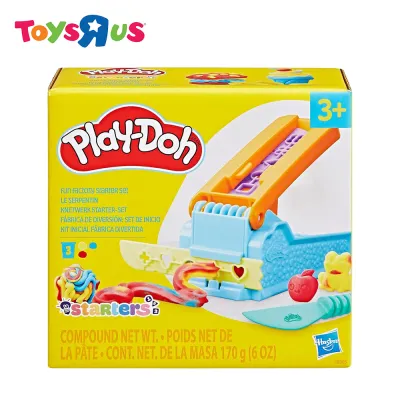
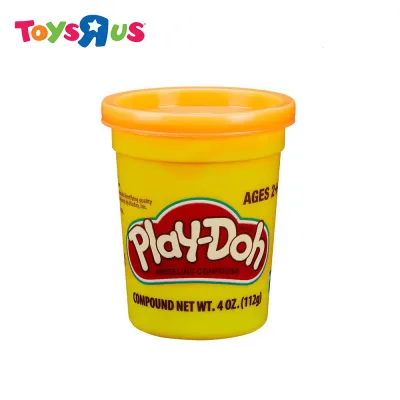
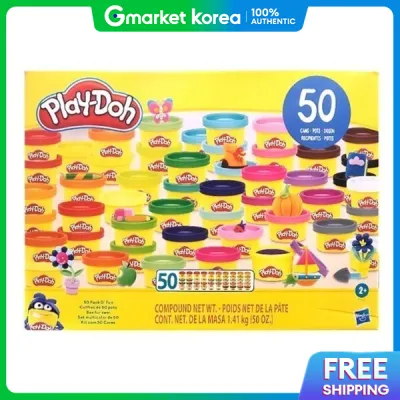
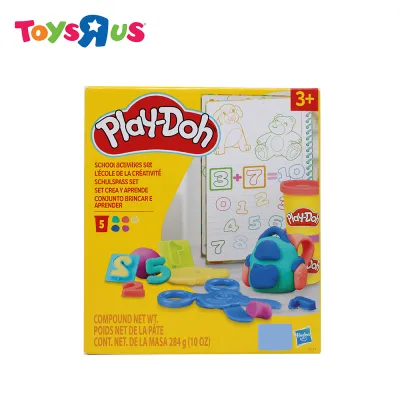
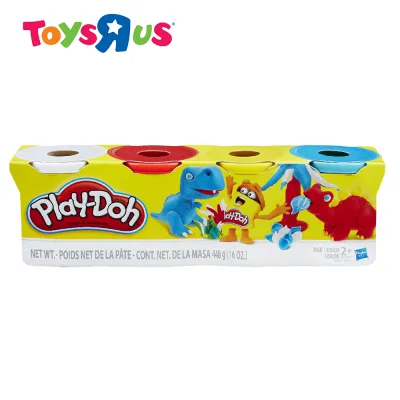
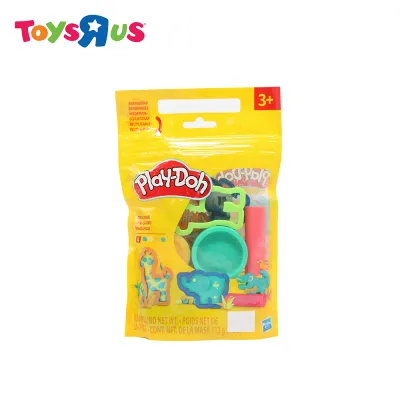
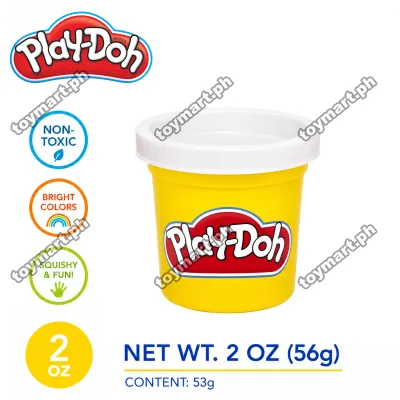
Prices are valid at publication and may change. Please refer to the product page for the latest price.
Before purchasing, always check the manufacturer’s official age grading on the packaging. This label is not merely a suggestion; it is a critical indicator of both safety standards (such as the presence of small parts that pose choking hazards) and functional design.
The table below provides a quick reference mapping age groups to their typical developmental focus, recommended set features, and key safety considerations.
| Age Group | Key Developmental Focus | Recommended Play-Doh Features | Safety & Packaging Warnings |
|---|---|---|---|
| Toddlers (Ages 2–3) | Sensory exploration, palmar grasp, basic hand strength, eye-hand coordination. | Large, single-color cans; chunky, flat cutters; wide, solid rollers without moving parts. | Look for "Ages 2+" labels; strictly avoid small parts; require constant adult supervision. |
| Preschoolers (Ages 4–5) | Pincer grasp, bilateral integration, imaginative role-play, simple tool usage. | Thematic kits (food, animals); manual extruders; hinged molds; stamps; plastic scissors. | Look for "Ages 3+" or "Ages 4+" labels; check for small decorative accessories; assist with cleanup. |
| Early School Age (Ages 6+) | Multi-step planning, advanced finger dexterity, understanding simple mechanics. | Complex mechanical or motorized extruders; multi-part interlocking molds; detailed playsets. | Verify space requirements; check battery needs if motorized; discuss keeping colors separate if desired. |
Toddlers (Ages 2–3): Sensory Play and Fine Motor Foundations
For toddlers between the ages of two and three, modeling compound is primarily a sensory experience. At this stage, children are developing their palmar grasp—using their entire hand to hold objects—and are beginning to understand how their physical actions can alter the shape of material. The developmental goals here are simple: squeezing, squishing, pulling, poking, and rolling the compound to build hand strength and finger awareness.

When choosing a set for this age group, simplicity is key. Look for introductory packs that feature large, single-color cans and basic, oversized tools. Chunky rolling pins without separate handles, large flat stampers, and wide plastic cutters are ideal. These tools are designed for small hands to grip easily, allowing toddlers to practice pressing down using their body weight. Avoid any sets that require precise finger placement or significant strength to operate.
Safety is the absolute priority for this age group. Toddlers are still prone to putting toys in their mouths, making it vital to avoid any sets containing small, detachable plastic accessories, such as tiny plastic eyes, small food shapes, or delicate utensils. These items present immediate choking hazards. Always look for clear non-toxic certifications on the packaging to ensure the compound is safe for skin contact and accidental tasting.
While reputable modeling compounds are formulated to be non-toxic, they are not food. Furthermore, parents must be aware that classic Play-Doh contains wheat flour as a primary ingredient. If your child has a known wheat allergy or celiac disease, contact with the compound can trigger an allergic reaction. Active adult supervision is always required during play sessions to prevent ingestion and to guide the child in safe handling.
Preschoolers (Ages 4–5): Imaginative Scenarios and Tool Coordination
As children reach preschool age, their play transitions from pure sensory exploration to imaginative, goal-oriented activities. Children aged four to five are developing a refined pincer grasp—using the index finger and thumb to pinch and manipulate small objects. They are also mastering bilateral integration, which is the ability to use both hands together to perform different tasks, such as holding a mold steady with one hand while pressing compound into it with the other.
For this group, themed sets that encourage pretend play and storytelling are highly engaging. Popular themes include simple food preparation (such as making pizza, noodles, or sandwiches), veterinary clinics, or basic construction vehicles. These sets introduce manual extruders (such as syringe-style tools that push compound out in long strands), hinged molds that snap shut to create double-sided 3D shapes, and detailed stamps.
Operating these tools provides excellent physical therapy for developing hands. Pushing down on an extruder lever requires coordinated arm and hand strength, while carefully peeling a molded shape out of a plastic hinge refines finger dexterity. These actions build the muscle memory and coordination needed for future tasks like writing, cutting with scissors, and buttoning clothes.
While preschool-aged children can play more independently, they still require parental guidance, particularly regarding workspace management. Themed sets often produce small, crumbly scraps of compound during the molding process. If left on the floor, these scraps can be ground into carpets or create slippery spots on smooth tile or wood flooring. Setting up a dedicated, easy-to-clean play tray or plastic mat helps contain the mess and teaches children boundaries for their creative space.
Early School Age (Ages 6 and Up): Advanced Mechanics and Detailed Crafting
By age six, children have developed the fine motor control, patience, and cognitive capacity needed to tackle complex, multi-step projects. They are capable of following detailed visual instructions, planning their creations in advance, and working with smaller, more intricate details. At this stage, modeling compound becomes a medium for genuine crafting and elaborate storytelling.
Sets designed for older children often feature advanced mechanical components. These can include battery-operated extruders, gear-driven conveyor belts, multi-part interlocking molds, and expansive thematic environments like multi-level castles, complex toy kitchens, or detailed construction sites. These sets require children to assemble plastic components, align gears, and apply steady, controlled pressure to achieve the desired results.
Working with these advanced kits teaches children patience and problem-solving. If a molded piece does not turn out perfectly, they must analyze why—perhaps they did not use enough compound, or they did not press the mold completely closed. This trial-and-error process builds cognitive resilience. Additionally, these sets often include specialized tools like plastic sculpting knives, detail rollers, and fine-tip extruders that allow for precise, detailed work.
Older children also appreciate the creative freedom of color-mixing. While younger children often mix colors accidentally into a brown mass, school-aged children can understand basic color theory. Look for sets that include a wide variety of colors or larger bulk packs, which allow them to experiment with blending primary colors to create custom shades. This adds an educational dimension to their play, linking hands-on art with scientific observation.
What to Check Before Buying: Evaluating Set Components and Space
Before purchasing any modeling compound set, it is wise to evaluate the physical contents of the box rather than relying solely on the cover art. Many large, impressive-looking boxes contain a high proportion of plastic structures and very little actual compound. Check the total weight of the compound listed on the packaging and compare it to the number of plastic accessories included. A set with many plastic parts but only two small cans of compound will quickly limit play unless you purchase additional refills.
Consider the physical dimensions of the playset. Some themed sets feature large, vertical plastic structures that require significant table space. If your child’s play area is a small child-sized table or a corner of a desk, a massive playset may be cumbersome to use. Furthermore, check if the set can be easily disassembled for storage. Some plastic snap-together components are designed to remain permanently assembled once put together, which can make storing them in standard toy boxes difficult.
Always verify the size of the cans included in the set. Modeling compound cans generally come in three standard sizes: mini (1 ounce or 28 grams), medium (2 ounces or 56 grams), and standard (3 ounces or 85 grams, and 4 ounces or 112 grams). Many themed kits include mini or medium cans to save space. Knowing the can size helps you budget for refills, as standard-sized cans are the most common and cost-effective option when purchasing replacements.
Finally, look for sets that offer built-in storage solutions. Sets that come in sturdy, reusable plastic tubs or feature built-in pegboards and compartments on the main playset help keep small plastic molds, rollers, and cutters organized. This not only prevents pieces from getting lost but also makes cleanup much easier for both you and your child.
Storage and Maintenance: Keeping Clay Fresh in Humid Climates
In tropical climates like the Philippines, managing the moisture content of modeling compound is a unique challenge. High ambient temperatures can accelerate the drying process when the compound is left exposed to air, while high relative humidity can create issues with excess moisture absorption or mold growth if the compound is not stored correctly.
To prevent the compound from drying out, teach your child to seal the plastic cans tightly after every play session. When closing the lid, press down firmly around the entire rim until you hear a distinct click. This airtight seal prevents the water content in the compound from evaporating. If you are using zip-top bags or alternative containers, ensure they are high-quality, airtight, and stored away from direct sunlight, which can heat the plastic and cause condensation inside.
Conversely, the humid environment of the Philippines means that damp tools or compound stored in dark, unventilated spaces can develop mold or mildew. Never store wet or damp plastic tools. After play, clean all plastic molds, extruders, and cutters thoroughly to remove any trapped compound.
To clean the accessories safely, follow these steps:
- Allow any trapped compound inside the tools to dry completely; dry compound is much easier to chip out than wet, sticky compound.
- Use a stiff, soft-bristled brush (such as an old toothbrush) to scrub out the dried pieces from tight corners and detailed molds.
- Wash the plastic tools in warm, soapy water to remove any remaining residue.
- Rinse the tools thoroughly and lay them out on a clean towel to air-dry completely before storing them in a closed toy box.
Frequently Asked Questions (FAQ)
Is modeling clay safe if my child accidentally tastes it?
Yes, reputable brands of modeling compound are formulated to be non-toxic and are generally safe if a child accidentally tastes a small amount. The compound typically contains a very high salt content, which naturally deters children from eating it. However, because it contains wheat as a primary ingredient, it is not suitable for children with wheat allergies or celiac disease. If a child ingests a large quantity, it may cause mild stomach discomfort due to the high salt content. Monitor your child and consult a healthcare professional if they exhibit signs of illness or if you suspect a large amount was swallowed.
How can I revive clay that has started to dry out?
If the compound has only recently begun to harden or has developed a dry crust, you can often restore its pliable texture. Add a few drops of clean, room-temperature water directly to the compound, then knead it thoroughly to work the moisture back into the center. Alternatively, wrap the dry compound in a damp paper towel, place it back inside its plastic can, seal the lid tightly, and let it sit overnight. The compound will slowly absorb the moisture from the towel. If the compound has turned into a completely solid, brittle rock, it can no longer be revived and should be safely discarded.
Are standard clay refills compatible with all themed playsets?
Most themed playsets are designed to be compatible with standard-sized compound cans. However, some specialized extruders or molds are designed to fit specific can sizes, such as mini-cans, which slide directly into the toy to act as a plunger. Before purchasing refill packs, check the diameter and height of the cans required by your specific playset. While the compound itself is identical regardless of the can size, having the correct container size ensures a seamless fit with any integrated mechanical features of your child’s favorite set.

Community discussion
Share your experience or ask a question. Comments are reviewed before publication.